6 Key Knowledge to Build the Power of Computing for Your Business
Perspective by GIGABYTE
Digitalization is the first strategy in technology for today's enterprises to stay ahead of others. To develop core business and conduct daily operations, enterprises need IT systems and computing power to store, process, manage and analyze the large amounts of data generated and collected every day. This guide will take you from understanding the relevant definitions of data centers to the functions of servers that are often deployed in modern popular technologies such as high performance computing (HPC), 5G, and artificial intelligence (AI).

5 min read
Find the functions of computing that fits your business needs
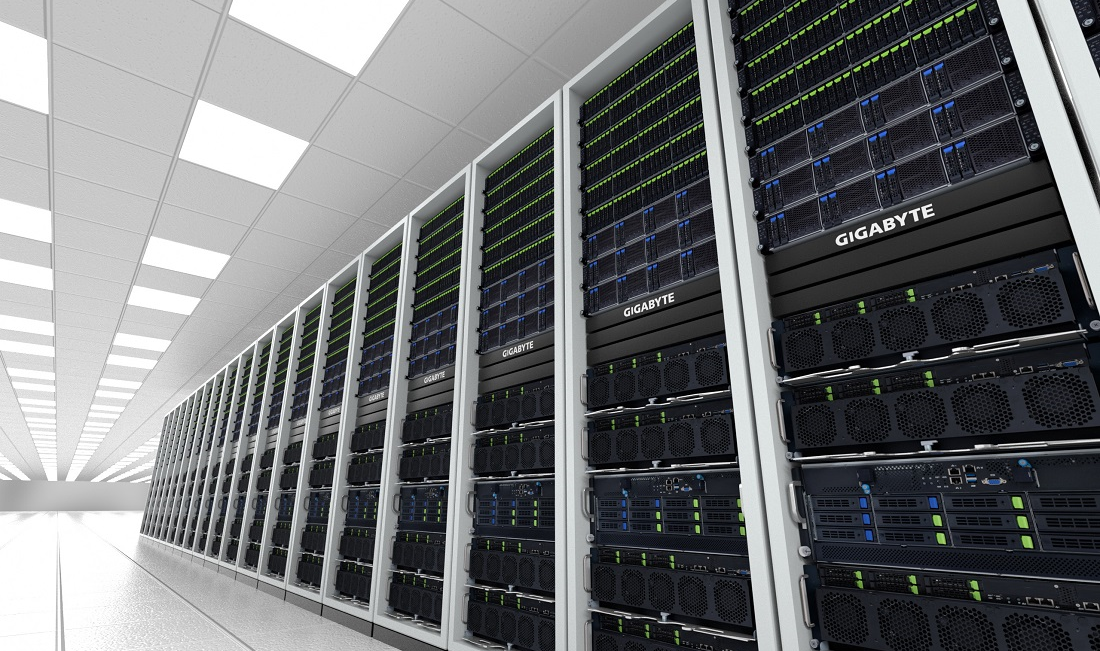
As servers do more and more for us, server types have become more diversified. To list just a few examples, servers used for scientific research may be loaded with computing clusters to enable high performance computing (HPC); teleco in the 5G era can use edge computing servers to reduce network bandwidth usage and latency; and, more and more enterprises utilize cloud computing for artificial intelligence (AI) development and management. However, one size does not fit all when it comes to servers. Since they are meant to serve specific roles within the IT infrastructure, it is imperative to find the ideal server for each role to fully deliver the maximum computing efficiency.
Learn More:
《Cluster Computing: An Advanced Form of Distributed Computing》
《Setting the Record Straight: What is HPC? A Tech Guide by GIGABYTE》
《What is Edge Computing? Definition and Cases Explained》
《What is Private Cloud, and is it Right for You? 》
《How to Monetise AI for Better Business Outcomes》
Success Case:
《The University of Barcelona Gets a Computing Boost with GIGABYTE Servers》
《Using GIGABYTE, NIPA Cloud Soars Among CSP Giants in Thailand》
《To Empower Scientific Study, NTNU Opens Center for Cloud Computing》
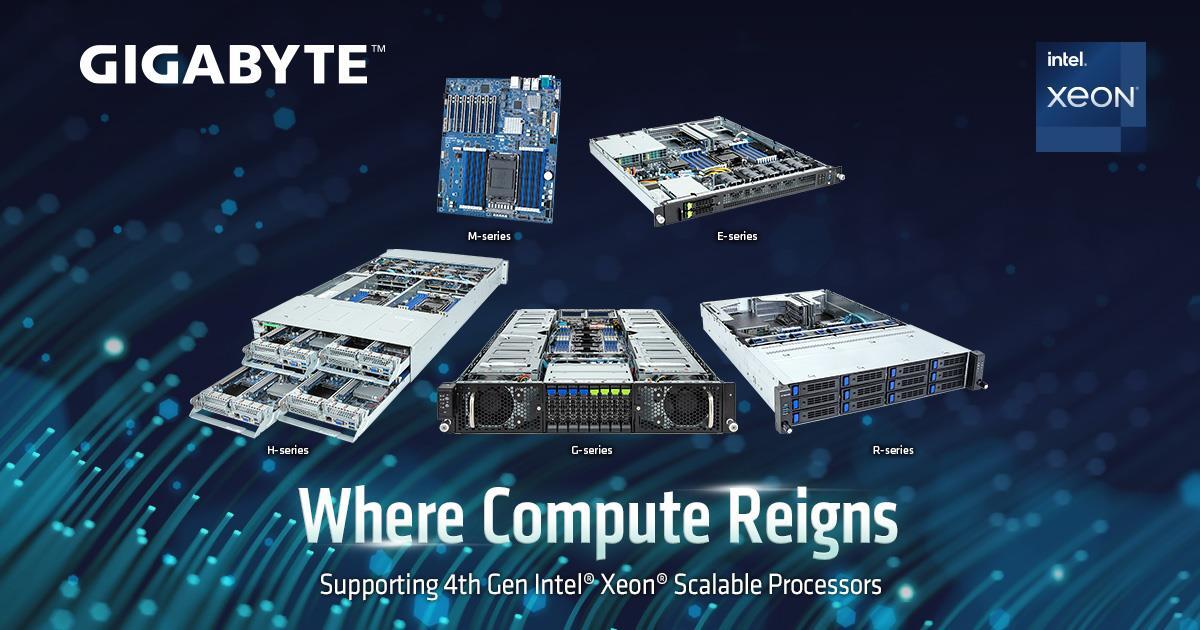
In addition, there are other computing such as parallel computing and distributed computing etc. GIGABYTE Technology has a complete product line of server solutions with multi-platform and series. A good way to understand them all at a glance is to separate them by functions. If you are looking for servers that leverage the synergy between CPUs and GPGPUs through heterogeneous computing to accelerate your processing, GIGABYTE's G-Series GPU Servers are what you need. If you need a lot of computing power in a highly dense configuration, you can consider the H-Series High Density Servers. R-Series Rack Servers are for general-purpose use, while S-Series Storage Servers are ideal for data storage. E-Series Edge Servers have smaller chassis for easy deployment on the edge, while W-Series Workstations bring enterprise-grade computing to your desktop if you don't have the physical space for a server room.
We believe that you may begin to evaluate the functions of computing for your business and the corresponding server series products after reading this guide. To submit a query: Contact GIGABYTE Sales
- Computing Cluster
A computing cluster is a set of computers working together like a single system, providing better performance, availability, and cost efficiency than a comparable mainframe computer. Establishing a computing cluster can be a major step toward achieving high performance computing (HPC), high availability (HA), or load balancing capabilities. The advantages are many, including faster processing speeds; larger storage capacities; better data security, scalability, and cost efficiency.
- Edge Computing
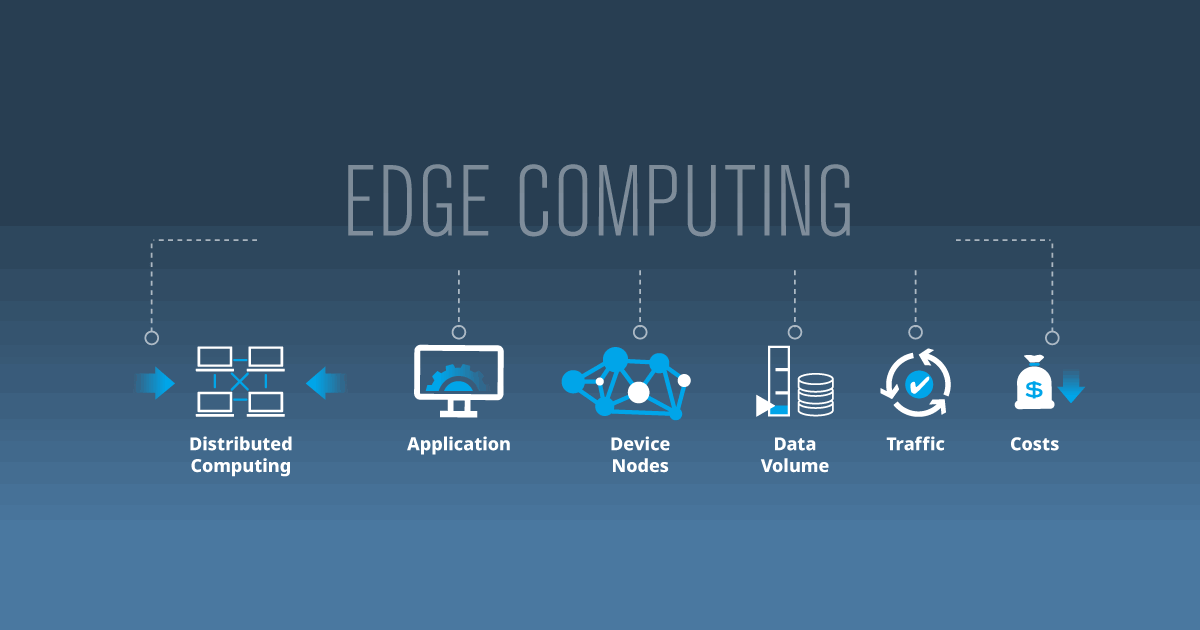
Edge computing is a type of computing network architecture, where computation is moved as close to the source of data as possible, to reduce latency and bandwidth use. The aim is to reduce the amount of computing required to be performed in a centralized, remote location far away from the source of the data or the user who requires the result of the computation, thus minimizing the amount of long-distance communication that must happen between a client and server. Edge computing will be a key technology component of 5G network infrastructure, since the amount of data generated by 5G devices will be too great for a traditional cloud computing network architecture to handle without unacceptable delays.
- Cloud Computing
In simple terms, Cloud Computing is the delivery of computing services to a user or an organization—servers, storage, databases, networking, software, analytics, artificial intelligence and more—over the Internet ("the Cloud"). Cloud Computing is usually provided using virtualization, in which the physical computer hardware is abstracted from the software & applications that are running on that hardware. Cloud Computing services can be provided in several different ways, via public, private or hybrid clouds.
Learn More:
《Cluster Computing: An Advanced Form of Distributed Computing》
《Setting the Record Straight: What is HPC? A Tech Guide by GIGABYTE》
《What is Edge Computing? Definition and Cases Explained》
《What is Private Cloud, and is it Right for You? 》
《How to Monetise AI for Better Business Outcomes》
Success Case:
《The University of Barcelona Gets a Computing Boost with GIGABYTE Servers》
《Using GIGABYTE, NIPA Cloud Soars Among CSP Giants in Thailand》
《To Empower Scientific Study, NTNU Opens Center for Cloud Computing》
In addition, there are other computing such as parallel computing and distributed computing etc. GIGABYTE Technology has a complete product line of server solutions with multi-platform and series. A good way to understand them all at a glance is to separate them by functions. If you are looking for servers that leverage the synergy between CPUs and GPGPUs through heterogeneous computing to accelerate your processing, GIGABYTE's G-Series GPU Servers are what you need. If you need a lot of computing power in a highly dense configuration, you can consider the H-Series High Density Servers. R-Series Rack Servers are for general-purpose use, while S-Series Storage Servers are ideal for data storage. E-Series Edge Servers have smaller chassis for easy deployment on the edge, while W-Series Workstations bring enterprise-grade computing to your desktop if you don't have the physical space for a server room.
We believe that you may begin to evaluate the functions of computing for your business and the corresponding server series products after reading this guide. To submit a query: Contact GIGABYTE Sales