OpenStack
What is it?
OpenStack is an open-source software platform for building and managing a private or public cloud, which was launched jointly by NASA and Rackspace Hosting in July 2010. The platform consists of a set of interrelated components that allow the user to deploy virtual machines and other instances on diverse, multi-vendor hardware pools of processing, storage and networking resources in a data center. Additional tools provide orchestration, fault management and service management to ensure stability and high reliability of service.
Why do you need it?
OpenStack's set of components (such as Nova for computing, Cinder or Swift for storage, Neutron for networking) are designed to be deployed on bare metal hardware and set up to offer an Infrastructure as a Service (IaaS), which acts as the base of cloud computing platform. Different applications can then be run on top of this platform, which can be offered to users remotely as part of the nature of cloud computing.
One of the main strengths of OpenStack is that it is open source software – anyone can access the source code and make any changes or modifications they need. Therefore, it is ideal to be used as a base for building different types of customized cloud computing applications and services.
Once these modifications and customizations have been made, they can be shared back out to the community at large, and developers all over the world are continuously working in tandem to develop the strongest, most robust, and most secure product that they can.
How is GIGABYTE helpful?
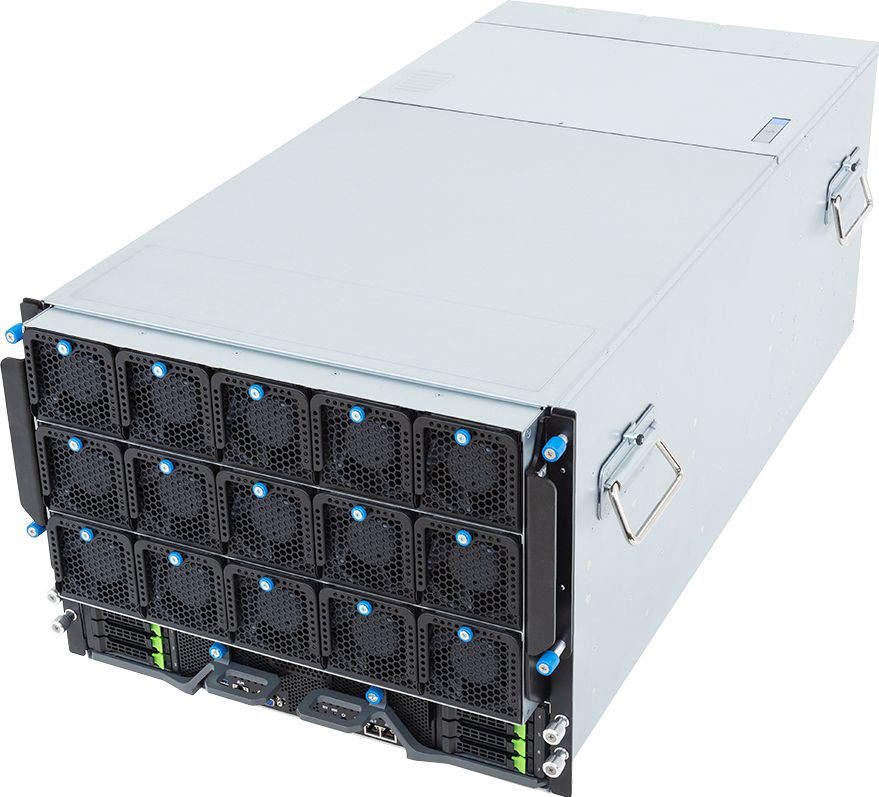
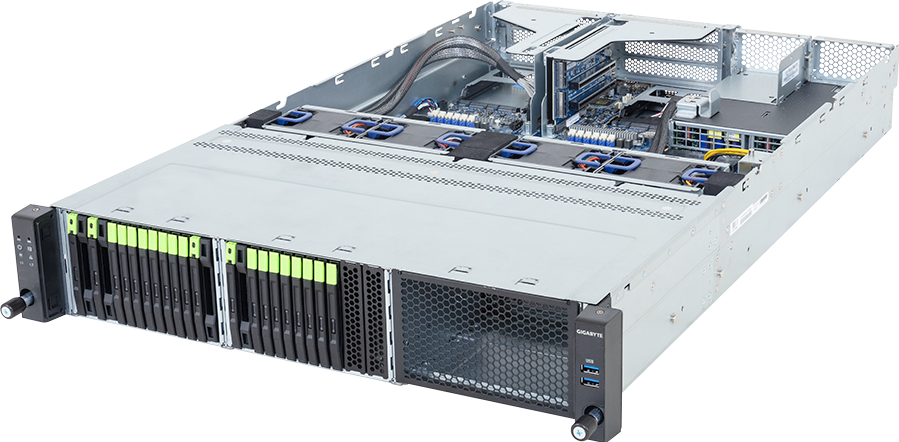
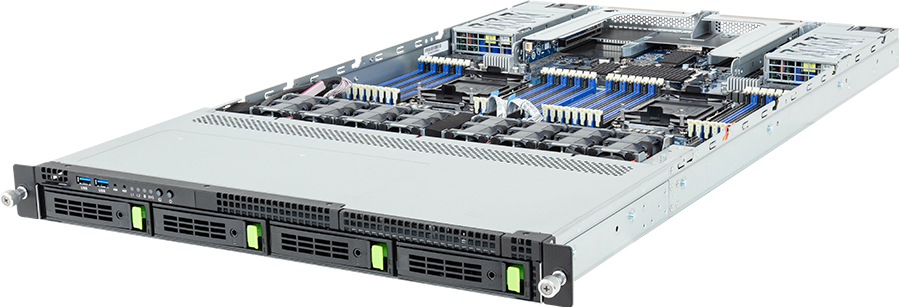
GIGABYTE has collaborated with software partner InfinitiesSoft to offer Cloud Fusion, a hybrid cloud platform for virtualized compute, storage and GPU compute services. Cloud Fusion is deployed on a private cloud environment built with a customized distribution of OpenStack, and provides a management interface for resource provisioning and utilization, not only for the user's on-premises private cloud but also links with public cloud services (such as AWS, Azure, Google Cloud or Alicloud) when extra resources or different geographical locations for application deployment are required.