1. Inicio
  2. Glossary
  3. Sistemas avanzados de asistencia al conductor
ADAS (Advanced Driver Assistance Systems)

Sistemas avanzados de asistencia al conductor

¿Qué son los sistemas avanzados de asistencia al conductor (ADAS)?

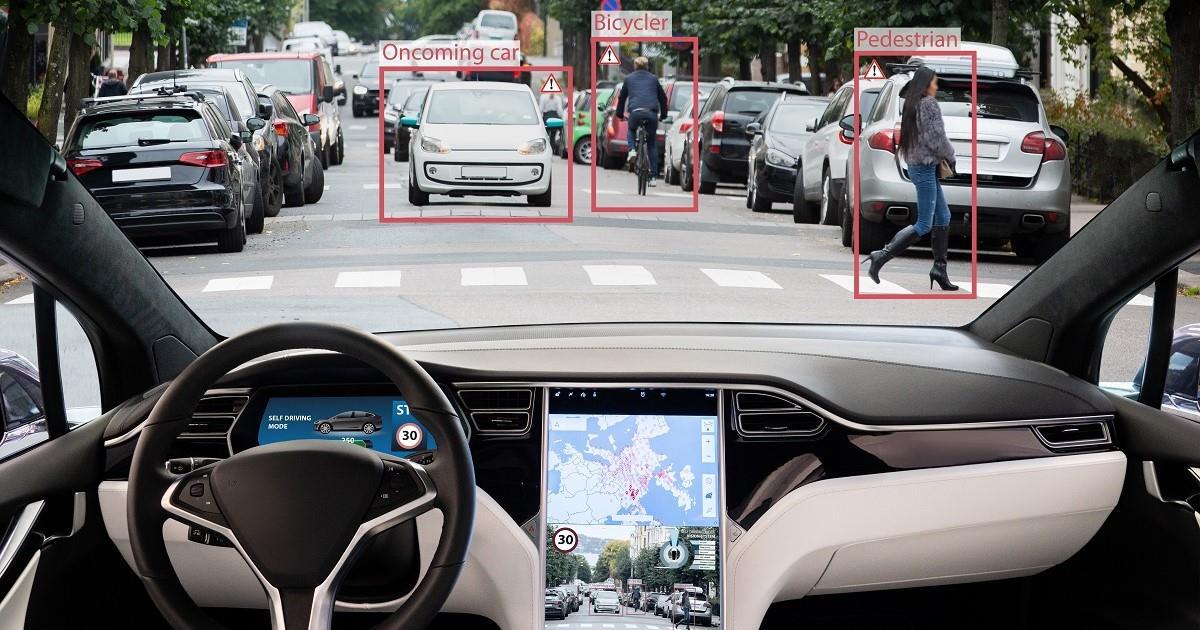
Los sistemas avanzados de asistencia al conductor (ADAS) monitorean constantemente el entorno del vehículo, alertan al conductor sobre condiciones peligrosas en la vía y ejecutan acciones correctivas, como reducir la velocidad o detener el vehículo. Estos sistemas utilizan los datos de varios sensores, como cámaras y radares. Las señales de estos sensores se fusionan y procesan, y la información se proporciona al conductor y a otros componentes del sistema.

¿Por qué necesita sistemas avanzados de asistencia al conductor?

Los sistemas avanzados de asistencia al conductor (ADAS) buscan reducir drásticamente los accidentes viales y las víctimas asociadas al ayudar a los conductores a evitar por completo las colisiones. Estos sistemas reaccionan más rápido que cualquier persona, permanecen atentos de forma constante y ya se están adoptando e implementando en diversos segmentos de vehículos, desde modelos premium hasta modelos económicos.

¿Cómo contribuye GIGABYTE?

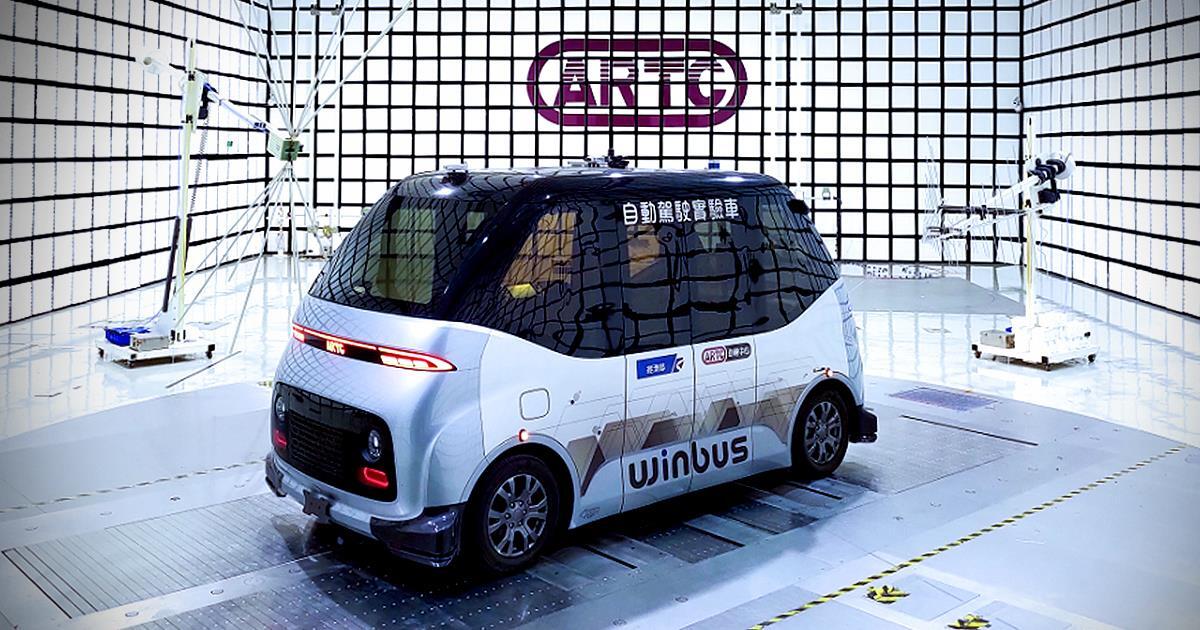
GIGABYTE diseñó una unidad de control para conducción automatizada que funciona como el controlador central de vehículos autónomos o vehículos con sistemas avanzados de asistencia al conductor. El prototipo experimental de un vehículo sin conductor no tiene volante, pedal del acelerador ni pedal del freno, por lo que es 100 % autónomo. GIGABYTE está desarrollando un ecosistema de vehículos autónomos (AV) mediante alianzas y para satisfacer las necesidades de procesamiento de todo el vehículo, incluidos los sistemas avanzados de asistencia al conductor y los sistemas autónomos.
Lecturas recomendadas

An Autonomous Vehicles Network with 5G URLLC Technology

An Autonomous Vehicles Network with 5G URLLC Technology

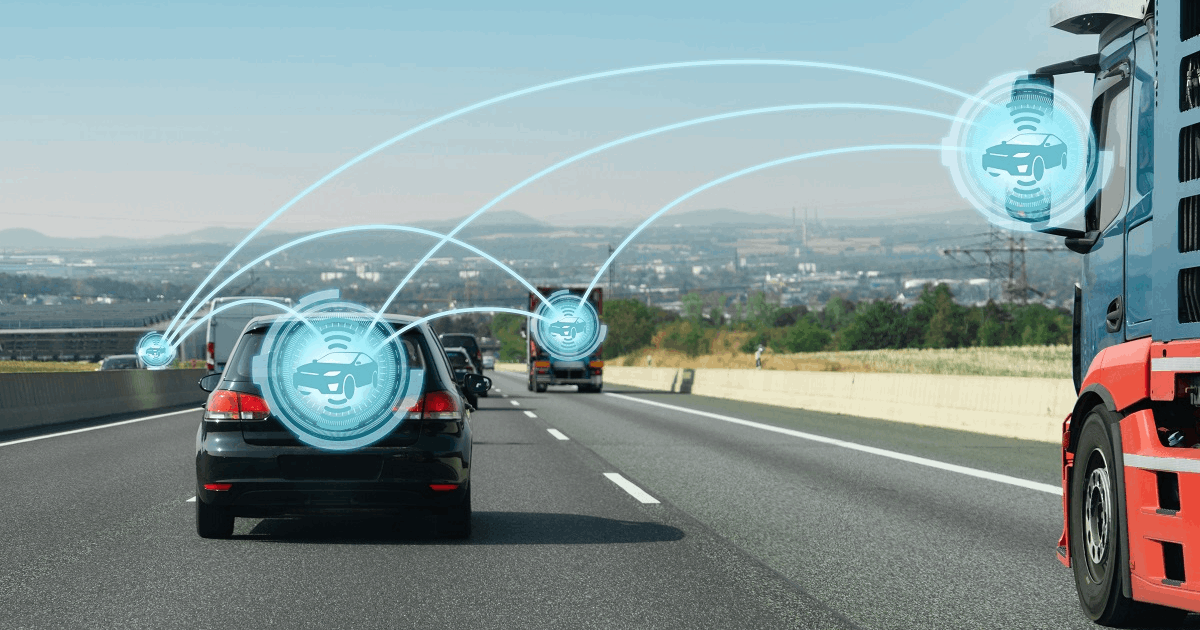
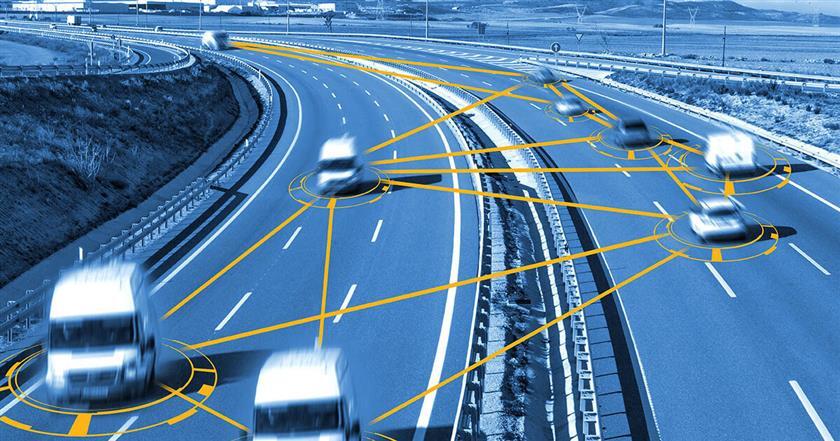
5G URLLC (Ultra-Reliable Low Latency Communications) technology to build an intelligent Internet of Vehicles (IoV) network can be delivered using a MEC (Multi-access Edge Computing) architecture based on GIGABYTE's edge servers such as H242 Series equipped with vRAN and AI inferencing capabilities
Automated-Driving Control Unit

Automated-Driving Control Unit

GIGABYTE has been planning the PILOT product family, which is designed to provide developers and test drivers with a complete product portfolio that supports the development of functions for automated driving by means of high computation power, high bandwidth, and rich external interfaces.
What is 5G? An Introduction to 5G Networks and Applications

What is 5G? An Introduction to 5G Networks and Applications

What is 5G? An Introduction to 5G Networks and Applications
Seize New Business Opportunities with Practical Applications of 5G

Seize New Business Opportunities with Practical Applications of 5G

Seize New Business Opportunities with Practical Applications of 5G
Constructing the Brain of a Self-Driving Car

Constructing the Brain of a Self-Driving Car

Constructing the Brain of a Self-Driving Car
Five Minutes to Know More About the Deep Learning Industry – Will AI Replace Humans?

Five Minutes to Know More About the Deep Learning Industry – Will AI Replace Humans?

Five Minutes to Know More About the Deep Learning Industry – Will AI Replace Humans?
GIGABYTE PILOT: The Autonomous-Driving Control Unit at the Heart of Taiwan’s First Self-Driving Bus

GIGABYTE PILOT: The Autonomous-Driving Control Unit at the Heart of Taiwan’s First Self-Driving Bus

GIGABYTE PILOT: The Autonomous-Driving Control Unit at the Heart of Taiwan’s First Self-Driving Bus
Global Autonomous Vehicle Boom: Core Knowledge You Should Never Ignore

Global Autonomous Vehicle Boom: Core Knowledge You Should Never Ignore

Global Autonomous Vehicle Boom: Core Knowledge You Should Never Ignore
How to Benefit from AI in the Automotive & Transportation Industry

How to Benefit from AI in the Automotive & Transportation Industry

How to Benefit from AI in the Automotive & Transportation Industry