RAN

RAN

What is it?

A Radio Access Network (RAN) is part of a cellular communications network, and connects a user’s mobile phone or other wireless User Equipment (UE) to the telecommunications operator’s Core Network (CN). The CN then provides the user access to other users on the same network, to different operators’ networks or to the Internet. The basic infrastructure of a RAN consists of base stations (radio transceivers) which connect to UE via radio waves.

Why do you need it?

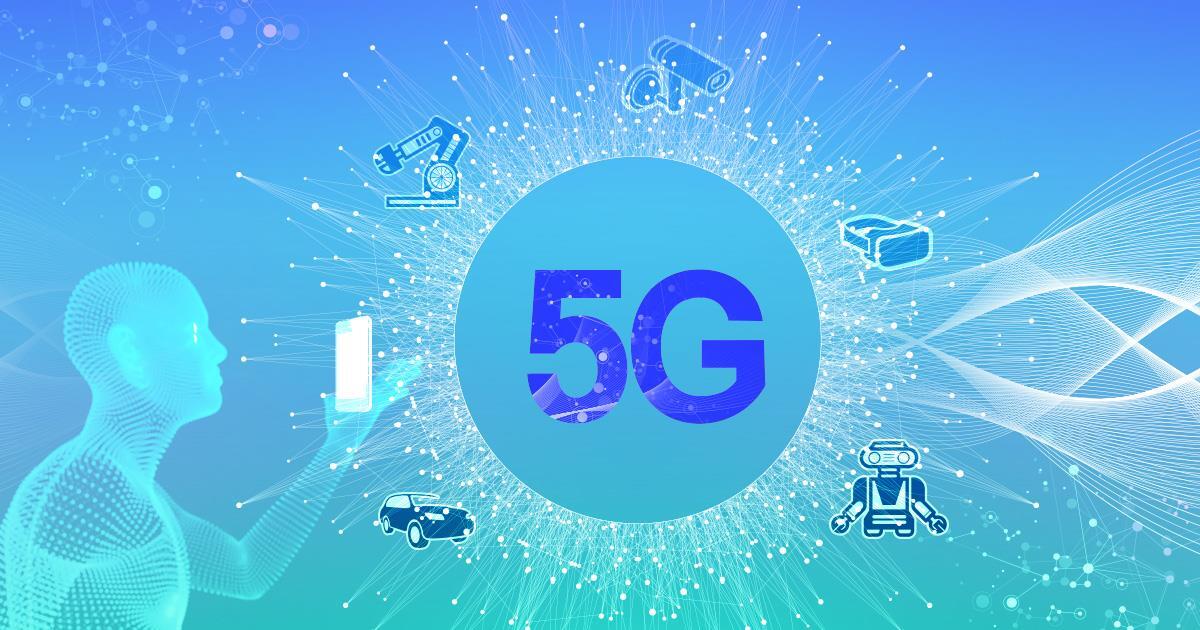
In order for your cell phone to connect to another user on the network or the Internet, it must first connect via a RAN. A RAN not only provides network access but also assists to coordinate network resources across wireless devices. RAN technology has been constantly evolving - at the beginning of cellular networks, a RAN only supported basic voice call functionality, but later was upgraded to support data transmission. With the arrival of 5G, a RAN will now support technologies such as Mobile Edge Computing (MEC) and network slicing, enabling the high bandwidth and low latency transmission capabilities that make 5G so powerful.

How is GIGABYTE helpful?

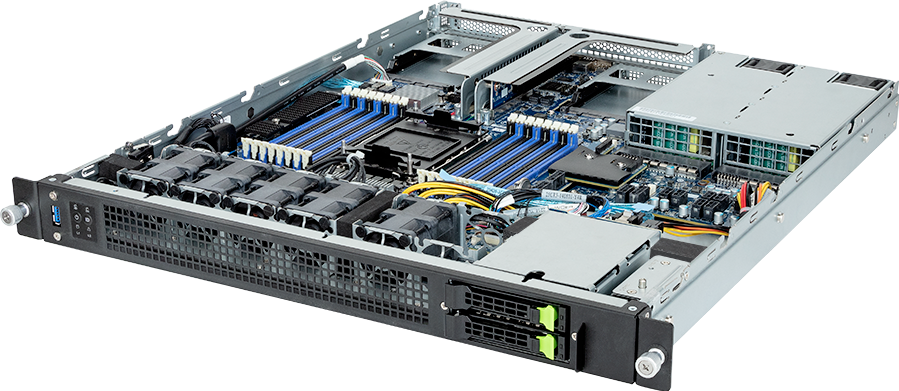
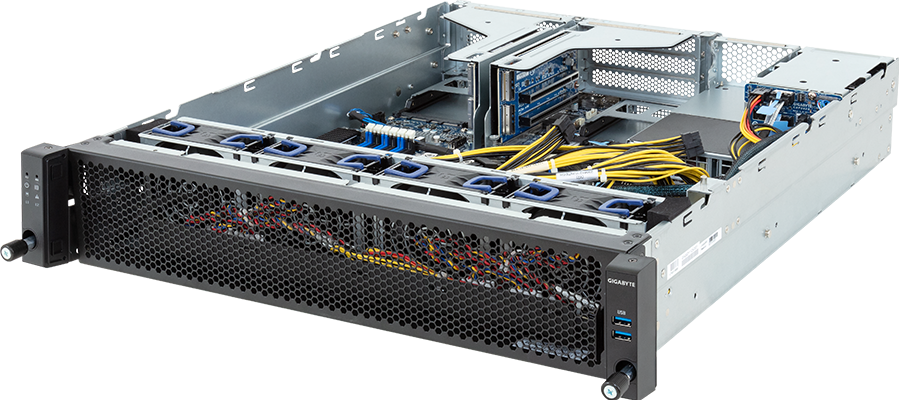
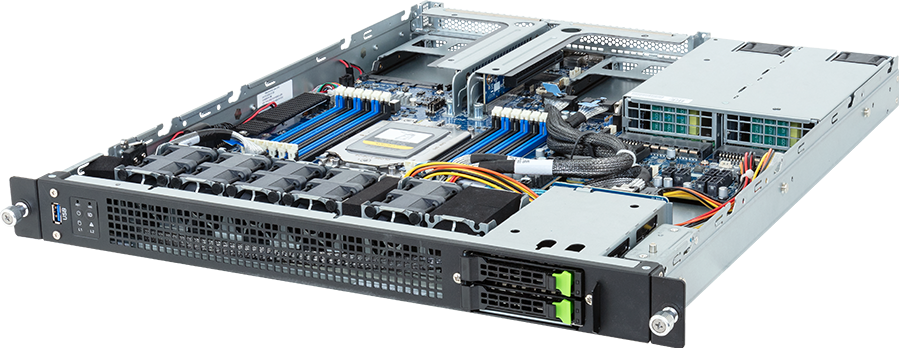
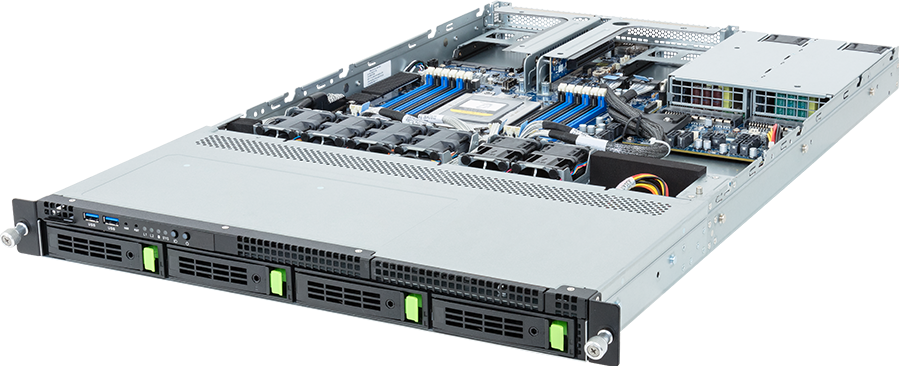
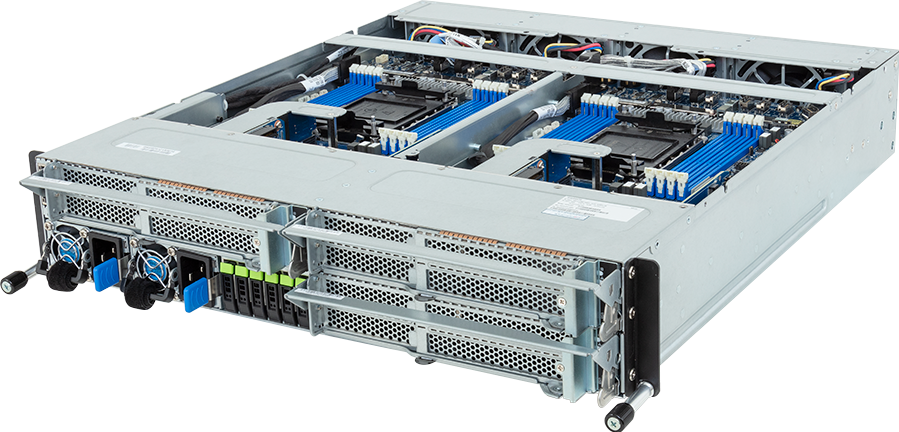
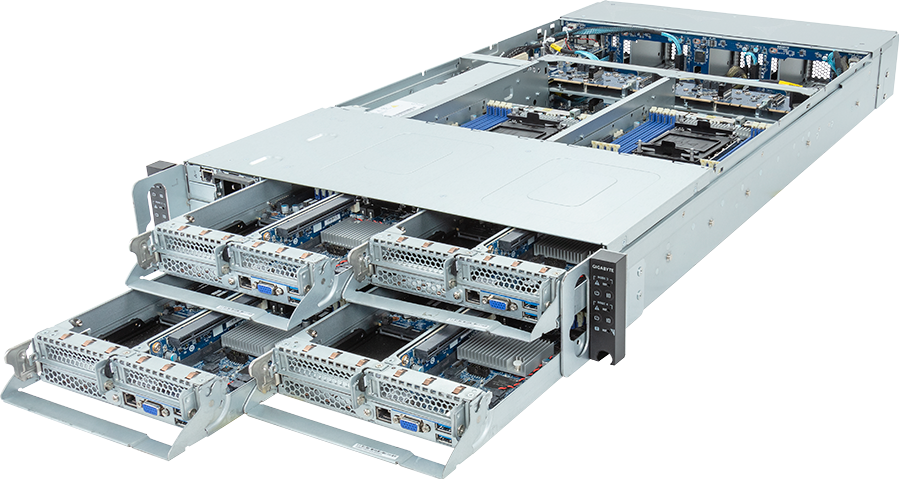
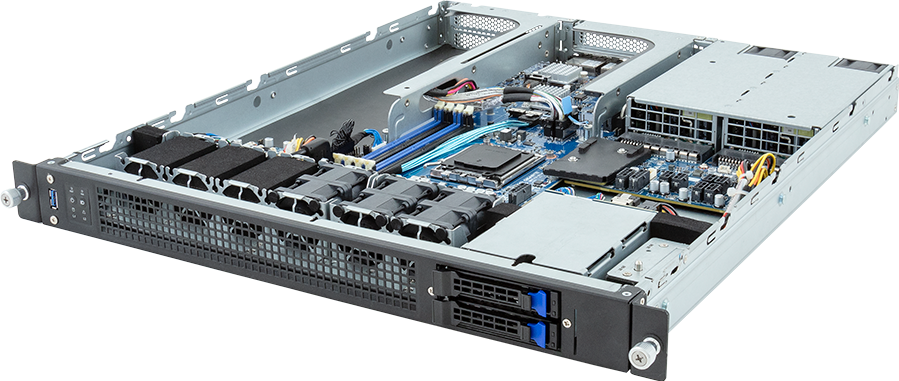
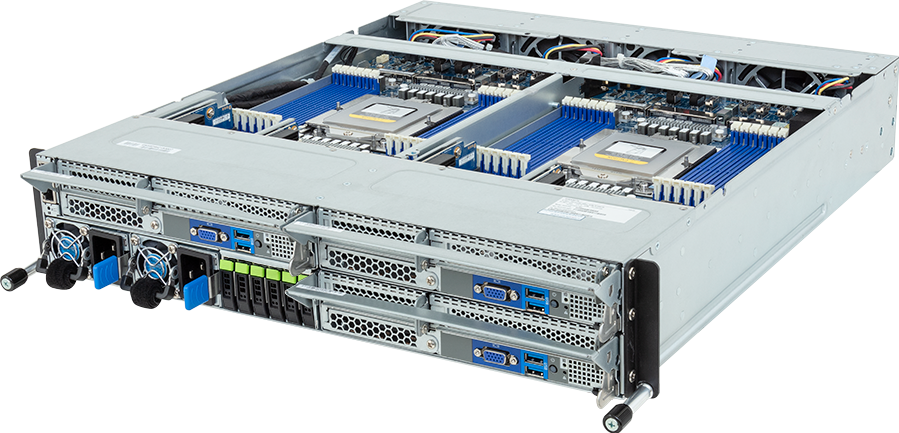
A typical base station of a RAN will consist of two components: a Radio Frequency Processing Unit (RFU), which is basically a radio antenna mounted on a high tower or pole, and a Baseband Processing Unit (BBU) at the base of the antenna connected to the RFU via optical fiber, which processes radio waves from the antenna and converts them to digital signals. Traditionally a BBU has been a specialized piece of network equipment, however with the introduction of Network Functions Virtualization (NFV), these hardware functions can be converted into software that can be run on off-the-shelf server systems. GIGABYTE has released a range of compact, high density edge server systems (such as our H242 Series) which are ideal to be deployed as a BBU in a new 5G RAN.
Recommended Reading

5G MEC Networking Platform

5G MEC Networking Platform

A MEC (Multi-access Edge Computing / Mobile Edge Computing) platform based on GIGABYTE's server hardware provides an effective way to support a new generation of 5G services such as eMBB for high bandwidth content streaming, URLLC for autonomous driving or mMTC for a smart city IoT network
An Immersive VR Stadium Experience with 5G eMBB Technology

An Immersive VR Stadium Experience with 5G eMBB Technology

eMBB (Enhanced Mobile Broadband) technology can deliver ultra-high wireless bandwidth capabilities, and can be used to provide a fully immersive VR front-row concert or sports experience to all attendees, even in the cheap seats and in rear VIP rooms - or if they missed out on a ticket altogether
Ushering in a New Era of Smart Healthcare Applications with 5G-based MEC
Article

Ushering in a New Era of Smart Healthcare Applications with 5G-based MEC

Ushering in a New Era of Smart Healthcare Applications with 5G-based MEC
6 Key Knowledge to Build the Power of Computing for Your Business
Article

6 Key Knowledge to Build the Power of Computing for Your Business

6 Key Knowledge to Build the Power of Computing for Your Business
The Advantages of ARM: From Smartphones to Supercomputers and Beyond
Article

The Advantages of ARM: From Smartphones to Supercomputers and Beyond

The Advantages of ARM: From Smartphones to Supercomputers and Beyond
What is a Server? A Tech Guide by GIGABYTE
Article

What is a Server? A Tech Guide by GIGABYTE

What is a Server? A Tech Guide by GIGABYTE
The EPYC Rise of AMD’s New Server Processor
Article

The EPYC Rise of AMD’s New Server Processor

The EPYC Rise of AMD’s New Server Processor
An Autonomous Vehicles Network with 5G URLLC Technology

An Autonomous Vehicles Network with 5G URLLC Technology

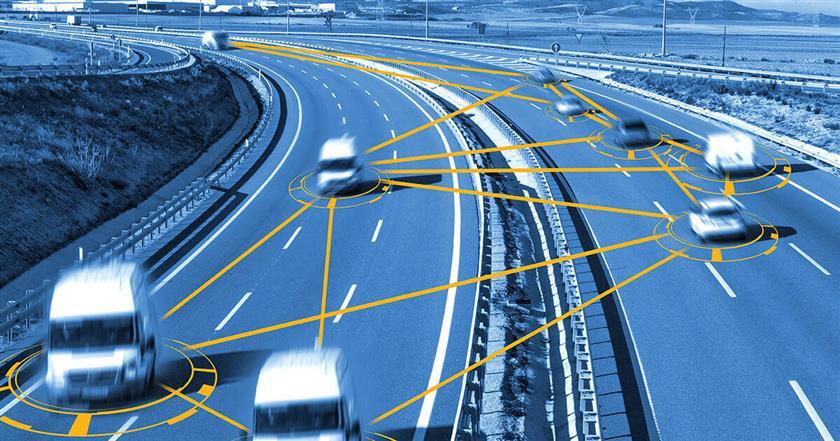
5G URLLC (Ultra-Reliable Low Latency Communications) technology to build an intelligent Internet of Vehicles (IoV) network can be delivered using a MEC (Multi-access Edge Computing) architecture based on GIGABYTE's edge servers such as H242 Series equipped with vRAN and AI inferencing capabilities
Looking Towards 5G and the Transformation of Our Technology Ecosystem
Article

Looking Towards 5G and the Transformation of Our Technology Ecosystem

Looking Towards 5G and the Transformation of Our Technology Ecosystem
What is Edge Computing? Definition and Cases Explained
Article

What is Edge Computing? Definition and Cases Explained

What is Edge Computing? Definition and Cases Explained