LAN Port
Puerto LAN
¿Qué es?
Como su nombre lo indica, los servidores pueden conectarse a una LAN (red de área local) mediante cables Ethernet conectados a puertos LAN, también llamados puertos Ethernet o puertos RJ45. La conexión a una LAN permite que el servidor aproveche una amplia variedad de funciones o dispositivos adicionales, como redes, computación en clúster, NAS y mucho más. Por ello, los puertos LAN son un componente importante del diseño de cualquier servidor.
¿Por qué lo necesita?
En una sala de servidores, una granja de servidores o un centro de datos, los puertos LAN permiten que un servidor se conecte con otros dispositivos de la misma LAN. Estos dispositivos pueden proporcionar funciones adicionales de cómputo, almacenamiento o red que el servidor original no tiene. Al elegir servidores, generalmente es conveniente optar por productos con un gran número de puertos LAN que ofrezcan conexiones de gran ancho de banda.
¿Cómo ayuda GIGABYTE?
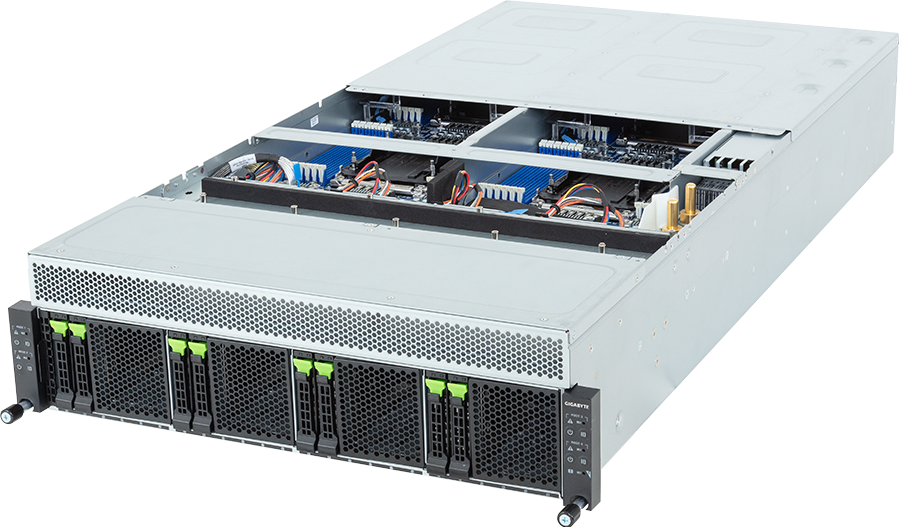
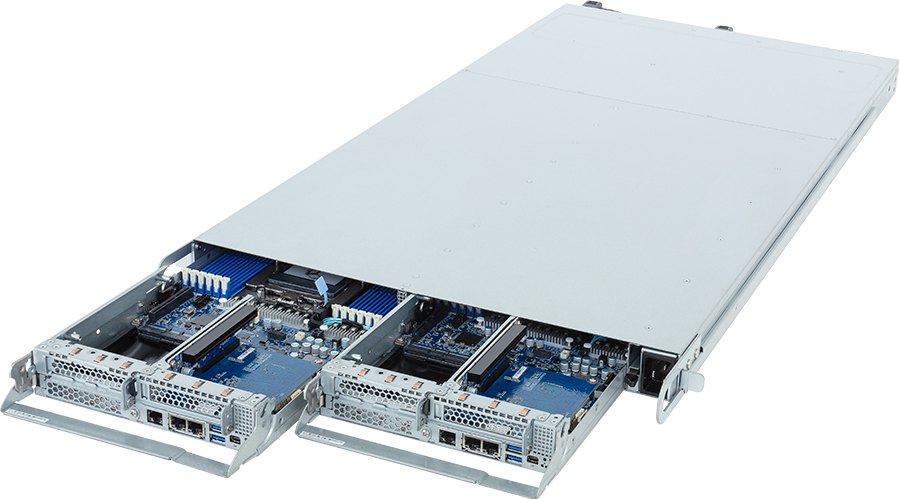
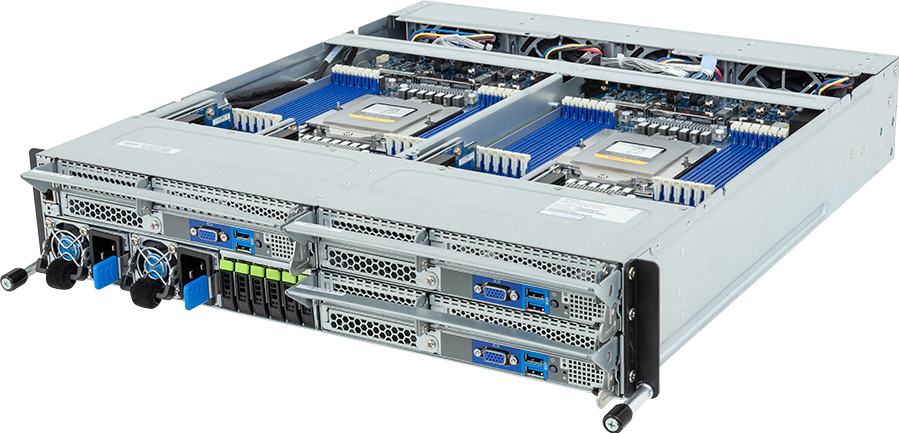
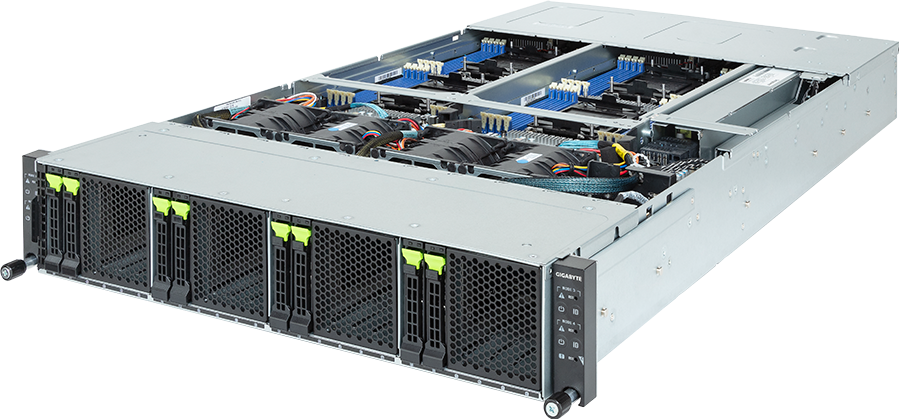
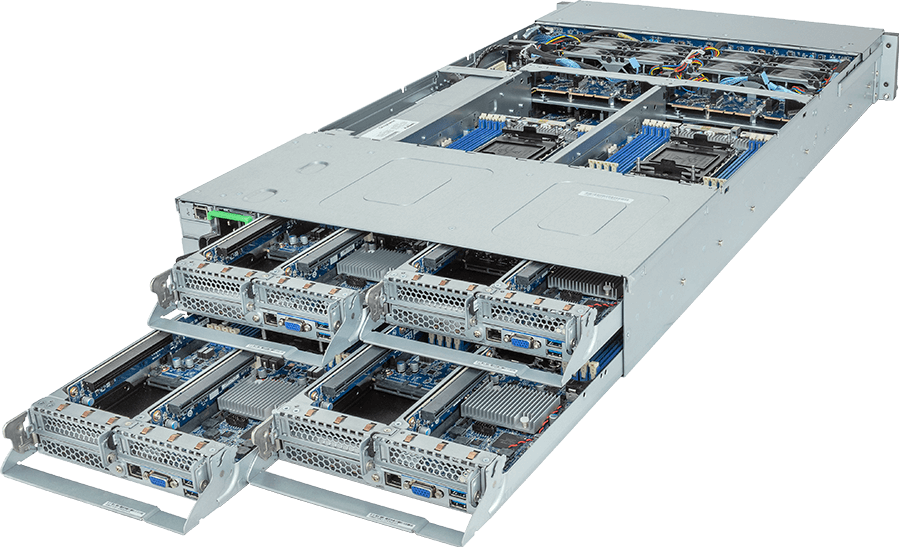
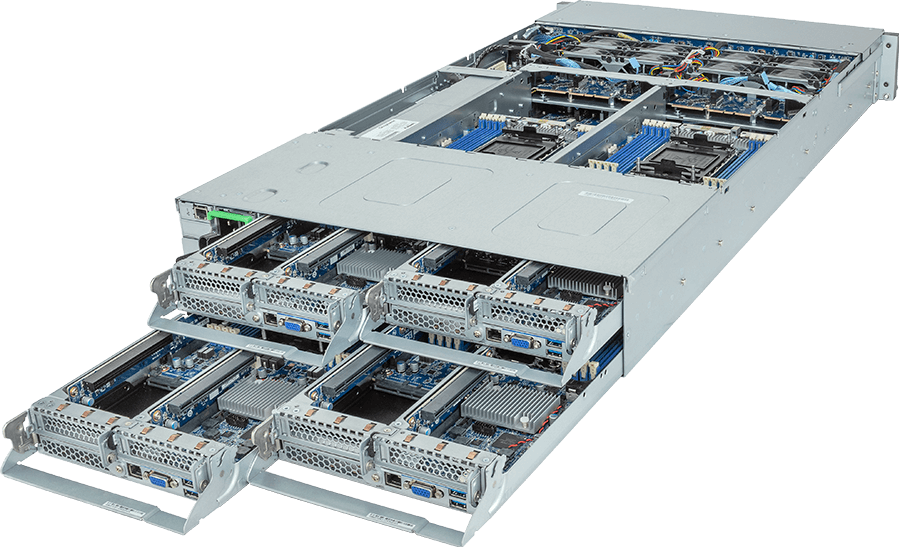
Los puertos LAN son un componente esencial de las soluciones de servidor de GIGABYTE. En la mayoría de nuestros productos de servidor más populares, como nuestros servidores de alta densidad de la serie H o servidores de almacenamiento de la serie S, los puertos LAN están ubicados en la parte posterior del chasis. Sin embargo, los servidores perimetrales de la serie E de GIGABYTE cuentan con puertos LAN en la parte frontal del chasis, lo que facilita el acceso a ellos en los espacios reducidos que suelen encontrarse en la computación perimetral. Estos puertos admiten una velocidad máxima de transferencia de 10 Gbps, y los múltiples puertos LAN pueden utilizarse para realizar diversas funciones, como admitir máquinas virtuales independientes, lograr redundancia, etc.