HPC (High Performance Computing)
Hochleistungsrechnen
Was ist Hochleistungsrechnen (HPC)?
Der Begriff HPC steht für Hochleistungsrechnen (High Performance Computing) und bezeichnet die Fähigkeit, Daten zu verarbeiten und Berechnungen mit sehr hoher Geschwindigkeit durchzuführen. Dies gilt insbesondere für Systeme, die mehr als eine Billion Gleitkommaoperationen pro Sekunde ausführen können (TeraFLOPS). Die leistungsfähigsten Supercomputer von heute arbeiten im PetaFLOPS-Bereich (Billiarden Operationen pro Sekunde). Der nächste Meilenstein ist das Exascale-Computing, das mehr als eine Trillion Operationen pro Sekunde erreicht (ExaFLOPS).
Mehr erfahren: 《Was ist HPC? Ein technischer Leitfaden von GIGABYTE》
Mehr erfahren: 《Was ist HPC? Ein technischer Leitfaden von GIGABYTE》
Wie funktioniert Hochleistungsrechnen?
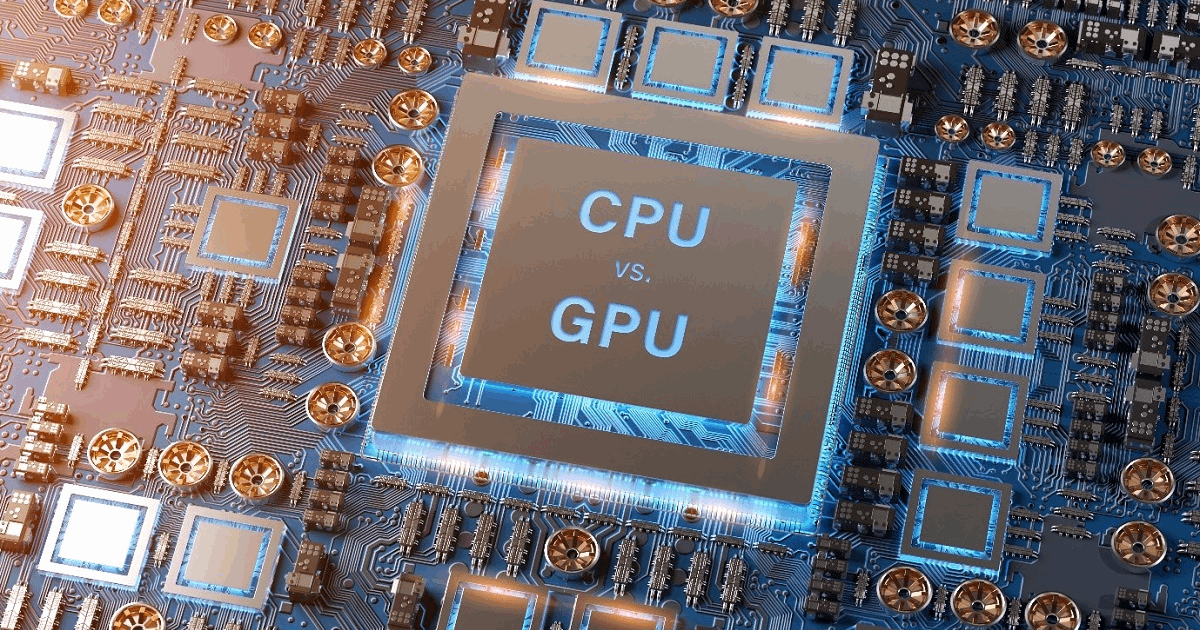
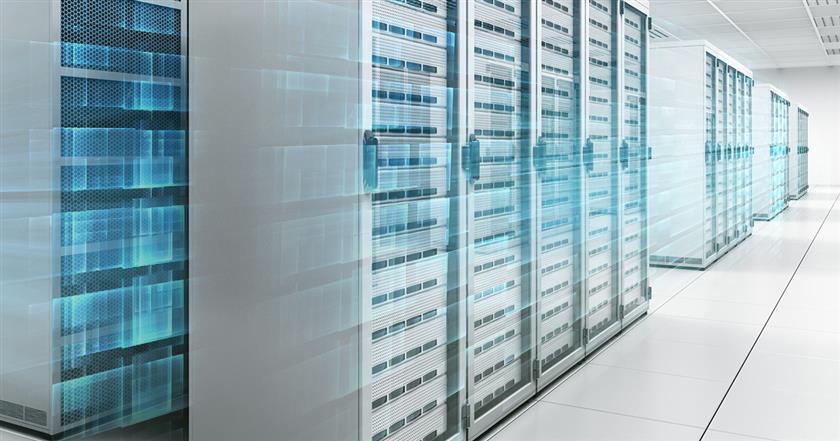
Um dieses Leistungsniveau zu erreichen, ist paralleles Rechnen über mehrere CPUs oder GPUs hinweg erforderlich. Eine gängige Form von Hochleistungsrechnen sind Rechencluster. Dabei wird die Rechenleistung mehrerer Computer, die als „Knoten“ bezeichnet werden, zu einer leistungsfähigen Einheit gebündelt. Ein Cluster kann eine deutlich höhere Leistung als ein einzelner Computer bereitstellen, da die einzelnen Knoten zusammenarbeiten, um Probleme zu lösen, die ein einzelner Computer nicht ohne Weiteres bewältigen könnte.
Warum ist Hochleistungsrechnen wichtig? Einsatzmöglichkeiten des Hochleistungsrechnens
Die Nutzung von Hochleistungsrechnen in Ihrem Unternehmen ist wichtig – unabhängig davon, ob dies über einen Rechencluster oder einen leistungsstarken Mainframe-Computer erfolgt. Hochleistungsrechnen kann Probleme in Wissenschaft, Technik und Wirtschaft lösen. Es steigert die Effizienz, erhöht die Verfügbarkeit, verbessert die Skalierbarkeit und verkürzt die Zeit zur Erledigung von Aufgaben erheblich. Beispiele sind:
Wissenschaft: Wissenschaftler an Universitäten und Forschungseinrichtungen nutzen Hochleistungsrechnen, um die Entstehung unseres Universums zu verstehen, in der Teilchenphysik zu forschen oder Klima- und Wetterverläufe zu simulieren und vorherzusagen.
Medien und Unterhaltung: HPC-Lösungen wie Renderfarmen können zum Rendern von Animationen und Spezialeffekten, zum Bearbeiten von Spielfilmen oder zum weltweiten Livestreaming besonderer Veranstaltungen eingesetzt werden.
Künstliche Intelligenz: Ein derzeit besonders beliebtes Teilgebiet des Hochleistungsrechnens ist Machine Learning. Es wird zur Entwicklung einer Vielzahl von Anwendungen der künstlichen Intelligenz eingesetzt, etwa generative KI, autonome Fahrzeuge, Gesichtserkennung, Spracherkennung und -übersetzung oder Drohnentechnologie.
Öl und Gas: Hochleistungsrechnen wird zur Verarbeitung von Daten wie Satellitenbildern und Sonarmessungen des Meeresbodens eingesetzt, um potenzielle neue Öl- oder Gasvorkommen zu identifizieren.
Finanzdienstleistungen: Hochleistungsrechnen wird genutzt, um Börsentrends zu verfolgen und algorithmischen Handel umzusetzen oder Muster zu analysieren und betrügerische Aktivitäten zu erkennen.
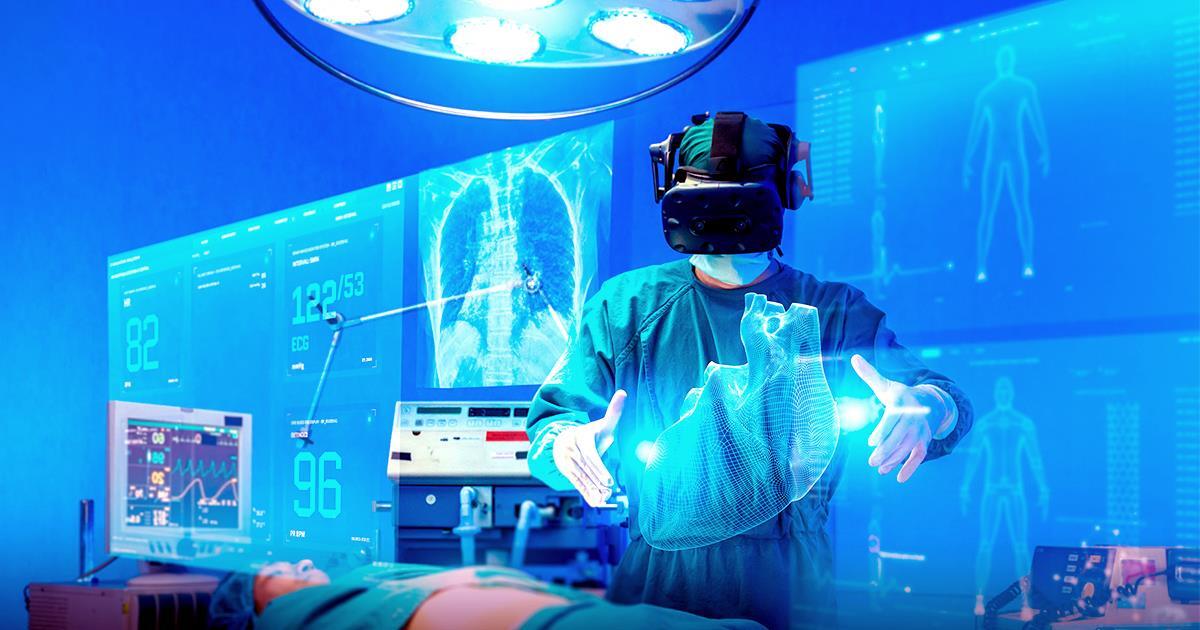
Medizin: Hochleistungsrechnen unterstützt die Entwicklung von Heilmitteln für Krankheiten wie Diabetes und ermöglicht schnellere und genauere Diagnoseverfahren, beispielsweise zur Krebsvorsorge.
Wissenschaft: Wissenschaftler an Universitäten und Forschungseinrichtungen nutzen Hochleistungsrechnen, um die Entstehung unseres Universums zu verstehen, in der Teilchenphysik zu forschen oder Klima- und Wetterverläufe zu simulieren und vorherzusagen.
Medien und Unterhaltung: HPC-Lösungen wie Renderfarmen können zum Rendern von Animationen und Spezialeffekten, zum Bearbeiten von Spielfilmen oder zum weltweiten Livestreaming besonderer Veranstaltungen eingesetzt werden.
Künstliche Intelligenz: Ein derzeit besonders beliebtes Teilgebiet des Hochleistungsrechnens ist Machine Learning. Es wird zur Entwicklung einer Vielzahl von Anwendungen der künstlichen Intelligenz eingesetzt, etwa generative KI, autonome Fahrzeuge, Gesichtserkennung, Spracherkennung und -übersetzung oder Drohnentechnologie.
Öl und Gas: Hochleistungsrechnen wird zur Verarbeitung von Daten wie Satellitenbildern und Sonarmessungen des Meeresbodens eingesetzt, um potenzielle neue Öl- oder Gasvorkommen zu identifizieren.
Finanzdienstleistungen: Hochleistungsrechnen wird genutzt, um Börsentrends zu verfolgen und algorithmischen Handel umzusetzen oder Muster zu analysieren und betrügerische Aktivitäten zu erkennen.
Medizin: Hochleistungsrechnen unterstützt die Entwicklung von Heilmitteln für Krankheiten wie Diabetes und ermöglicht schnellere und genauere Diagnoseverfahren, beispielsweise zur Krebsvorsorge.
Wie unterstützt GIGABYTE?
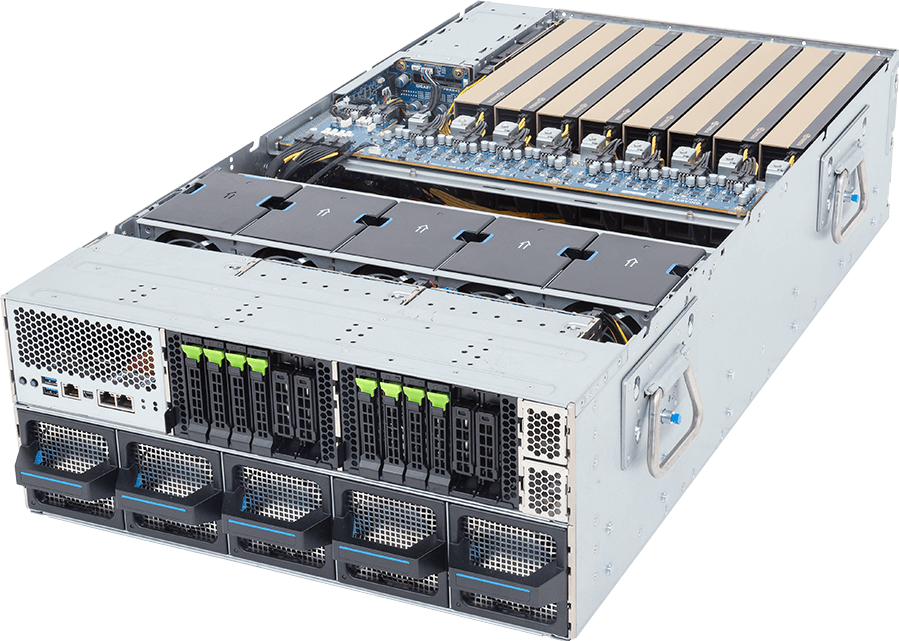
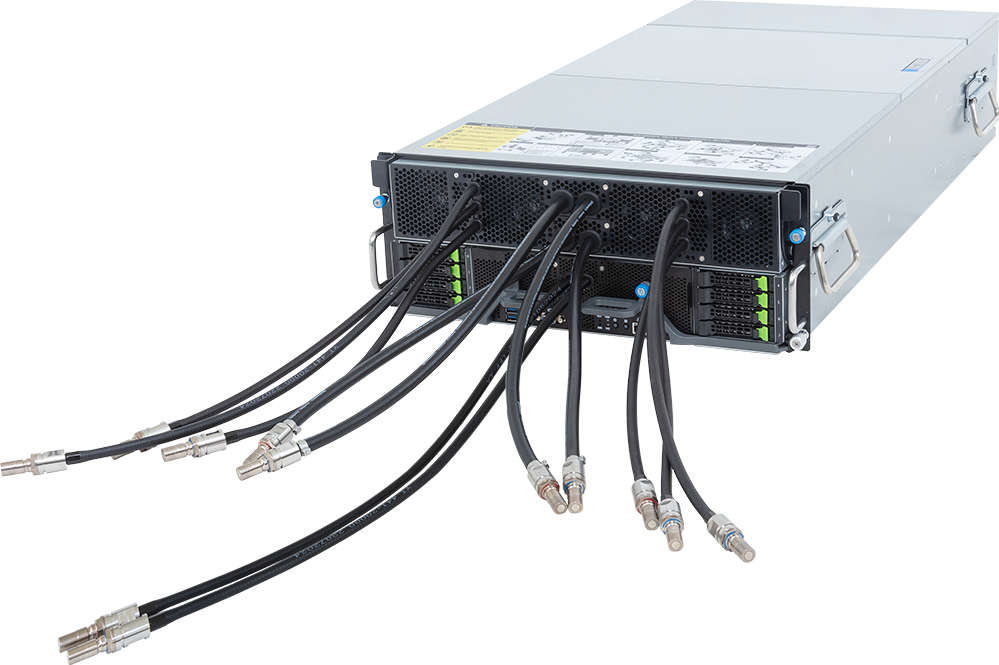
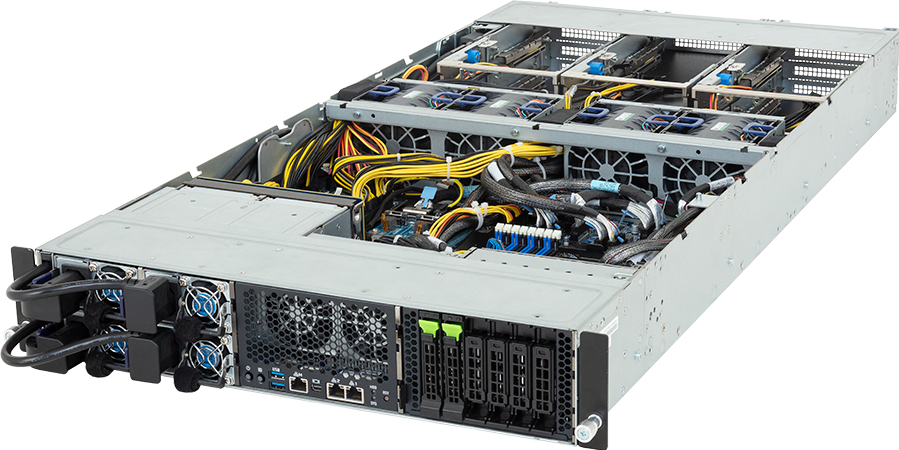
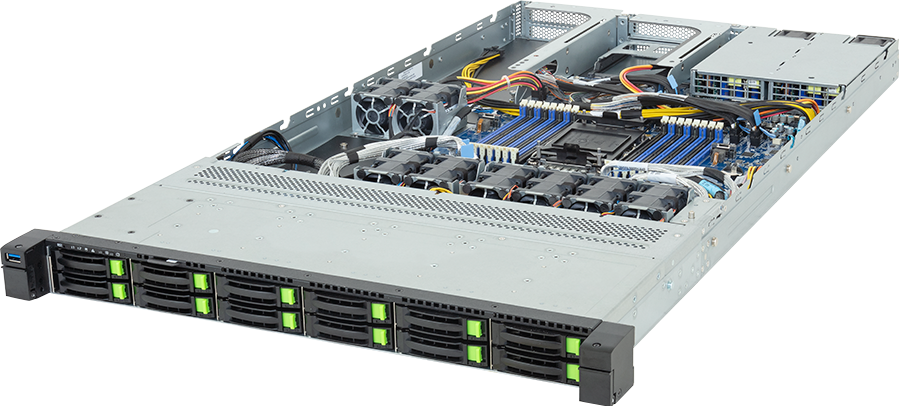
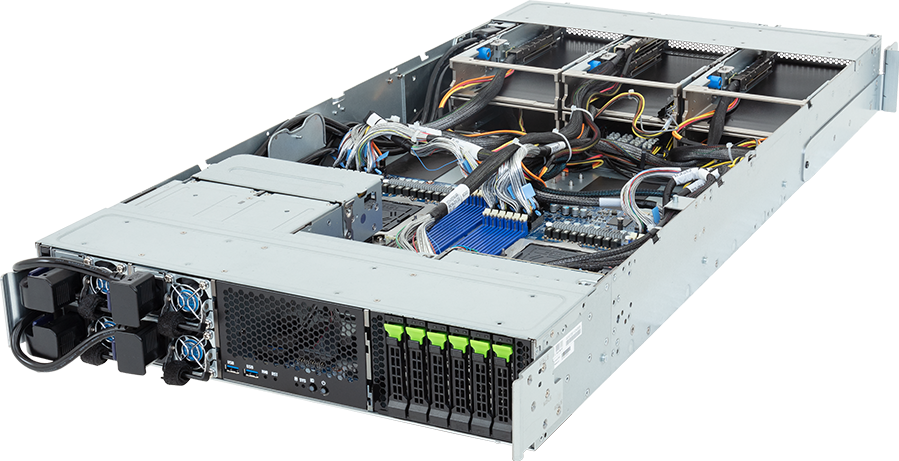
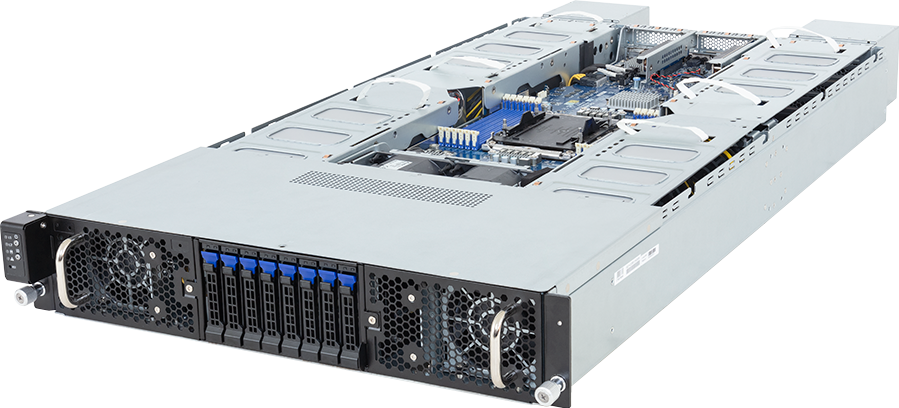
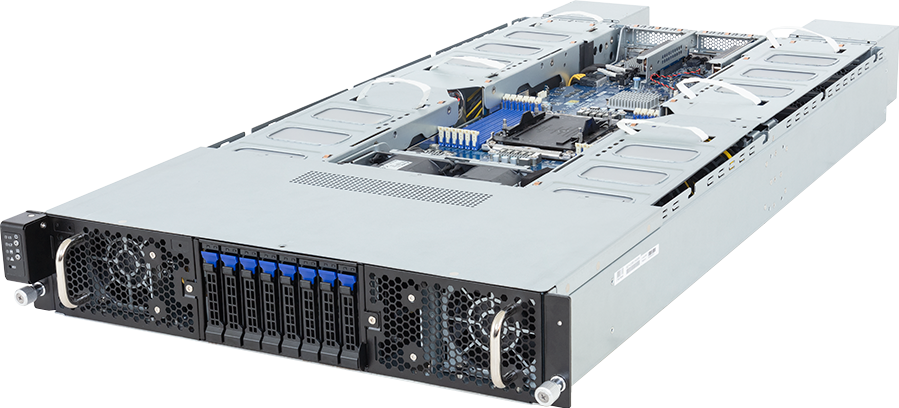
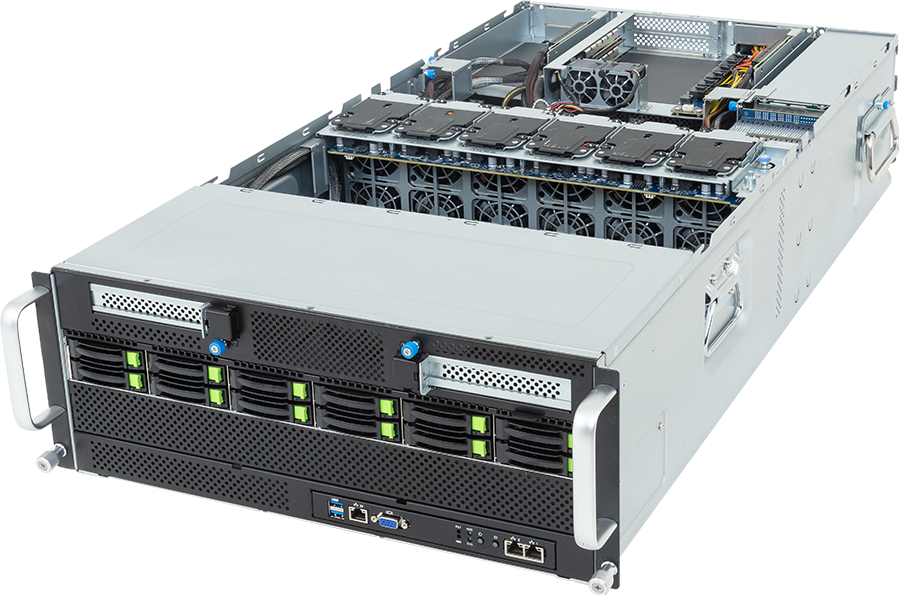
GIGABYTE Technology bietet ein umfassendes Portfolio an HPC-Servern. Dazu gehören H-Series High-Density-Server, G-Series-GPU-Server, R-Series-Rack-Server und weitere Modelle. Diese Lösungen eignen sich optimal für Anwendungen im Hochleistungsrechnen, da sie eine beeindruckende Rechenleistung in Gehäusen mit Bauhöhen von 1U bis 5U bereitstellen. Die Server lassen sich über Interconnects wie Ethernet, InfiniBand oder Omni-Path zu einem Cluster verbinden.
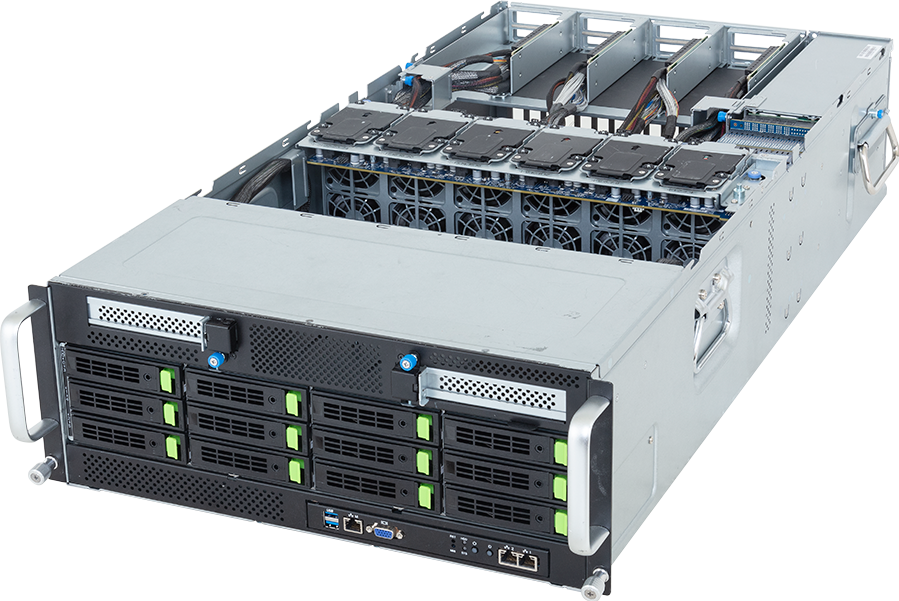
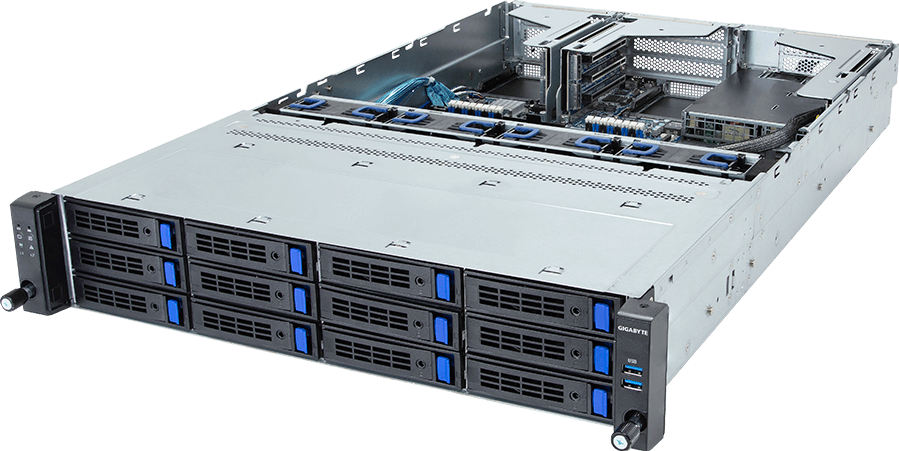
Ein Beispiel für die HPC-Serverlösung von GIGABYTE ist die H263-Serie, die NVIDIA Grace Superchip oder die Grace-Hopper-Architektur unterstützt. Die G593-Serie integriert NVIDIA HGX H100 8-GPU, eines der leistungsstärksten Rechenmodule der Welt, und bildet damit eine fortschrittliche Serverlösung für das KI-Training. Die universell einsetzbare R263-Serie wird von den neuesten AMD EPYC™ 9004- oder Intel® Xeon®-CPUs der 4. Generation angetrieben und kann für verschiedenste Aufgaben nach Wahl des Kunden eingesetzt werden.
Ein Beispiel für die HPC-Serverlösung von GIGABYTE ist die H263-Serie, die NVIDIA Grace Superchip oder die Grace-Hopper-Architektur unterstützt. Die G593-Serie integriert NVIDIA HGX H100 8-GPU, eines der leistungsstärksten Rechenmodule der Welt, und bildet damit eine fortschrittliche Serverlösung für das KI-Training. Die universell einsetzbare R263-Serie wird von den neuesten AMD EPYC™ 9004- oder Intel® Xeon®-CPUs der 4. Generation angetrieben und kann für verschiedenste Aufgaben nach Wahl des Kunden eingesetzt werden.