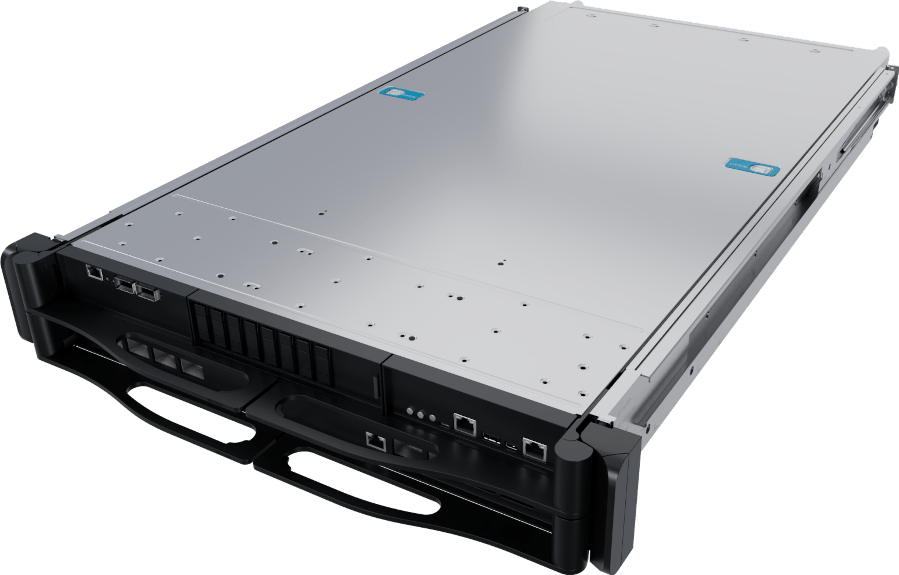
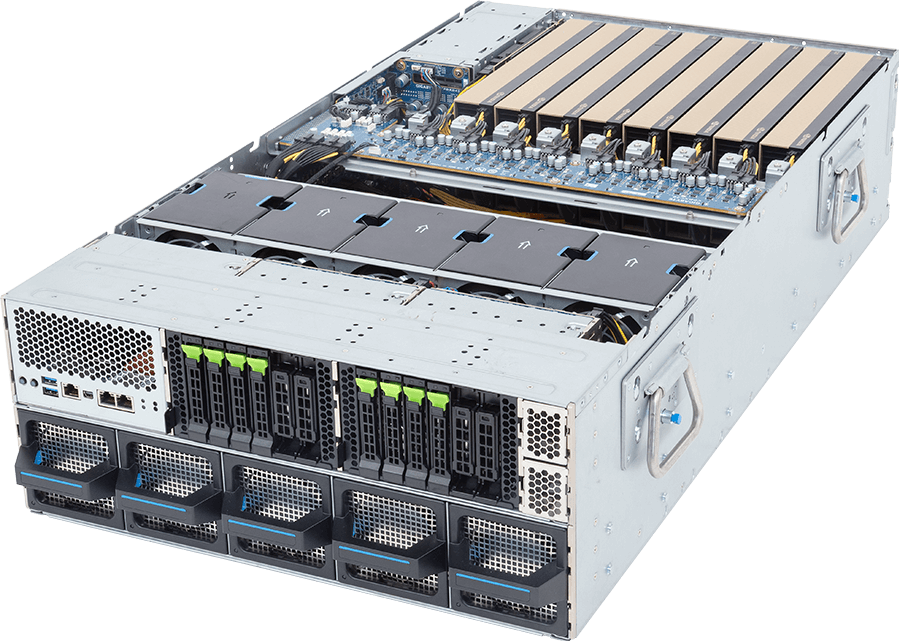
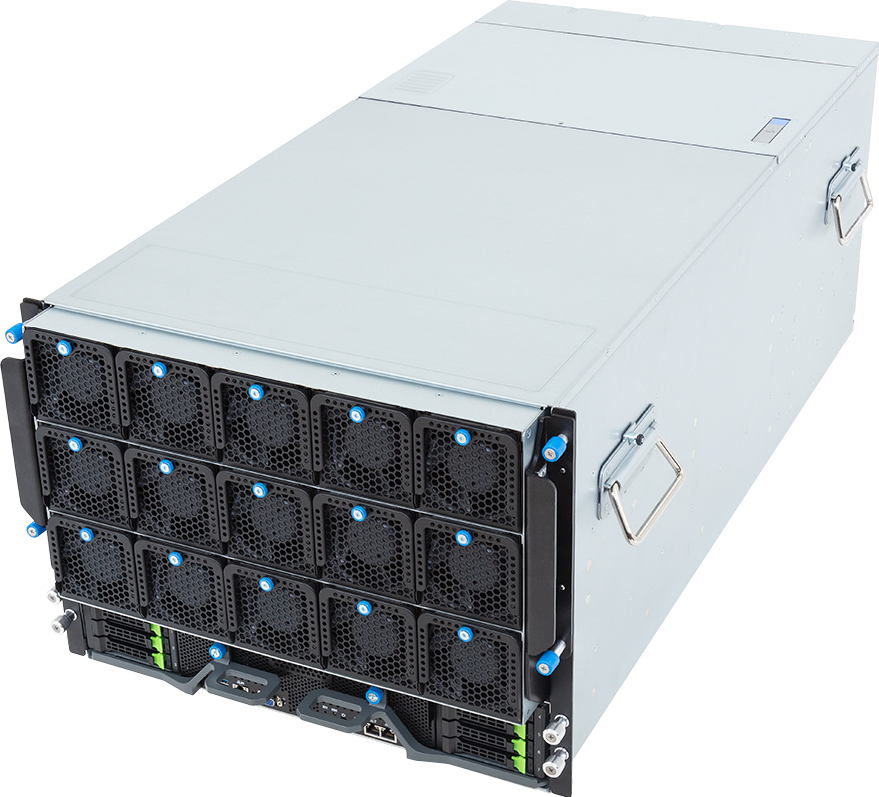
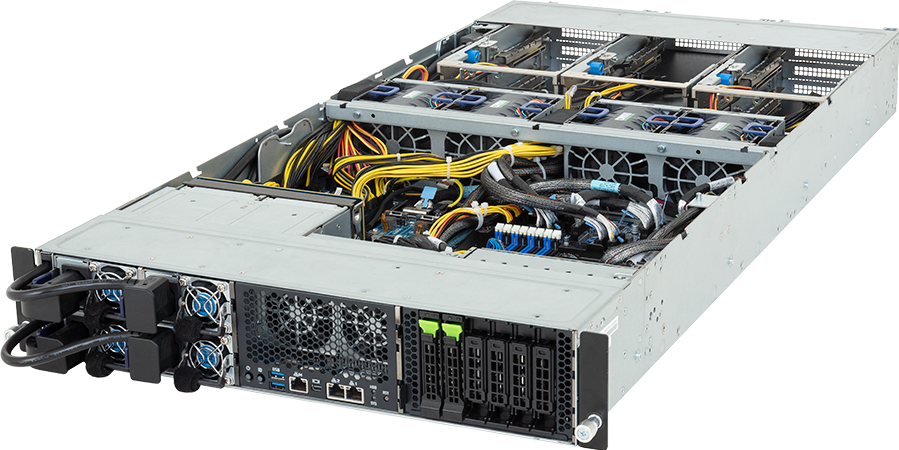
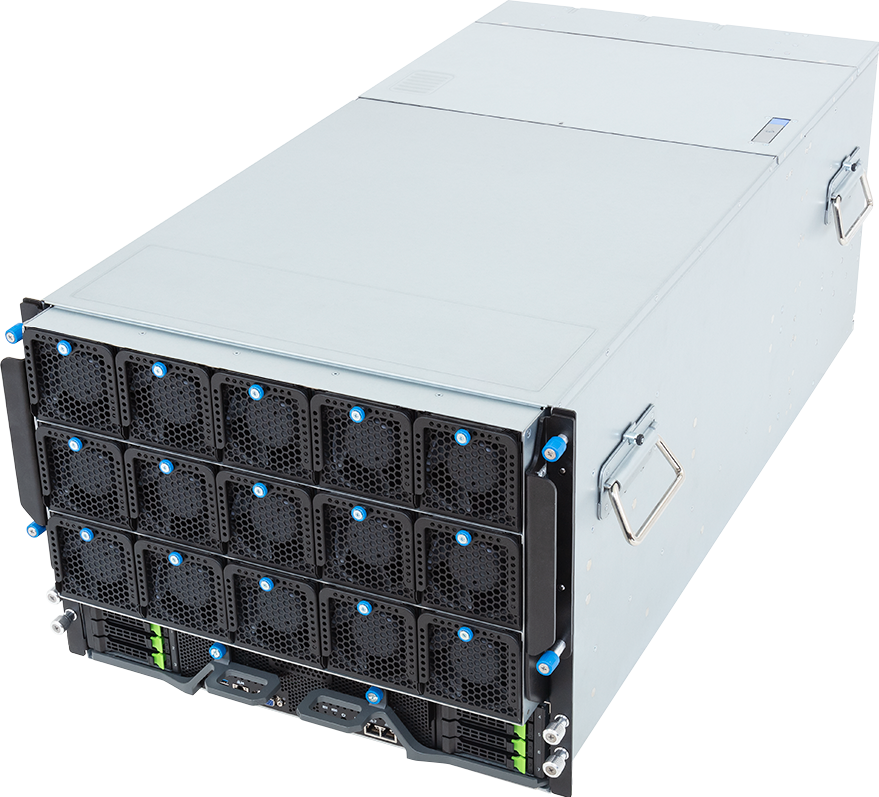
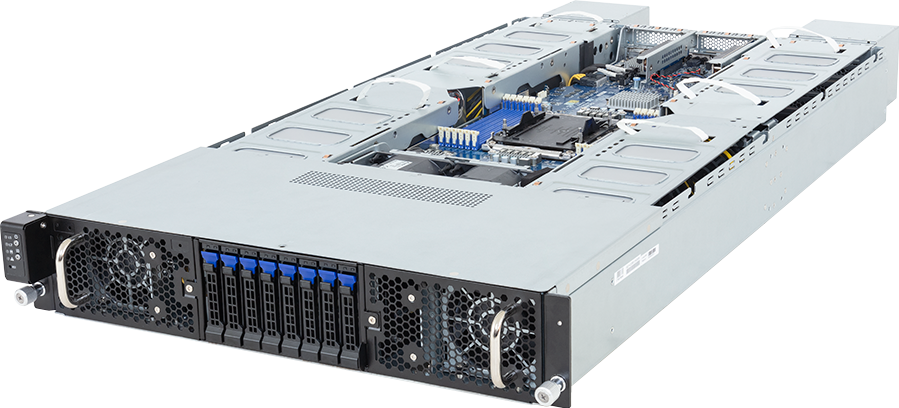
AI Server
What Is an AI Server?
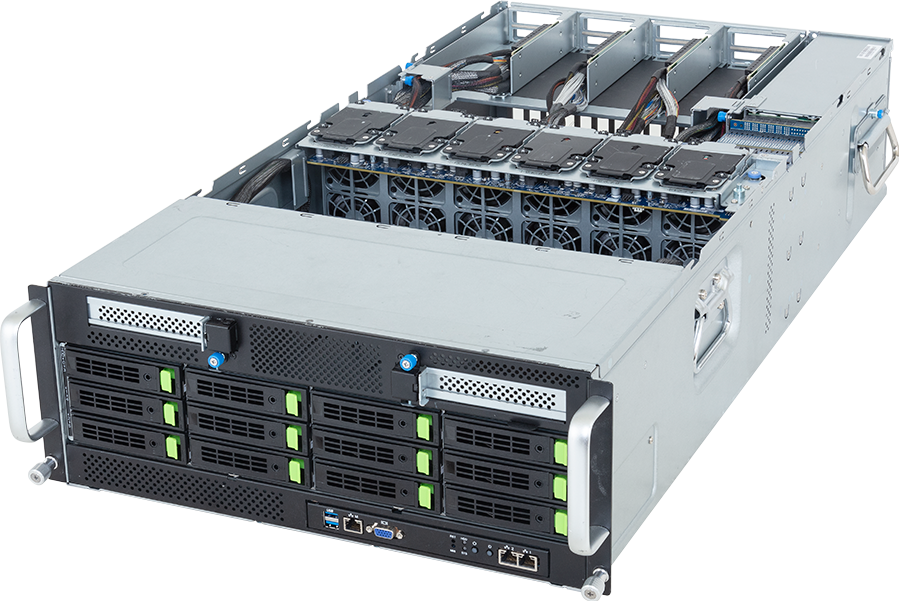
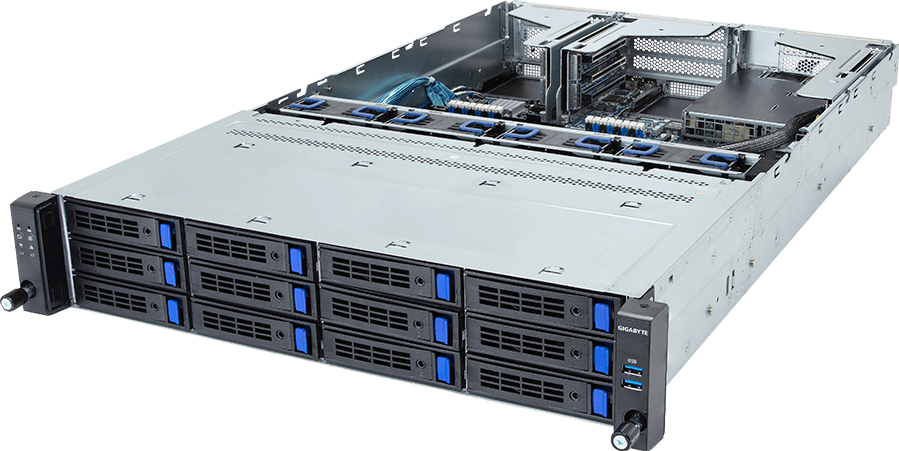
An AI server is a computing system designed specifically for artificial intelligence (AI) workloads, including machine learning, deep learning, model training, and inference. Compared with traditional servers that primarily support general-purpose computing, AI servers integrate CPUs, GPUs or other AI accelerators, memory, storage, and networking resources according to different workload requirements, enabling the high-performance computing and large-scale data processing required by AI applications.
As generative AI, agentic AI, and physical AI continue to advance rapidly, AI servers have become an essential computing foundation for AI model development, deployment, and large-scale adoption.
How Do AI Servers Work?
AI servers process data and execute AI models through the coordinated operation of hardware and software. A typical workflow begins with data access and preprocessing, followed by model computation performed by CPUs, GPUs, or other AI accelerators. Data is transferred among memory, storage, accelerators, and networking resources to ensure that computing tasks can be executed efficiently.
Depending on the AI workload, model computation can generally be divided into two main stages:
- AI Training: Large volumes of data are processed repeatedly while model parameters are continuously adjusted, allowing the model to learn patterns and features from the data. Fine-tuning further adapts an existing pre-trained model using task-specific or domain-specific data.
- AI Inference: A trained model processes new input data to generate predictions, classifications, or generated outputs according to the requirements of the application.
When the computing resources of a single server are insufficient for a workload, multiple AI servers can be connected through high-speed networks to form a computing cluster. This allows workloads to be distributed across multiple systems and increases overall processing capacity, supporting larger AI models and applications.
What Are the Core Components of an AI Server?
AI servers consist of multiple hardware components that work together to meet the computing and data-processing requirements of different AI workloads.
- Central Processing Unit (CPU)
The CPU handles general-purpose computing, system management, data preprocessing, and workload coordination. CPUs can also perform certain AI computations, particularly for workloads that do not require dedicated accelerators.
- Graphics Processing Units (GPUs) and AI Accelerators
GPUs provide highly parallel computing capabilities that accelerate the large-scale mathematical operations required for deep learning, making them widely used in AI servers. Depending on the AI model, software environment, and performance requirements, systems may also incorporate other dedicated AI accelerators to improve the efficiency of specific workloads.
- Memory
System memory (RAM) provides the data and instructions required by CPUs during computation, while dedicated memory on GPUs or other accelerators stores model parameters and intermediate data generated during processing. Memory capacity and bandwidth are important factors that affect how efficiently AI servers can process large models and datasets.
- Storage
High-speed storage devices such as NVMe SSDs can accelerate access to AI training datasets. Sufficient storage throughput helps reduce data-access latency and prevents storage performance from becoming a bottleneck in the overall AI computing workflow.
- Networking and High-Speed Interconnects
High-speed interconnect technologies enable data exchange among accelerators within a server, while networking technologies such as Ethernet and InfiniBand can connect multiple servers to form AI computing clusters. Efficient data transfer is especially important for distributed AI training and large-scale inference.
- Power and Cooling
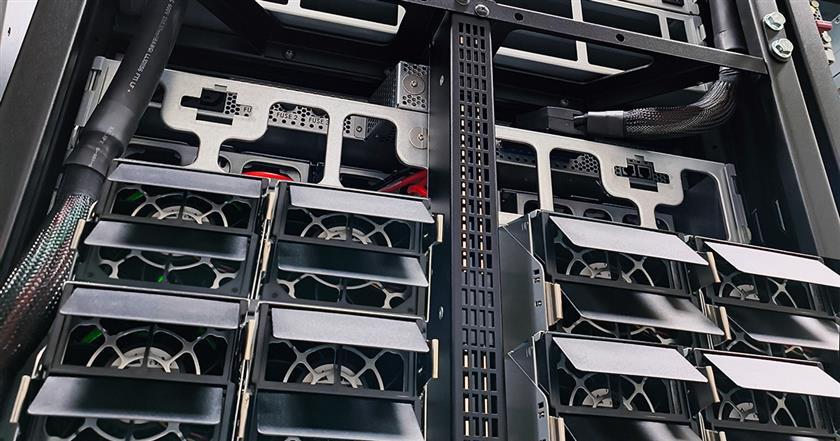
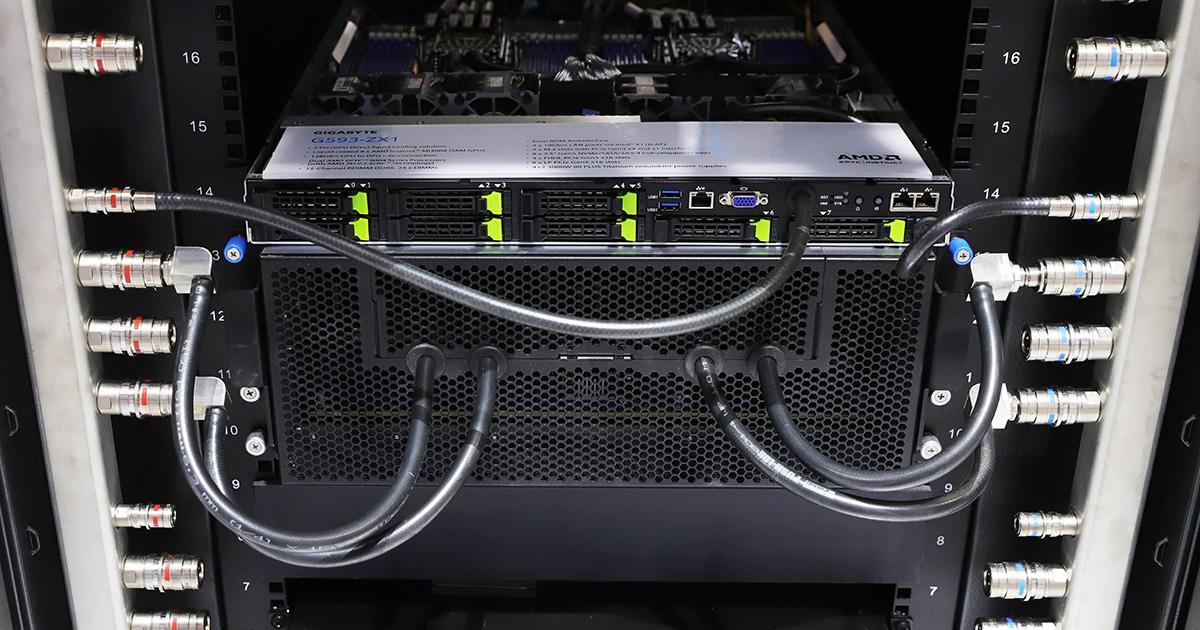
AI workloads often involve sustained, compute-intensive operations, which can result in high power consumption and significant cooling requirements. AI servers therefore need power delivery and thermal designs that are appropriate for their hardware configurations. Depending on compute density and deployment conditions, systems may use high-performance air cooling or liquid cooling to maintain stable operation.
How Are AI Servers Different from Traditional Servers?
Although AI servers and traditional servers share many of the same core hardware components, they differ in their primary workloads and system configuration requirements.
| Comparison | AI Servers | Traditional Servers |
|---|---|---|
| Primary workloads | AI training, inference, and machine learning | Web hosting, databases, virtualization, and enterprise applications |
| Computing architecture | Typically combines CPUs with GPUs or dedicated AI accelerators | Primarily CPU-based, with accelerators added when required |
| Computing requirements | Emphasizes parallel computing performance and high data throughput | Configured for a broad range of general-purpose workloads |
| Memory and networking | May require high memory bandwidth and high-speed accelerator interconnects | Configured according to general application and networking requirements |
| Power and cooling | May require high-density power delivery and advanced cooling designs | Depends on server configuration and workload requirements |
However, the two categories are not mutually exclusive. Traditional servers can also run AI workloads, while AI servers can perform general-purpose computing tasks. The primary difference is that AI servers are configured and optimized specifically for the compute performance, memory bandwidth, and data-transfer efficiency required by artificial intelligence workloads.
What Are AI Servers Used For?
AI servers are widely used across enterprise, manufacturing, healthcare, financial services, and scientific research environments. They help organizations apply artificial intelligence to complex data processing, operational improvement, and the development of new intelligent services.
- Generative AI and Large Language Models
AI servers support generative AI and large language model (LLM) applications such as conversational AI assistants, content generation, enterprise knowledge retrieval, and intelligent customer service, helping organizations build AI services for different business requirements.
- Smart Manufacturing
In manufacturing environments, AI servers can support product defect detection, predictive maintenance, and production process optimization. By analyzing images, sensor data, and equipment operating information, AI can help organizations improve product quality, reduce the risk of unplanned downtime, and increase production efficiency.
- Healthcare AI
AI servers can support applications such as medical image analysis, disease risk prediction, and medical data research. They enable healthcare organizations to process large volumes of data, support clinical decision-making, and improve the efficiency of healthcare services.
- Financial and Business Analytics
Financial institutions and enterprises can use AI servers to analyze transaction records, customer behavior, and market data for applications such as fraud detection, risk assessment, demand forecasting, and personalized recommendations, improving data analysis and decision-making capabilities.
- Scientific Research
In scientific research, AI servers can support molecular modeling, computational biology, materials research, and complex data analysis, helping researchers accelerate data processing, identify meaningful patterns, and improve research efficiency.
How Do You Choose the Right AI Server?
When selecting an AI server, organizations should first identify their actual workloads and application requirements rather than evaluating a system solely based on GPU count or peak computing performance.
Important factors to consider include:
- Workload Type: Determine whether the server will primarily be used for model training, fine-tuning, inference, or a combination of AI workloads.
- Compute and Memory Requirements: Evaluate model size, accelerator performance, available memory capacity, and memory bandwidth.
- Performance Targets: Consider model training time, inference latency, throughput, and the expected number of concurrent users or requests.
- Scalability: Determine whether the workload can be handled by a single server or whether multiple servers need to be connected through high-speed networking to form a computing cluster.
- Power and Cooling: Confirm that the deployment environment can provide sufficient power delivery and cooling capacity for the server configuration.
- Software Compatibility: Ensure that the selected hardware supports the required AI frameworks, drivers, and deployment tools.
The right AI server configuration depends on the combination of these factors. For example, a high-performance server optimized for training large AI models may not be the most cost-effective option for deploying inference services based on smaller models.
How Does GIGABYTE Help Enterprises Deploy AI Servers?
GIGABYTE provides a broad portfolio of AI servers and computing platforms designed to support a wide range of AI workloads, from model development and training to large-scale inference and production deployment.
GIGABYTE AI server solutions support multiple GPU and AI accelerator architectures and are available in different system configurations and cooling options, including air-cooled and liquid-cooled designs. This enables organizations to select infrastructure based on their computing requirements, scalability needs, and data center deployment conditions.
Whether organizations are building dedicated AI computing systems or expanding the computing capacity of existing data centers, GIGABYTE provides flexible and scalable platforms designed to support the continued evolution of AI workloads.
Learn more about GIGABYTE AI Servers and AI Solutions to explore computing infrastructure designed for a wide range of AI workloads.