Bare Metal
What Is Bare Metal? Is It a Server or a Cloud?
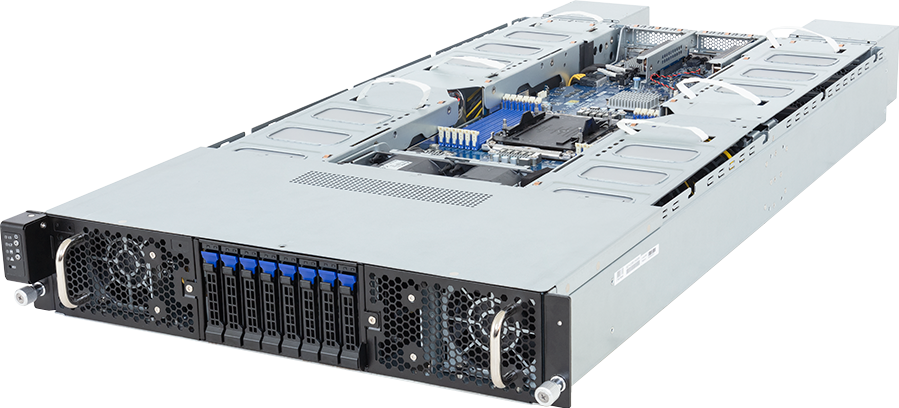
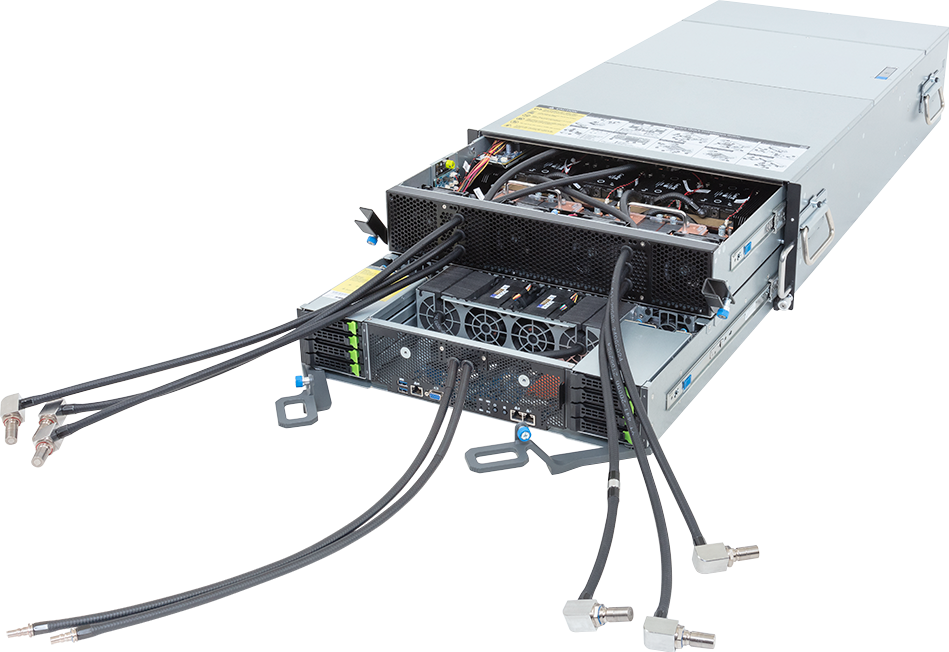
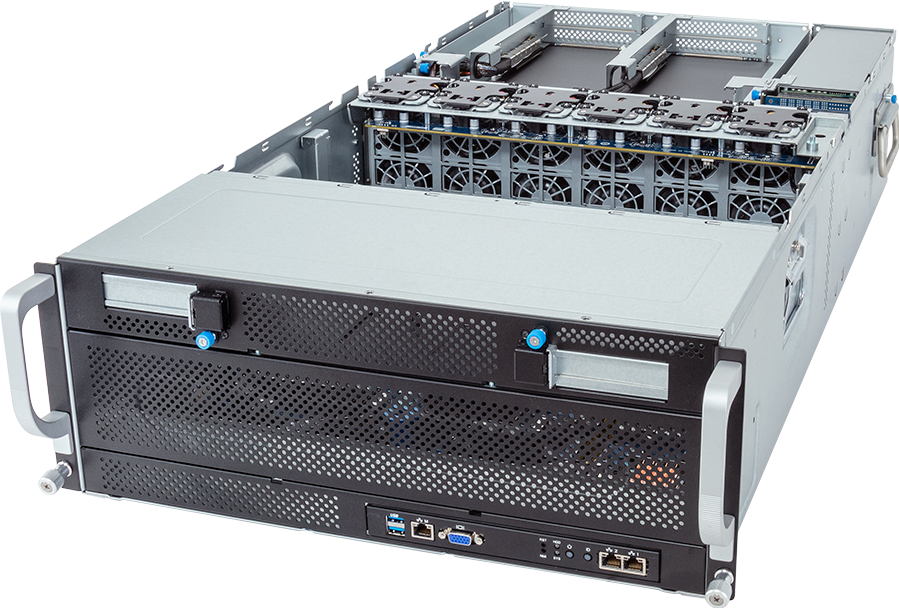
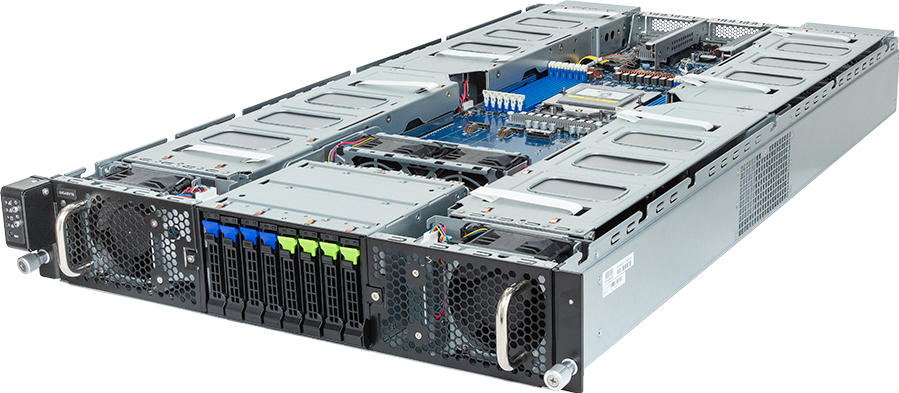
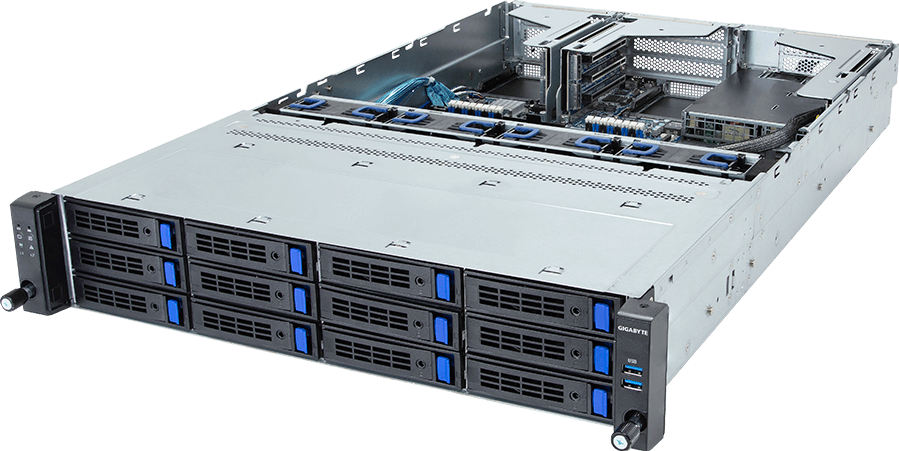
Bare Metal is a computing architecture in which a single user or organization has dedicated access to an entire physical server. CPU, memory, storage and networking resources are not shared with other tenants, and the operating system can run directly on the physical hardware, giving the user full control over system configuration and computing resources.
A Bare Metal server refers to this single-tenant physical server architecture. Bare Metal cloud, or Bare Metal as a Service (BMaaS), delivers dedicated physical servers through a cloud service model. Users can provision an entire server on demand while retaining the deployment and management convenience associated with cloud services.
The defining characteristic of Bare Metal is therefore not whether the server is located on premises or in a cloud data center, but whether the underlying physical hardware is dedicated to a single tenant.
What Are the Benefits of Bare Metal Servers?
The key advantage of Bare Metal is its single-tenant architecture and physical isolation. CPU, memory, storage and network resources are dedicated to one user rather than shared with other tenants.
This helps avoid the “noisy neighbor” effect found in shared environments, where another workload can suddenly consume CPU, memory or I/O resources and affect application performance. For workloads that run continuously at high utilization, require low latency or depend on consistent performance, Bare Metal can provide a more predictable computing environment.
Physical isolation also gives organizations greater control over their infrastructure. Operating systems, firmware, storage, networking and accelerators can be configured according to specific requirements without the restrictions of a shared platform. This is particularly valuable for financial services, telecommunications, government, core enterprise systems and environments with strict data governance or regulatory requirements.
According to IDC research, Bare Metal is a fast-growing category within the public cloud market and plays a critical role in supporting key workloads.
Bare Metal Servers vs. Virtual Machines
Virtual machine (VM) allows multiple virtual environments to share the hardware resources of one physical server. This provides advantages such as rapid deployment, flexible resource allocation and high infrastructure utilization.
A Bare Metal server, by comparison, dedicates the entire physical machine to one user. CPU, memory, storage and networking resources are not shared with other tenants, providing more direct hardware access, clearer resource allocation and more consistent performance.
The two architectures address different requirements. VMs are well suited to rapidly provisioned environments, elastic capacity and large numbers of smaller workloads. Bare Metal is particularly useful when applications require sustained performance, low latency, dedicated hardware or stronger workload isolation.
Common Use Cases for Bare Metal Servers
・AI and High-Performance Computing (HPC)
AI model training, inference and scientific computing often require substantial CPU and GPU resources, high memory bandwidth and fast networking. Bare Metal provides workloads with direct access to these resources and allows GPU, NIC, storage and network configurations to be optimized for specific requirements.
・Databases and Data Analytics
Large databases, real-time analytics and I/O-intensive workloads can benefit from dedicated memory, storage and network resources without contention from other tenants.
・Enterprise and Mission-Critical Applications
Financial transactions, telecommunications, ERP platforms and other core enterprise services often require long-term stability. The physical isolation and dedicated resources of Bare Metal can provide a more predictable computing environment.
・CSP and Neocloud Infrastructure
CSPs and neocloud providers can use Bare Metal to offer dedicated CPU or GPU servers while retaining a cloud-style consumption model. This gives customers access to non-shared hardware resources for demanding AI and HPC workloads.
How Is GIGABYTE Helpful?
Bare Metal performance and reliability depend directly on the physical server. CPU, GPU, memory, storage, networking, power and cooling design therefore have a direct impact on workload performance.
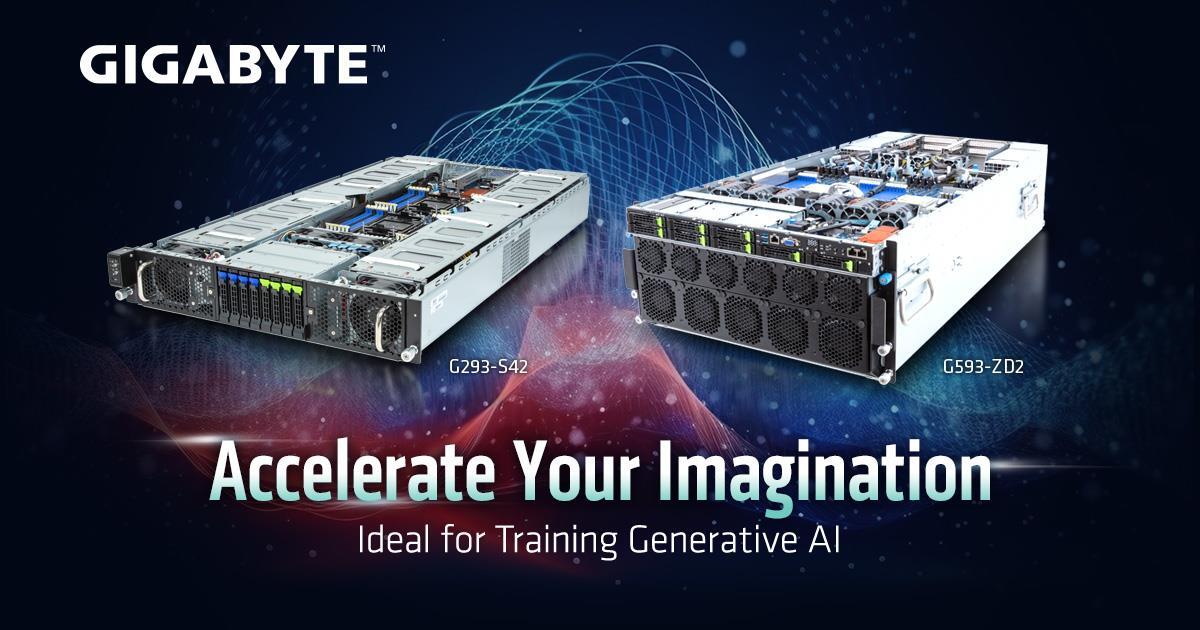
GIGABYTE provides CPU servers based on AMD EPYC, Intel Xeon and Arm architectures, together with high-performance GPU servers powered by NVIDIA GPUs and AMD Instinct accelerators. Enterprises and cloud service providers can select dedicated physical computing platforms according to the requirements of databases, enterprise applications, AI inference, model training and HPC. For demanding AI and HPC workloads, Bare Metal also allows CPU, GPU, high-speed networking and storage resources to be dedicated to a single tenant, reducing performance variability associated with shared infrastructure.
From individual Bare Metal servers to large-scale deployments, GIGABYTE also provides remote hardware monitoring and management capabilities to help users track server health, resource configuration and system lifecycle while maintaining physical workload isolation.