Distributed Computing
What is it?
Distributed computing refers to a model in which different components of a software are run on multiple computers but operate as a single system. For example, every time you search for something through a web browser, your request is actually being handled by different servers in different locations, each preparing its response independent of each other. The results are then aggregated and shown to you on your original device, with you being none the wiser about how many servers had succeeded—or failed—to help you find your results. This is the power of distributed computing: it allows one computer to benefit from the resources of other computers, while preventing the failure of any one computer from jeopardizing the entire assignment.
It should be noted that while distributed computing is the umbrella term encompassing other similar concepts, such as parallel computing and grid computing, the methods are different. Parallel computing implies a much greater level of coordination and resource-sharing between each node, while grid computing tends to be more heterogeneous and involves computers that are only loosely connected. Which form of distributed computing is suitable for you depends largely on the task you need to accomplish.
It should be noted that while distributed computing is the umbrella term encompassing other similar concepts, such as parallel computing and grid computing, the methods are different. Parallel computing implies a much greater level of coordination and resource-sharing between each node, while grid computing tends to be more heterogeneous and involves computers that are only loosely connected. Which form of distributed computing is suitable for you depends largely on the task you need to accomplish.
Why do you need it?
The benefits of distributed computing can best be summed up in that old adage: "don't put all your eggs in one basket." Distributed computing has the advantage of offering cost-effective redundancy, since a large number of smaller computers can work together to achieve a common goal, and the failure of any one computer will not impact the whole. Scalability is also much better when utilizing distributed computing, since new nodes can be added or removed as needed. If parallel computing is employed to direct a large amount of computing resources towards one single goal, this may achieve the level of HPC (high performance computing).
How is GIGABYTE helpful?
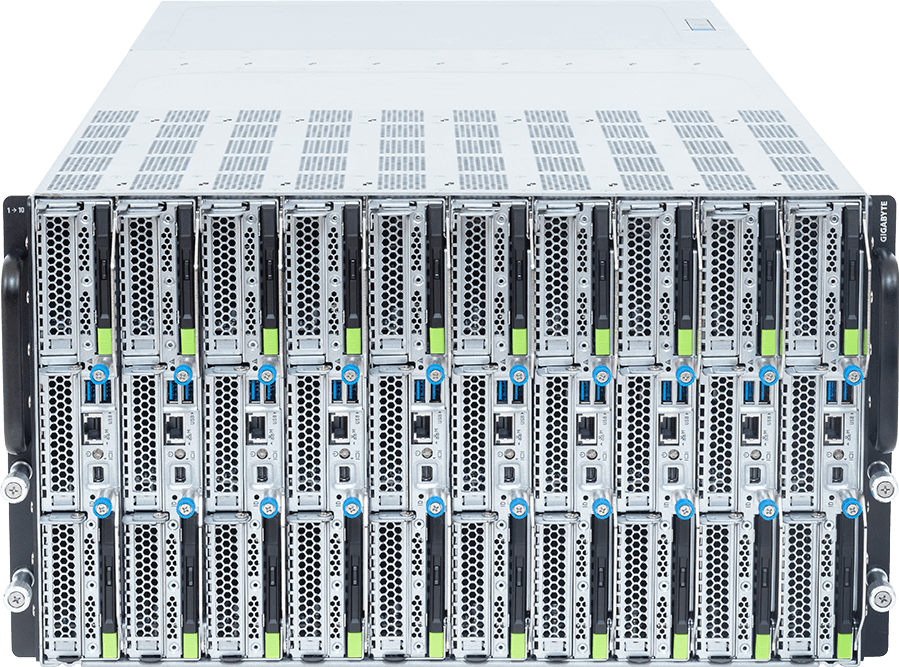
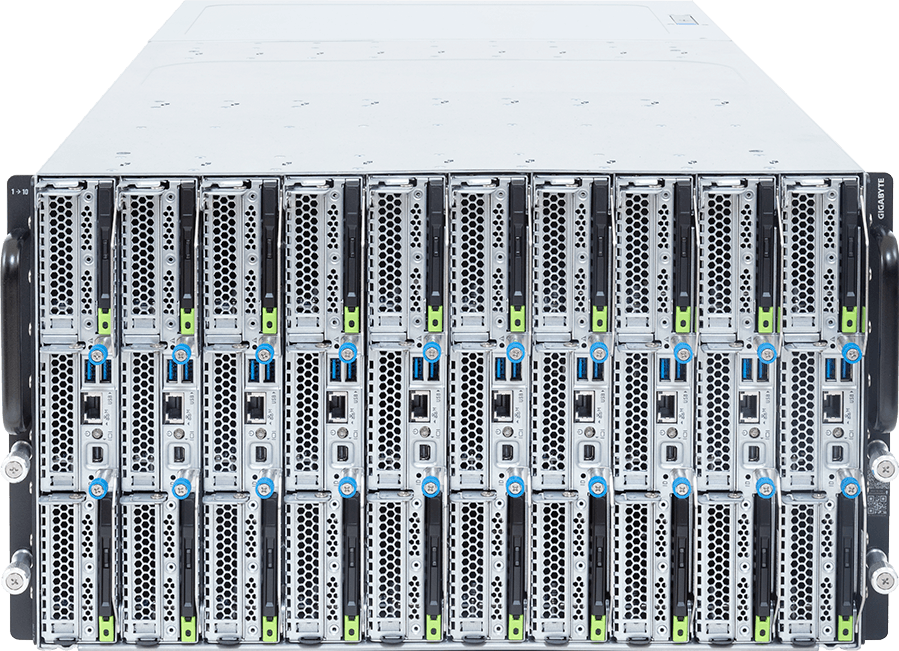
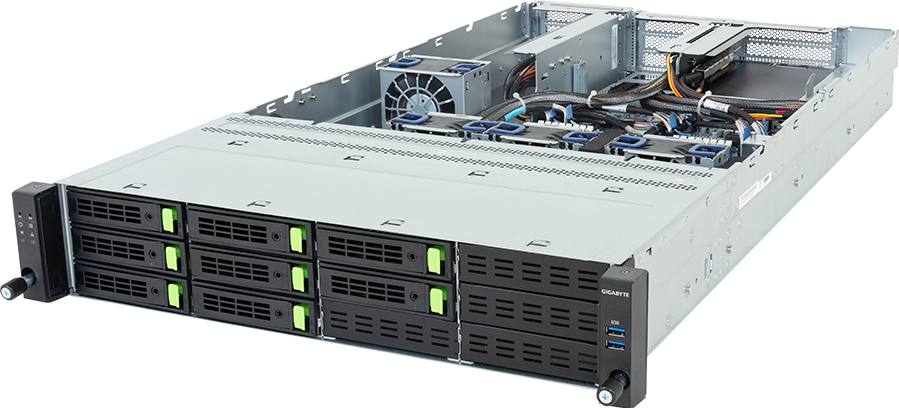
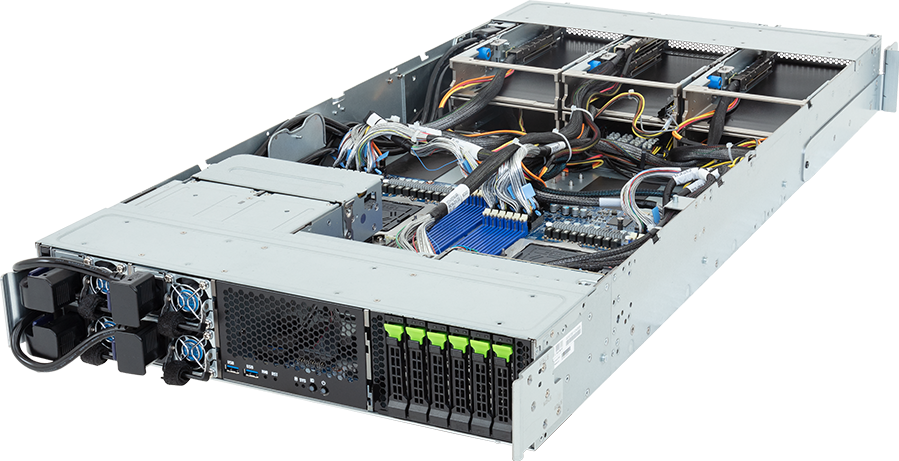
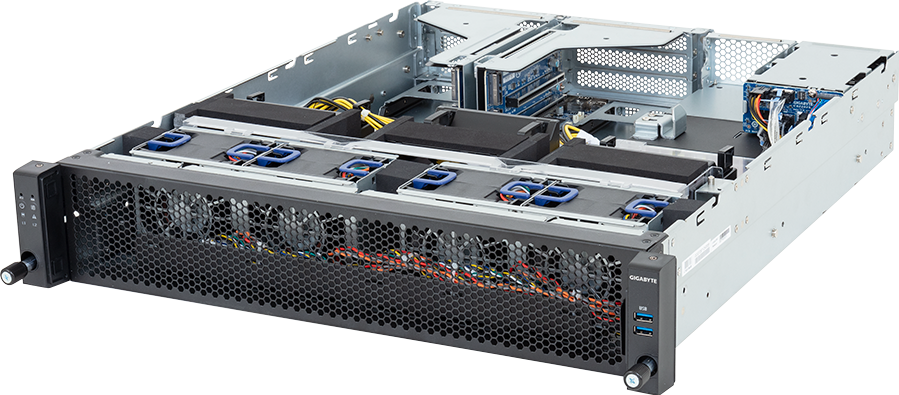
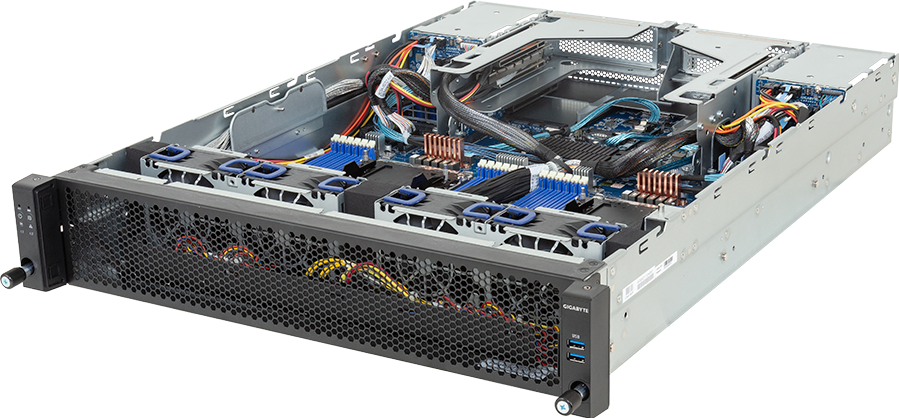
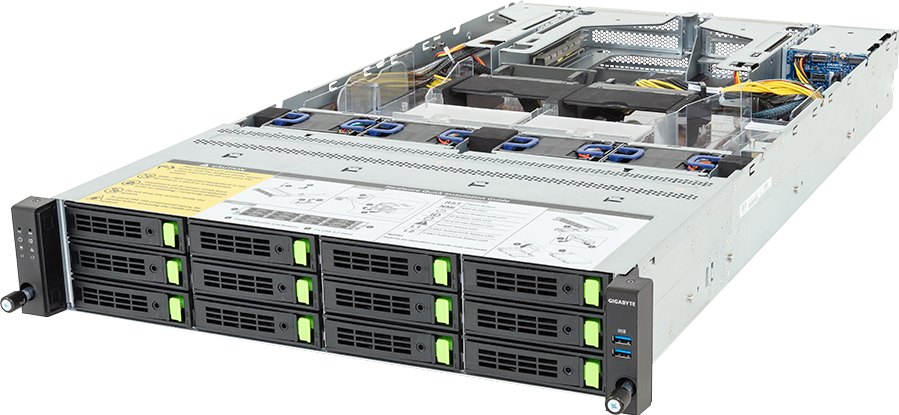
By its very definition, distributed computing relies on a large number of servers serving different functions. This is GIGABYTE's specialty. If you are looking for servers suitable for parallel computing, G-Series GPU Servers may be ideal for you, because they can combine the advantages of CPUs and GPGPUs through heterogeneous computing to achieve superb results. Other noteworthy product lines include the H-Series High Density Servers, which can house a large number of nodes in compact form factors; the R-Series Rack Servers, which are versatile and can help fill the gaps in your distributed computing system; and the S-Series Storage Servers, which are often used in large numbers in the storage node of a computing cluster or server farm. In cloud computing, the distribution of computing tasks between data centers on the cloud and edge computing devices can also be seen as a form of distributed computing. GIGABYTE's solution for this scenario is the E-Series Edge Servers, which was designed to help expand coverage on the periphery of the network.