Digital Twin
What Is a Digital Twin?
A digital twin is a dynamic digital representation of a physical asset, product, process, or system. More than a 3D model, it combines geometry, equipment parameters, sensor data, and simulation models to reflect real-world conditions, analyze changes, predict outcomes, and validate new designs.
Digital twins can represent anything from machines, robotic arms, and production lines to factories and entire data centers. With advances in IoT, AI, GPU-accelerated computing, and technologies such as NVIDIA Omniverse, digital twins have become important tools for design, simulation, and operational optimization.
Digital twins can represent anything from machines, robotic arms, and production lines to factories and entire data centers. With advances in IoT, AI, GPU-accelerated computing, and technologies such as NVIDIA Omniverse, digital twins have become important tools for design, simulation, and operational optimization.
Why Do We Need Digital Twins?
Changes to physical systems can be expensive, disruptive, or risky to test directly. Digital twins allow engineering teams to evaluate different scenarios virtually before applying them in the real world.
Manufacturers can simulate production layouts and machine operations, while data center teams can validate rack layouts, power, cooling, and networking before construction. After deployment, digital twins can also incorporate real-time data for monitoring, analysis, and prediction.
This “simulate first, execute later” approach helps reduce trial-and-error costs, identify bottlenecks earlier, and improve both design and operational efficiency.
According to McKinsey, the global digital twin technology market is expected to grow at an annual rate of around 60% over the next five years, reaching US$73.5 billion by 2027.
How Does Digital Twin Technology Work?
A digital twin typically begins with a digital model of the physical system. CAD, BIM, or 3D assets are combined with equipment specifications, while IoT sensors, control systems, and operational data keep the virtual model aligned with real-world conditions.
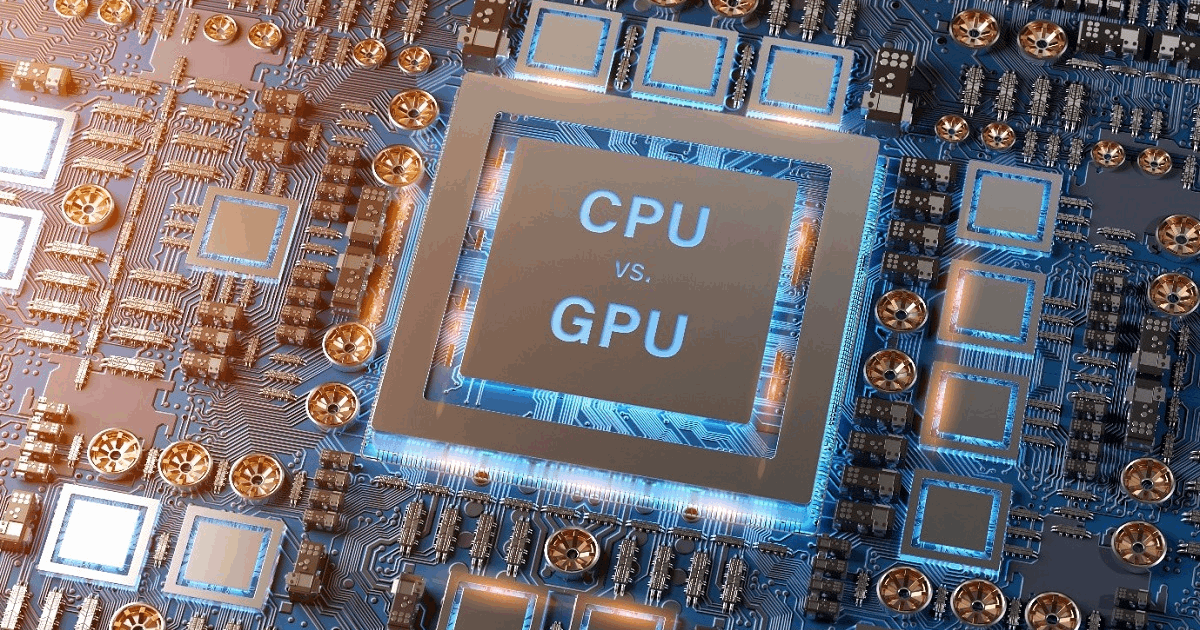
GPUs, HPC systems, and simulation software can then analyze thermal behavior, structures, physical environments, or equipment operation. AI can further identify patterns, predict anomalies, and support what-if analysis. Simulation results can then feed back into real-world design and operations.
What Are the Applications of Digital Twins?
・Smart Manufacturing
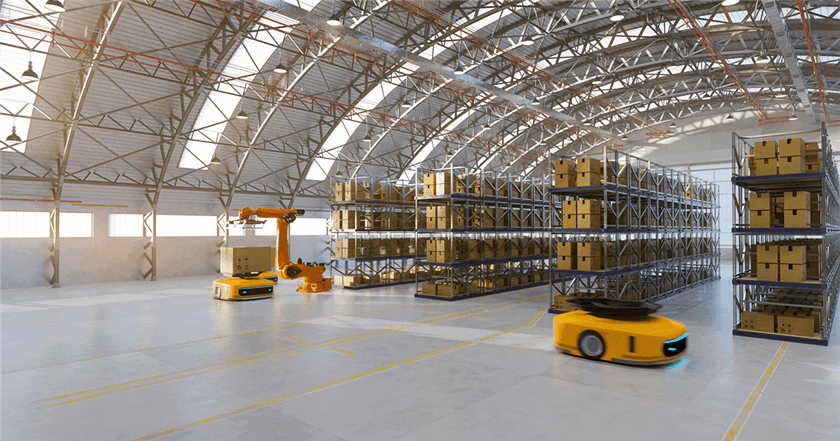
Digital twins can model equipment and production lines to simulate processes, robot movement, and capacity planning while using live data to monitor equipment conditions.
・Data Centers
Digital twins can simulate rack layouts, power, cooling, and network architecture before construction, helping validate designs in advance and supporting performance and capacity analysis after deployment.
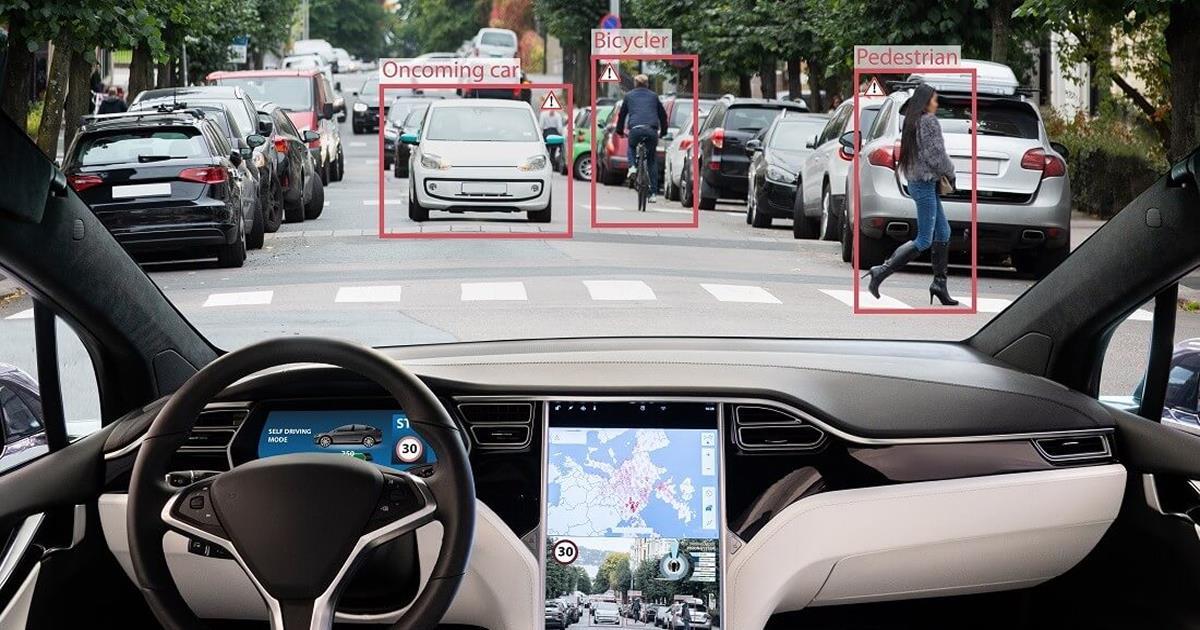
Robots, autonomous vehicles, and other intelligent machines can be trained and validated in virtual environments before being deployed to physical systems through sim-to-real workflows.
How is GIGABYTE helpful?
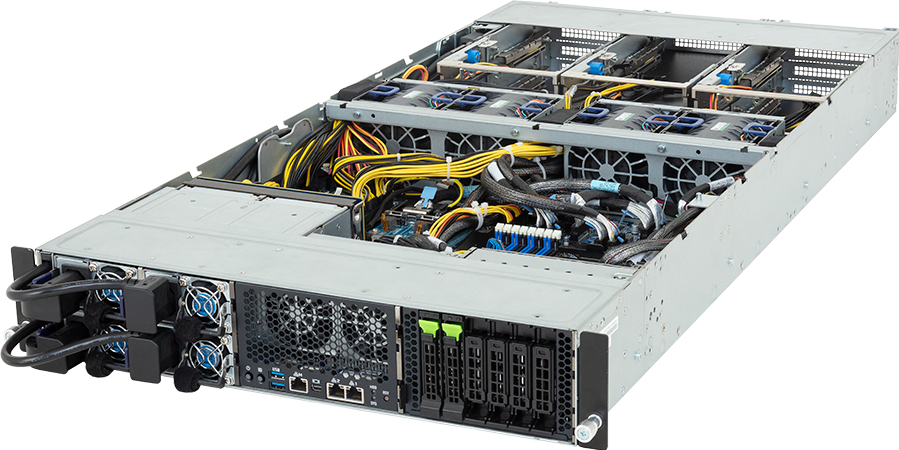
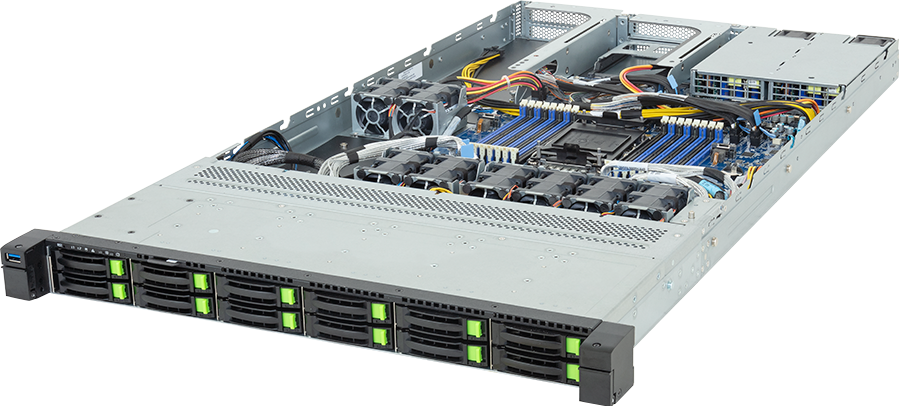
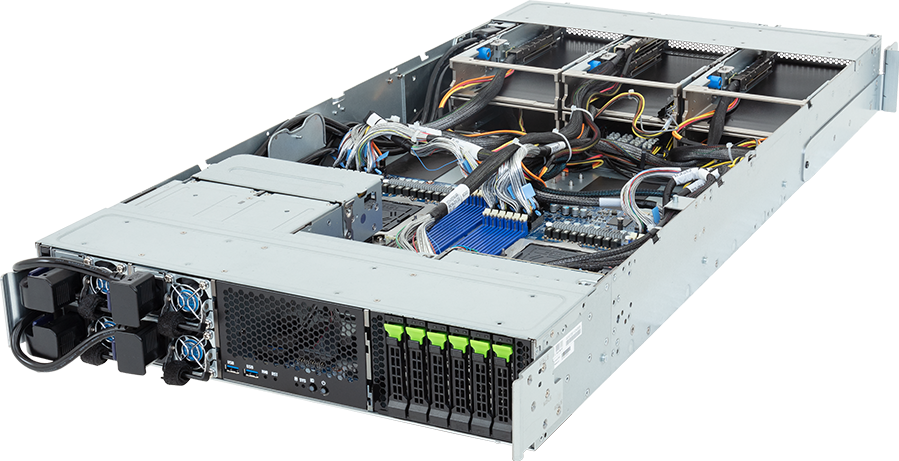
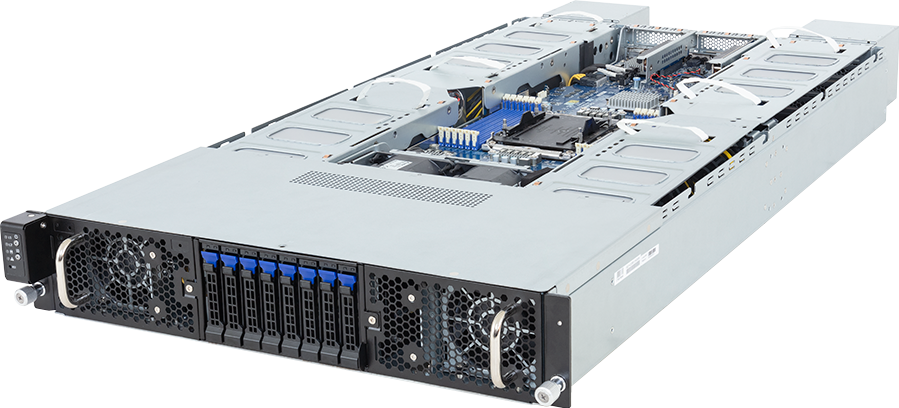
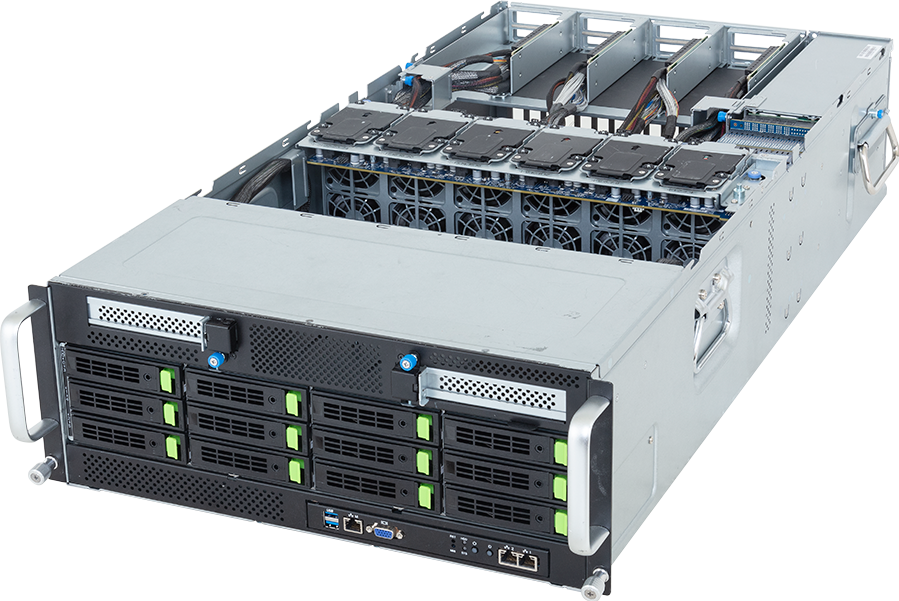
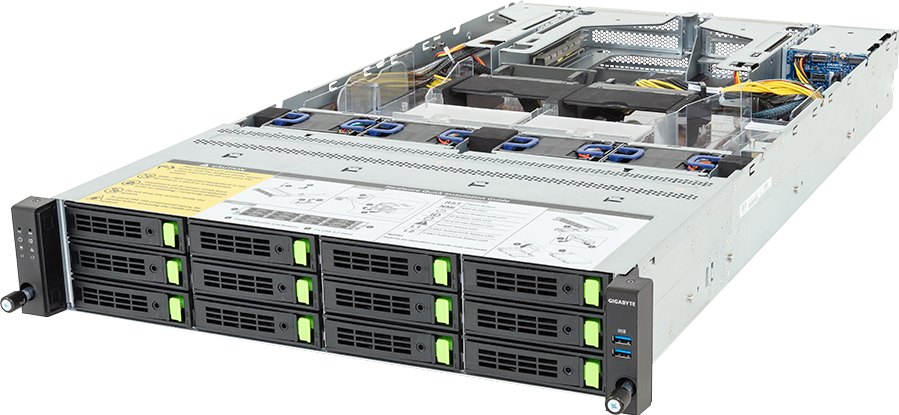
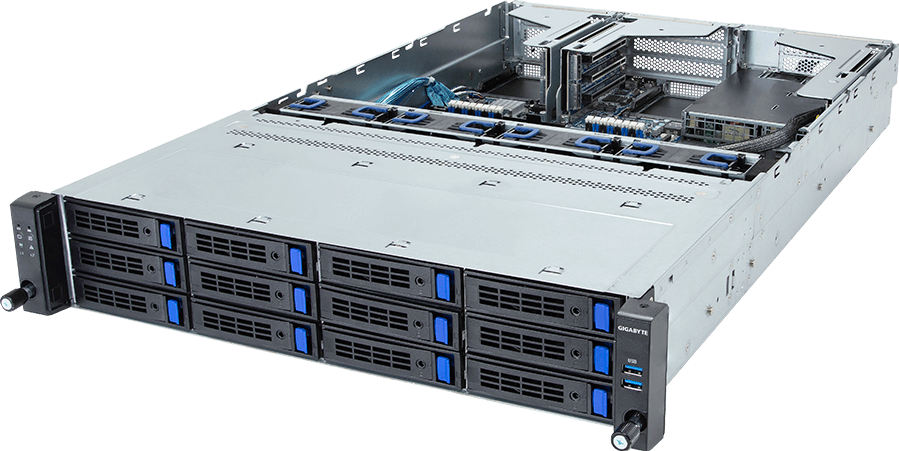
Digital twin workloads require substantial 3D computing, AI, simulation, and data processing capabilities. GIGABYTE provides platforms ranging from professional workstations powered by NVIDIA RTX PRO GPUs to NVIDIA OVX-certified servers, GPU servers, and GIGAPOD for NVIDIA Omniverse visualization, physics-based simulation, and large-scale digital twins.
For AI data centers, GIGABYTE is also adopting NVIDIA DSX SimReady across rack-scale platforms, integrating power, thermal, and connectivity information into digital assets that can be simulated and validated with the NVIDIA Omniverse DSX Blueprint before physical construction.
In scientific research, GIGABYTE has also collaborated with the Institute for Cross-Disciplinary Physics and Complex Systems (IFISC) in Spain, using high-performance servers to build a digital twin of a real-world power transmission grid for simulating the development and deployment of renewable energy.
From workstation-based development and simulation to data center-scale digital twins for AI factories, GIGABYTE provides the computing platforms and infrastructure needed to bring digital twins into real-world applications.