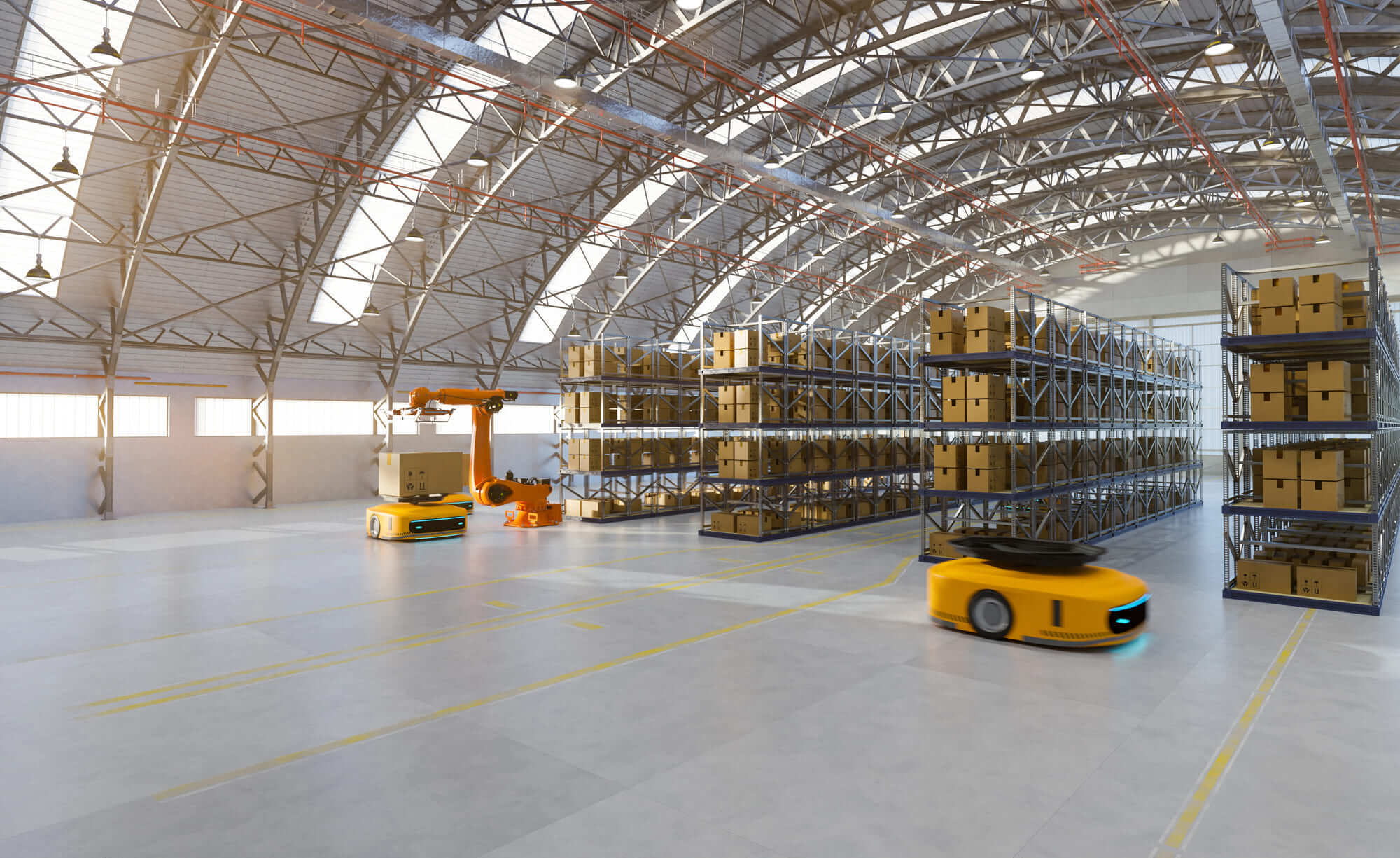
"Build the Future Before It Exists by Accelerating Physical AI from Simulation to Reality."
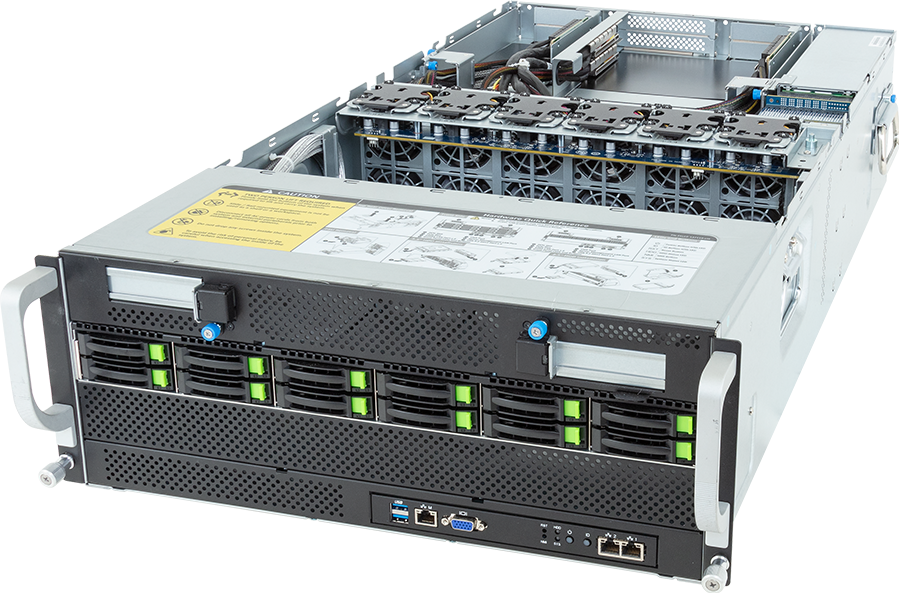
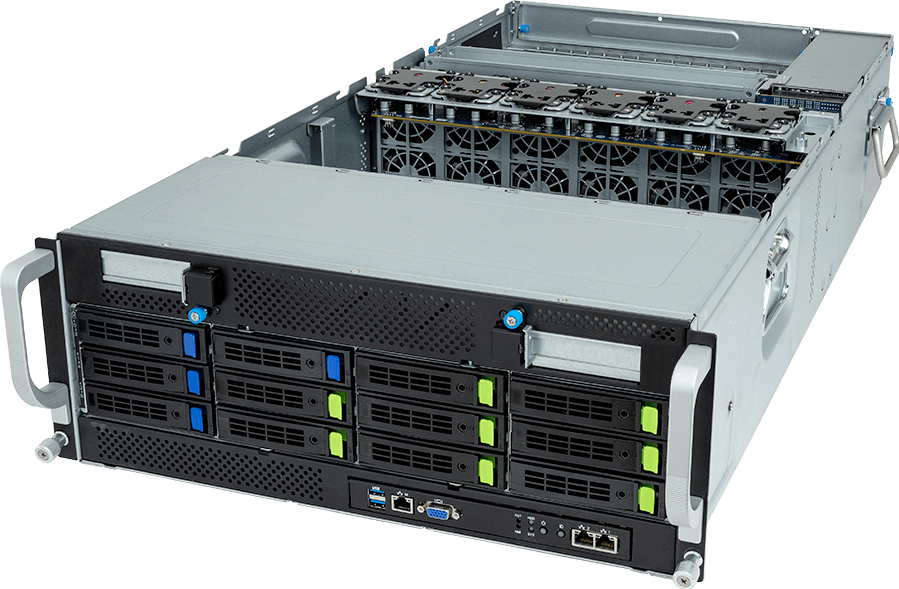
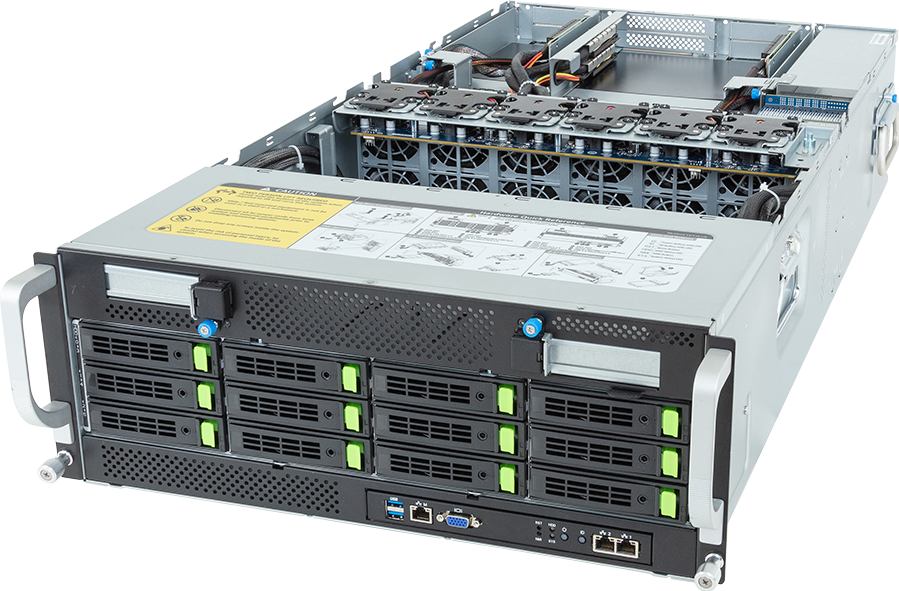
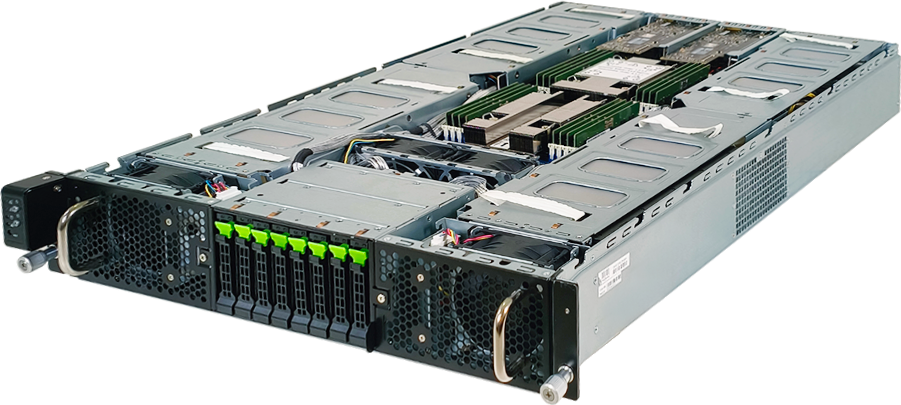
NVIDIA Omniverse™ is a collection of libraries and microservices for developing physical AI such as industrial digital twins and robotics simulation. Built on OpenUSD (Universal Scene Description), Omniverse libraries enable software developers across industries to build 3D tools that work seamlessly together within a shared digital twin environment. The platform allows for seamless collaboration without software or geography limitations, empowering creative and engineering teams to collaborate in real time, with precision and at scale. With the support of GIGABYTE GIGAPOD high-performance computing infrastructure, physical AI solutions built with Omniverse can be deployed at enterprise scale to accelerate design workflows, shorten development cycles and drive innovation breakthroughs.
Key Features

Nucleus Collaboration Server
Real-time sharing, version control, and multi-user teamwork

RTX Real-Time Ray Tracing
Film quality rendering and physically accurate simulations

Connector Ecosystem
Integration with Autodesk, Adobe, Siemens, and other industry tools

AI-Powered Workflows
Accelerating digital twins, simulation, and generative AI applications

OpenUSD Interoperability
The foundation for cross-platform 3D asset and scene exchange
Why GIGABYTE + Omniverse?
GIGABYTE delivers the optimized infrastructure that simplifies the adoption of NVIDIA’s physical AI simulation technologies across data interoperability, unlocking the full potential of NVIDIA Omniverse libraries and microservices.
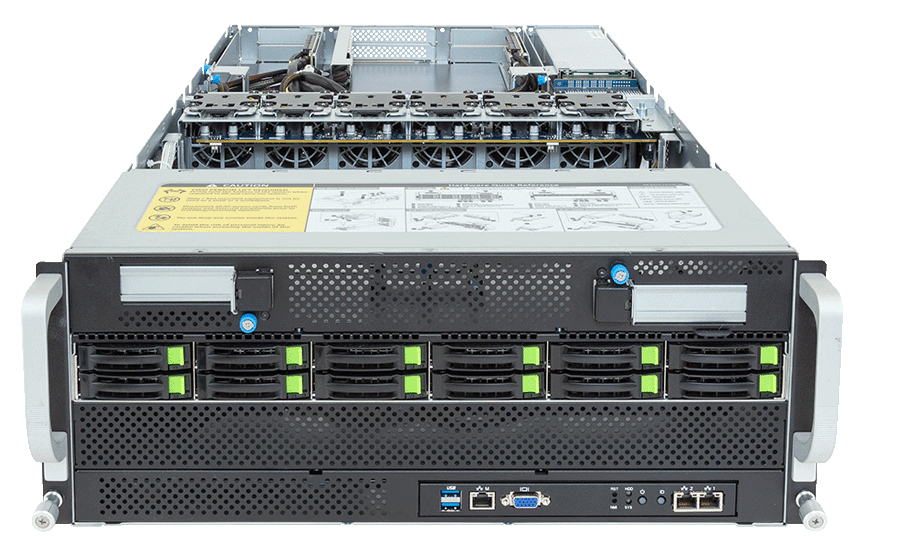
- GIGAPOD GPU Clusters: Purpose-built for large-scale collaboration and simulation
- High-Speed Storage & Networking: Seamlessly supports massive 3D datasets and multi-user workflows
- GPM (GIGABYTE POD Manager): Simplifies deployment, monitoring, and operations
- Sustainability Ready: Energy monitoring and carbon footprint analysis for global compliance
- Worldwide Technical Support: Long-term reliability and expert assistance
Use Cases
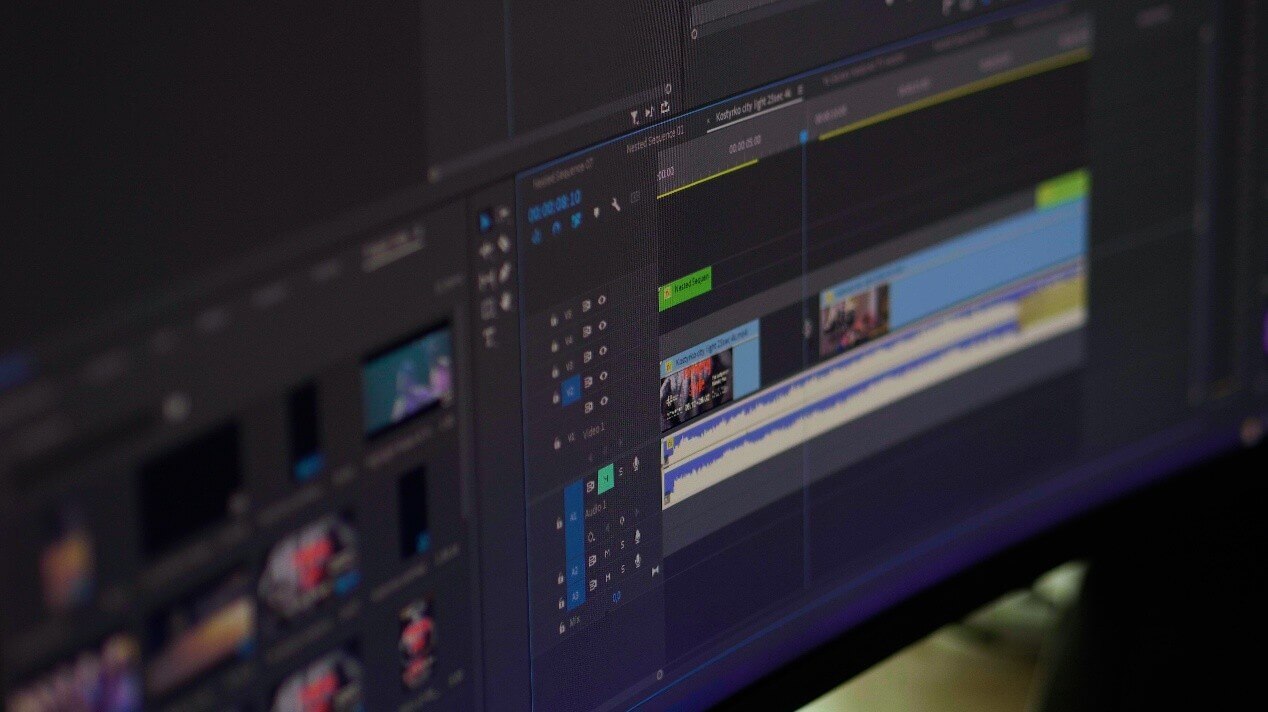
Media & Entertainment
Virtual production, animation, and cinematic VFX. Teams can eliminate needless back and forth by concurrently collaborating in virtual environments.
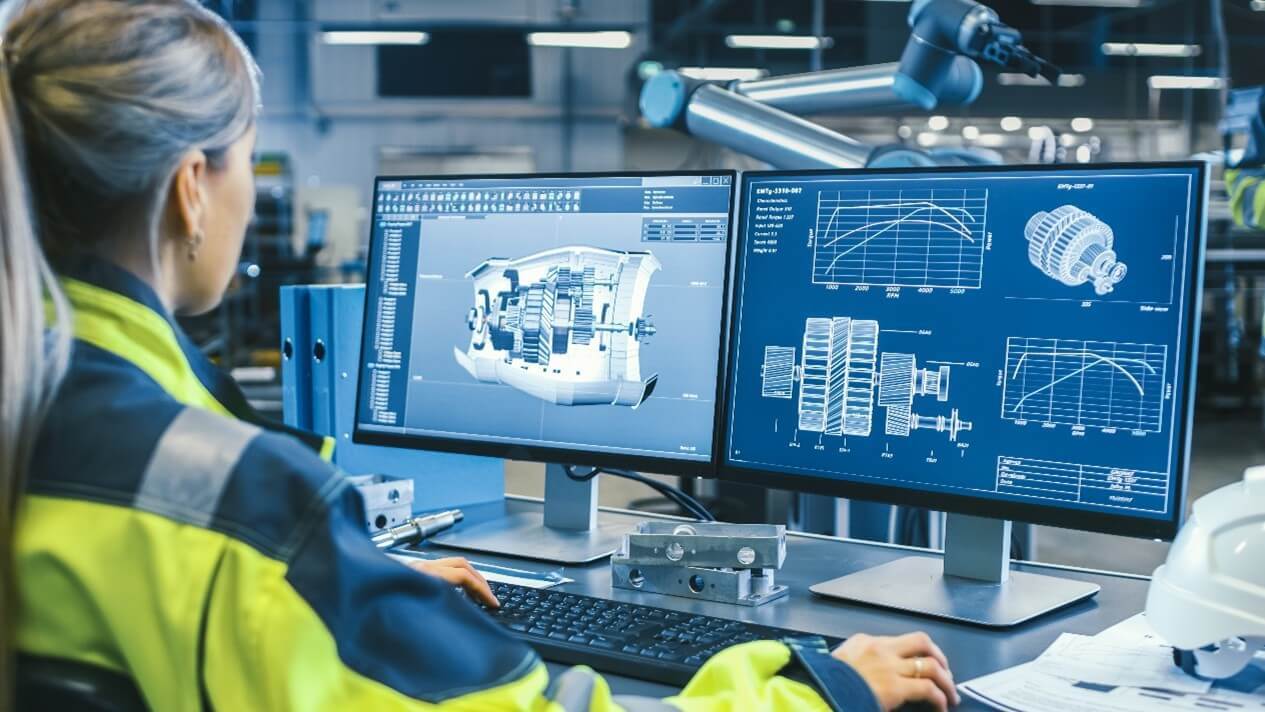
Manufacturing
Digital twins, product design simulation, and smart factory operations. Engineers can reduce operating risk by validating changes in simulation before touching the physical environment.
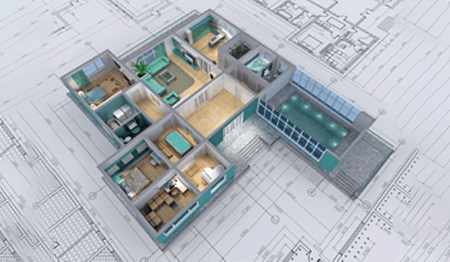
Architecture, Engineering & Construction
City planning, BIM workflows, and energy analysis. Teams can streamline complex processes by collaborating in a shared environment before breaking ground.

Research & Education
Cross-disciplinary projects, AI simulation, and data visualization. Researchers can accelerate experimentation by modeling and testing complex scenarios at a scale that physical environments cannot support.

Global Collaboration
Synchronize international design projects, reduce rework and miscommunication. Global teams can maintain alignment by working within a single shared environment.