The Core to Achieving a Better Web Experience? 5G has the Answer
Our modern lifestyle is completely connected with the online
world. All kinds of communication, multimedia, information enquiries, games,
cloud computing, and big data analytics rely on the internet, and the
popularity of mobile devices means these activities are no longer limited by
location and space. People are continuing to demand higher image quality,
larger file sizes and more immediate response times. And as the demand for
Internet services increase, the "waiting" time that people can tolerate for
these services is getting shorter and shorter.
Within an existing 4G network framework, a user's data
packets must be transmitted from the base station, through the back-haul network
to the Evolved Packet Core (EPC) layer of each network operator. However, time
is money, and although the time required for the data to travel back and forth
only causes a slight delay, this can add up over a long time. This makes us
wonder, is there a more efficient solution? A 5G network with low latency,
high-capacity transmission capabilities, and highly compliant with current
mobile telecommunications requirements is bound to be the core answer.
How Does 5G Shorten the Path From the End User to Their Data?
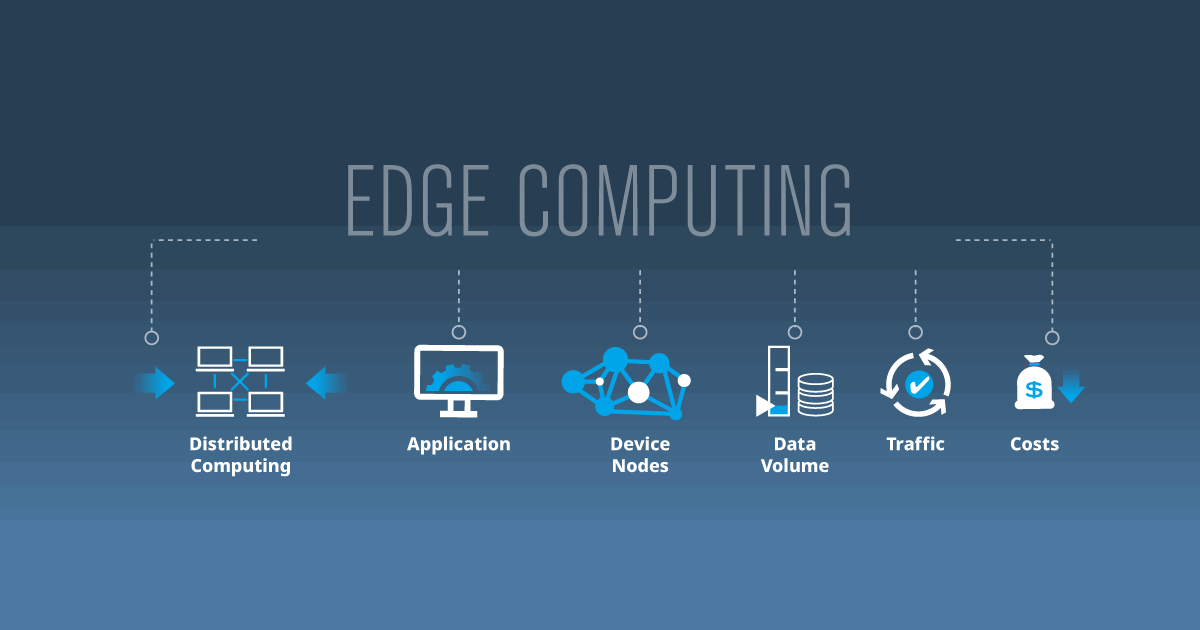
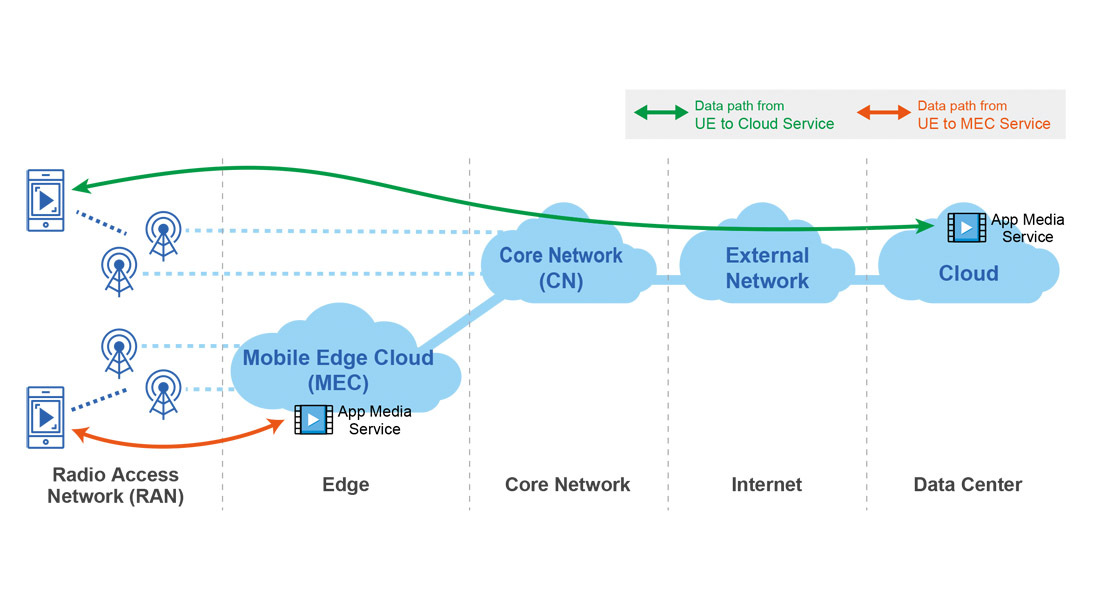
Edge Computing, a hot topic in recent years, is a new technology which can be suitable for this purpose. In the past, the User Equipment (UE) has to upload all data to the back-end cloud, and then wait for the back-end cloud to issue instructions to the UE. However, using an Edge Computing architecture, an Edge Server can first sort through and organize data before sending it back to the cloud.
In this way, not only the workload of the back-end cloud is
reduced, but also since it is closer to the end user, the data analyzed and
processed by the edge server can be sent back immediately, greatly reducing any
delay.
Edge Computing Powers Autonomous Driving, AR / VR and Drone Technology
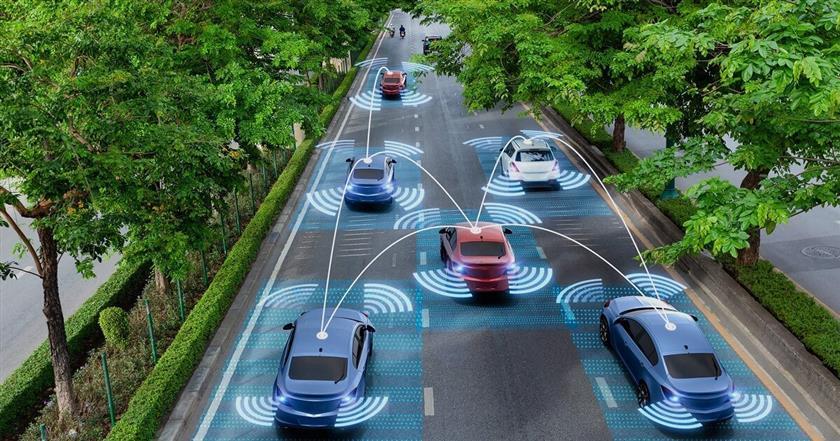
In addition, popular IoT technologies such as AR, VR and drones also rely on edge computing for real-time data exchange. For example, telecommunications operators and event broadcasters will set up a number of cameras at a sports venue to automatically transmit the live scene to off-site spectators, allowing them to receive a high-resolution visual experience through a VR headset, and even interact with the experience, delivering a data service that is almost the same as a live experience.
Learn More:
《Solution: An Immersive VR Stadium Experience with 5G eMBB Technology》
《Solution: An Autonomous Vehicles Network with 5G URLLC Technology》
A New Generation of Network Architecture – 5G MEC Technology Enhances IoT Services
Various public cloud services providers have also developed their own “non-cloud” solutions for edge computing – users can store, calculate and analyze data at the edge without needing to connect with the edge server. For example, Amazon's AWS Snowball Edge service features a built-in Lambda environment to allow users to store information directly from the end device without needing to connect with the cloud service.
Although this new network architecture has its own advantages, users may be worried about the costs involved with building it. However, using general purpose servers for the MEC infrastructure can be an excellent option to reduce costs.
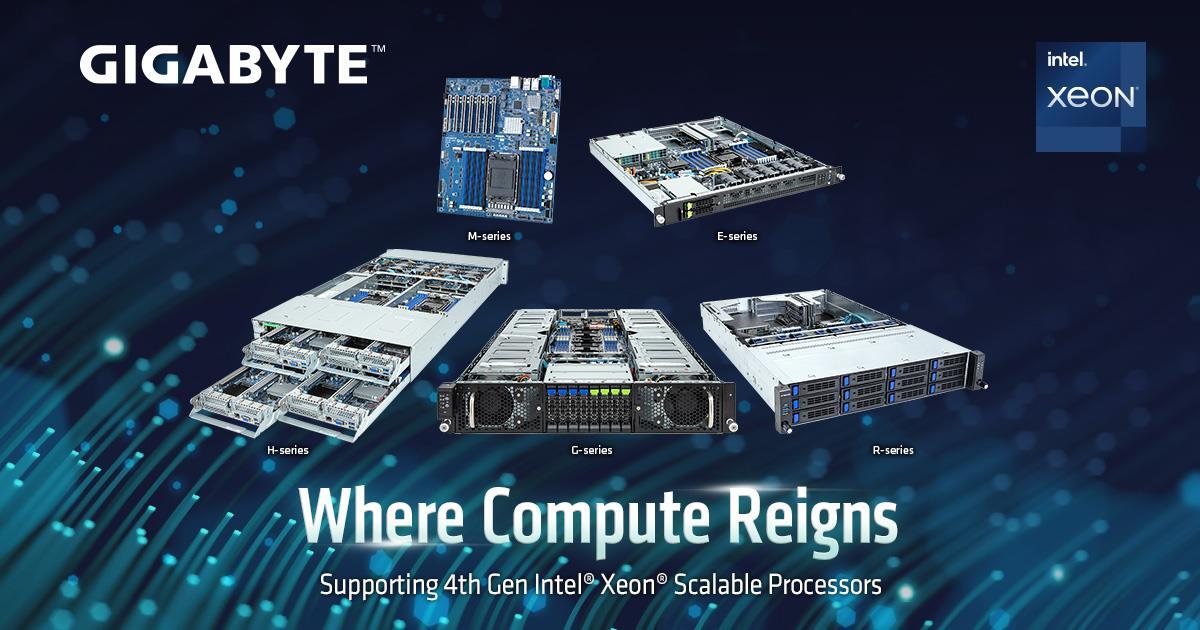
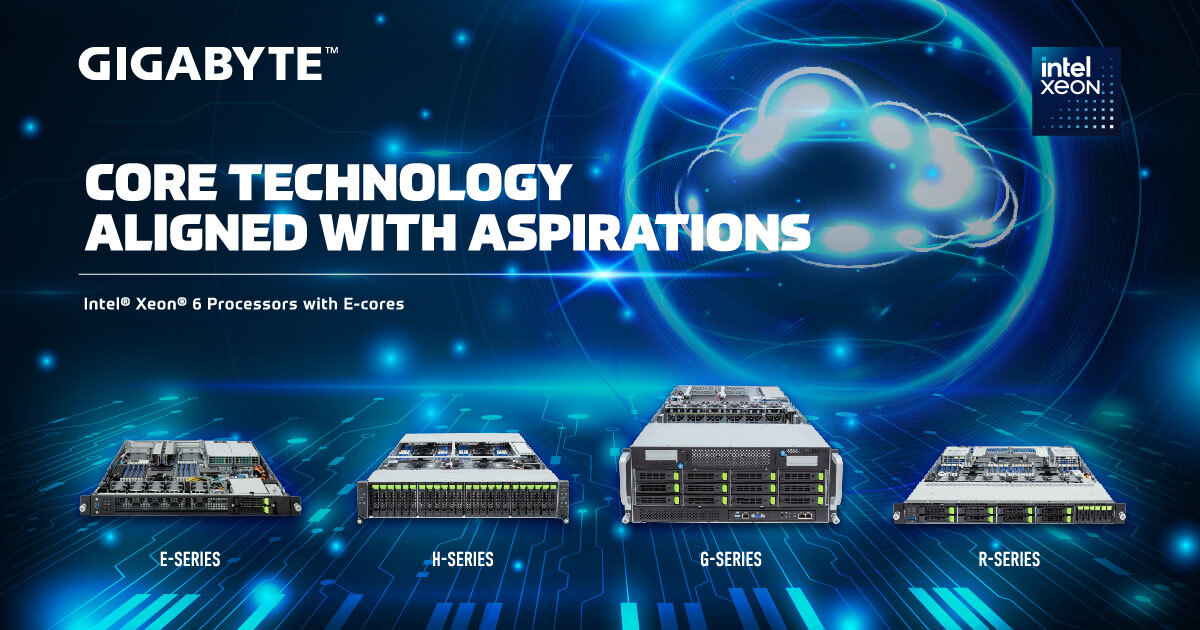
GIGABYTE recently showcased a high-density, high-expansion capable server for non-cloud solutions at MWC 2019. H281-PE0 is a 2U 4 node server, and each node features 3 x PCIe x16 low profile expansion slots (1 at the front and 2 at the rear) as well as an OCP Mezzanine slot, making it very flexible to suit different applications in various fields. The expansion slots can support multiple network expansion cards to help users create a 5G edge computing architecture, such as for a vEPC (Virtual Evolved Packet Core) server or as a MEC (Multi-access Edge Computing) server. The H281-PE0 also features a CMC module to allow the administrator to remotely monitor and manage multiple servers simultaneously.
If you want to expand the compute performance of your edge computing server, each node of GIGABYTE's H281-PE0 can support dual 2nd Generation Intel Xeon Scalable Processors with a TDP of up to 165W, and up to 24 x DDR4 2666MHz memory modules, as well as featuring dual 10GbE on-board networking ports and a PCIe 3.0 M.2 slot for an ultra-fast flash storage device, making it a highly scalable solution that can meet the needs of 5G and edge computing infrastructure.
GIGABYTE will continue our research and development into new server technologies and products, in order to provide a highly stable and low latency platform for 5G MEC applications, creating flexible system choices for a better network experience.
Learn More:
《Read more: 5G MEC Networking Platform》
《Solution: A Smart City Solution with 5G mMTC Technology》