November 16, 2026 - The rapid growth of artificial intelligence is reshaping the requirements of data center infrastructure. As AI workloads become larger, denser and more complex, success increasingly depends on much more than compute performance alone. Power, cooling, physical infrastructure and management must work together as part of one integrated environment.
This is where partnership becomes critical.
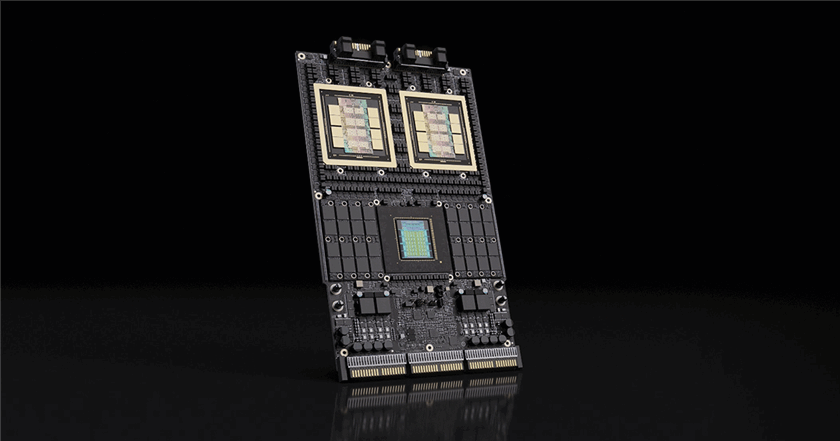
Giga Computing, a subsidiary of GIGABYTE, and Schneider Electric are collaborating on a reference architecture for NVIDIA Vera Rubin NVL72 AI factories, bringing together complementary expertise across compute and data center infrastructure. The objective is simple: make the path from AI ambition to AI infrastructure more integrated, predictable and scalable.
Combining complementary strengths
AI factories sit at the intersection of multiple technology domains. Deploying them requires alignment across compute, networking, power, cooling, physical infrastructure and management software. The collaboration brings these capabilities together.
| Role | Contribution |
| Giga Computing | AI compute platforms, network fabric integration, and GIGABYTE POD Manager software for POD-scale operations |
| Schneider Electric | Power distribution architecture, liquid and hybrid cooling solutions, and facility monitoring capabilities |
| NVIDIA | NVIDIA Vera Rubin NVL72 provides the compute foundation around which the architecture is designed |
Rather than approaching each element independently, the partners are working toward a co-engineered blueprint connecting the IT and facility layers of the AI factory.
Partnership designed for scale
A central principle behind the collaboration is repeatability.
The reference architecture is structured around a scalable-unit model using NVIDIA Vera Rubin NVL72 as the base compute platform, creating a repeatable building block that can help operators plan and scale AI infrastructure more predictably.
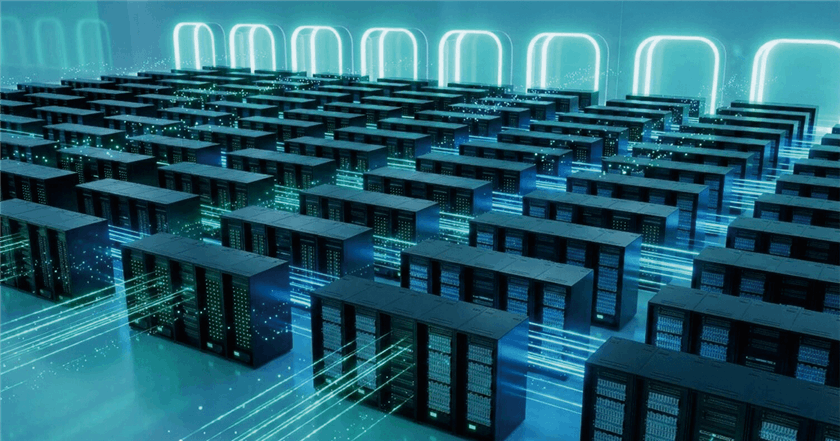
This approach addresses one of the defining challenges of the AI era: moving from individual high-performance systems toward complete AI environments that can be deployed and expanded at scale. The architecture extends from the rack to the facility.
| Item | Details |
| Power per scalable unit | Approximately 3.8 MW |
| Composition per scalable unit | 16 NVIDIA Vera Rubin NVL72 racks plus 12 networking and management racks |
| Three-unit deployment | Supports up to 11.2 MW of IT capacity |
| Cooling | Advanced liquid cooling designed around the thermal requirements of next-generation accelerated computing |
“AI infrastructure has outgrown the traditional model where compute vendors deliver racks and facility vendors deliver everything else. The data center of the next decade will be designed as one coordinated architecture or it will not scale,” said Andie Yen, Director of Data Center Infrastructure at Giga Computing. “Our collaboration with Schneider Electric reflects that change, bringing the compute and facility aspects into the same conversation so the reference architecture is built for what customers will actually need to deploy.”
Closing the gaps across the AI infrastructure stack
Perhaps the most important aspect of the collaboration is not any individual technology. It is the integration between them.
As AI infrastructure becomes more power-intensive and thermally demanding, decisions about compute architecture increasingly influence power distribution, cooling design, facility architecture and operations.
By collaborating earlier across these domains, Giga Computing and Schneider Electric can help create a more unified approach in which infrastructure is designed around the requirements of the AI platform from the outset. The reference architecture reflects this philosophy by bringing facility power, cooling, IT space and lifecycle software into a common blueprint. This is particularly important as customers move from experimenting with AI toward deploying AI infrastructure at industrial scale.
“The next generation of AI infrastructure requires a new level of collaboration across compute, power and cooling. By working with Giga Computing, we are bringing together complementary expertise to help customers address AI infrastructure as one integrated system, from the rack to the facility. This collaboration is about simplifying complexity and creating a scalable foundation for the AI factory era.” – Ivy Xin, Commercial Vice President, East Asia Japan Secure Power and Data Center Business, Schneider Electric
Creating the foundation for the AI factory era
Ultimately, the partnership reflects a broader evolution taking place across the data center industry.
Delivering AI at scale increasingly requires an ecosystem approach. Compute platforms, power infrastructure, liquid cooling, networking, software and lifecycle expertise cannot operate as isolated layers. They need to be engineered as parts of one system.
By combining GIGABYTE's expertise in AI compute and POD-scale infrastructure with Schneider Electric's leadership across power, cooling and data center infrastructure, the collaboration aims to help customers reduce complexity and create a more predictable foundation for scaling AI.
The result is bigger than a reference architecture. It represents a shared approach to the future of AI infrastructure, one built on collaboration, integration and the ability to scale from compute to facility.
As AI factories continue to grow in scale and complexity, partnerships that connect these traditionally separate domains will become increasingly important in turning next-generation AI technology into deployable, resilient infrastructure.
For queries or more information, please contact sales.