Server
What Is a Server?
A server is a computer system designed to provide computing resources, data access, or application services. From search engines, social media, and video streaming to enterprise cloud services, financial transactions, and AI applications, servers provide the computing power behind these services.
Unlike personal computers, enterprise servers are typically designed to operate continuously while handling large numbers of requests or complex computing tasks. They therefore place greater emphasis on performance, reliability, scalability, and system management.
With the growth of cloud computing and AI, servers have evolved from individual computing systems into interconnected clusters capable of handling large-scale workloads.
Learn More: What Are Server Manufacturing Levels?
What Does a Server Do?
Servers commonly operate through a client-server architecture. When a user or another system sends a request, the server runs applications, accesses data, or performs computations before returning the results.
Different applications have different requirements. Websites and enterprise applications need to handle concurrent requests, databases and storage services prioritize data access efficiency, while scientific research, engineering simulation, and AI training require substantial parallel computing power.
In the AI era, servers also support data retrieval, tool calling, task orchestration, and application services for agentic AI. Balancing CPU, GPU, and other computing resources has therefore become an important consideration in modern server and data center design.
What Are the Main Components of a Server?
Servers share many basic hardware components with personal computers but are designed to meet greater demands for computing, data movement, and reliability.
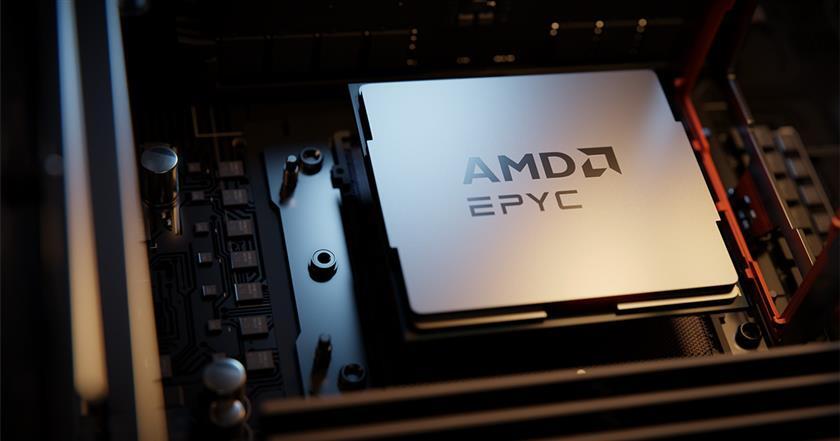
- CPU: Handles general-purpose computing, applications, and system control.
- GPU and AI Accelerator: Accelerate AI training, inference, and highly parallel computing.
- Memory: Temporarily holds data required for processing, with capacity and bandwidth affecting performance.
- Storage: Stores data, applications, and AI models.
- NIC (Network Interface Card): Enables data transfer and high-speed connectivity between systems.
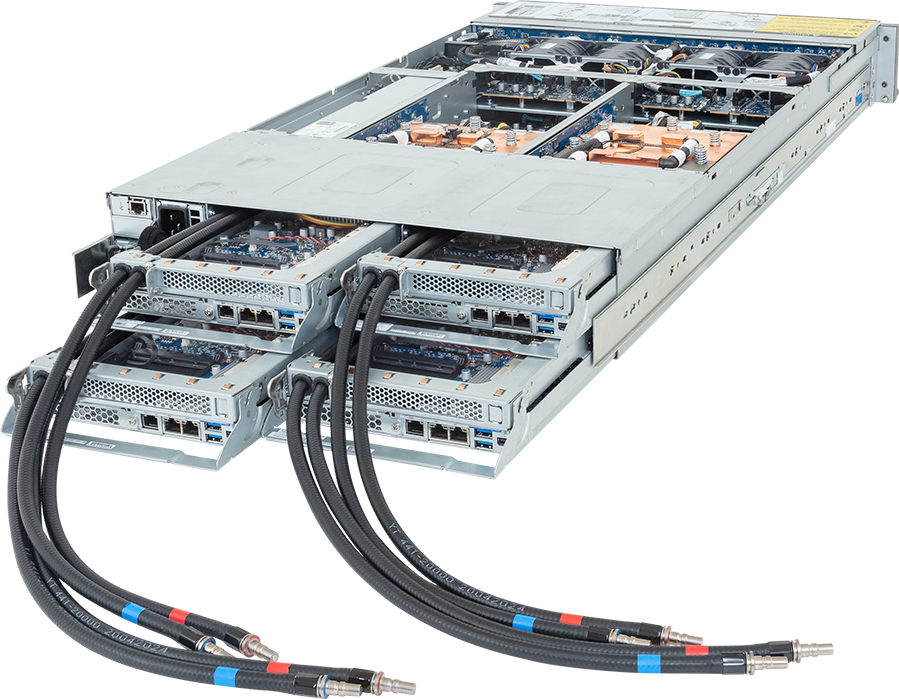
- Power and Cooling: Maintain stable operation under demanding workloads.
- BMC: Enables remote monitoring, hardware management, and maintenance.
Enterprise servers also commonly feature ECC memory, redundant power supplies, and hot-swappable components to minimize service disruptions caused by hardware failures.
What Are the Different Types of Servers?
Servers can be categorized by their form factors, hardware architectures, and applications.
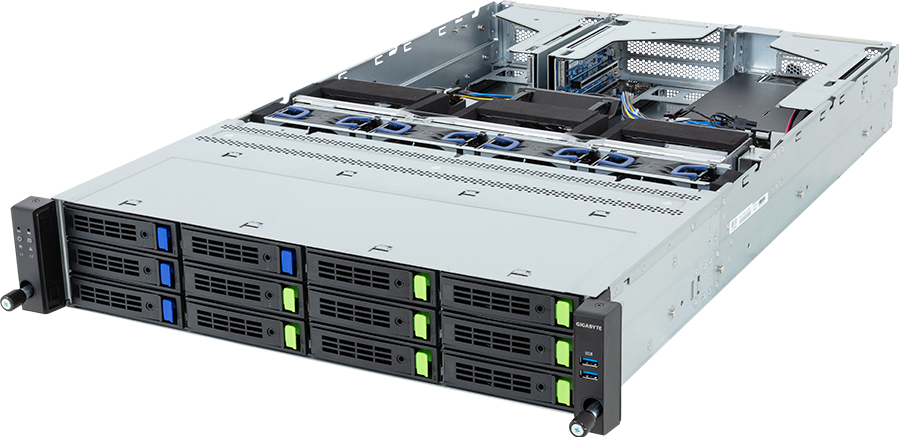
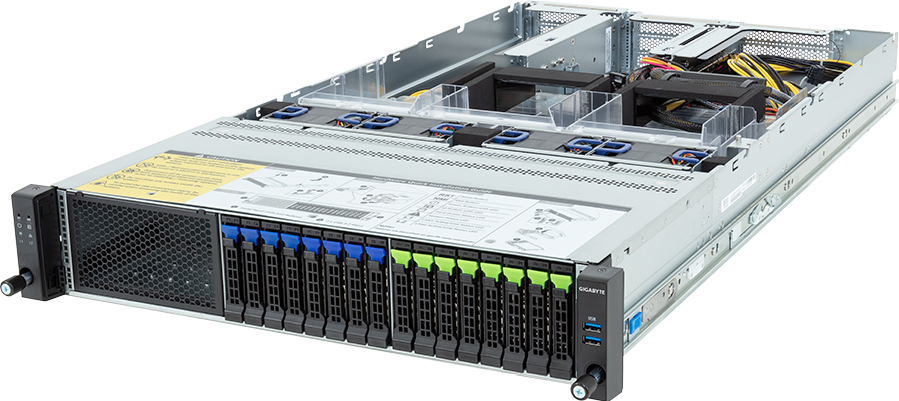
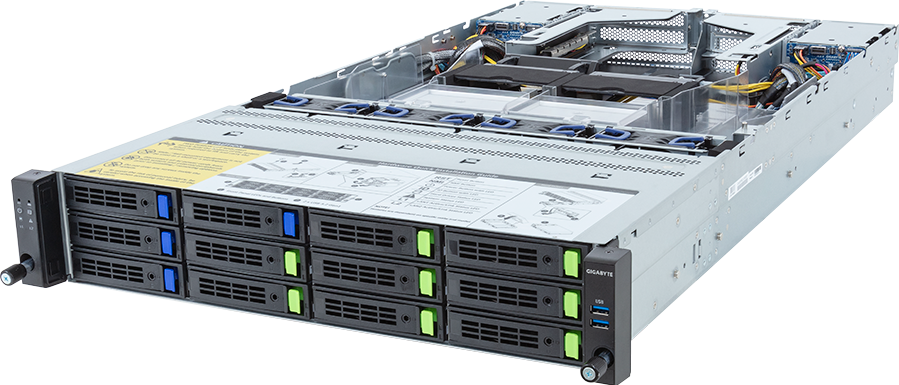
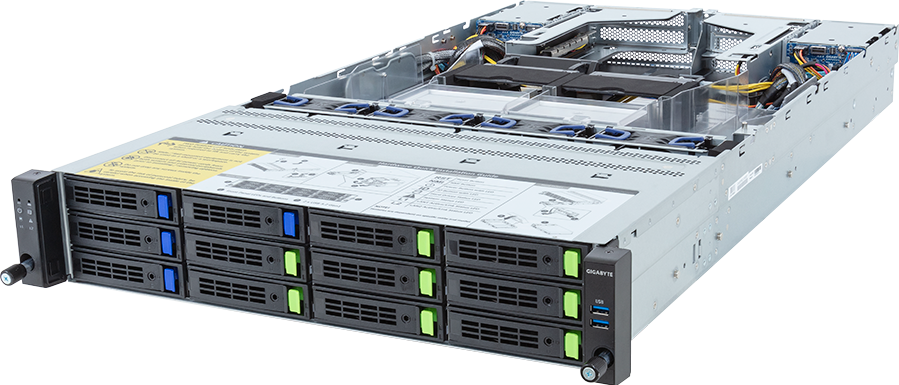
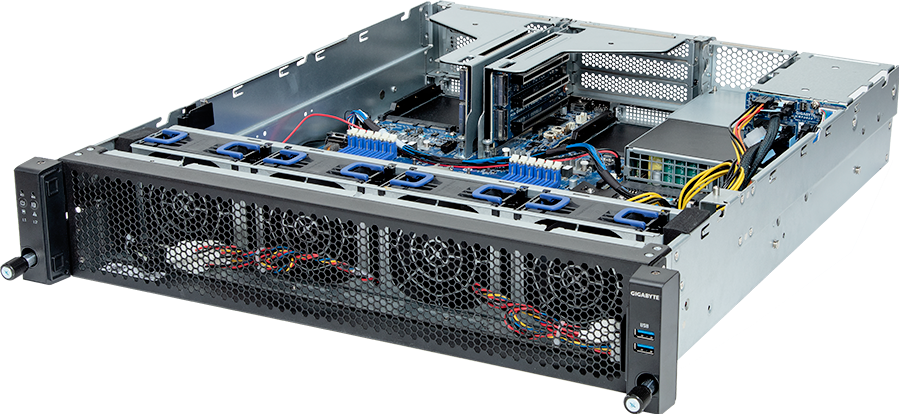
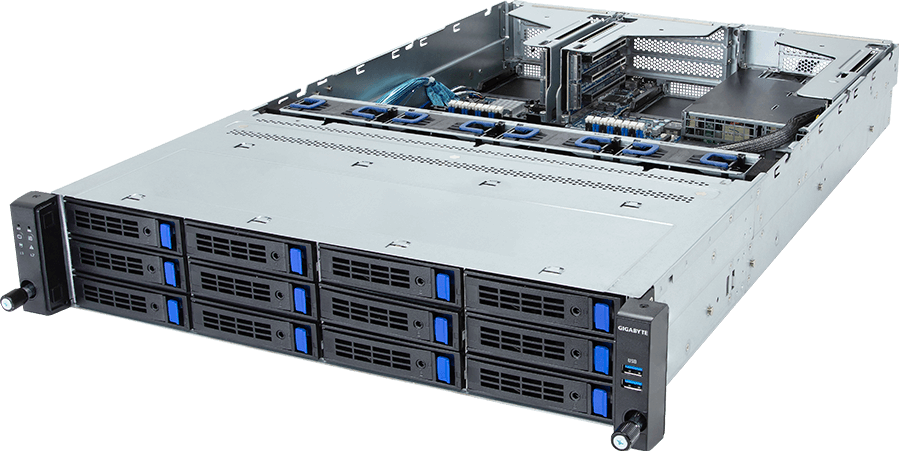
- Rack Server: Uses a standardized rack-mounted design for flexible deployment and expansion across enterprise IT, cloud services, and data centers.
- Blade Server: Integrates multiple compute nodes into a shared chassis, increasing deployment density through shared power and cooling infrastructure.
- Tower Server and Workstation: Typically use standalone chassis designs suited to offices, laboratories, and environments without dedicated server rooms. Tower servers primarily support enterprise IT and data services, while workstations focus on professional graphics, engineering simulation, content creation, and local AI development.
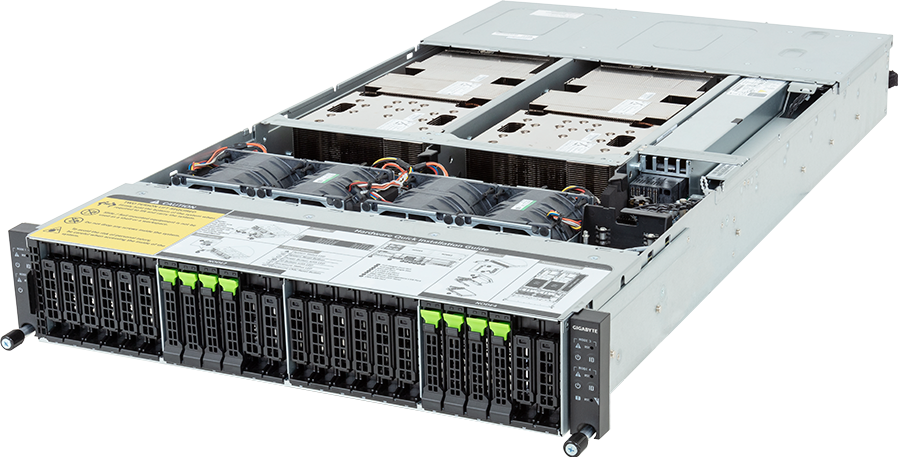
- High-Density Server: Maximizes computing resources within limited space for large-scale cloud and HPC environments.
- AI / GPU Server: Integrates GPUs or other AI accelerators for model training, inference, scientific computing, and digital twins.
- Storage Server: Prioritizes storage capacity, data throughput, and access efficiency for databases, cloud storage, and AI data management.
- Edge Server: Brings computing closer to data sources for smart manufacturing, telecommunications, smart cities, and real-time AI inference.
How is GIGABYTE helpful?
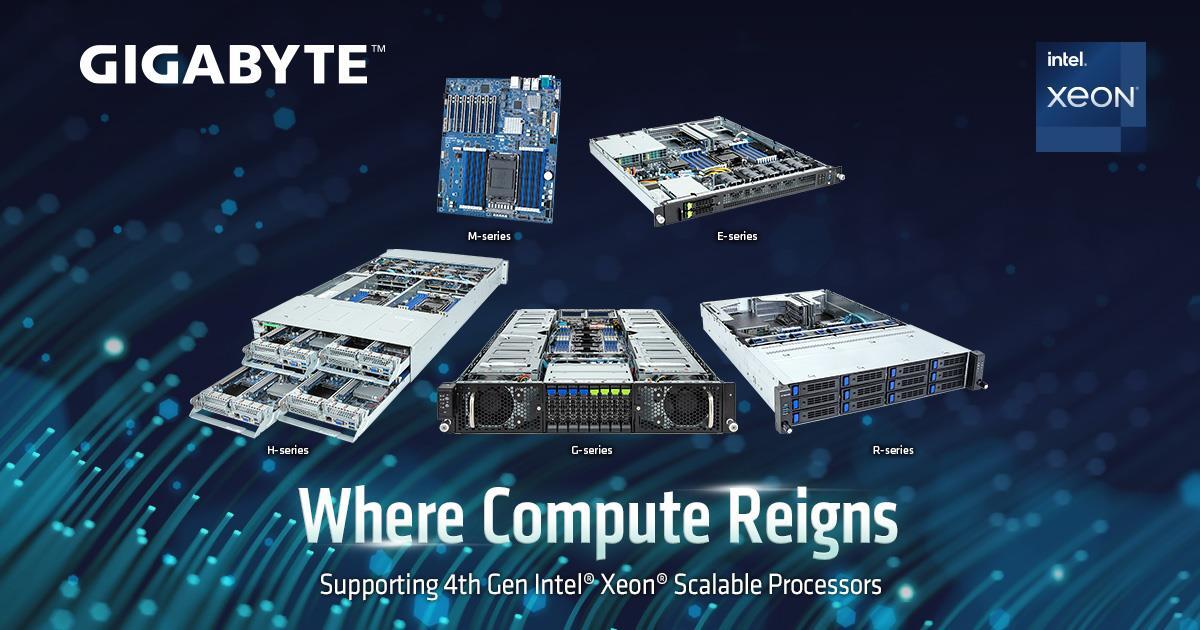
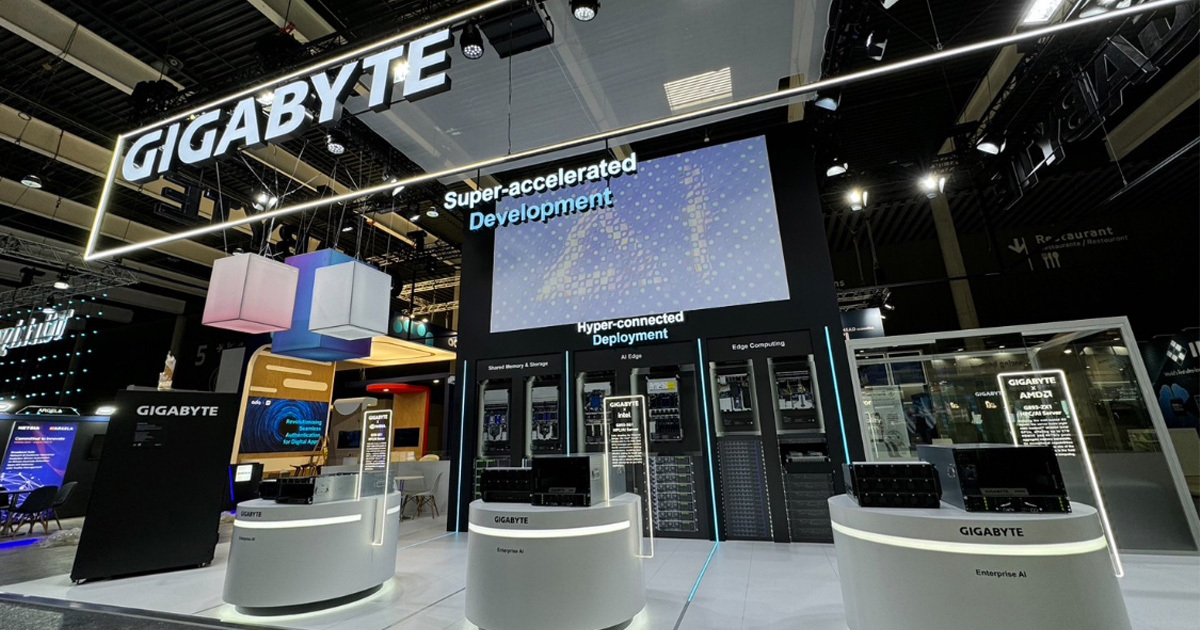
From enterprise IT to AI factories, different applications require different levels of computing performance, deployment density, and energy efficiency. GIGABYTE offers a broad portfolio of x86- and Arm-based servers supporting diverse GPUs and AI accelerators, allowing organizations to select platforms suited to their workloads.
General-purpose rack, high-density, and blade servers support cloud services, virtualization, and enterprise applications. High-performance GPU servers accelerate AI training, inference, and HPC, while storage servers handle data-intensive workloads. Professional workstations support local AI development, 3D visualization, and engineering simulation, while edge servers bring computing closer to smart manufacturing, telecommunications, and real-time AI applications.
As computing requirements grow, GIGAPOD integrates servers, high-speed networking, storage, advanced cooling, and GIGABYTE POD Manager (GPM). Combined with data center planning and deployment services, these solutions help organizations build large-scale computing infrastructure.
From individual servers to complete AI factories, GIGABYTE delivers computing solutions for diverse industries and workloads.