Server Manufacturing Levels
What Are Server Manufacturing Levels? Understanding L6, L10, L11, and L12 Integration
In server manufacturing and data center system integration, some ODMs, OEMs, and system integrators use Levels 1 through 12 to describe different levels of manufacturing and integration. The exact scope of each level may vary depending on the manufacturer, product design, and project requirements. In general, L6 refers to a server barebones system, L10 to a complete server, L11 to rack-scale integration, and L12 to multi-rack and cluster-level integration.
Building an AI server involves more than installing CPUs, GPUs, memory, and storage devices in a chassis. It also requires careful planning for high power consumption, high-density cooling, GPU cluster interconnects, rack power distribution, high-speed networking, liquid cooling, and stability and performance validation before large-scale deployment. Most of these requirements occur during the later integration stages, making L10 through L12 important parts of AI infrastructure deployment.
The following sections explain the typical scope and key differences between L6, L10, L11, and L12.
What Is L6? Server Barebones System
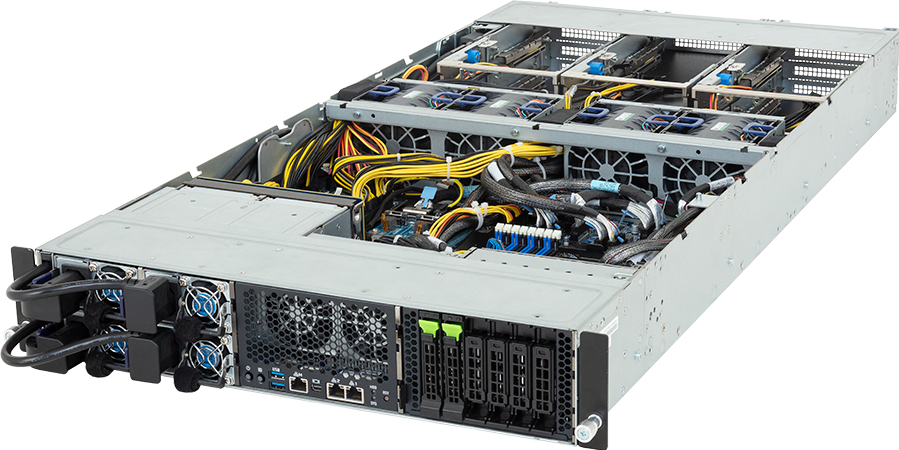
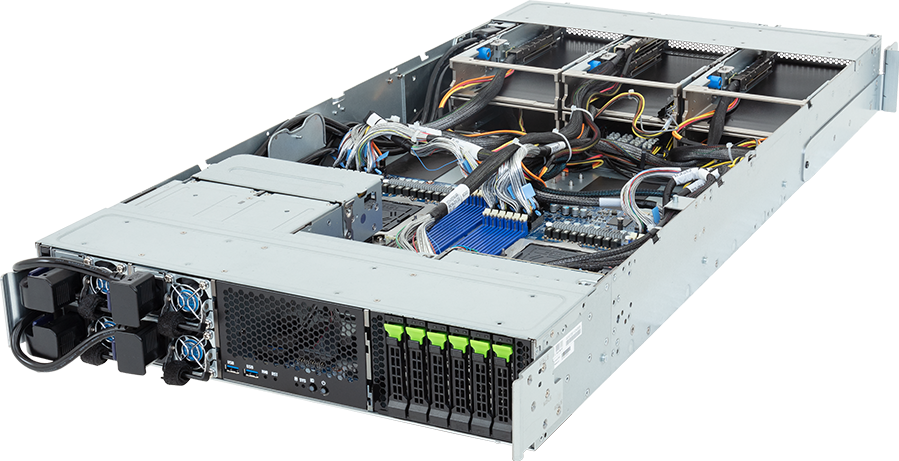
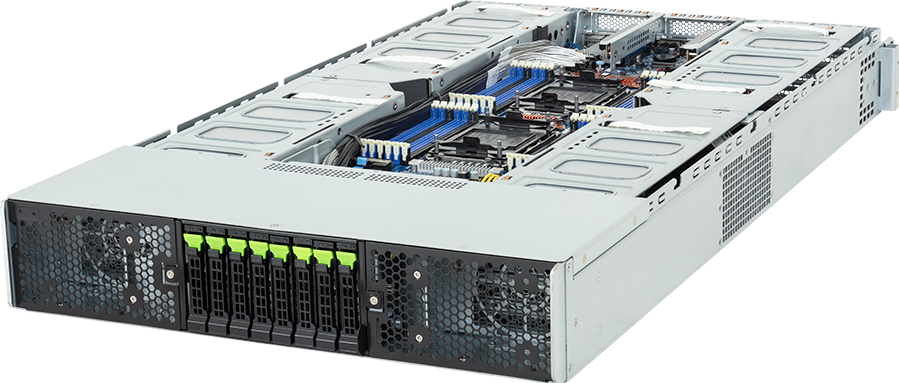
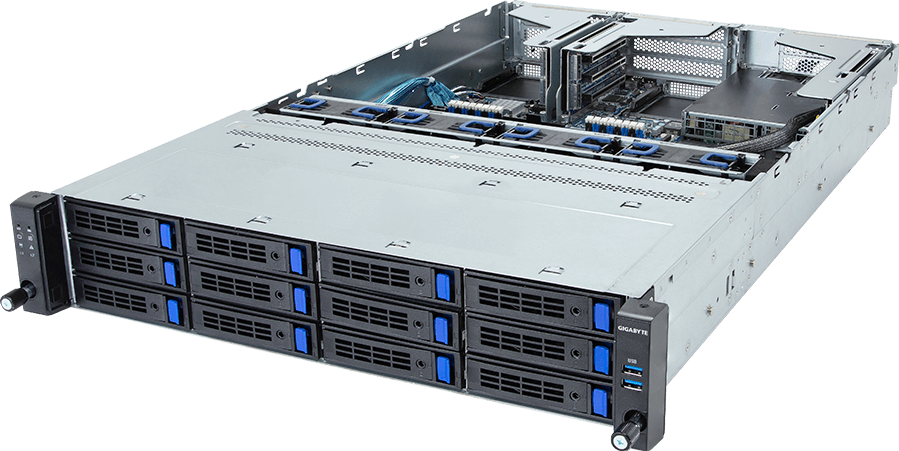
L6 generally refers to the server barebones stage, where the motherboard, chassis, power supply, cooling components, backplane, and basic I/O are integrated into a hardware platform.
At this stage, the system may not yet include a complete set of CPUs, GPUs, memory, storage devices, or expansion cards. It can therefore be considered a basic server framework that still needs to be configured according to the customer’s requirements.
During the following manufacturing stages, processors, memory, storage devices, accelerators, network cards, and other expansion components are added based on the product design and order specifications. The system then proceeds to L10 for complete server integration. Because manufacturers may define the intermediate levels differently, the exact installation sequence and testing scope should be determined by the supplier or project specifications.
What Is L10? Complete Server Assembly and Validation
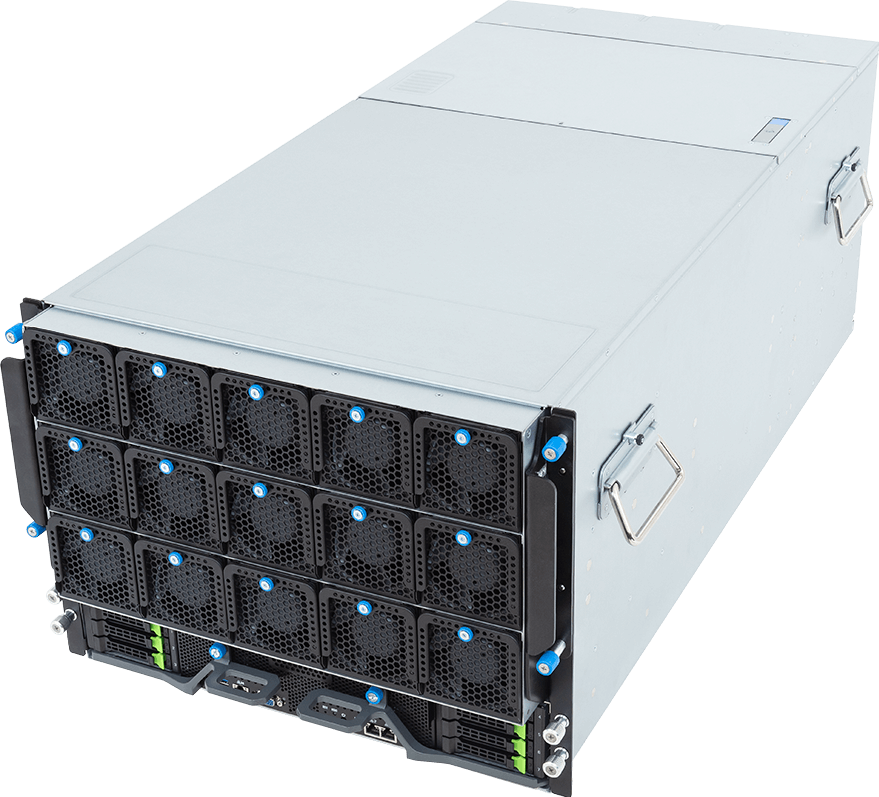
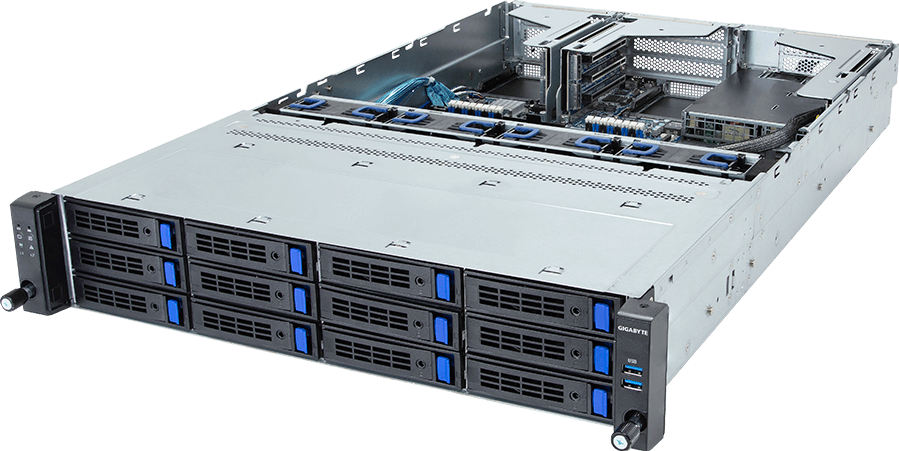
L10 is the stage where a server barebones system is configured as a complete, independently operational server. Typical processes include installing CPUs, GPUs, memory, storage devices, network cards, DPUs, and other expansion components. Depending on delivery requirements, the BIOS, BMC, firmware, drivers, operating system image, and basic software environment may also be configured.
After hardware assembly, the system undergoes server-level functionality, compatibility, and stability testing. This may include boot validation, firmware version checks, component detection, network and storage function testing, burn-in testing, and stress testing of the CPUs, GPUs, memory, and power system.
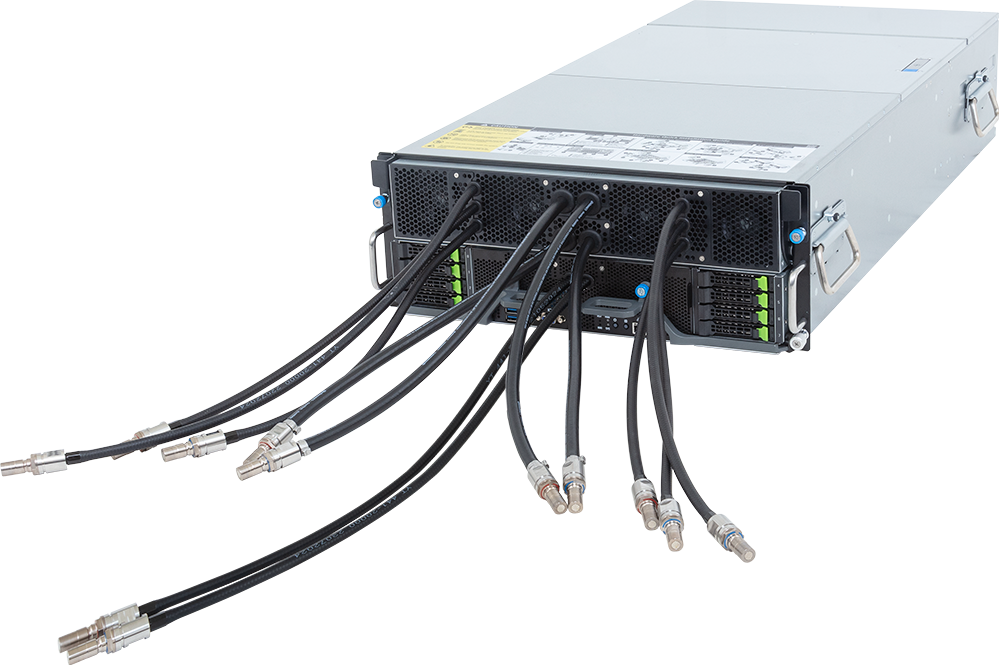
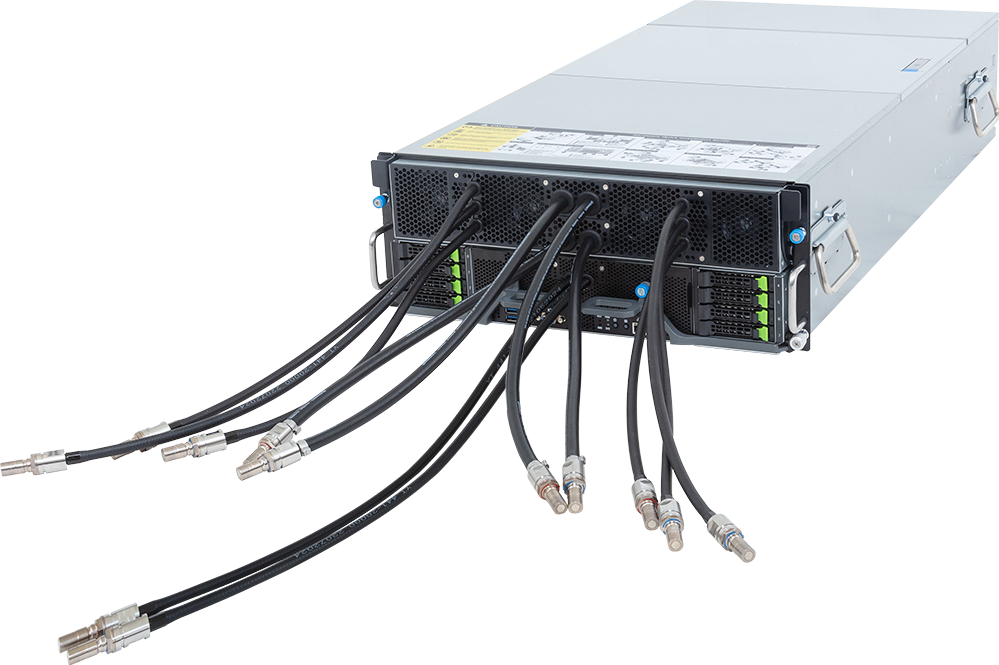
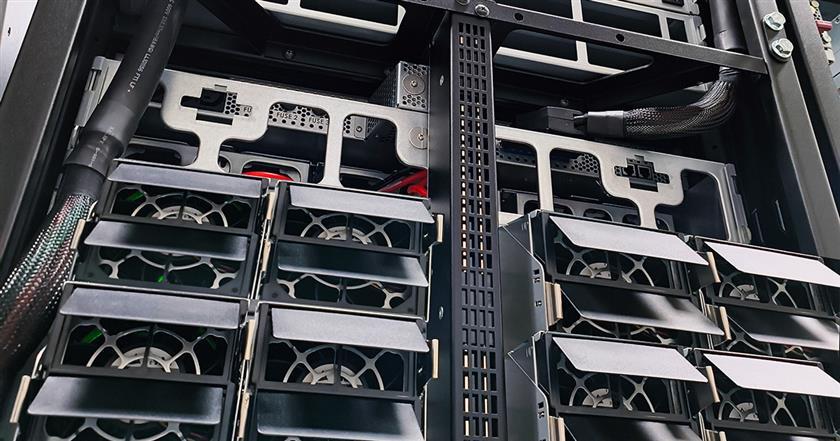
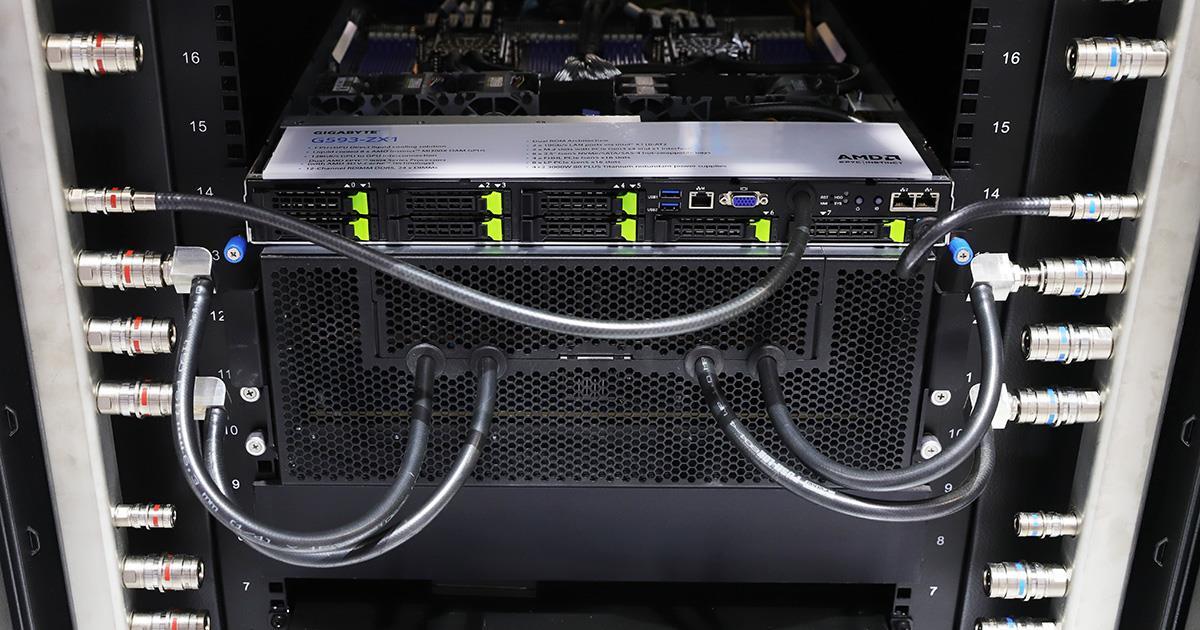
For direct liquid cooling systems, internal cold plates, liquid-cooling loops, and quick-disconnect couplings are generally assembled and validated at the server level during this stage. Upon completion of L10, the result is a complete server with integrated computing, storage, networking, and basic software capabilities. It can be delivered as a standalone server or proceed to L11 rack-scale integration.
What Is L11? Rack-Scale Integration
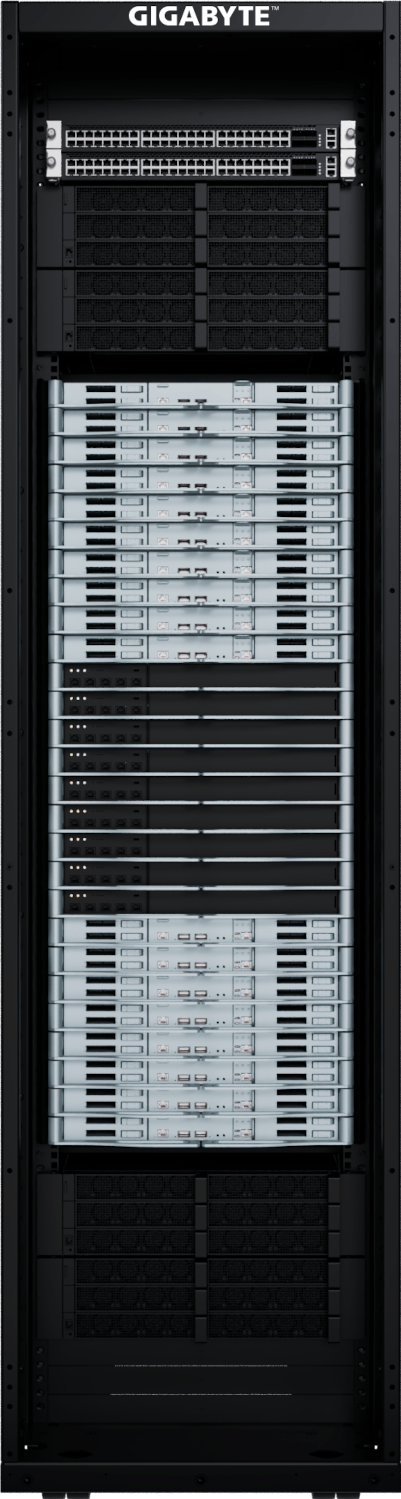
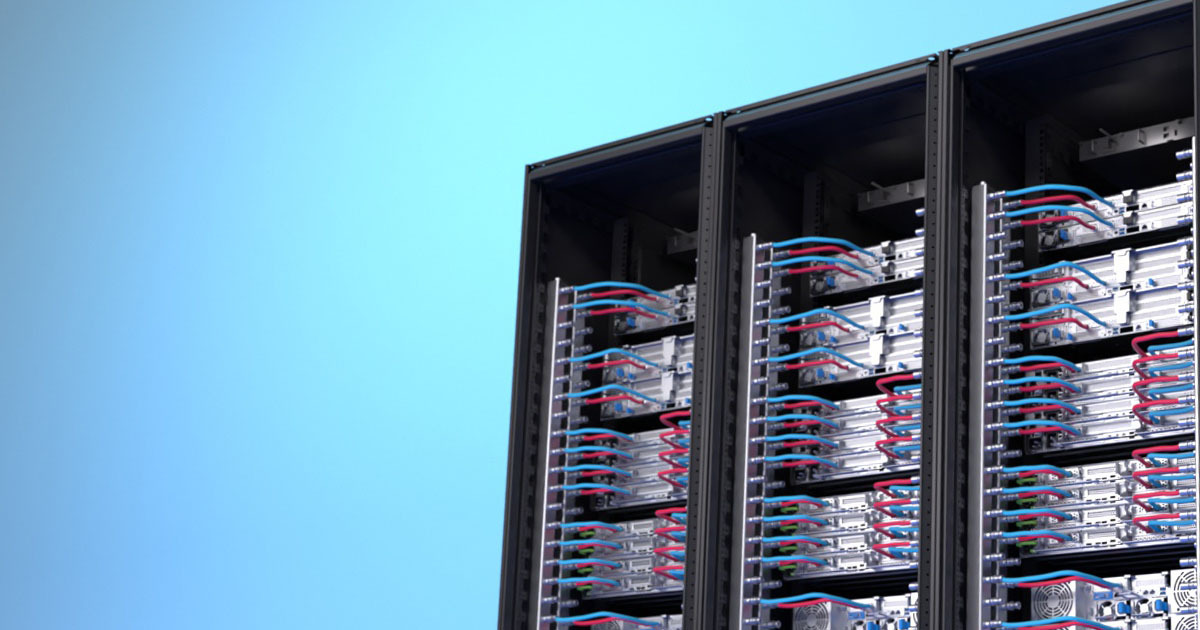
L11 integrates multiple complete servers into a deployable rack-scale system. In addition to installing servers, network switches, and power distribution units in the rack, this stage may include power and management network configuration, cable routing and labeling, firmware version alignment across devices, and rack-level thermal and system validation.
As the power consumption and rack density of advanced GPU servers continue to increase, high-density configurations may exceed the practical cooling and power limits of traditional air-cooled data centers. Direct liquid cooling or other advanced cooling solutions may therefore be required. Depending on the cooling architecture and project scope, L11 may also include rack manifolds, liquid-cooling pipes, coolant distribution units (CDUs), and leak detection systems, followed by validation of flow rate, pressure, power, and cooling capacity.
Upon completion of L11, the result is a complete rack system with integrated power, networking, cooling, and cabling. Compared with installing servers individually at the data center, rack-scale delivery reduces on-site integration work, shortens deployment time, and lowers the risks of configuration errors and multi-vendor coordination.
What Is L12? Cluster-Level Hardware and Software Integration and Validation
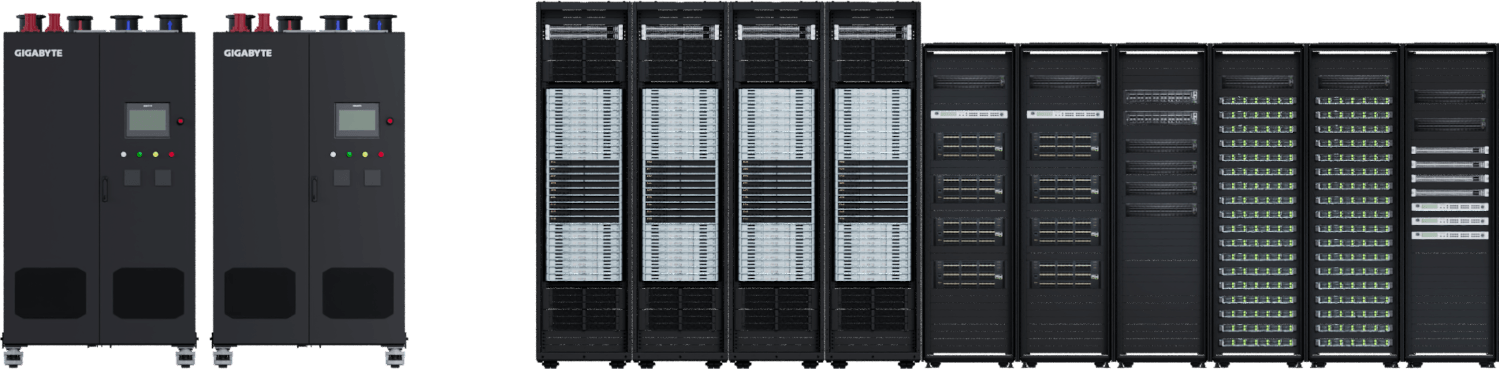
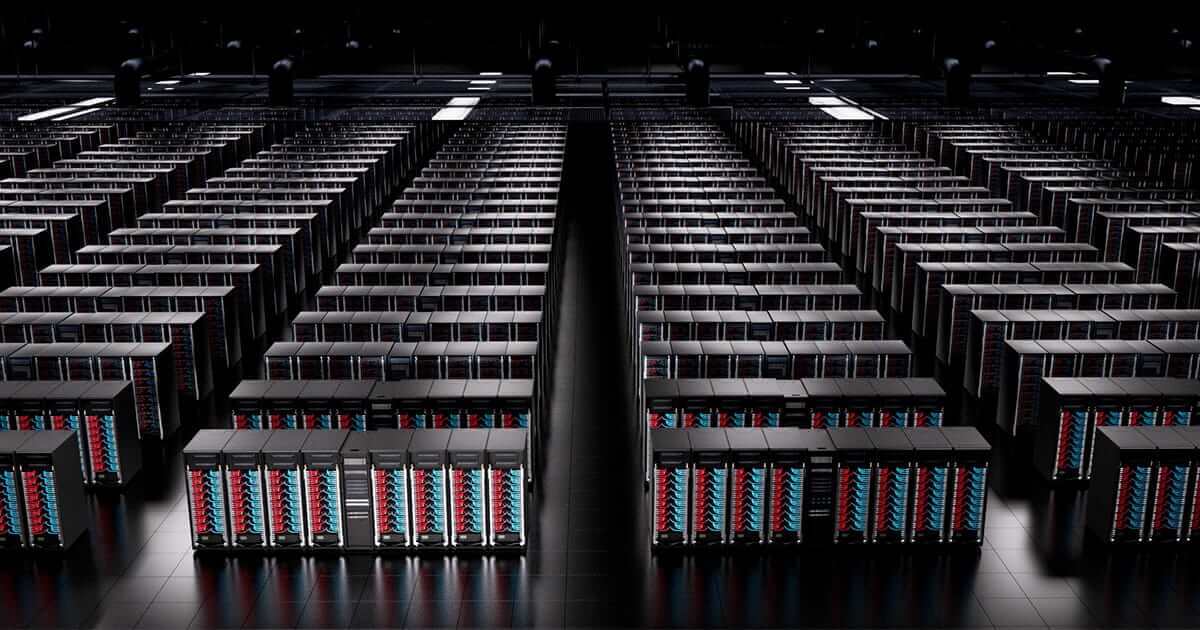
L12 further integrates multiple racks into a cluster that can operate as a coordinated system. This stage generally includes cross-rack network connections, management network configuration, InfiniBand or high-speed Ethernet validation, and consistent deployment of operating systems, drivers, firmware, and basic software environments.
Depending on project requirements, L12 may also include cluster management, resource scheduling, container platforms, parallel storage, and integration testing with customer-specified workloads. Validation may cover inter-node communication, network throughput and latency, storage performance, GPU collective communication, long-duration stress testing, and overall cluster performance tuning.
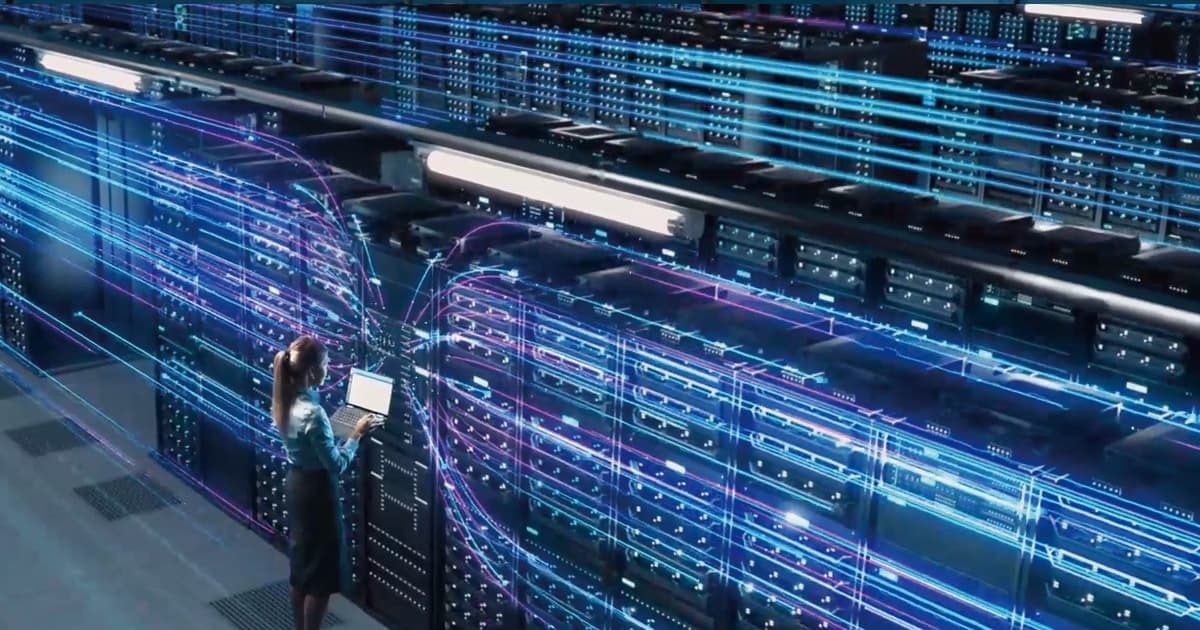
The scale of an L12 system is not fixed. It may include several racks or expand into a large cluster consisting of hundreds or thousands of GPUs. Its primary purpose is to ensure that all computing, networking, storage, power, cooling, and management components work reliably in a multi-rack environment and meet the required performance and reliability targets. Once factory integration and validation are complete, the L12 system can be shipped to the data center for on-site connection and final deployment.
The scale of an L12 system is not fixed. It may include several racks or expand into a large cluster consisting of hundreds or thousands of GPUs. Its primary purpose is to ensure that all computing, networking, storage, power, cooling, and management components work reliably in a multi-rack environment and meet the required performance and reliability targets. Once factory integration and validation are complete, the L12 system can be shipped to the data center for on-site connection and final deployment.
How Does GIGABYTE Support L10 to L12 System Integration?
GIGABYTE provides integration capabilities ranging from complete servers and rack-scale systems to multi-rack clusters. Based on workloads such as AI, HPC, cloud computing, and scientific research, GIGABYTE can provide consulting, architecture design, hardware configuration, software deployment, system validation, and ongoing operations and maintenance services.
The GIGAPOD cluster computing platform can scale from a single GPU server to eight racks with 32 GPU nodes and a total of 256 GPUs. When paired with GPM (GIGABYTE POD Manager), it enables real-time monitoring of hardware health and resource utilization. Computing resources can also be dynamically allocated according to workload requirements, improving management efficiency and overall resource utilization.
For cooling, GIGABYTE offers air cooling, direct liquid cooling, and immersion cooling solutions. The appropriate cooling architecture can be selected based on chip power consumption, server density, rack configuration, and data center conditions. By integrating hardware, software, networking, power, and cooling systems, GIGABYTE helps enterprises shorten AI infrastructure deployment time while improving the stability, scalability, and operational efficiency of large-scale clusters.