Deep Learning
ما هو؟
التعلم العميق هو مجموعة فرعية من التعلم الآلي اكتسبت أهمية كبيرة في السنوات الأخيرة بفضل قدرتها على تصحيح أخطائها والتعلم منها من دون تدخل بشري. ويتحقق ذلك من خلال شبكة عصبية اصطناعية (ANN) متعددة الطبقات تتكون من عصبونات اصطناعية مترابطة، وتُعرف أيضًا باسم الشبكة العصبية العميقة (DNN). وتعمل هذه الشبكة على «تدريب» نفسها عبر تكرار عمليات التنبؤ (الانتشار الأمامي) والتغذية الراجعة (الانتشار العكسي أو «الانتشار الخلفي»)، ثم تحدد «أوزانًا» و«انحيازات» لتحسين دقة الخوارزمية بصورة أكبر. ويستطيع النموذج الناتج استنتاج الاستجابة الصحيحة للمدخلات المستقبلية بدرجة عالية من الدقة.
أدى ظهور وحدات معالجة الرسومات المصممة للحوسبة عالية الأداء (HPC)، إلى جانب نضج منظومة التعلم الآلي، إلى انتشار حلول التعلم العميق على نطاق واسع. ويكتسب ذلك أهمية خاصة في مجال الذكاء الاصطناعي، إذ يجعل الخدمات المؤتمتة أكثر ذكاءً وأفضل قدرة على فهم التعليمات.
أدى ظهور وحدات معالجة الرسومات المصممة للحوسبة عالية الأداء (HPC)، إلى جانب نضج منظومة التعلم الآلي، إلى انتشار حلول التعلم العميق على نطاق واسع. ويكتسب ذلك أهمية خاصة في مجال الذكاء الاصطناعي، إذ يجعل الخدمات المؤتمتة أكثر ذكاءً وأفضل قدرة على فهم التعليمات.
لماذا تحتاج إليه؟
من المرجح أنك صادفت بالفعل تقنيات ذكاء اصطناعي يجري ضبطها باستخدام التعلم العميق. وإذا تساءلت يومًا عن سبب قدرة محرك البحث على فهم ما تبحث عنه دائمًا، أو عن كيفية معرفة حاجز مواقف السيارات ما إذا كنت قد دفعت أم لا، فذلك مثال على التعلم العميق أثناء العمل. ويمكن لقطاعات أخرى كثيرة الاستفادة منه أيضًا:
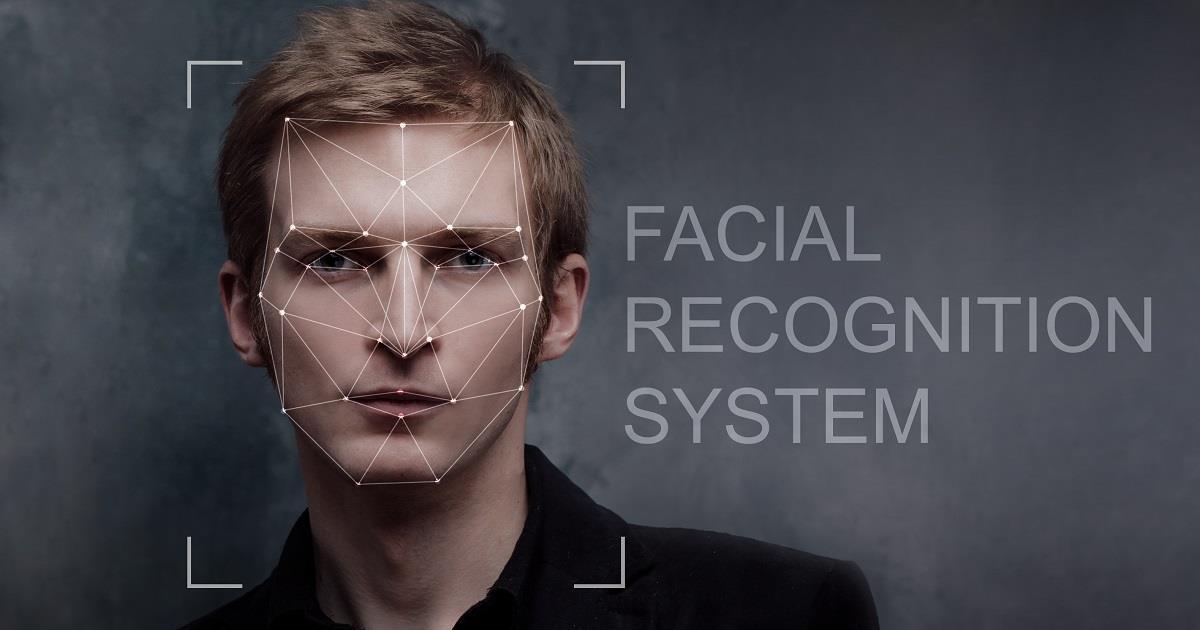
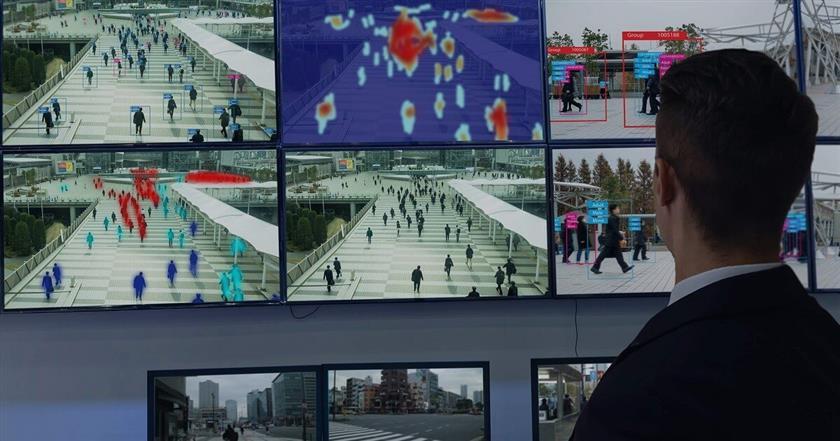
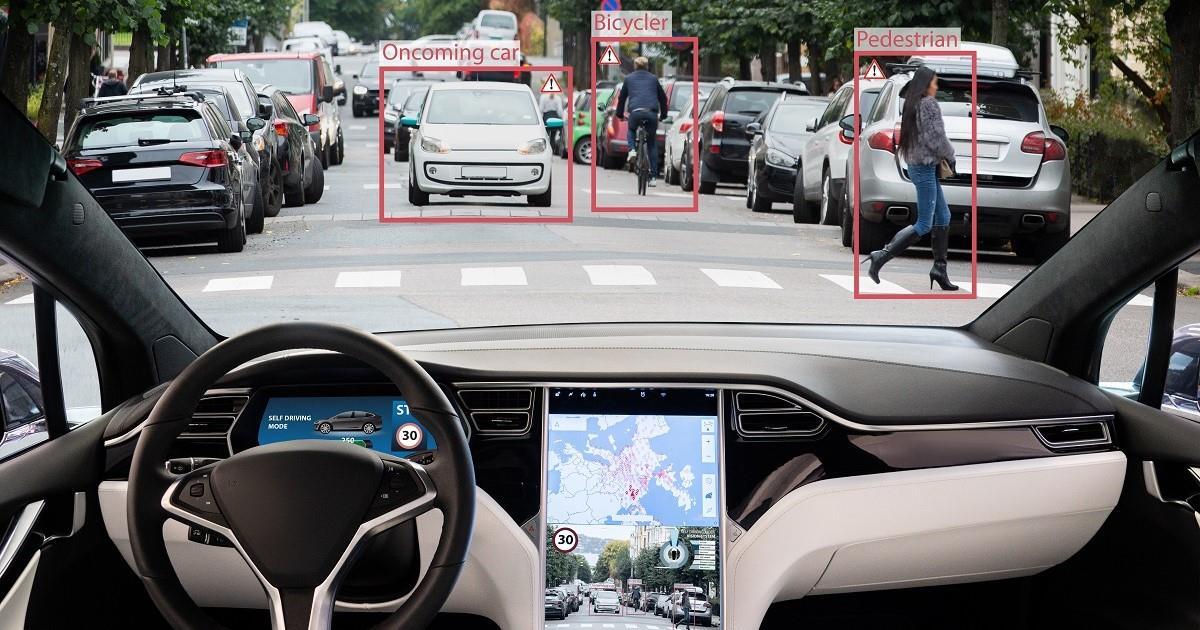
التعرّف على الصور: أصبح بإمكان الذكاء الاصطناعي تحديد العناصر الموجودة في الصور. ويُستخدم هذا على نحو مشهور في تطوير المركبات ذاتية القيادة، إلا أن له تطبيقات مدهشة أخرى. فالتعرّف على الكتابة اليدوية (HWR) مفيد للغاية في مراكز الخدمات اللوجستية المزدحمة. ويمكن تدريب الذكاء الاصطناعي على رصد العلامات المبكرة للأمراض أو اكتشاف الأجرام السماوية. والإمكانات لا حصر لها.
معالجة اللغة الطبيعية (NLP): تستخدم العديد من الأجهزة الذكية المتاحة في الأسواق معالجة اللغة الطبيعية لفهم أوامرك الصوتية. وتحول معالجة اللغة الطبيعية الطول الموجي للصوت، وتقسيم الكلام، وتنغيمه إلى بيانات رقمية تُطلق استجابات محددة مسبقًا. ويمكن استخدام نوع من بنية الشبكات العصبية الاصطناعية (ANN) يُعرف باسم الذاكرة طويلة وقصيرة المدى (LSTM) لخفض معدل أخطاء الكلمات (WER) في التعرّف على الكلام بدرجة أكبر.
أنظمة التوصية: تستخدم منصات الوسائط عبر الإنترنت ومواقع التجارة الإلكترونية التعلم العميق لتحديد تفضيلاتك والتوصية بالمحتوى أو المنتجات. وتُدعَم أنظمة الترشيح التعاوني التقليدية (CF) بالذكاء الاصطناعي، بحيث يمكن تقييم سلوك المستخدمين الفعلي وتمكين التسويق الدقيق.
التعرّف على الصور: أصبح بإمكان الذكاء الاصطناعي تحديد العناصر الموجودة في الصور. ويُستخدم هذا على نحو مشهور في تطوير المركبات ذاتية القيادة، إلا أن له تطبيقات مدهشة أخرى. فالتعرّف على الكتابة اليدوية (HWR) مفيد للغاية في مراكز الخدمات اللوجستية المزدحمة. ويمكن تدريب الذكاء الاصطناعي على رصد العلامات المبكرة للأمراض أو اكتشاف الأجرام السماوية. والإمكانات لا حصر لها.
معالجة اللغة الطبيعية (NLP): تستخدم العديد من الأجهزة الذكية المتاحة في الأسواق معالجة اللغة الطبيعية لفهم أوامرك الصوتية. وتحول معالجة اللغة الطبيعية الطول الموجي للصوت، وتقسيم الكلام، وتنغيمه إلى بيانات رقمية تُطلق استجابات محددة مسبقًا. ويمكن استخدام نوع من بنية الشبكات العصبية الاصطناعية (ANN) يُعرف باسم الذاكرة طويلة وقصيرة المدى (LSTM) لخفض معدل أخطاء الكلمات (WER) في التعرّف على الكلام بدرجة أكبر.
أنظمة التوصية: تستخدم منصات الوسائط عبر الإنترنت ومواقع التجارة الإلكترونية التعلم العميق لتحديد تفضيلاتك والتوصية بالمحتوى أو المنتجات. وتُدعَم أنظمة الترشيح التعاوني التقليدية (CF) بالذكاء الاصطناعي، بحيث يمكن تقييم سلوك المستخدمين الفعلي وتمكين التسويق الدقيق.
كيف تساعد GIGABYTE؟
تواجه العديد من المؤسسات المشكلة نفسها عند استكشاف التعلم العميق: فهي لا تعرف من أين تبدأ. توفر GIGABYTE حلولاً متكاملة للتعلم العميق من خلال الجمع بين الأجهزة والبرمجيات.
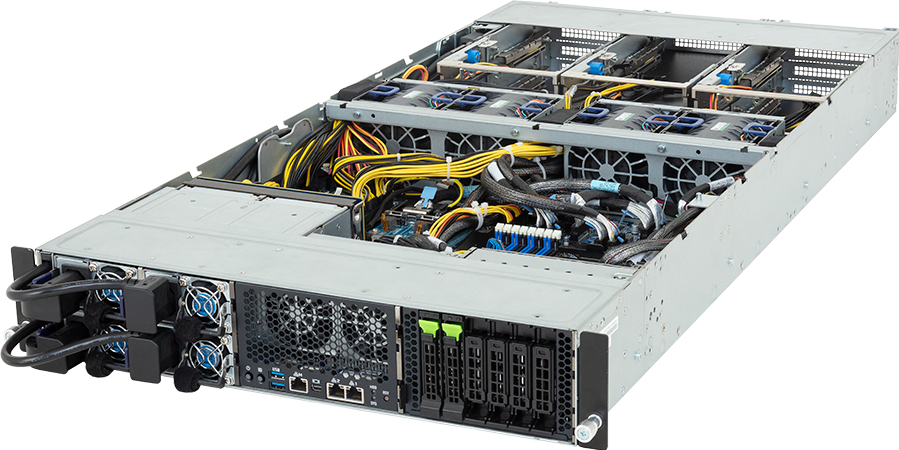
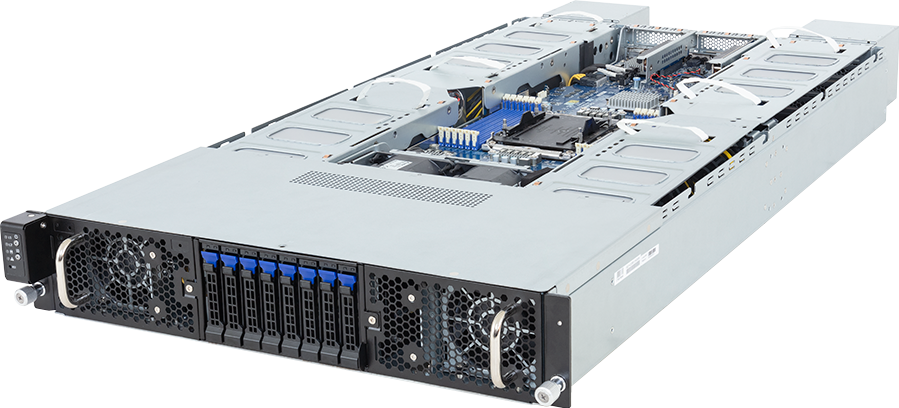
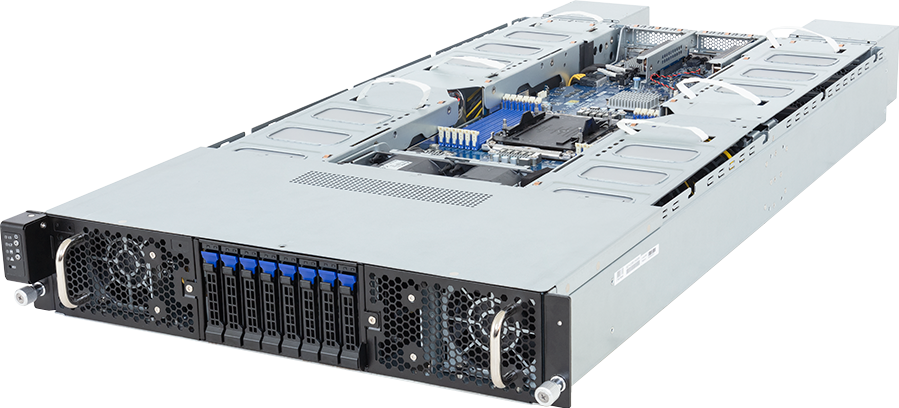
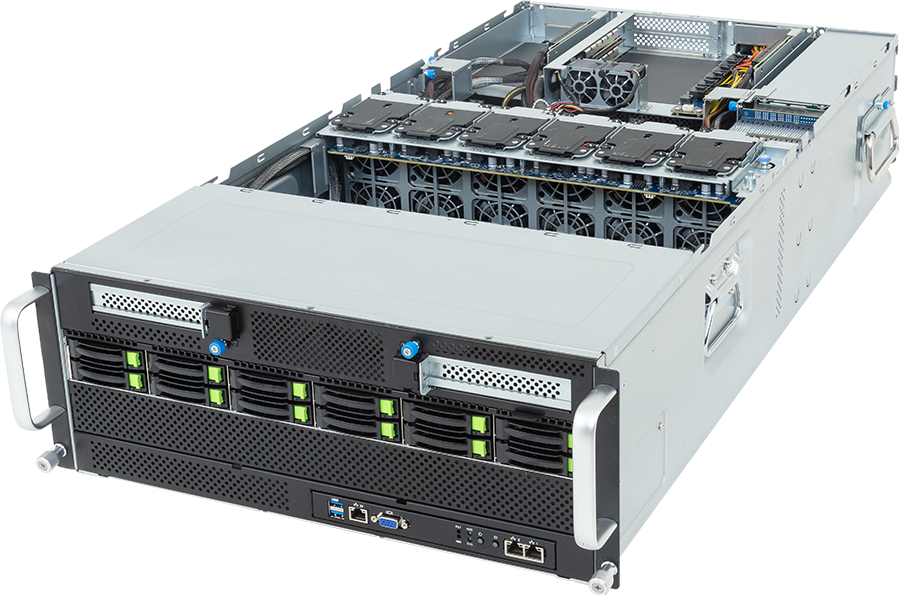
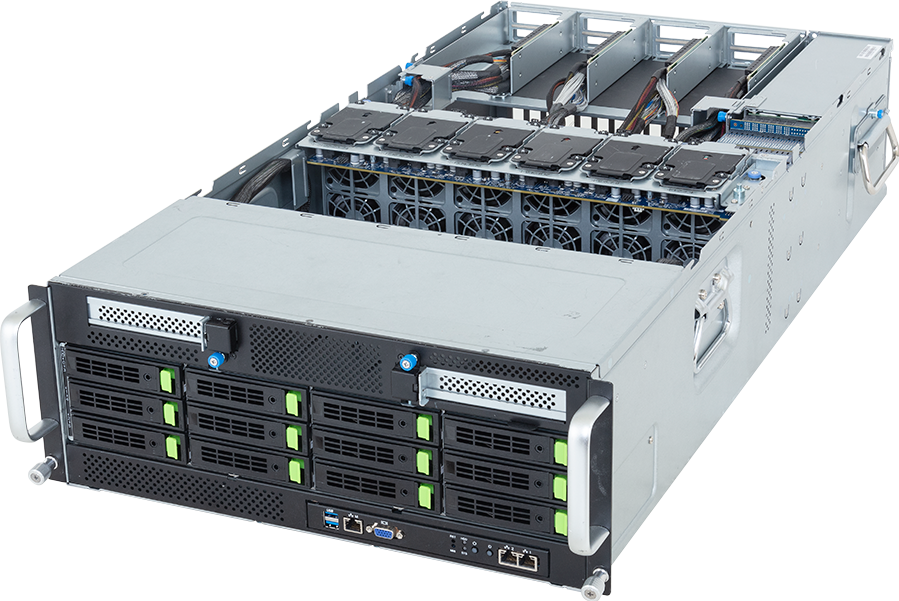
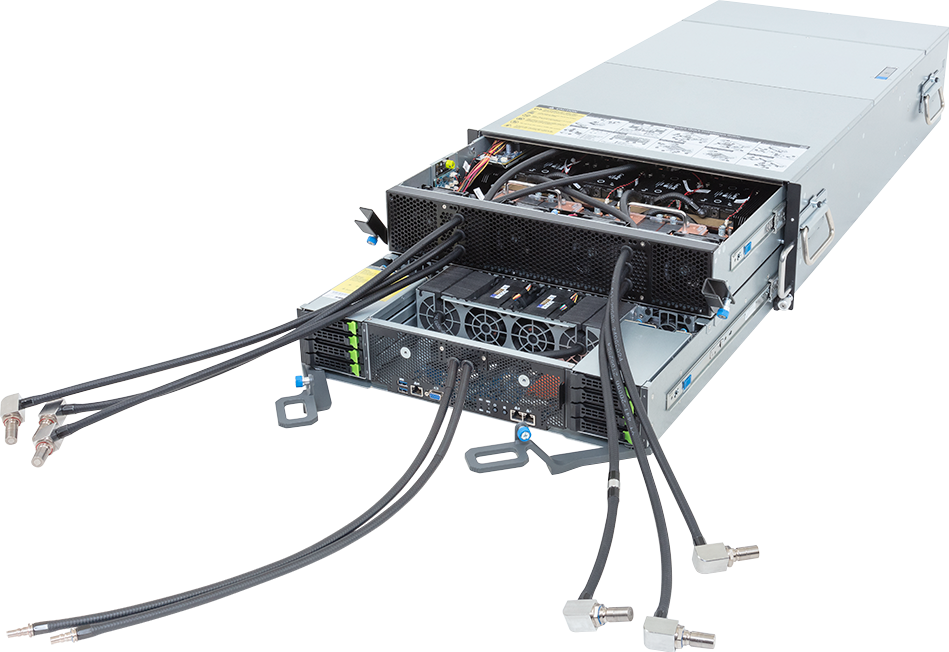
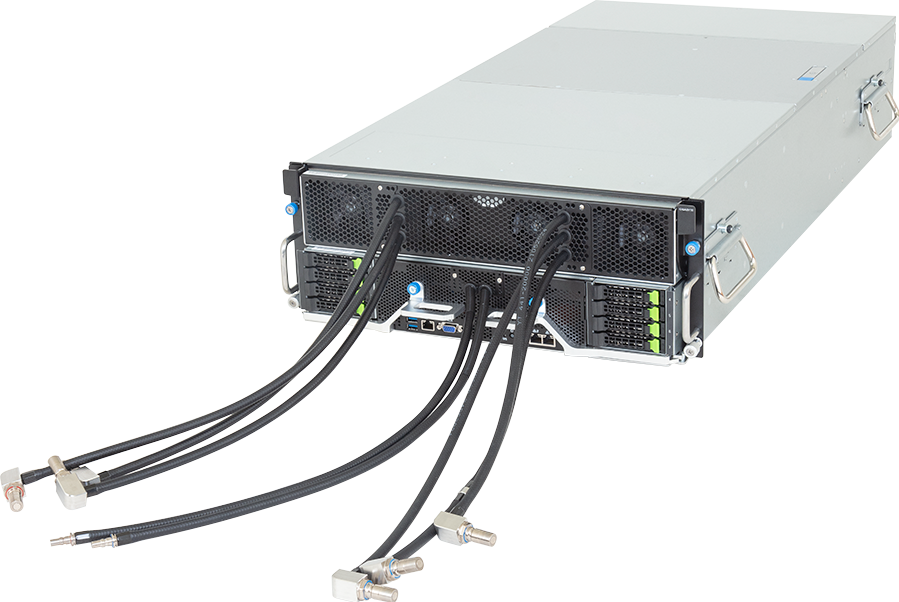
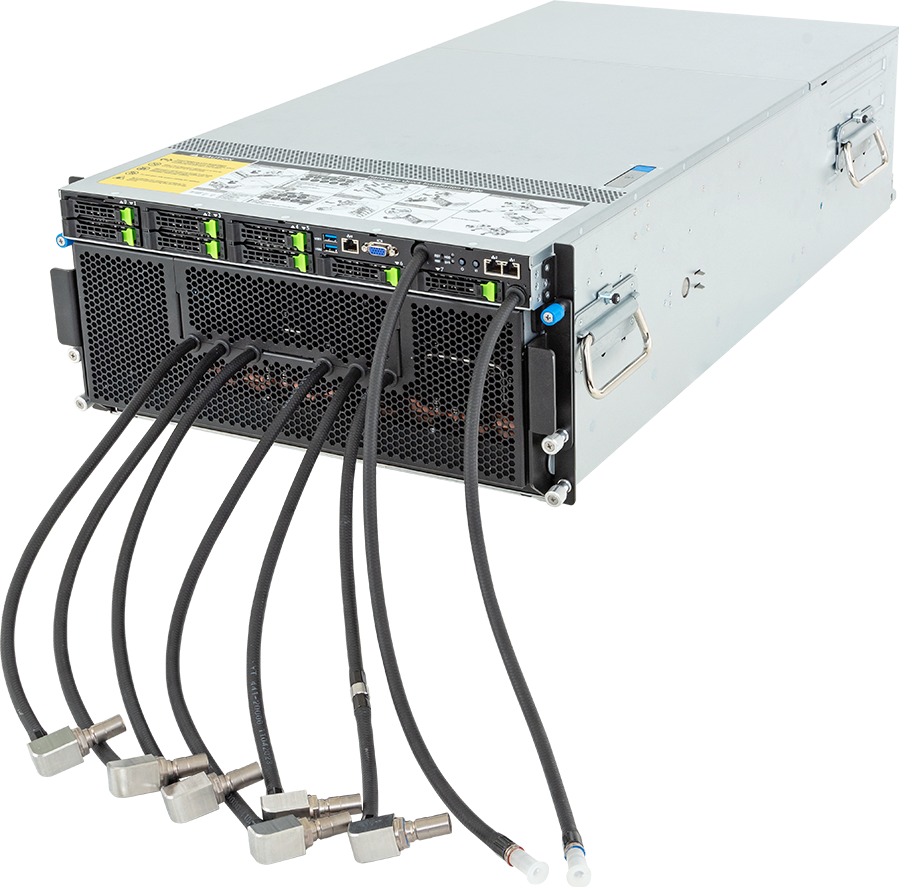
الأجهزة: تدمج خوادم GPU من سلسلة G-Series عدة بطاقات GPU في هيكل مدمج وعالي الكثافة، لتقديم حلول HPC قابلة للتوسع للذكاء الاصطناعي والتعلم العميق. وتُستخدم تقنيات الحوسبة المتوازية لمعالجة بيانات الصور بسرعات عالية جداً. فعلى سبيل المثال، يستخدم أحد المطورين ذائعي الصيت عالمياً لتقنيات القيادة الذاتية جهاز GIGABYTE G291-281 لتدريب سياراته ذاتية القيادة.
البرمجيات: يُعد نظام Myelintek MLSteam لتدريب DNN، الذي يشكل جزءاً من جهاز GIGABYTE لتدريب DNN، منصة جاهزة للاستخدام لتدريب DNN. ويتميز ببيئة أجهزة وبرمجيات محمّلة مسبقاً وموثّقة ومحسّنة، وتضم عدداً من أطر ومكتبات التعلم العميق الشائعة. كما تستند واجهة المستخدم الرسومية إلى المتصفح، ما يتيح لك مراقبة حالة النظام ونتائج التدريب. أما المنصة الخلفية فهي خادم GPU من سلسلة G-Series من GIGABYTE، الذي يدعم إحدى أعلى كثافات تكوين بطاقات GPU المتاحة في السوق.
الأجهزة: تدمج خوادم GPU من سلسلة G-Series عدة بطاقات GPU في هيكل مدمج وعالي الكثافة، لتقديم حلول HPC قابلة للتوسع للذكاء الاصطناعي والتعلم العميق. وتُستخدم تقنيات الحوسبة المتوازية لمعالجة بيانات الصور بسرعات عالية جداً. فعلى سبيل المثال، يستخدم أحد المطورين ذائعي الصيت عالمياً لتقنيات القيادة الذاتية جهاز GIGABYTE G291-281 لتدريب سياراته ذاتية القيادة.
البرمجيات: يُعد نظام Myelintek MLSteam لتدريب DNN، الذي يشكل جزءاً من جهاز GIGABYTE لتدريب DNN، منصة جاهزة للاستخدام لتدريب DNN. ويتميز ببيئة أجهزة وبرمجيات محمّلة مسبقاً وموثّقة ومحسّنة، وتضم عدداً من أطر ومكتبات التعلم العميق الشائعة. كما تستند واجهة المستخدم الرسومية إلى المتصفح، ما يتيح لك مراقبة حالة النظام ونتائج التدريب. أما المنصة الخلفية فهي خادم GPU من سلسلة G-Series من GIGABYTE، الذي يدعم إحدى أعلى كثافات تكوين بطاقات GPU المتاحة في السوق.