SMP
SMP
What is it?
SMP stands for shared-memory multiprocessing or symmetric multiprocessing. In effect, it describes a multiprocessor architecture in which two or more identical CPUs share the same main memory, enjoy equal access to all input and output devices, and are controlled by the same operating system that does not differentiate between the CPUs. If each CPU has more than one core, the SMP architecture will treat each individual core as a separate CPU.
Most modern multiprocessor systems employ a form of SMP architecture to achieve optimal performance, since SMP allows any CPU to work on any task that's stored in the main memory. The SMP system can allocate tasks to different processors to make full use of its computing resources and balance the workload more effectively. It is also suitable for use with applications that require only a few processors, but need to complete large-scale data computation and analysis.
Most modern multiprocessor systems employ a form of SMP architecture to achieve optimal performance, since SMP allows any CPU to work on any task that's stored in the main memory. The SMP system can allocate tasks to different processors to make full use of its computing resources and balance the workload more effectively. It is also suitable for use with applications that require only a few processors, but need to complete large-scale data computation and analysis.
Why do you need it?
The advantages of SMP include a simple system architecture, easy management, a cost-effective way to increase throughput, and easily compiled parallel computing programs. However, there may be some disadvantages, such as poor scalability and high expansion costs. The operating system and software programs must also be optimized to take full advantage of the SMP architecture.
Because of this, the SMP architecture is less often used in personal computers, but it has become a staple in server systems, which often need to multitask and execute multiple programs at the same time. When the server is running more than one program simultaneously, the SMP architecture consistently delivers better performance than systems powered by a single processor. The issue of scalability can usually be mitigated with innovative server designs.
Because of this, the SMP architecture is less often used in personal computers, but it has become a staple in server systems, which often need to multitask and execute multiple programs at the same time. When the server is running more than one program simultaneously, the SMP architecture consistently delivers better performance than systems powered by a single processor. The issue of scalability can usually be mitigated with innovative server designs.
How is GIGABYTE helpful?
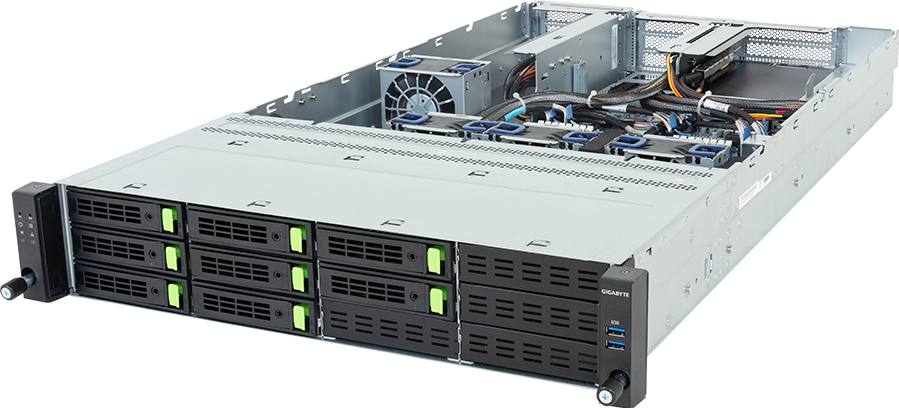
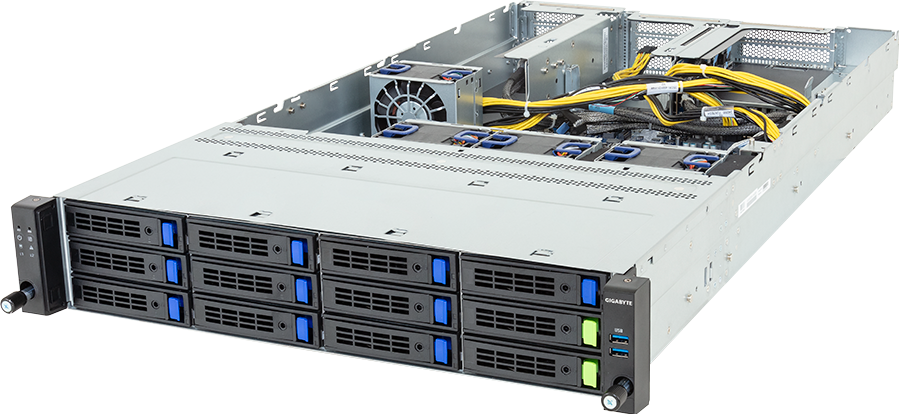
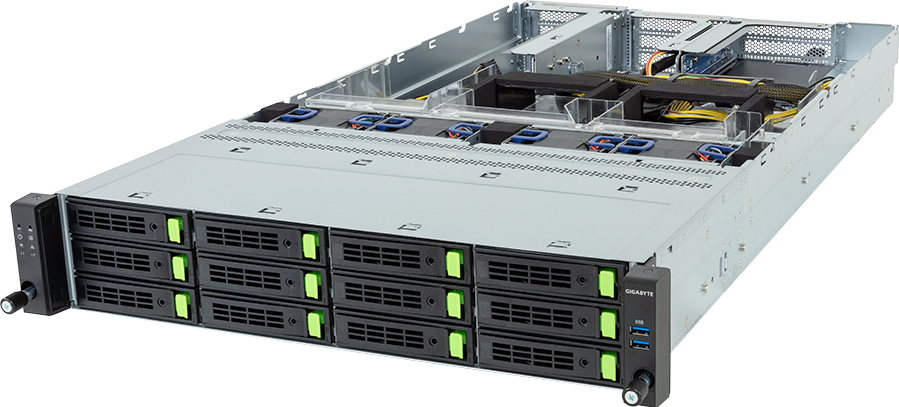
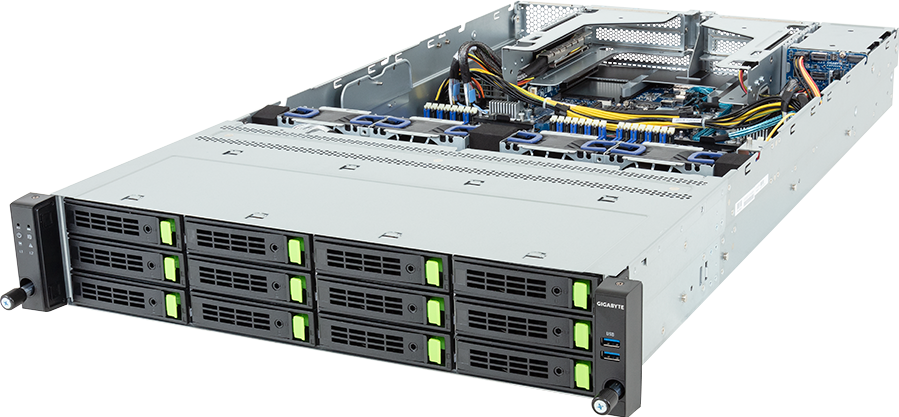
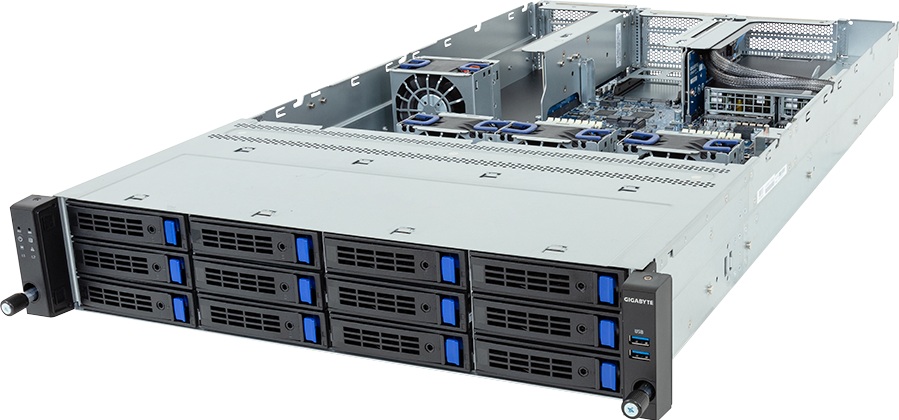
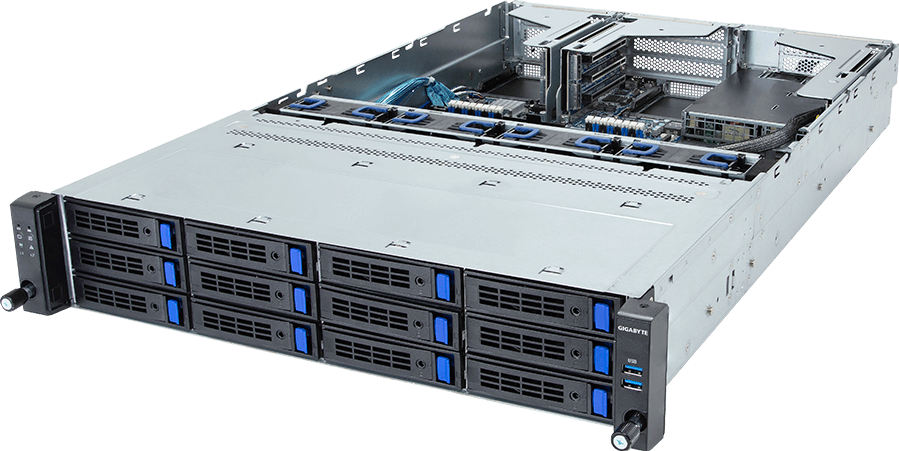
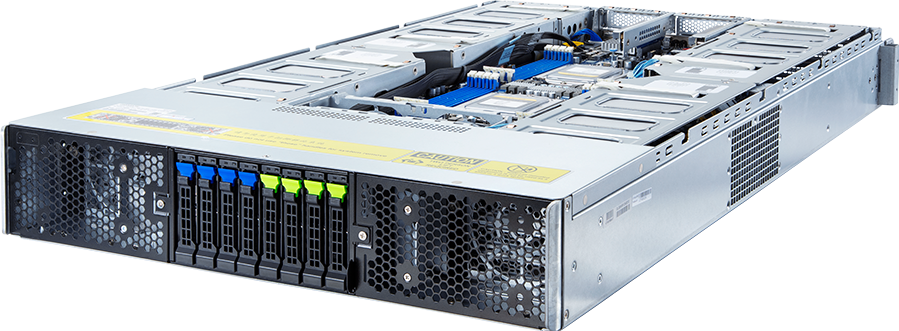
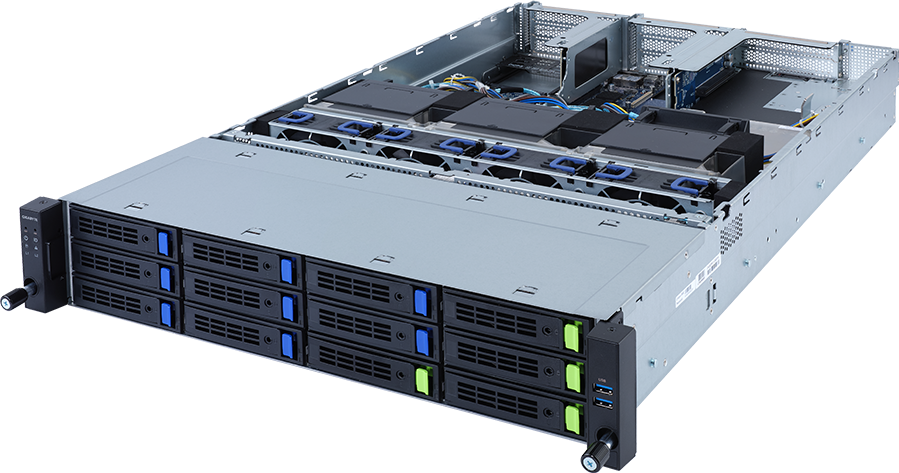
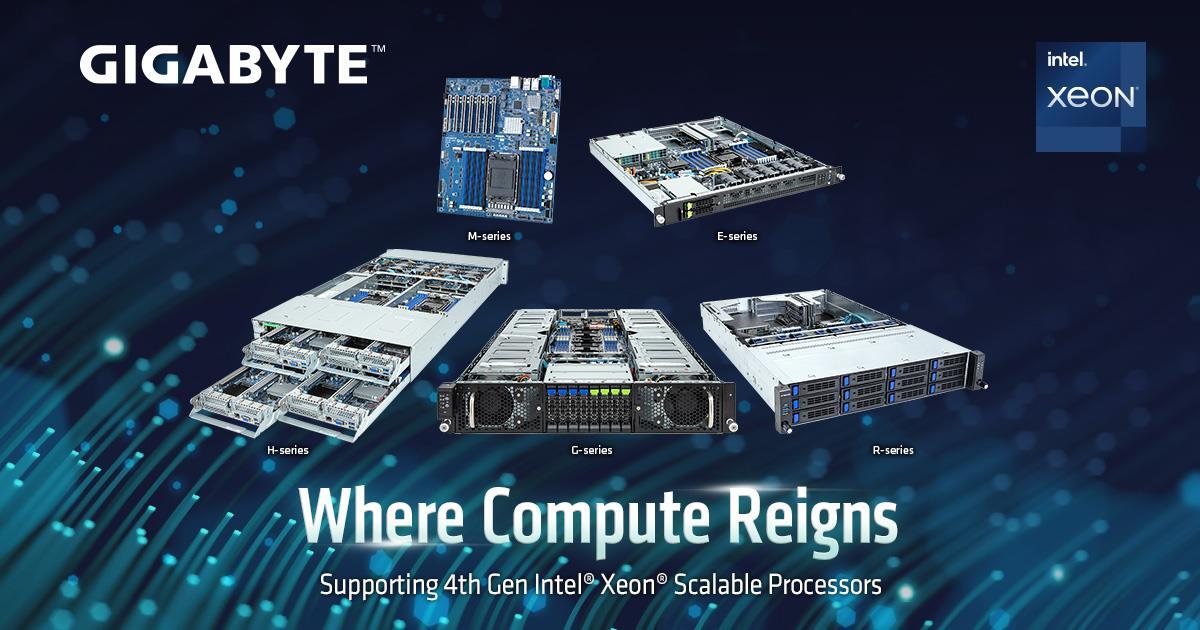
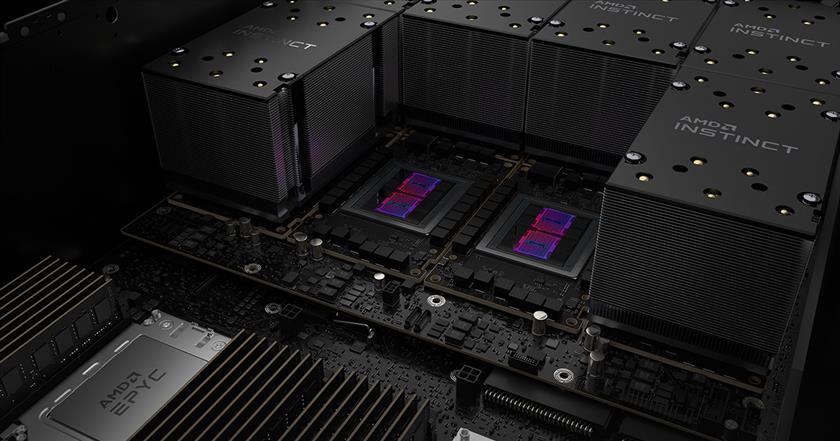
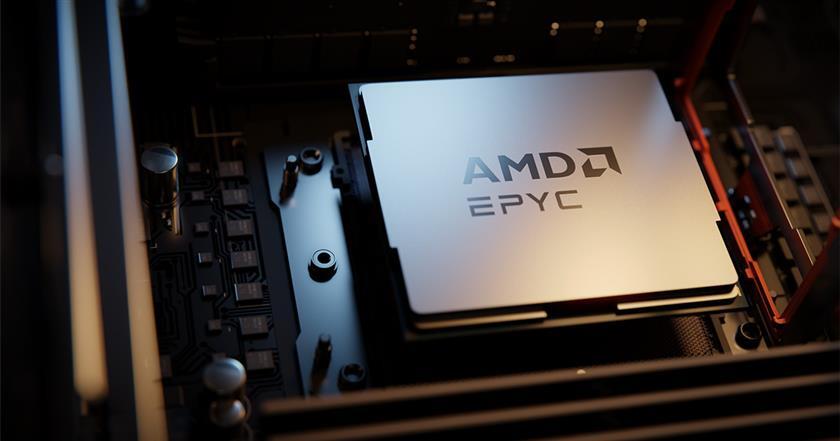
GIGABYTE's server solutions that run on more than one CPU mostly utilize some form of the SMP architecture. For example, the R282-Z9G from the R-Series of Rack Servers is based on dual AMD EPYC™ 7003 series processors, which can deliver extremely high throughput to pave the way for faster communication between the CPUs (and between the CPUs and GPU accelerators) for use in HPC or data analytics. The R292-4S1 is another good example; powered by 4-way 3rd Gen Intel® Xeon® Scalable Processors, it effectively mitigates the issue of scalability by offering greater flexibility, making it suitable for server workloads in cloud computing and edge computing.