1. Accueil
  2. Glossary
  3. Informatique en brouillard
Fog Computing

Informatique en brouillard

De quoi s’agit-il ?

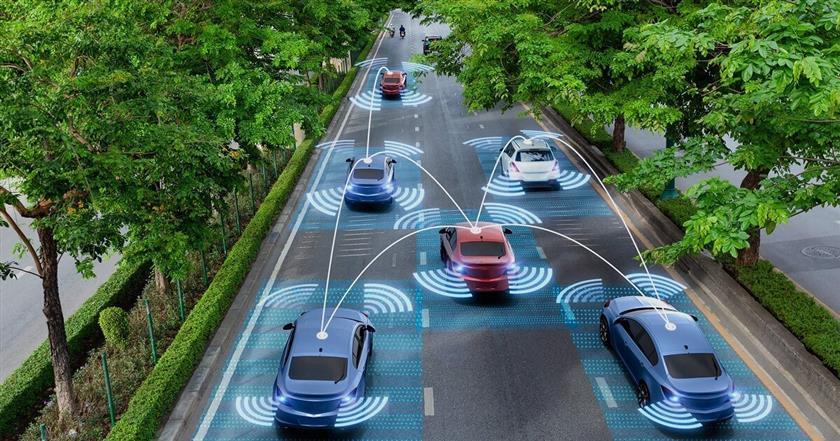
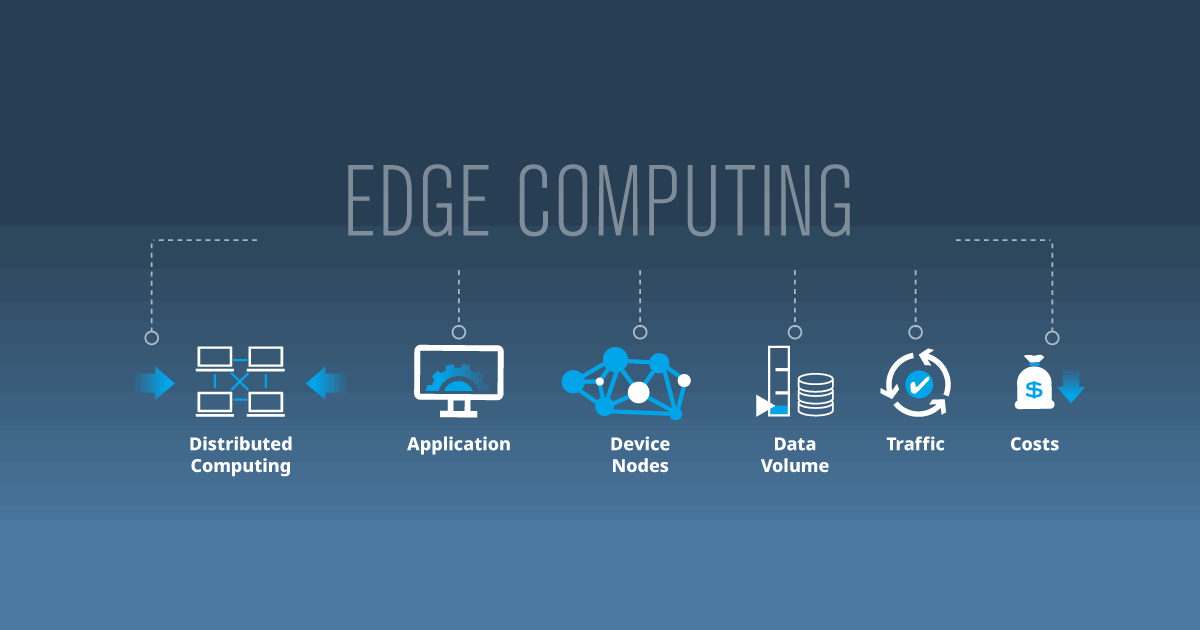
L’informatique en brouillard est un concept introduit pour la première fois par Cisco en 2014. Elle a suscité un intérêt croissant à mesure que de plus en plus d’appareils se connectent à Internet et génèrent d’importants volumes de données, ce qui rend de plus en plus difficile la prise en charge de l’ensemble des besoins de traitement par le seul cloud computing traditionnel. L’informatique en brouillard peut être considérée comme une extension du cloud computing : son idée centrale consiste à déplacer le traitement et le stockage des données des centres de données centralisés vers des nœuds plus proches des terminaux. En d’autres termes, l’informatique en brouillard ne remplace pas le cloud, mais ajoute une couche intermédiaire entre celui-ci et les appareils terminaux. Cette architecture contribue à réduire la latence de transmission des données et à améliorer la réactivité en temps réel, ce qui la rend particulièrement pertinente pour des applications telles que l’Internet des objets (IoT) et les villes intelligentes.
Lectures recommandées

5G MEC Networking Platform

5G MEC Networking Platform

Quick Access and Easy Deployment Solution for 5G Infrastructure
What is Edge Computing? Definition and Cases Explained

What is Edge Computing? Definition and Cases Explained

What is Edge Computing? Definition and Cases Explained
Neo ESD Inspection Powered by Facial Recognition

Neo ESD Inspection Powered by Facial Recognition

Facial recognition solutions for optimizing the safety check process
A Smarter Solution to Fight Agriculture Industry Change

A Smarter Solution to Fight Agriculture Industry Change

A Smarter Solution to Fight Agriculture Industry Change
Data Center Cooling: The Key to Green Computing and a Low-Carbon Transition

Data Center Cooling: The Key to Green Computing and a Low-Carbon Transition

Data Center Cooling: The Key to Green Computing and a Low-Carbon Transition
How to Benefit from AI in the Automotive & Transportation Industry

How to Benefit from AI in the Automotive & Transportation Industry

How to Benefit from AI in the Automotive & Transportation Industry
AI Face Recognition -Smart Library System

AI Face Recognition -Smart Library System

GIGABYTE facial recognition system is applied to the campus library. Utilizing AI technology to expand the IoT into physical settings, we're devoted to building convenient and sustainable learning environments for all students.
GIGABYTE annonce des serveurs optimisés pour la performance utilisant les processeurs Intel® Xeon® série 6900 avec P-core pour l'IA, l'informatique en cloud, et l'Edge & IOT

GIGABYTE annonce des serveurs optimisés pour la performance utilisant les processeurs Intel® Xeon® série 6900 avec P-core pour l'IA, l'informatique en cloud, et l'Edge & IOT

Une architecture SOC modulaire pour P-core & E-core
Ushering in a New Era of Smart Healthcare Applications with 5G-based MEC

Ushering in a New Era of Smart Healthcare Applications with 5G-based MEC

Ushering in a New Era of Smart Healthcare Applications with 5G-based MEC
AI Recognition Solution for Open Space Management

AI Recognition Solution for Open Space Management

GIGABYTE integrates AI and IoT technology with professional partners to provide "Open Space Management Solution" to help your spaces introduce technological services and digitalization upgrade.