1. Home
  2. Glossary
  3. Fog Computing

Fog Computing

What is it?

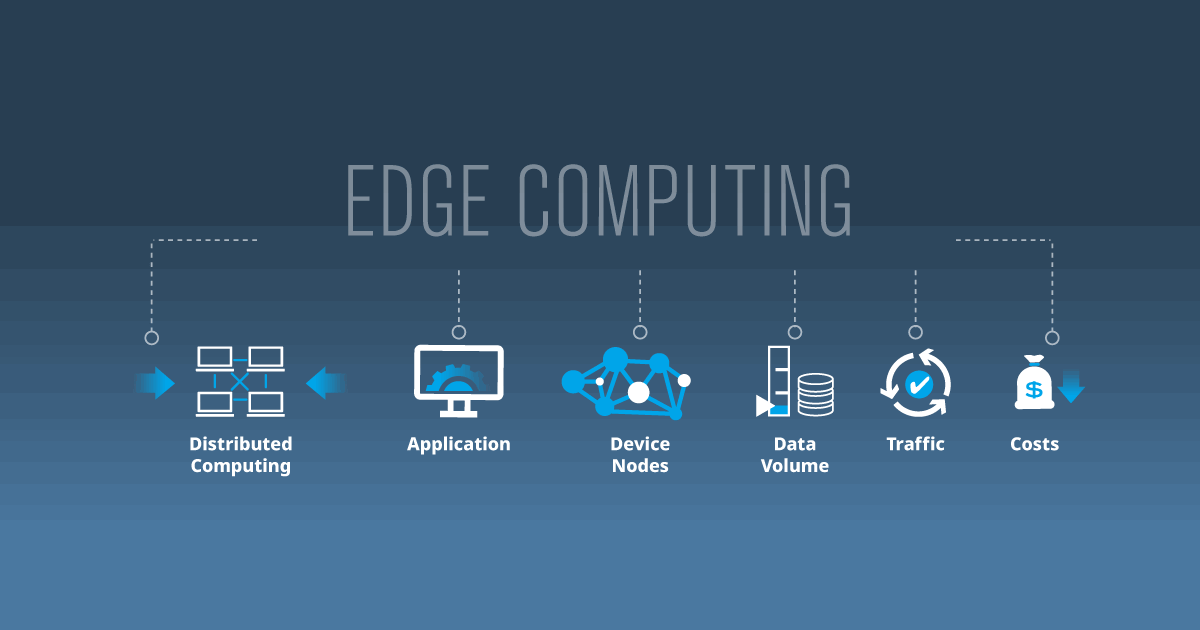
Fog Computing is a concept first introduced by Cisco in 2014. It has gained widespread attention as more and more devices connect to the internet and generate massive amounts of data, making it increasingly difficult for traditional cloud computing alone to handle all processing needs. Fog computing can be seen as an extension of cloud computing—its key idea is to shift data processing and storage from centralized data centers to nodes closer to end devices. In other words, fog computing does not replace the cloud but adds an intermediate layer between the cloud and endpoint devices. This architecture helps reduce data transmission latency and improves real-time responsiveness, making it especially valuable in applications such as the Internet of Things (IoT) and smart cities.
Recommended Reading

5G MEC Networking Platform

5G MEC Networking Platform

Quick Access and Easy Deployment Solution for 5G Infrastructure
Article
Article
Neo ESD Inspection Powered by Facial Recognition

Neo ESD Inspection Powered by Facial Recognition

Facial recognition solutions for optimizing the safety check process
Article
Article
AI Face Recognition -Smart Library System

AI Face Recognition -Smart Library System

GIGABYTE facial recognition system is applied to the campus library. Utilizing AI technology to expand the IoT into physical settings, we're devoted to building convenient and sustainable learning environments for all students.
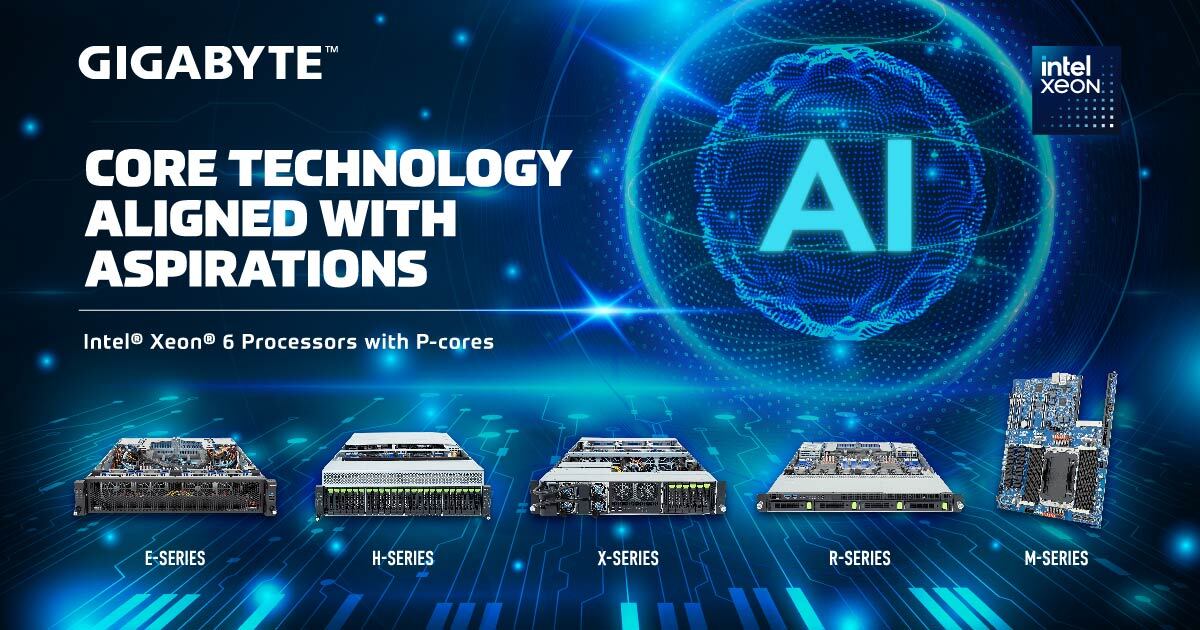
GIGABYTE Announces Performance Optimized Servers Using Intel® Xeon® 6900-series with P-core for AI, Cloud Computing, and Edge & IOT

GIGABYTE Announces Performance Optimized Servers Using Intel® Xeon® 6900-series with P-core for AI, Cloud Computing, and Edge & IOT

A modular SOC architecture for P-core & E-core
Article
Article