GPU (Graphics Processing Unit)
What is a GPU (Graphics Processing Unit)?
The GPU, which stands for Graphics Processing Unit, is a processor designed for parallel computing, capable of performing large numbers of similar operations simultaneously. GPUs were originally developed primarily for graphics rendering, using parallel processing to accelerate the mathematical calculations required to generate video game graphics, 3D models, and digital images.
As GPUs became increasingly programmable, their applications expanded beyond graphics processing to general-purpose computing. This approach, known as GPGPU (General-Purpose Computing on Graphics Processing Units), enables GPUs to handle non-graphics workloads that require substantial computational power.
From graphics components in personal computers to powerful processors supporting large-scale computing workloads, GPUs have evolved far beyond their original role in graphics rendering. Today, they serve as essential computing resources for artificial intelligence (AI) and high-performance computing (HPC).
Why Are GPUs Important, and What Are They Used For?
In consumer applications, GPUs are primarily responsible for rendering game graphics, ray tracing, and processing visual effects. More powerful GPUs can generally deliver smoother gaming experiences at higher resolutions and graphics settings, allowing players to enjoy more realistic and immersive virtual environments.
For professional content creators, GPUs accelerate 3D modeling, animation rendering, video editing, and visual effects production, significantly reducing the time required to complete creative projects. Large production teams can use workstations or dedicated rendering servers to handle complex workloads, while smaller studios can leverage cloud-based render farms to access computing resources on demand and improve production efficiency.
In enterprise and research environments, GPUs are widely used for high-performance computing (HPC), scientific simulations, engineering analysis, and large-scale data processing. Because these workloads often involve massive numbers of mathematical operations that can be performed simultaneously, GPUs can leverage their parallel processing capabilities to accelerate complex computations and analysis.
With the rapid advancement of AI, GPUs have also become fundamental to model training and inference. During training, large language models (LLMs), multimodal models, and generative AI models often require multiple GPUs working together to process massive datasets and computational workloads. Once these models are deployed, GPUs also accelerate inference, enabling a wide range of real-time AI services.
Furthermore, the emergence of Reasoning AI and Agentic AI is driving additional demand for inference computing. These AI systems often involve more complex reasoning processes, multi-step tasks, and repeated model calls, increasing the computational resources required for inference. From individual GPUs and enterprise-grade GPU servers to large-scale GPU accelerator clusters, GPUs have become indispensable computing resources at the heart of modern AI factories.
GPU vs. CPU: What Is the Difference?
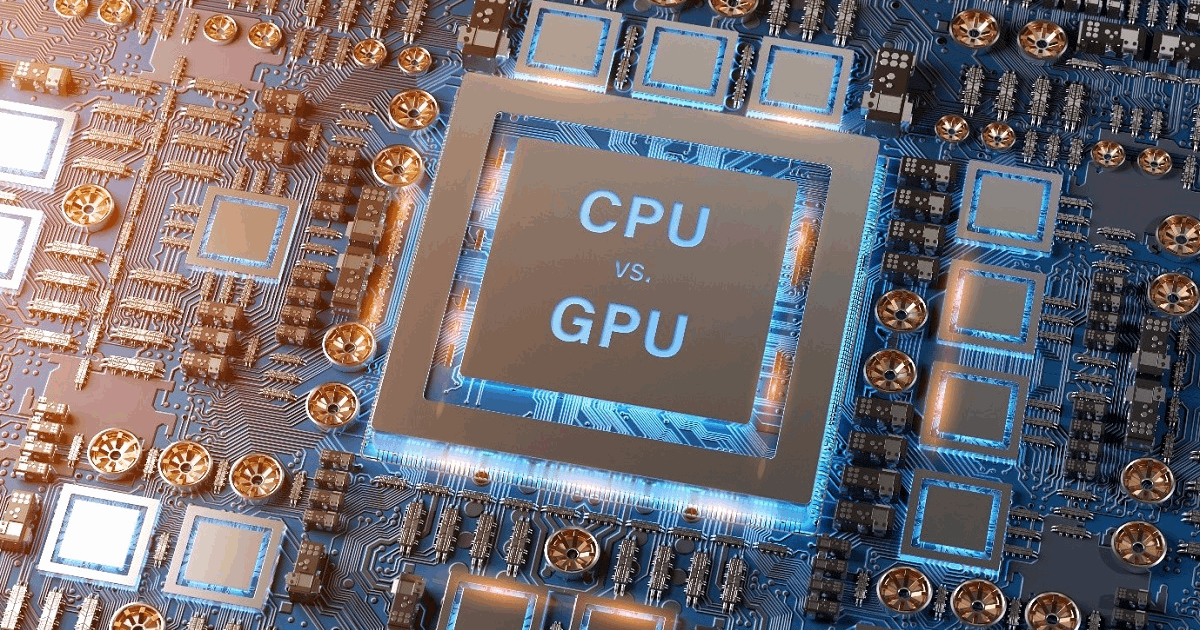
CPUs and GPUs are both processors, but they are designed for different types of work.
CPUs use fewer but more versatile cores that can handle complex instructions, system control, and rapidly changing tasks. GPUs use large numbers of streamlined cores to execute similar operations in parallel.
In AI systems, GPUs typically handle model training and inference, while CPUs manage data processing, application services, storage and network I/O, model orchestration, and agentic AI workflows.
The question is therefore not simply CPU or GPU, but how efficiently the two divide workloads and exchange data.
Learn More: CPU vs. GPU: Which Processor is Right for You?
Learn More: CPU vs. GPU: Which Processor is Right for You?
GPU vs. Graphics Card: What Is the Difference?
A GPU is the processor that performs the computation, while a graphics card is a complete hardware product built around that GPU.
Data center GPUs may instead use PCIe accelerators, high-density GPU modules, or integrated accelerated computing platforms. In AI and HPC, GPU therefore refers to a computing accelerator rather than simply a device for displaying graphics.
In addition to the GPU, a graphics card typically includes VRAM, a PCB, power delivery, cooling, and display interfaces. In personal computers, GPUs are commonly delivered as discrete graphics cards.
Data center GPUs may instead use PCIe accelerators, high-density GPU modules, or integrated accelerated computing platforms. In AI and HPC, GPU therefore refers to a computing accelerator rather than simply a device for displaying graphics.
How is GIGABYTE helpful?
For consumers, GIGABYTE offers NVIDIA- and AMD-based graphics cards across AORUS, GAMING, AERO, and EAGLE product families for gaming, AI-assisted creation, and content production, with both air- and liquid-cooling options.
GPU acceleration also extends across GIGABYTE and AORUS laptops. From high-performance gaming systems to creator laptops and AI PCs, discrete GPUs support not only gaming but also 3D modeling, video production, generative AI, and other local AI workloads.
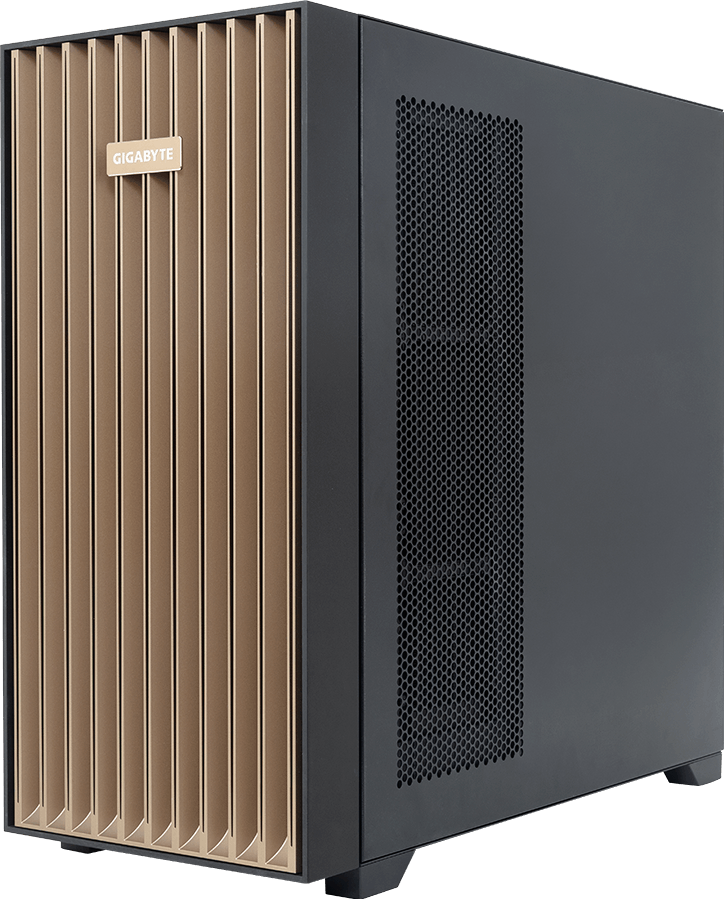
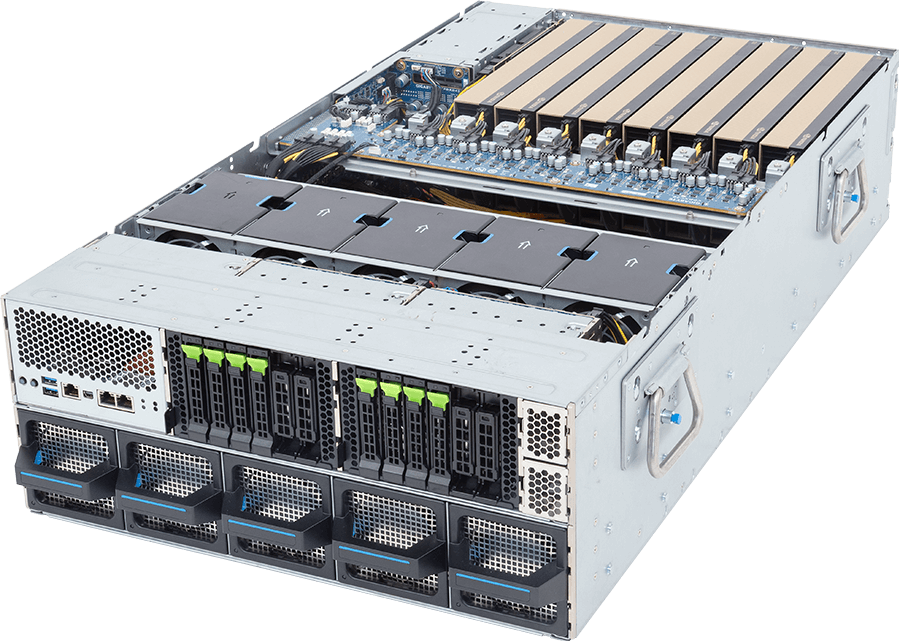
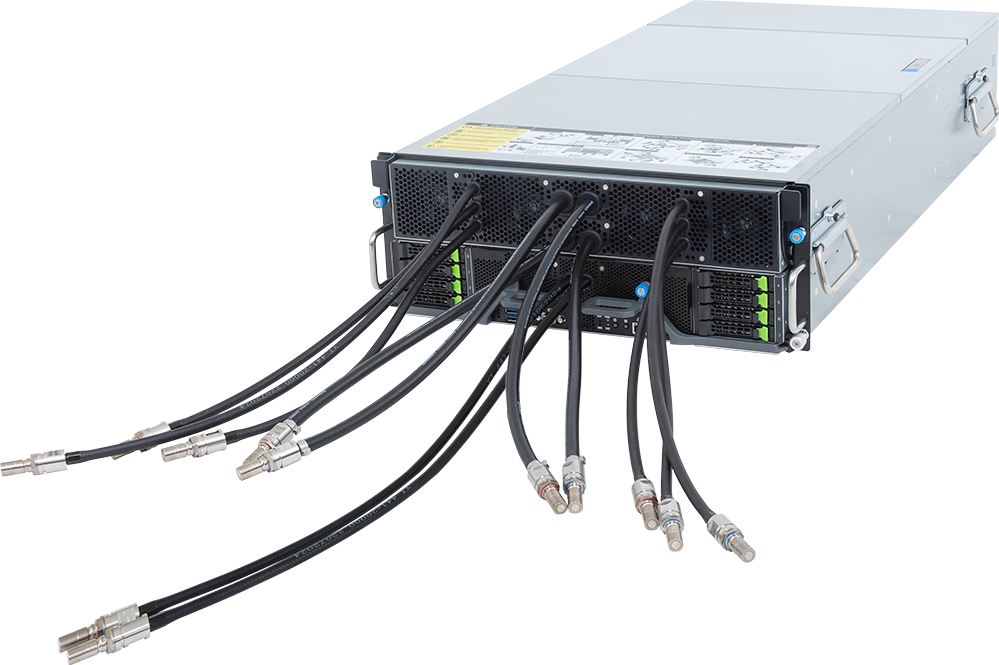
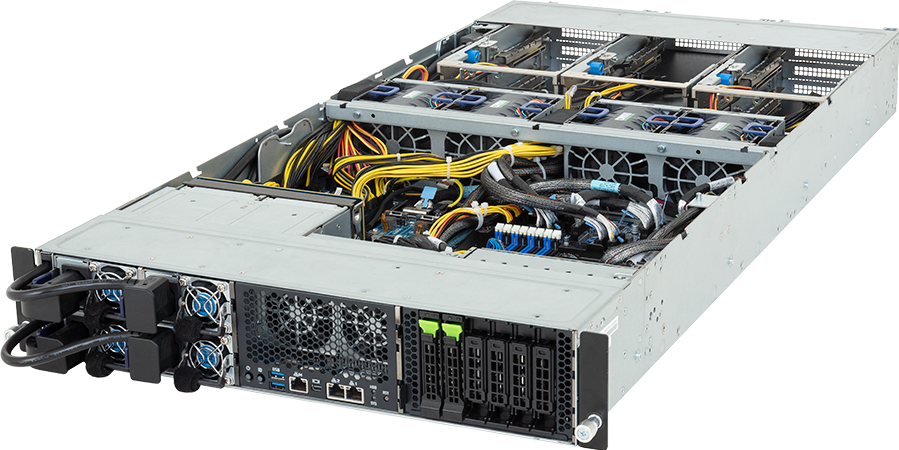
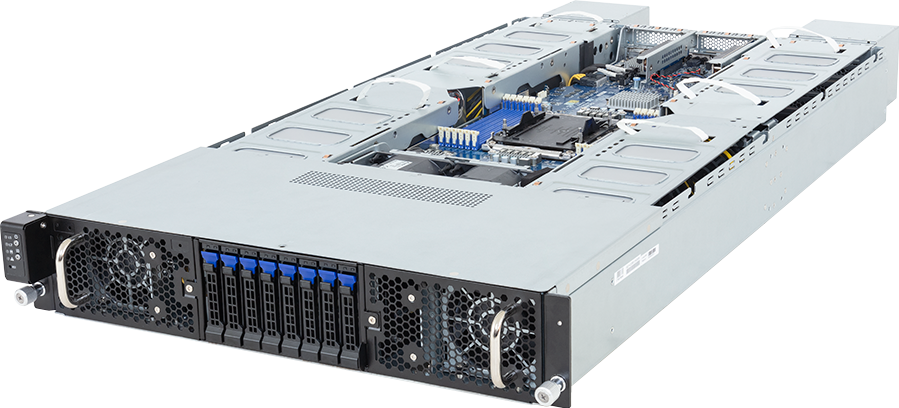
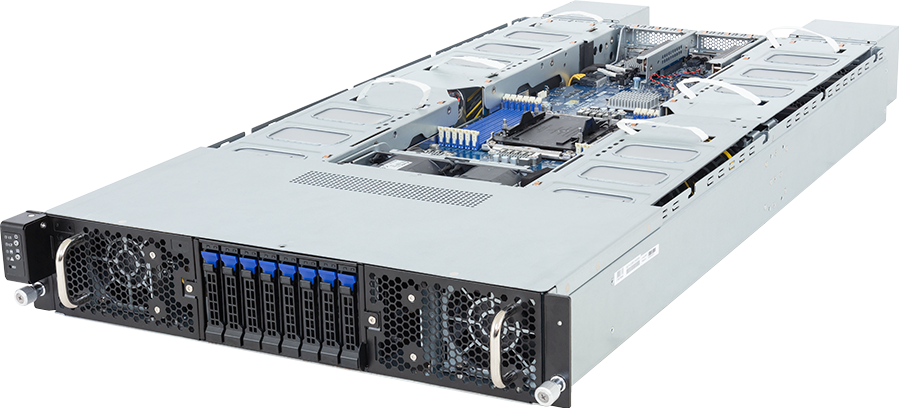
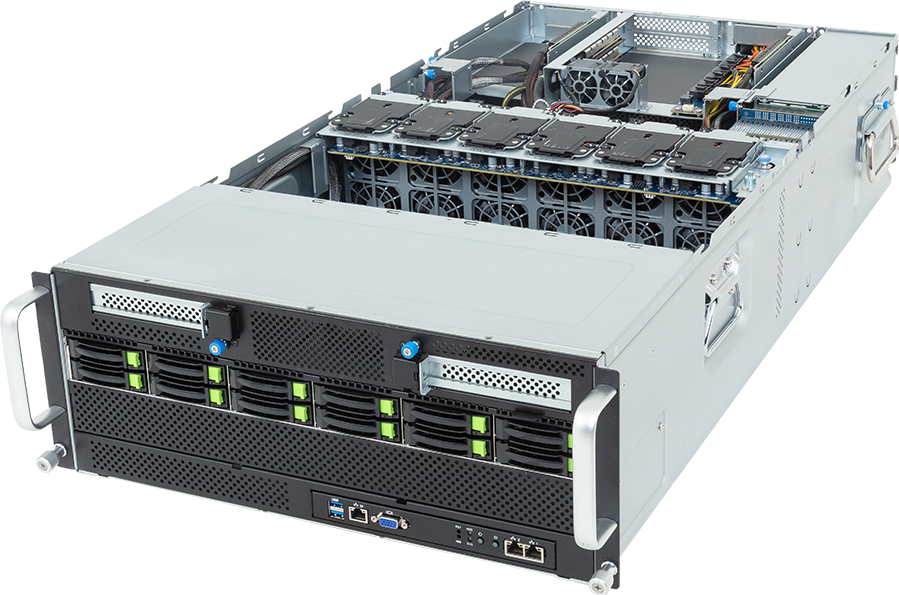
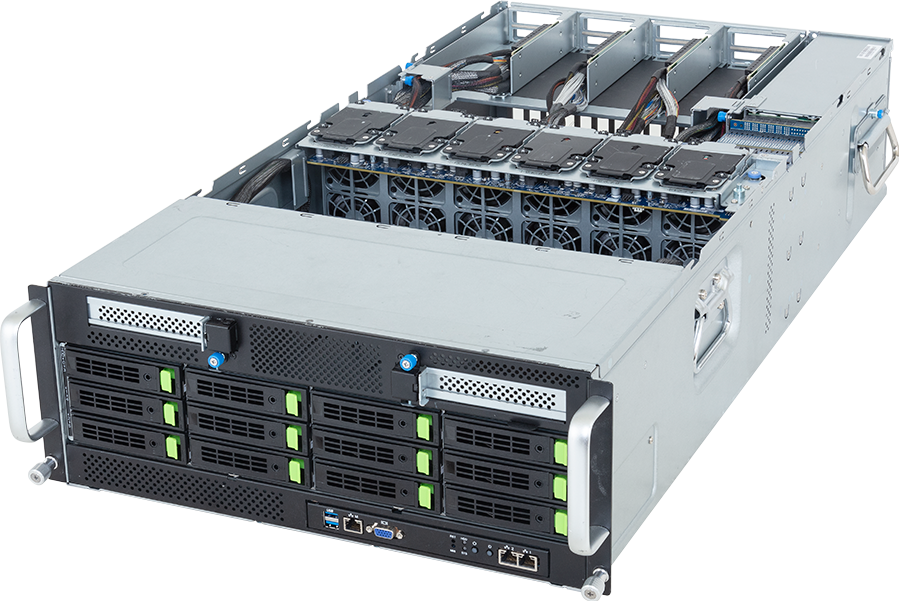
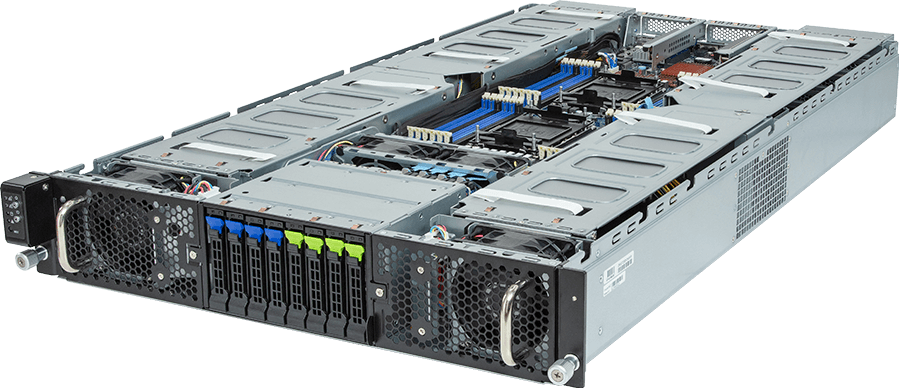
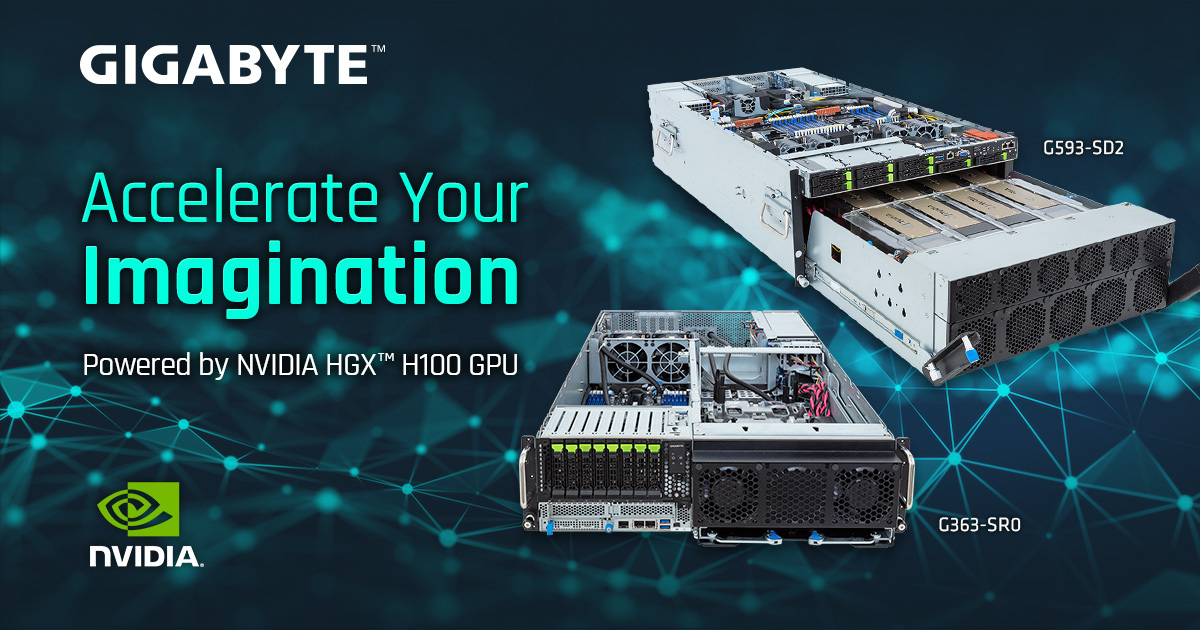
For enterprise computing, GIGABYTE provides a broad range of GPU and AI accelerator server platforms supporting different vendors, specifications, and form factors, from PCIe accelerators and high-density modules to large-scale AI computing platforms for training, inference, HPC, digital twins, and scientific research.
These platforms are also used in real-world scientific research. CERN has deployed GIGABYTE GPU servers to support Large Hadron Collider data analysis, while Lowell Observatory has used GIGABYTE systems for exoplanet research. GPU computing has evolved significantly from early single-server GPGPU workloads to today's large clusters connected through high-speed interconnects.
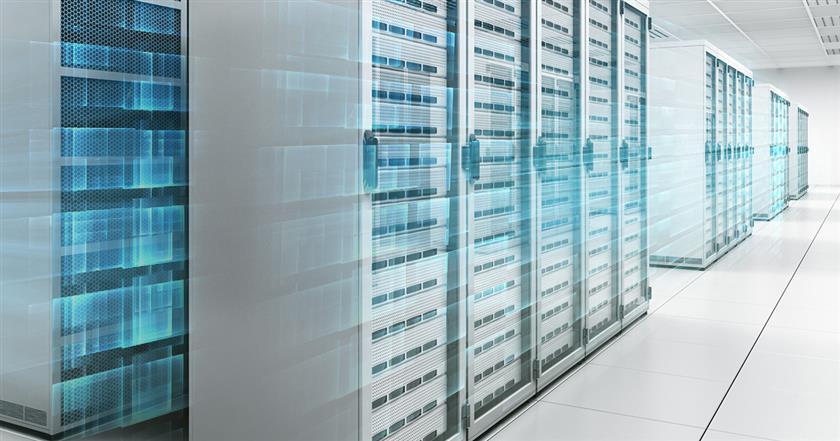
For AI factory deployments, GIGAPOD integrates GPU servers, high-speed networking, storage, cooling, and GIGABYTE POD Manager (GPM), allowing GPU computing to scale from personal systems and individual servers to rack-scale and cluster-scale AI infrastructure.