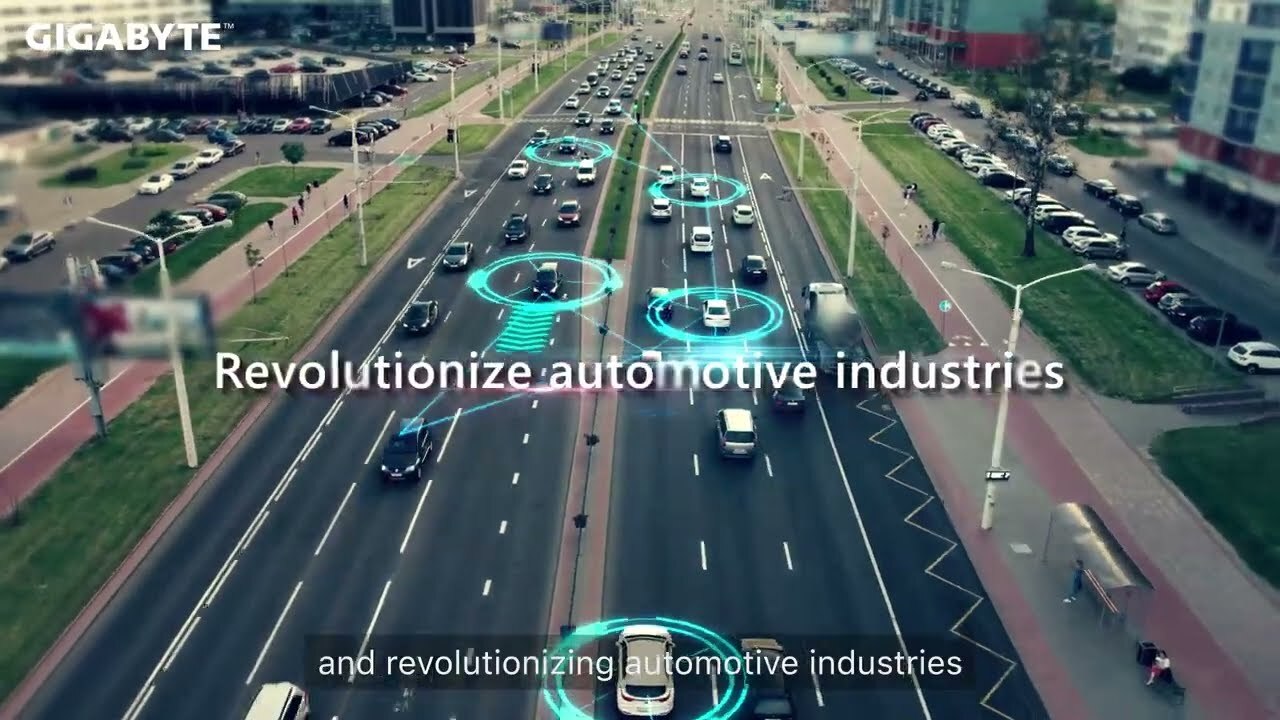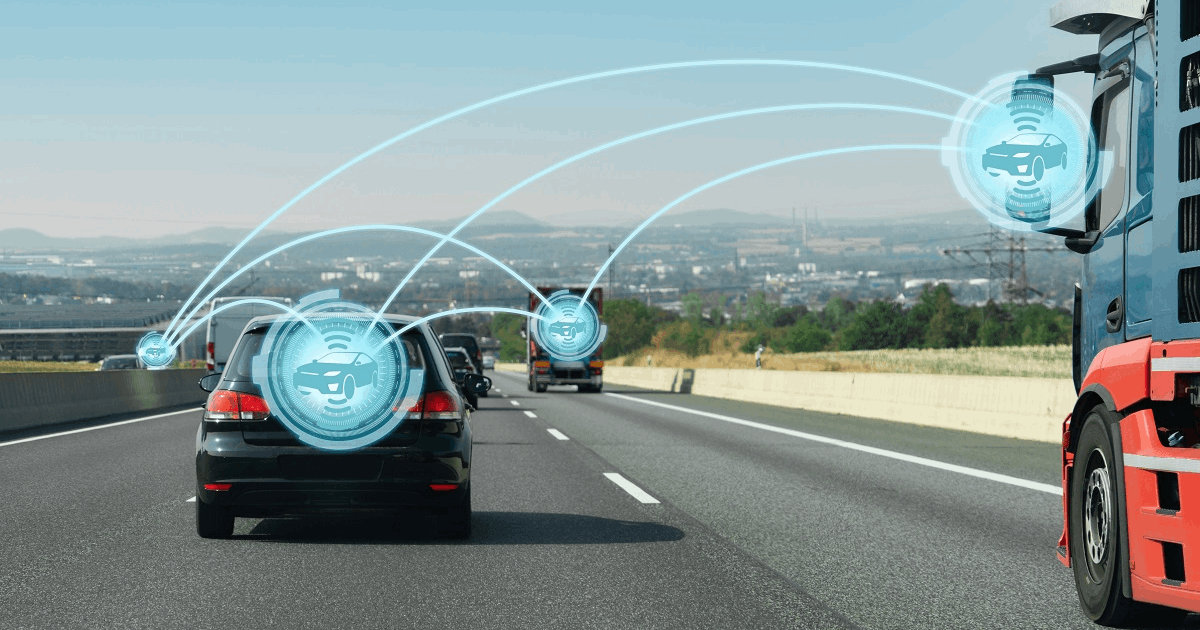
As AI and 5G technologies progressively mature, leading automakers and tech giants started investing in autonomous vehicle industries. They expect the popularization of automated driving can help boost car acceleration and braking efficiency, improve fuel efficiency, decrease carbon emissions, and build a safer environment for humans.
According to Worldwide Autonomous Vehicle Forecast, 2020-2024 from the International Data Corporation (IDC), the export volume of autonomous vehicles will reach 54.25 million in 2024, leading to an 18.3% increase in the compound annual growth rate from 2020 to 2024. Statistics show autonomous vehicles will be a dominant trend in the automobile industry. To catch the wave of autonomous vehicles, let’s start from learning the 6 most seen technical terms in the field!
According to Worldwide Autonomous Vehicle Forecast, 2020-2024 from the International Data Corporation (IDC), the export volume of autonomous vehicles will reach 54.25 million in 2024, leading to an 18.3% increase in the compound annual growth rate from 2020 to 2024. Statistics show autonomous vehicles will be a dominant trend in the automobile industry. To catch the wave of autonomous vehicles, let’s start from learning the 6 most seen technical terms in the field!
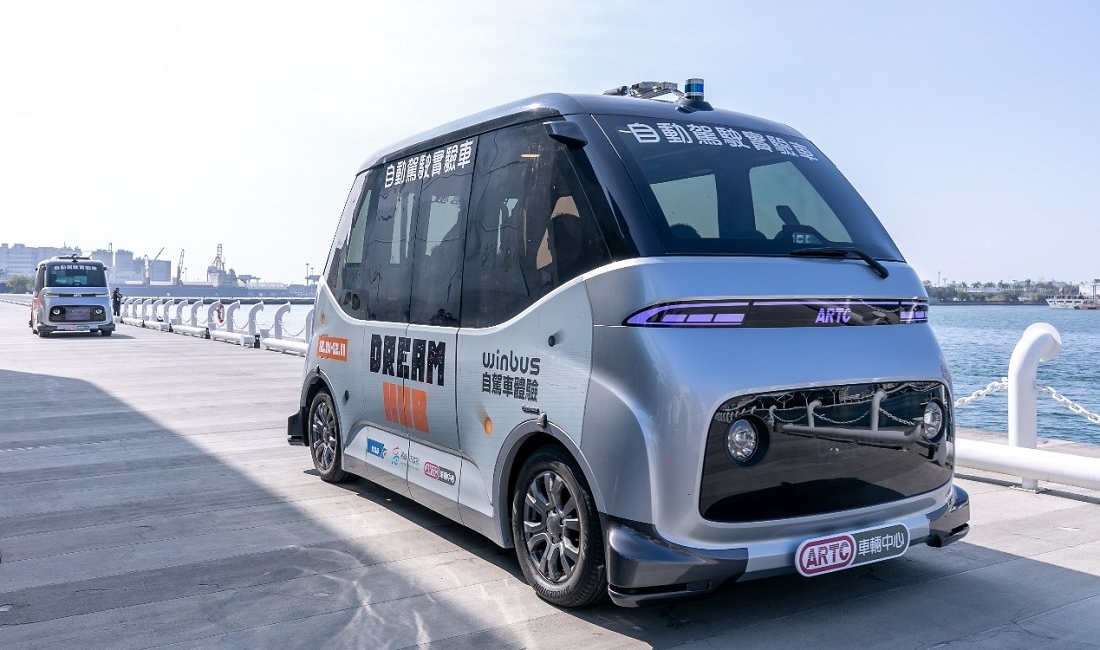
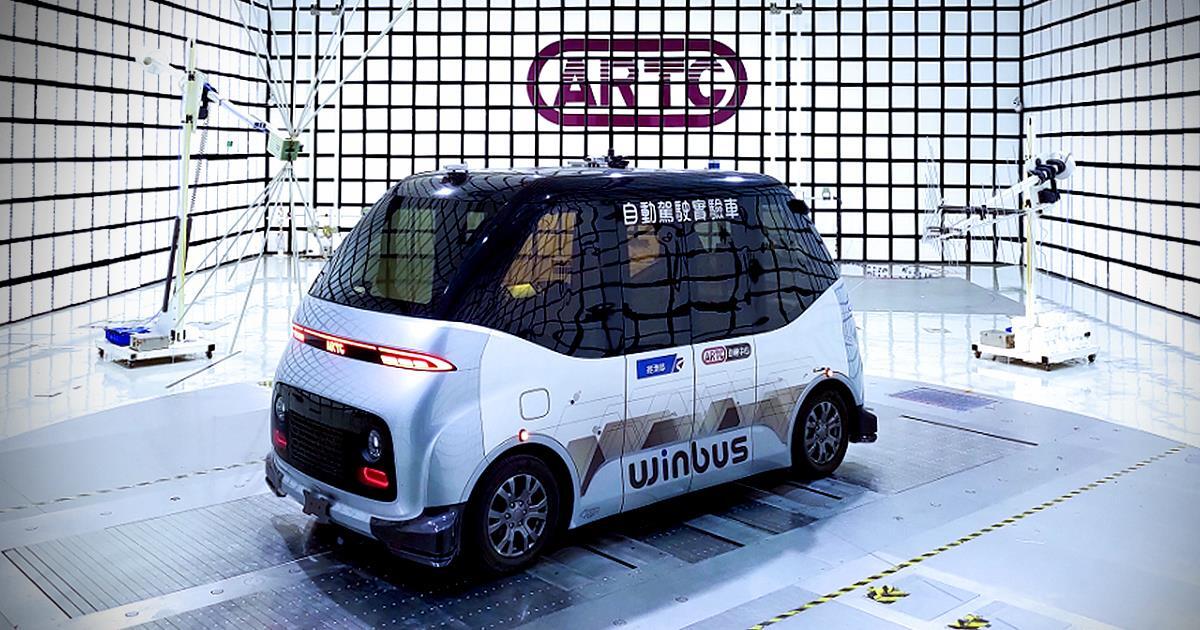
Developed by the Automotive Research Testing Center (ARTC), the WinBus is Taiwan’s first self-driving electric bus that has reached SAE Level 4 Driving Automation. At the heart of the autonomous vehicle is GIGABYTE PILOT, which is GIGABYTE Technology’s Autonomous-Driving Control Unit (ADCU), an AI Mobile Edge Computing Platform specifically designed for the next-generation autonomous vehicles.
ADAS
Advanced Driver Assistance Systems (ADAS) constantly monitor the vehicle’s surroundings, alert the driver of hazardous road conditions, and take corrective actions, such as slowing or stopping the vehicle. These systems use inputs from multiple sensors, such as cameras and radars. The fusion of these inputs is processed and the information is delivered to the driver and other parts of the system.
Telematics
Telematics is what happens when you combine vehicular technology with telecommunications and computer science. By using on-board computers to serve as the "brain" of the vehicle and telemetry to transmit data, a central controller can track vehicles and assets, manage a fleet remotely, schedule preventative maintenance, or even monitor driver behavior.
V2V
Vehicle-to-vehicle (V2V) is the inter-vehicular application of telematics and vehicle-to-everything (V2X) technology, in which vehicles connect with one another using anything from dedicated short-range communications (DSRC) to 5G, so that they form an IoT (Internet of Things) on wheels. The vehicles can share information about their respective speed, location, direction of travel, etc.
V2X
As telematics is incorporated in modern vehicles, it is possible for vehicles to wirelessly connect with other objects—whether it is the server room in the control center, infrastructure in our cities and on our roads, or even other vehicles. This is what is known as vehicle-to-everything, or V2X. In short, it is the Internet of Things (IoT) on wheels.
IIoT
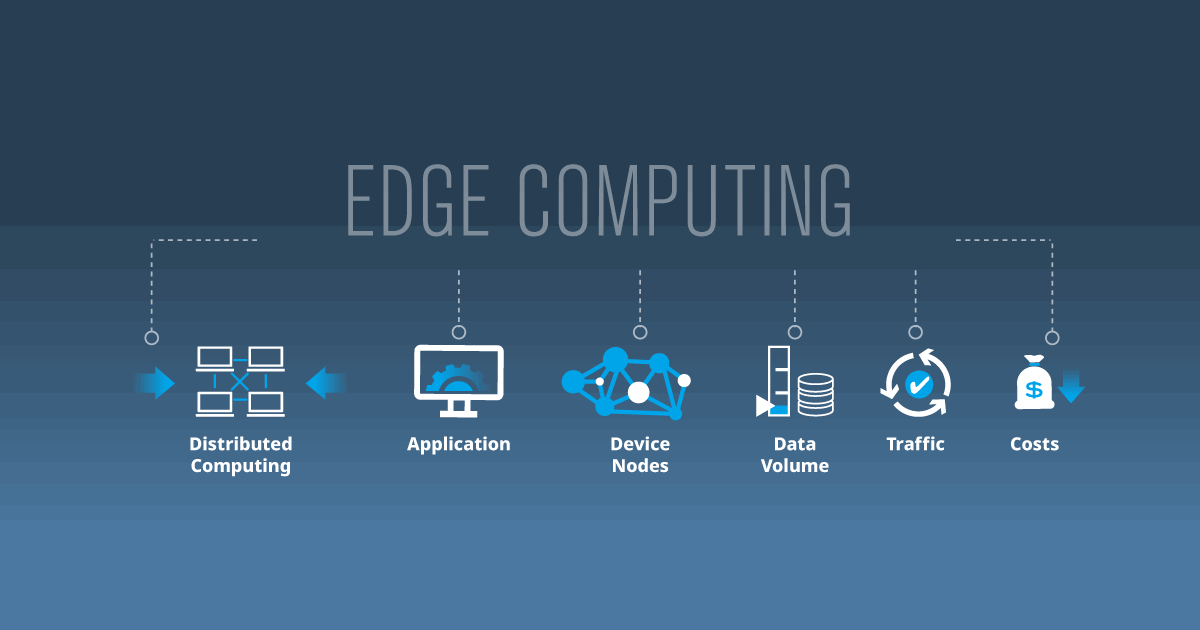
The Industrial Internet of Things, or IIoT, brings the benefits of IoT to industries such as automotive, energy, and manufacturing. By installing sensors to collect data and by using computers to work with the data, much of the production process can be automated or otherwise improved. This will lead to increased production and reduced waste. A lot of technological innovations, such as 5G communications, artificial intelligence (AI), big data, cloud computing, deep learning, and edge computing, will really come into their own once the IIoT has been successfully implemented in factories and on assembly lines.
CAN Bus
First things first: a vehicle bus, also known as a bus, is a type of internal communications network that connects components inside a vehicle. A Controller Area Network (CAN Bus), then, is a special kind of bus that allows the "electronic control units" (ECUs) or "nodes" to communicate with each other's applications without the support of a host computer.
Explore More:
《GIGABYTE PILOT: The Autonomous-Driving Control Unit at the Heart of Taiwan’s First Self-Driving Bus》
《0 to 100 KPH in 3.3 Seconds! NTHU Builds Electric Formula Student Race Cars with GIGABYTE》
《GIGABYTE’s ARM Server Boosts Development of Smart Traffic Solution by 200%》
《Constructing the Brain of a Self-Driving Car》
With professional automotive electronics development techniques and years of experience in autonomous vehicle history, GIGABYTE has developed telematics modules and in-vehicle telematics controllers with real-time computing abilities to process a huge amount of data concurrently and figure out the best route to take. These technologies find their use in diverse applications ranging from self-driving cars, autonomous ships and commercial drones to smart agriculture and industrial manufacturing. If you have any inquiries about automotive electronics, feel free to contact our sales representatives and have our specialists help with your automotive electronics development!
Explore More:
《GIGABYTE PILOT: The Autonomous-Driving Control Unit at the Heart of Taiwan’s First Self-Driving Bus》
《0 to 100 KPH in 3.3 Seconds! NTHU Builds Electric Formula Student Race Cars with GIGABYTE》
《GIGABYTE’s ARM Server Boosts Development of Smart Traffic Solution by 200%》
《Constructing the Brain of a Self-Driving Car》
With professional automotive electronics development techniques and years of experience in autonomous vehicle history, GIGABYTE has developed telematics modules and in-vehicle telematics controllers with real-time computing abilities to process a huge amount of data concurrently and figure out the best route to take. These technologies find their use in diverse applications ranging from self-driving cars, autonomous ships and commercial drones to smart agriculture and industrial manufacturing. If you have any inquiries about automotive electronics, feel free to contact our sales representatives and have our specialists help with your automotive electronics development!