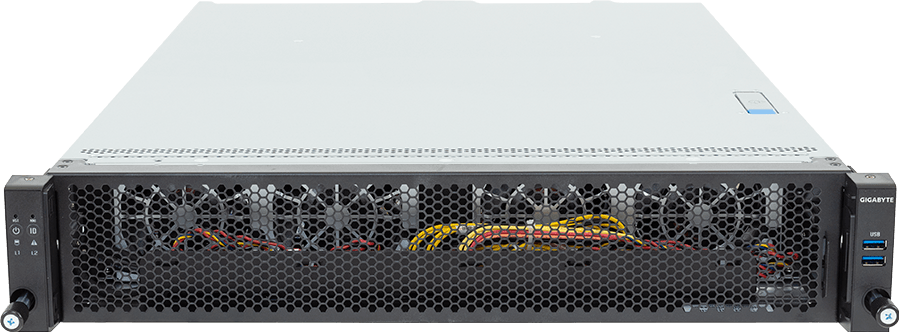
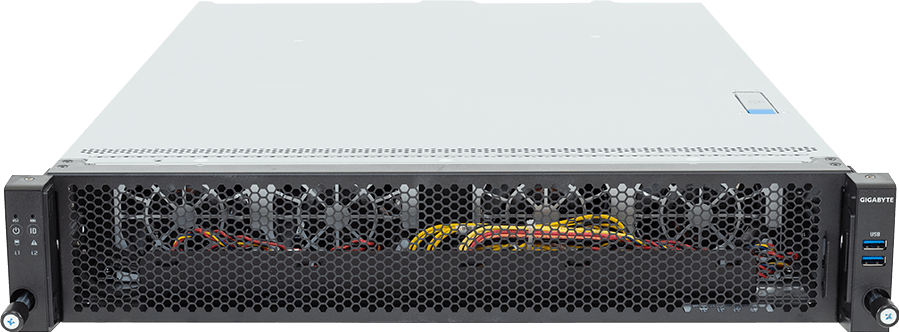
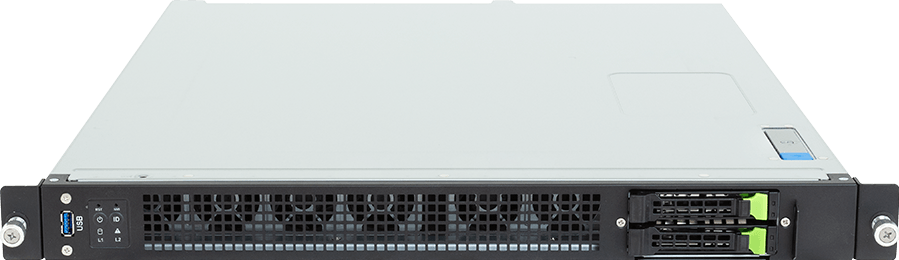
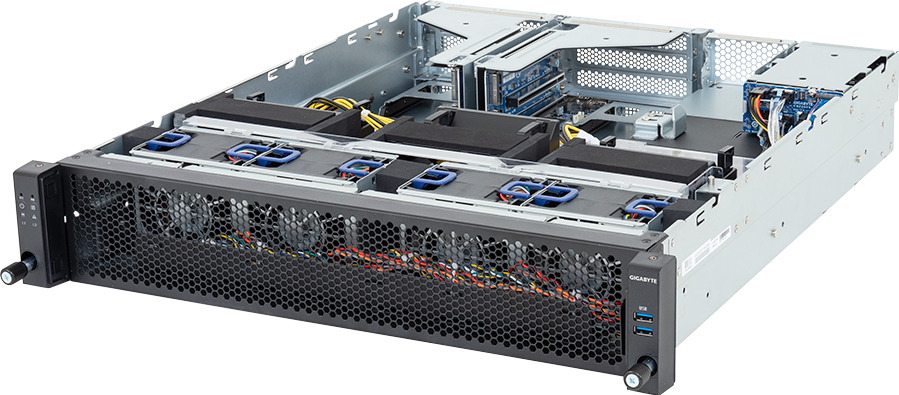
Real-time data processing near the source reduces latency for real-time analytics, IoT, and 5G networks. These servers are deployed in compact locations and are designed to continue running even when the internet connection is lost.
AI Platform, Visual Computing, High-Performance Computing Server, Networks Server, Servers for Hybrid/Private Cloud, Edge Server, AI Training Server, AI Inference Server
AI Platform, Visual Computing, Networks Server, Servers for Hybrid/Private Cloud, Edge Server, AI Training Server, AI Inference Server
E Series
Rack Server
x86 Server
2U
Intel Xeon 6
1
350 W
--
--
--
--
Edge Server FAQ
What is an edge server?
An edge server is deployed close to data sources or end devices to handle data processing, analytics, and AI inference locally. By reducing the need to send data to centralized data centers or the cloud, it helps minimize latency and improve response times for real-time applications. Edge servers often feature compact designs to accommodate space-constrained environments.
What are the benefits of edge servers?
Edge servers process data locally to reduce latency and improve response times. They also allow businesses to filter and process data on-site, sending only necessary information to central systems to reduce bandwidth usage and data transfer costs. They can keep critical applications running locally during external network disruptions, provided those applications support offline operation.
What are edge servers used for?
Edge servers are widely used in smart manufacturing, video surveillance, smart retail, 5G networks, and Internet of Things (IoT) applications. In smart factories, for example, they can process sensor and camera data on-site to support real-time equipment monitoring, anomaly detection, and AI-powered visual inspection.
How does an industrial edge server differ from an industrial PC?
Both are used in industrial environments, but industrial edge servers typically focus on handling multiple workloads, AI computing, and remote management, while industrial PCs (IPCs) are commonly used for machine control, human-machine interfaces (HMIs), and industrial I/O integration. The actual differences depend on hardware configurations and application requirements.