FPGA (Field Programmable Gate Array)
FPGA
What is it?
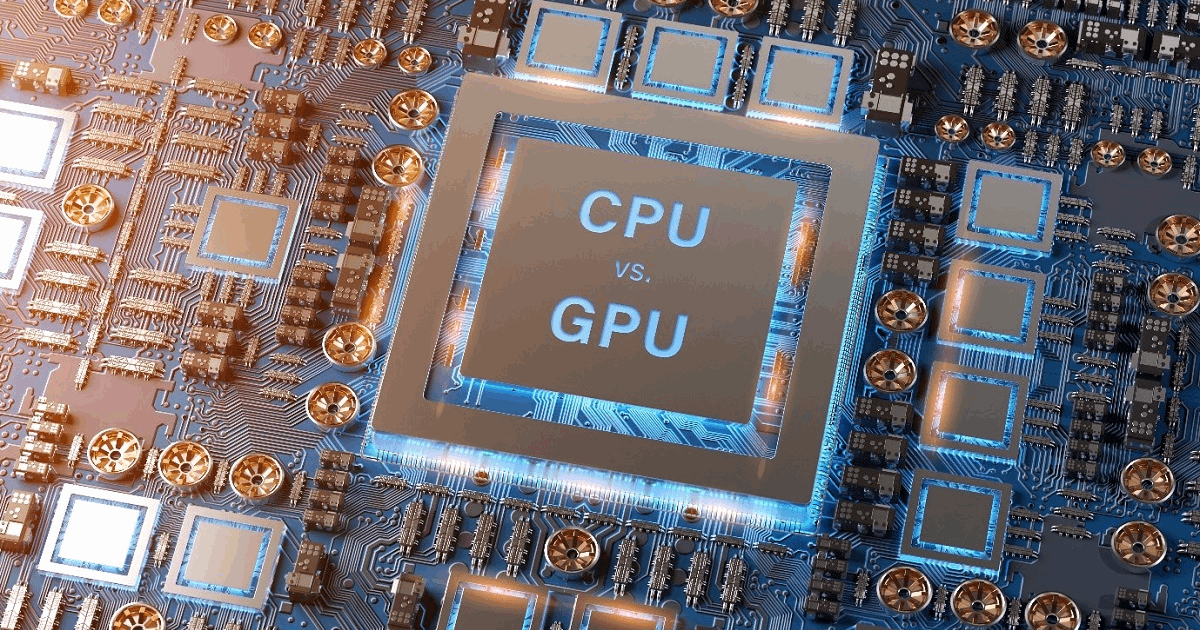
It may surprise you to know that many of the integrated circuits (or "microchips") we install in our PCs and servers were built from the beginning to serve a very specific purpose. Such chips are known as ASIC, or "application-specific integrated circuit". A prime example of an ASIC is the early iteration of the GPU, a processing unit designed specifically to render graphics—though the advent of GPGPUs has certainly blurred that line. The flip side of the ASIC is the FPGA, or "field-programmable gate array". This is an integrated circuit that can be reprogrammed by the customer after manufacturing to perform different functions. The FPGA is able to accomplish this due to the integration of reprogrammable logic gates in its architecture, as well as careful "floorplanning" that enables flexible resource allocation.
To use an everyday example to illustrate our point, you may think of ASIC chips as pieces of furniture you have in your home: a chair is designed to serve as a chair, a table is designed to serve as a table, and so on. An FPGA chip is like a piece of furniture you can reassemble to serve as a chair or table or bed or closet—it is just that versatile. The only drawback is that FPGA chips usually command a heftier price than ASIC chips, just as you might imagine a piece of multifunctional furniture to be.
To use an everyday example to illustrate our point, you may think of ASIC chips as pieces of furniture you have in your home: a chair is designed to serve as a chair, a table is designed to serve as a table, and so on. An FPGA chip is like a piece of furniture you can reassemble to serve as a chair or table or bed or closet—it is just that versatile. The only drawback is that FPGA chips usually command a heftier price than ASIC chips, just as you might imagine a piece of multifunctional furniture to be.
Why do you need it?
FPGA is mainly positioned as a source of adaptable and accelerated computing that will enable future breakthroughs in data center technology. Accelerators based on FPGA in your server set-up can complement other processors through heterogeneous computing or parallel computing, enabling you to complete tasks faster. Since FPGA is reprogrammable, you will also be able to repurpose its functions to meet the constantly changing needs of the modern data center or server room; this is important if you want to develop groundbreaking prototypes or incorporate ready-made computing solutions that will shorten your time to market (TTM).
How is GIGABYTE helpful?
GIGABYTE Technology has long been a pioneer of FPGA applications. Back in the mid-aughts, GIGABYTE introduced the i-RAM, which was solid state storage that used Xilinx FPGA. In recent years, GIGABYTE has worked closely with FPGA market leaders such as Intel and Xilinx (which has been acquired by AMD) to incorporate FPGA-based accelerators in its server solutions. For example, GIGABYTE's H-Series High Density Servers, G-Series GPU Servers, and R-Series Rack Servers all offer the acceleration card density and supportability to accommodate FPGA accelerators. This makes them the ideal solutions for deep learning, AI inferencing, high performance computing (HPC), and more.