Heterogeneous Computing
ما المقصود بها؟
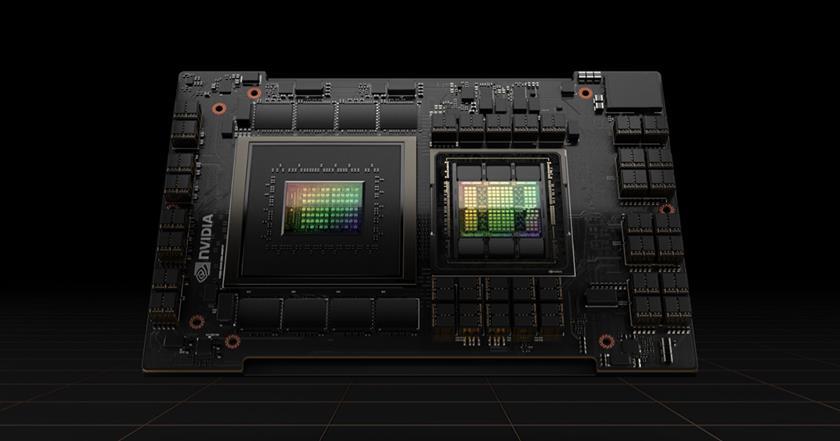
تقليديًا، تشير الحوسبة غير المتجانسة إلى نظام يستخدم أكثر من نوع واحد من أنوية الحوسبة، مثل CPU وGPU وDPU وVPU وFPGA أو ASIC. ومن خلال إسناد أحمال العمل المختلفة إلى معالجات متخصصة تلائم الأغراض المتنوعة، يمكن تحسين الأداء وكفاءة استهلاك الطاقة بدرجة كبيرة. وترتبط العناصر المختلفة عبر قنوات عالية الإنتاجية ومنخفضة زمن الاستجابة، مما يتيح لها العمل كوحدة واحدة.
في السنوات الأخيرة، توسع تعريف الحوسبة غير المتجانسة ليشمل المعالجات القائمة على معماريات حاسوبية مختلفة. فعلى سبيل المثال، قد تكون المعالجات القائمة على معمارية Arm خيارًا أفضل لبعض المهام، بفضل عدد أنويتها الأكبر وكفاءة استهلاكها للطاقة وتوافقها مع الأجهزة المحمولة القائمة على Arm. وقد يكشف اعتماد معمارية بديلة عن أساليب أكثر ذكاءً لمعالجة أحمال العمل ومهام الحوسبة الحالية.
في السنوات الأخيرة، توسع تعريف الحوسبة غير المتجانسة ليشمل المعالجات القائمة على معماريات حاسوبية مختلفة. فعلى سبيل المثال، قد تكون المعالجات القائمة على معمارية Arm خيارًا أفضل لبعض المهام، بفضل عدد أنويتها الأكبر وكفاءة استهلاكها للطاقة وتوافقها مع الأجهزة المحمولة القائمة على Arm. وقد يكشف اعتماد معمارية بديلة عن أساليب أكثر ذكاءً لمعالجة أحمال العمل ومهام الحوسبة الحالية.
لماذا تحتاج إليها؟
إذا كنت تستخدم معالجات مساعدة إلى جانب وحدات المعالجة المركزية في حلول الخوادم لديك، مثل وحدات معالجة الرسومات أو وحدات معالجة البيانات، فأنت تستفيد بالفعل من مزايا الحوسبة غير المتجانسة. ويمكن للمعالجات المساعدة تسريع عمليات الحوسبة بدرجة كبيرة وتقليل الوقت اللازم لإكمال المهام. ويكتسب ذلك أهمية خاصة في تطوير الذكاء الاصطناعي من خلال الرؤية الحاسوبية والتعلّم العميق، إذ يتطلب ذلك من الخادم معالجة كميات هائلة من البيانات المحوّلة إلى تمثيل رسومي. وفي هذه الحالات، يُعد استخدام وحدات معالجة الرسومات التي تعمل بترددات أقل، لكنها تحتوي على عدد أكبر من الأنوية مقارنةً بوحدات المعالجة المركزية التقليدية، أمرًا بالغ الأهمية.
وبالمنطق نفسه، قد يكون تثبيت معالجات تعتمد على بنية مختلفة تمامًا وسيلة أخرى لتحقيق الإمكانات الكاملة للحوسبة غير المتجانسة. وفي السنوات الأخيرة، اتجهت الأنظار إلى استكشاف بدائل لبنية x86 التقليدية، مثل معالجات Arm. ويبحث خبراء القطاع عن طرق لإطلاق إمكانات هذه المنتجات الجديدة وتطوير حلول حوسبة مبتكرة. وإذا كان التكوين الحالي للمعالجات والمعالجات المساعدة يقدّم أداءً أقل من المتوقع، فقد تكون الحوسبة غير المتجانسة القائمة على بنية مختلفة خيارًا أفضل لتلبية احتياجاتك.
وبالمنطق نفسه، قد يكون تثبيت معالجات تعتمد على بنية مختلفة تمامًا وسيلة أخرى لتحقيق الإمكانات الكاملة للحوسبة غير المتجانسة. وفي السنوات الأخيرة، اتجهت الأنظار إلى استكشاف بدائل لبنية x86 التقليدية، مثل معالجات Arm. ويبحث خبراء القطاع عن طرق لإطلاق إمكانات هذه المنتجات الجديدة وتطوير حلول حوسبة مبتكرة. وإذا كان التكوين الحالي للمعالجات والمعالجات المساعدة يقدّم أداءً أقل من المتوقع، فقد تكون الحوسبة غير المتجانسة القائمة على بنية مختلفة خيارًا أفضل لتلبية احتياجاتك.
كيف تفيد GIGABYTE؟
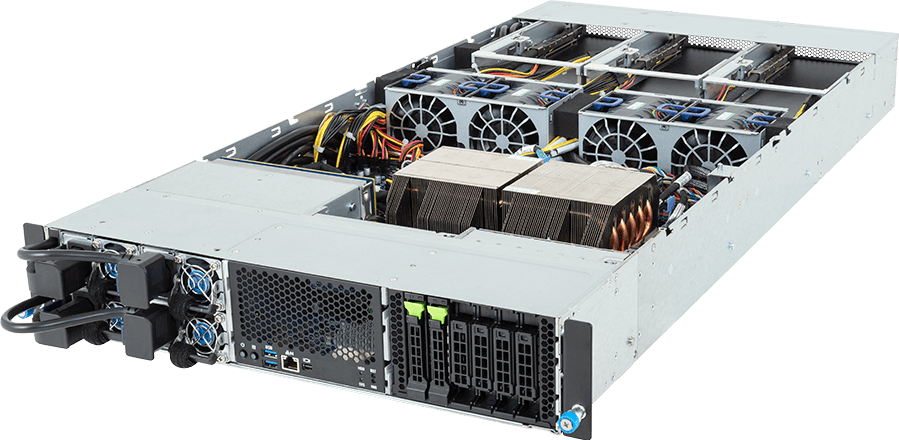
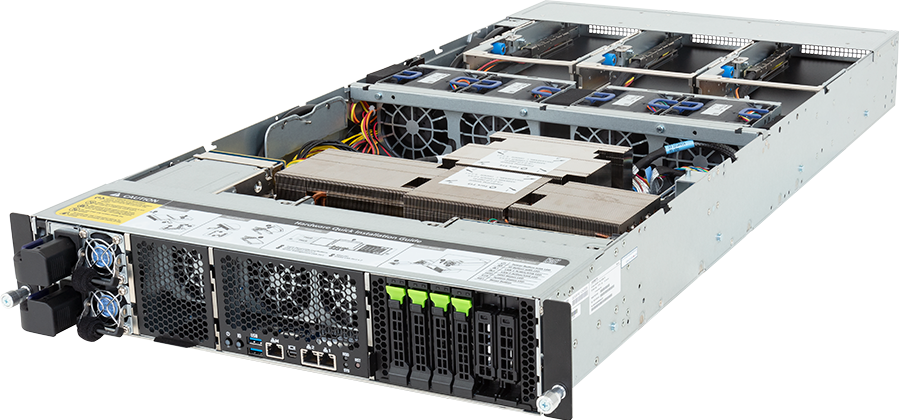
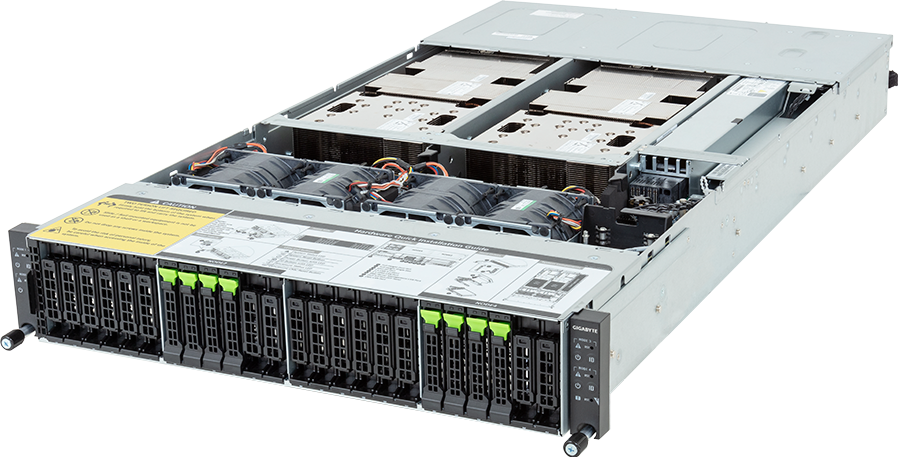
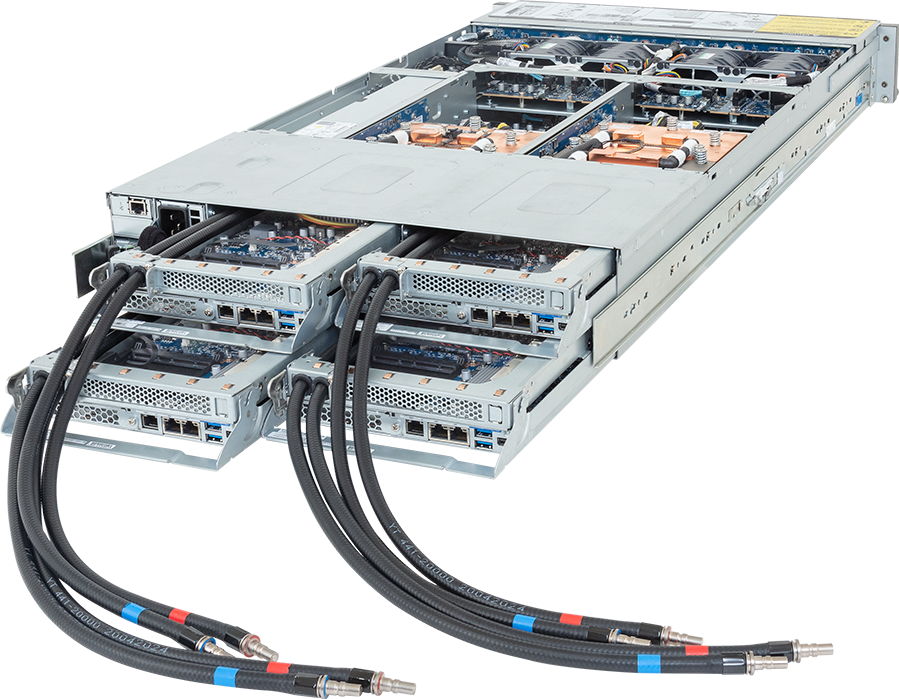
تدعم جميع حلول الخوادم من GIGABYTE تقريبًا المفهوم التقليدي للحوسبة غير المتجانسة، حيث تُقرن وحدات المعالجة المركزية بمعالجات مساعدة، مثل وحدات معالجة الرسومات للأغراض العامة (GPGPUs)، للتعامل مع أعباء العمل المرتبطة بالحوسبة المتوازية والتعلّم الآلي وغير ذلك. وسواء كان المعالج الرئيسي من أحدث معالجات Intel® Xeon® Scalable أو معالجات AMD EPYC™، فإنه يستطيع نقل البيانات إلى الأجهزة الطرفية، مثل بطاقات الرسومات وأجهزة التخزين وبطاقات الشبكة عالية السرعة، عبر PCIe Gen 4.0، الذي يوفر نطاقًا تردديًا أقصى يبلغ 64GB/s، أي ضعف سرعة PCIe Gen 3.0.
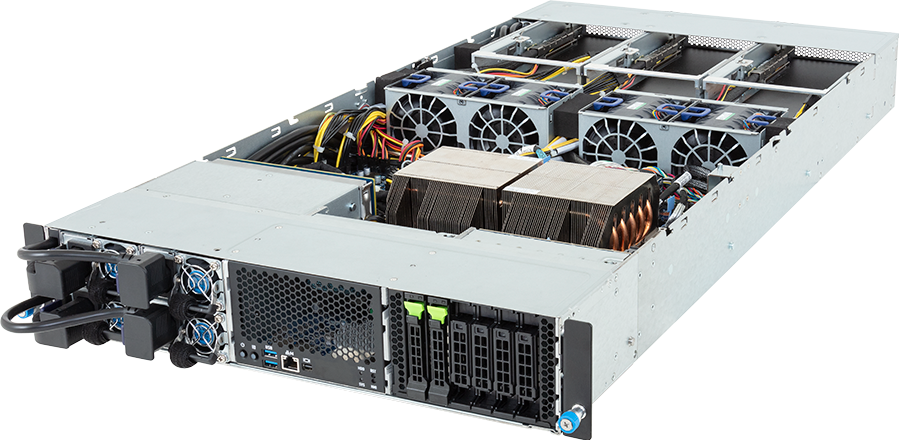
علاوة على ذلك، تعمل GIGABYTE منذ سنوات عديدة على الأنظمة المستندة إلى Arm. وتوفر GIGABYTE مجموعة متكاملة من الخوادم المصممة لمعالجات Ampere® Altra®، والمبنية على بنية Arm. ويوصى بهذه المنتجات بشدة للحوسبة عالية الأداء (HPC) والحوسبة السحابية والحوسبة الطرفية، إذ يمكنها تلبية متطلبات سيناريوهات النشر المتنوعة بفضل قابلية التوسع والمرونة. كما كشفت NVIDIA® عن NVIDIA® Arm HPC Developer Kit، التي تتضمن معالج Ampere® Altra® ووحدتي معالجة رسومات NVIDIA® A100 Tensor Core ووحدتي معالجة بيانات NVIDIA® BlueField®-2 DPU، وجميعها مدمجة داخل خادم G242 من GIGABYTE. ويمثل هذا المثال البارز على الحوسبة غير المتجانسة خطوةً تمهّد الطريق أمام رواد القطاع لاكتشاف أساليب جديدة لمعالجة أعباء العمل الحاسوبية باستخدام الأدوات الملائمة لكل مهمة.
تنزيل مجاني:
《كيف تنشئ مركز البيانات الخاص بك باستخدام GIGABYTE؟ دليل تقني مجاني قابل للتنزيل》
علاوة على ذلك، تعمل GIGABYTE منذ سنوات عديدة على الأنظمة المستندة إلى Arm. وتوفر GIGABYTE مجموعة متكاملة من الخوادم المصممة لمعالجات Ampere® Altra®، والمبنية على بنية Arm. ويوصى بهذه المنتجات بشدة للحوسبة عالية الأداء (HPC) والحوسبة السحابية والحوسبة الطرفية، إذ يمكنها تلبية متطلبات سيناريوهات النشر المتنوعة بفضل قابلية التوسع والمرونة. كما كشفت NVIDIA® عن NVIDIA® Arm HPC Developer Kit، التي تتضمن معالج Ampere® Altra® ووحدتي معالجة رسومات NVIDIA® A100 Tensor Core ووحدتي معالجة بيانات NVIDIA® BlueField®-2 DPU، وجميعها مدمجة داخل خادم G242 من GIGABYTE. ويمثل هذا المثال البارز على الحوسبة غير المتجانسة خطوةً تمهّد الطريق أمام رواد القطاع لاكتشاف أساليب جديدة لمعالجة أعباء العمل الحاسوبية باستخدام الأدوات الملائمة لكل مهمة.
تنزيل مجاني:
《كيف تنشئ مركز البيانات الخاص بك باستخدام GIGABYTE؟ دليل تقني مجاني قابل للتنزيل》