PCIe (Peripheral Component Interconnect Express)
ما هو الربط البيني السريع للمكونات الطرفية (PCI Express أو PCIe)؟
يُختصر PCI Express رسميًا إلى PCIe أو PCI-e، وهو اختصار لعبارة الربط البيني السريع للمكونات الطرفية. ويُعد PCI Express أحدث جيل من معايير ناقل التوسعة عالي السرعة لأجهزة الكمبيوتر، إذ يوفر واجهة اللوحة الأم الشائعة بين المعالجات والمكونات الرئيسية الأخرى، بما في ذلك بطاقات الرسومات ومحركات الأقراص الثابتة ومحركات أقراص SSD واتصالات Ethernet. ولضمان التزام الشركات المصنعة بمعايير الصناعة العالمية الموحدة، تتولى رابطة من الشركات تُعرف باسم PCI-SIG تحديث مواصفات PCIe وصيانتها.
لماذا تحتاج إليه؟
ستُهدر قدرات المعالجة العالية لوحدات CPU وبطاقات التسريع إذا لم يكن نقل البيانات بينها سريعًا بما يكفي. لذلك، يجب أن يوفر الربط البيني السريع للمكونات الطرفية (PCIe) معدل نقل مرتفعًا لتمكين عمليات نقل أسرع. ويُفضَّل أن تكون البصمة المادية أصغر مع ازدياد compactness الخوادم وتضاؤل المساحة المتاحة على اللوحة الأم. كما تسهم الوظائف الأخرى، مثل إمكانية التبديل السريع وآليات التشخيص الذكي للأخطاء والإبلاغ عنها، بدرجة كبيرة في ضمان عمل النظام بالكامل بسلاسة.
أحدث إصدار من الربط البيني السريع للمكونات الطرفية هو Gen 5.0. وعند اختيار حل الخادم، يُستحسن اختيار لوحات أم ومعالجات تدعم أحدث معايير الربط البيني السريع للمكونات الطرفية.
أحدث إصدار من الربط البيني السريع للمكونات الطرفية هو Gen 5.0. وعند اختيار حل الخادم، يُستحسن اختيار لوحات أم ومعالجات تدعم أحدث معايير الربط البيني السريع للمكونات الطرفية.
كيف تساعد GIGABYTE؟
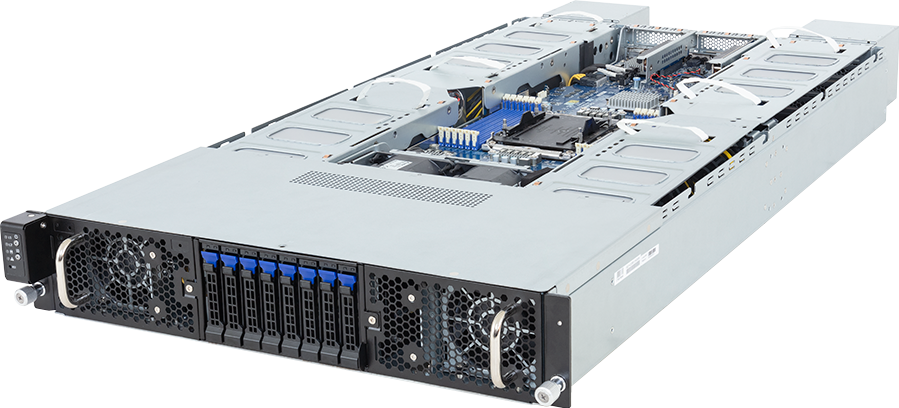
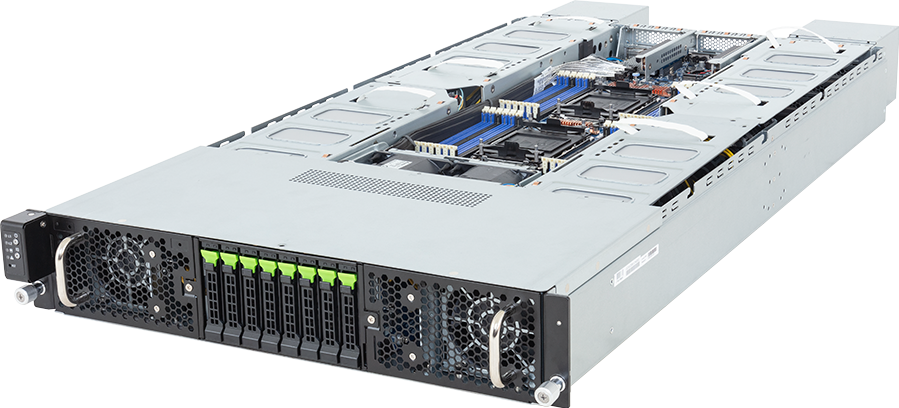
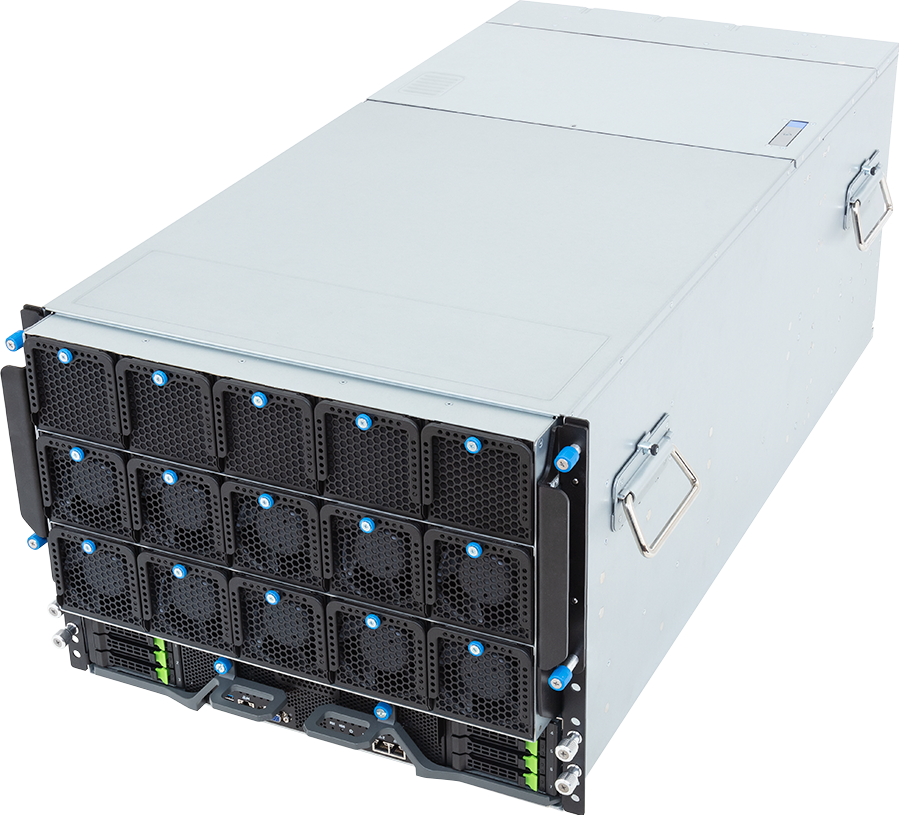
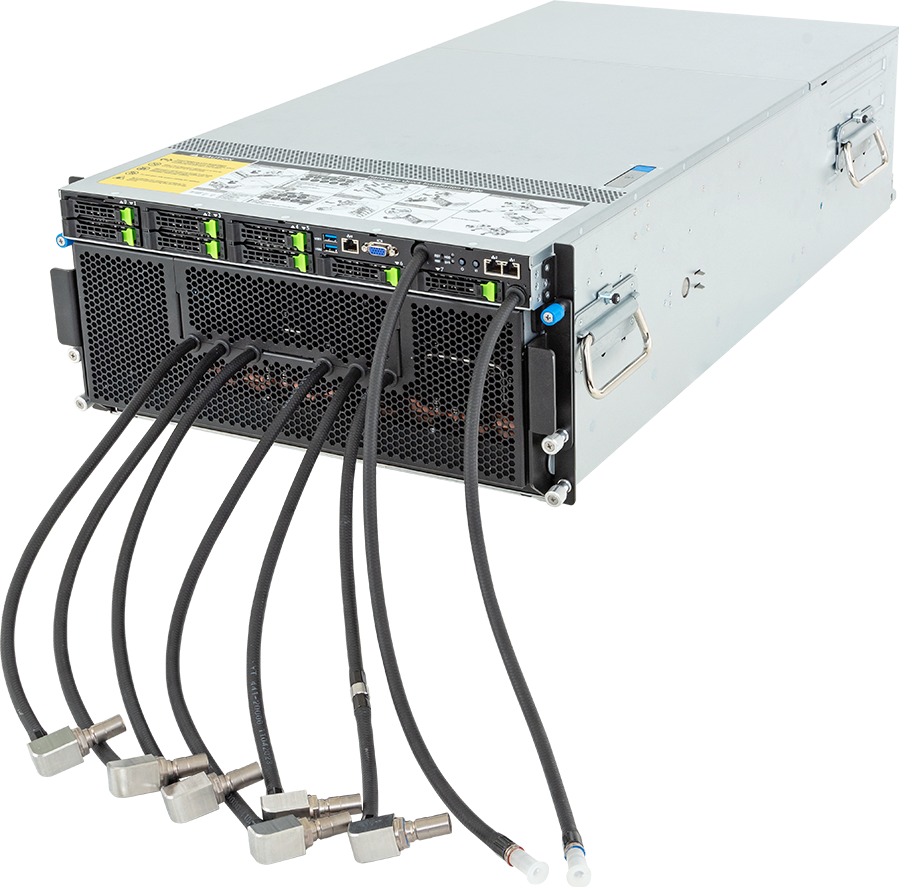
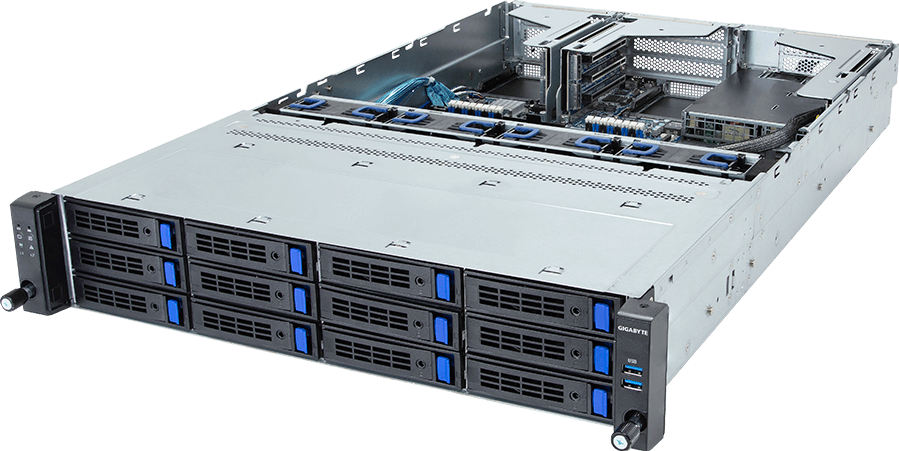
بفضل تزويدها بأحدث المعالجات، تدعم خوادم GIGABYTE معيار PCIe 5.0 بعرض نطاق ترددي يبلغ 128 جيجابايت/ثانية، أي ضعف العرض الذي يوفّره PCIe 4.0. ويدعم معيار PCIe 5.0 معدل نقل يبلغ 32 GT/s، أي ما يقارب 4 جيجابايت/ثانية لكل مسار، مقارنةً بمعدل النقل البالغ 16 GT/s (2 جيجابايت/ثانية) الذي يوفّره PCIe 4.0. ومن خلال مضاعفة عرض النطاق الترددي المتاح بين وحدة المعالجة المركزية والمكونات الأخرى، مثل بطاقات الرسومات وأجهزة التخزين وبطاقات الشبكة عالية السرعة، يمكن استخدام الخوادم في الحوسبة عالية الأداء (HPC) والحوسبة المتوازية، وهما غالبًا ما تكونان ضروريتين لتطوير تقنيات جديدة قائمة على الذكاء الاصطناعي والبيانات الضخمة والتعلم العميق والحوسبة غير المتجانسة وغيرها.