CPU (Central Processing Unit)
What Is a CPU (Central Processing Unit)?
CPU stands for "Central Processing Unit." It is the processor responsible for executing instructions, processing data, and coordinating system operations. CPUs are used across desktops, laptops, workstations, servers, and data centers.
As general-purpose processors, CPUs are well suited for complex logic, system control, data access, and workloads that frequently switch between different tasks. GPUs, by comparison, are designed to perform large numbers of similar operations in parallel, so the two typically serve different roles within a system.
Why Is the CPU Important, and What Does It Do?
In personal computers, the CPU directly affects responsiveness, multitasking, gaming, software development, and content creation. Even when games or creative applications rely heavily on GPUs, the CPU still handles game logic, data preparation, background processes, and system control.
In servers and data centers, the CPU supports an even broader range of workloads, including databases, virtualization, cloud services, HPC, and AI.
The rise of AI has not made CPUs less important. GPUs are well suited for the highly parallel computations used by AI models, while CPUs prepare data, run application services, handle storage and network I/O, and coordinate models with other system resources.
Agentic AI makes this role even more visible. When AI agents retrieve information, access databases, call APIs, use external tools, or collaborate with other agents, much of the workflow depends on CPU-driven application logic rather than model inference alone. Modern AI systems therefore rely on CPUs and GPUs working together.
What Are the Main Components of a CPU?
A CPU combines several functional units to process instructions.
The Arithmetic Logic Unit (ALU) performs arithmetic and logical operations, while cache stores frequently accessed data close to the processor cores to reduce memory latency.
The Memory Management Unit (MMU) manages access between the processor and memory, while the clock and control unit coordinates instruction timing and execution. Modern CPUs also use multiple cores and multithreading to handle more workloads simultaneously.
What Factors Affect CPU Performance?
CPU performance depends on more than a single specification. Clock speed affects how quickly a core executes instructions, while core and thread counts influence multitasking and parallel processing. Cache size also affects how efficiently frequently used data can be accessed.
Architecture, memory bandwidth, I/O, power, and cooling all affect real-world performance. Gaming PCs may place greater emphasis on single-core performance, while content creation benefits from additional cores. Cloud, HPC, and AI systems must also consider how CPUs interact with memory, networking, and accelerators.
How Can GIGABYTE Help?
For personal computing, GIGABYTE and AORUS offer motherboards, desktops, and laptops supporting Intel Core and AMD Ryzen processors for gaming, content creation, and professional workloads, with power delivery, cooling, and memory designs built around different CPU platforms.
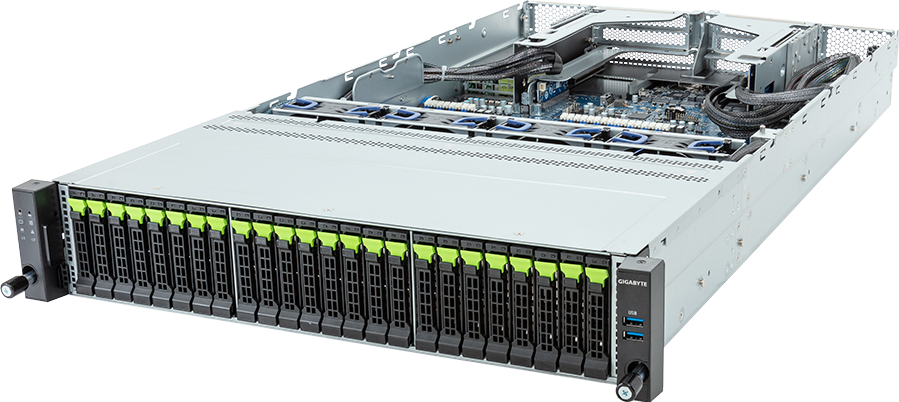
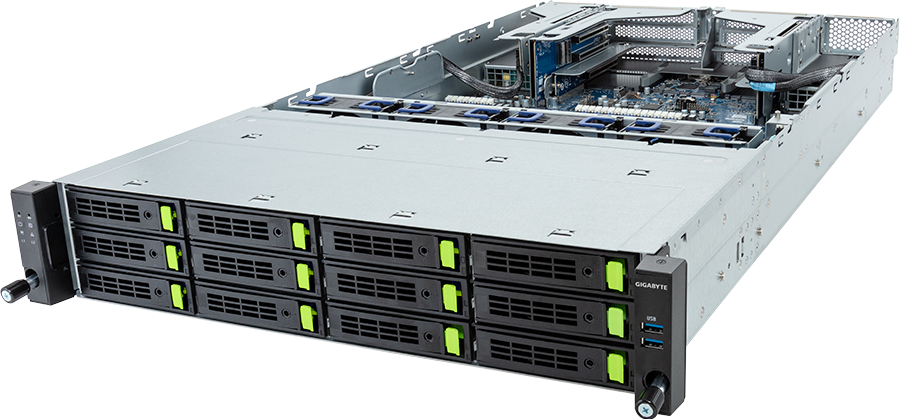
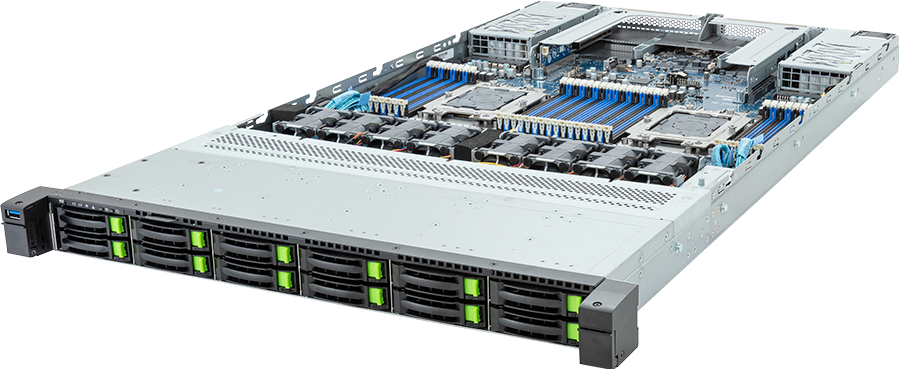
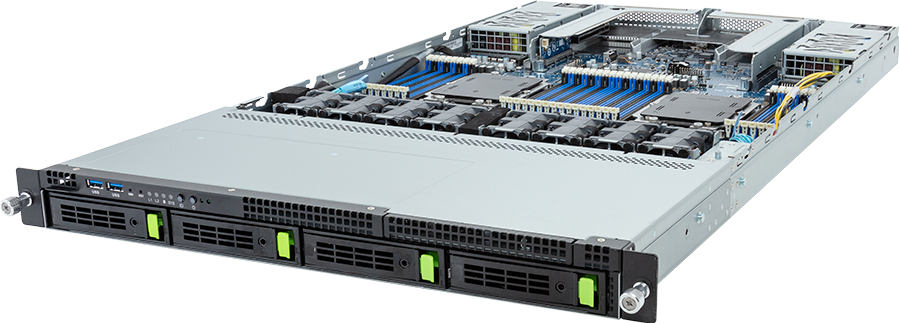
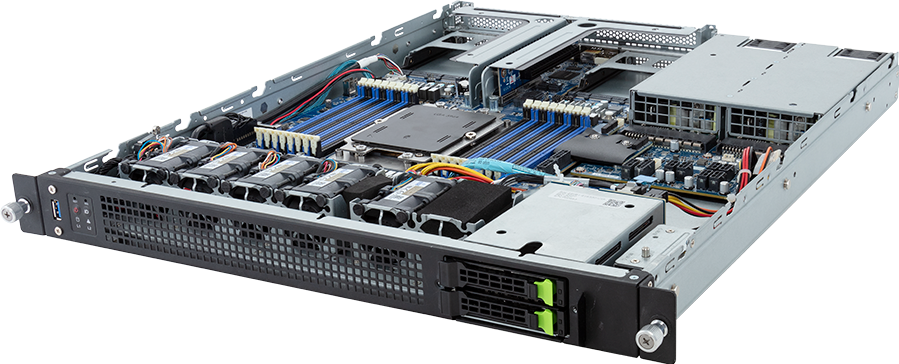
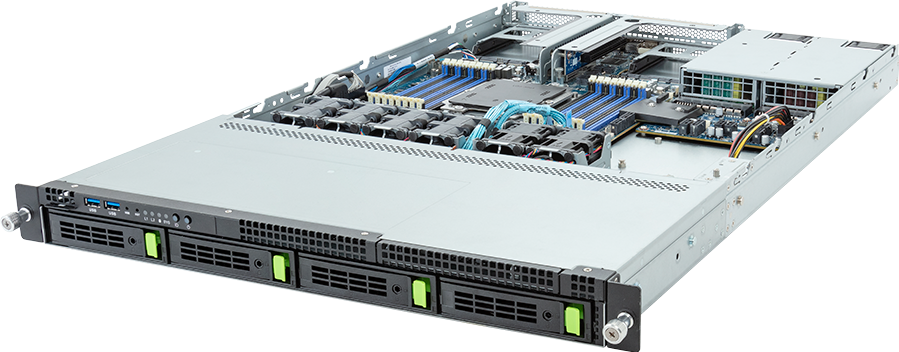
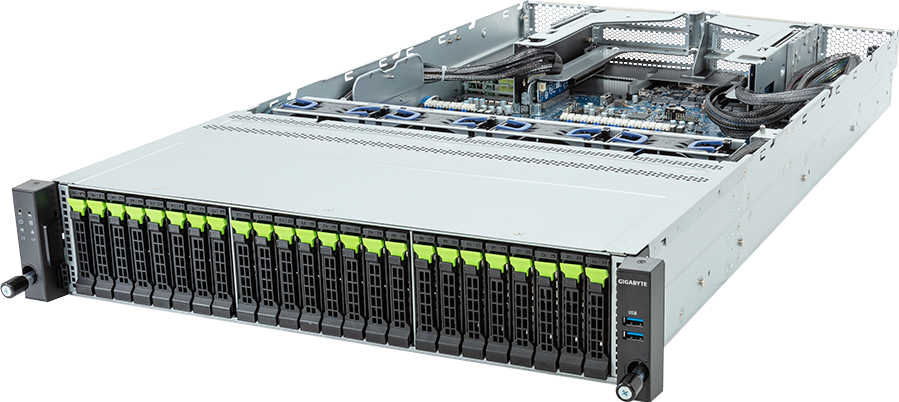
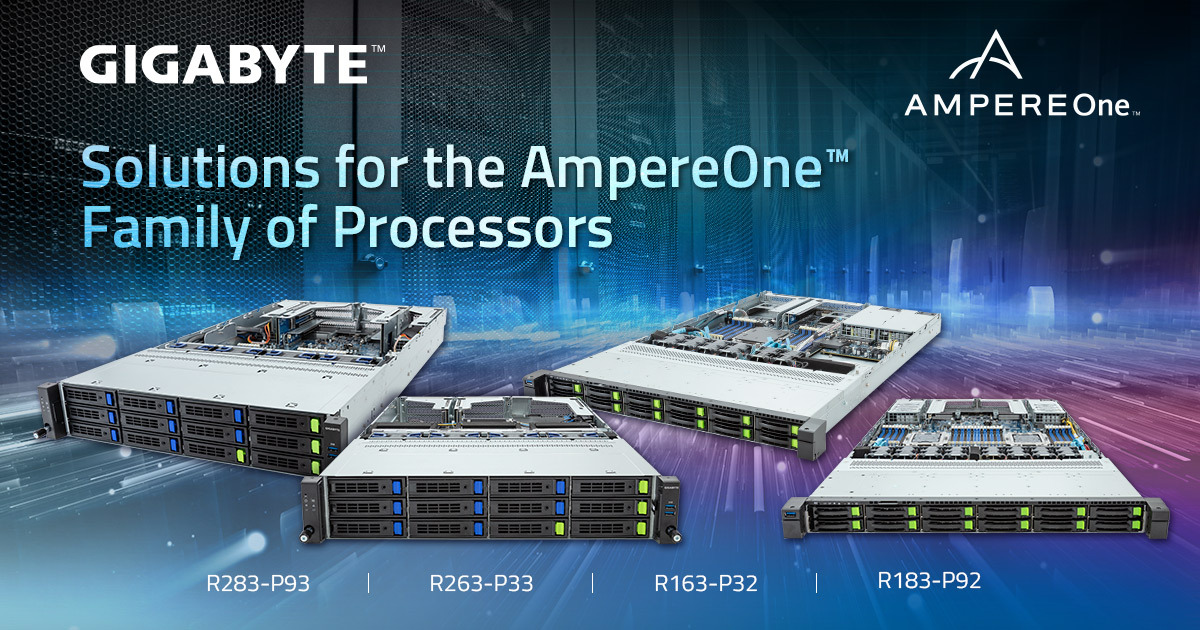
Enterprise requirements are more diverse. GIGABYTE server platforms support Intel Xeon and AMD EPYC x86 processors, as well as NVIDIA Grace and Ampere Arm architectures for cloud, virtualization, edge, HPC, and AI applications.
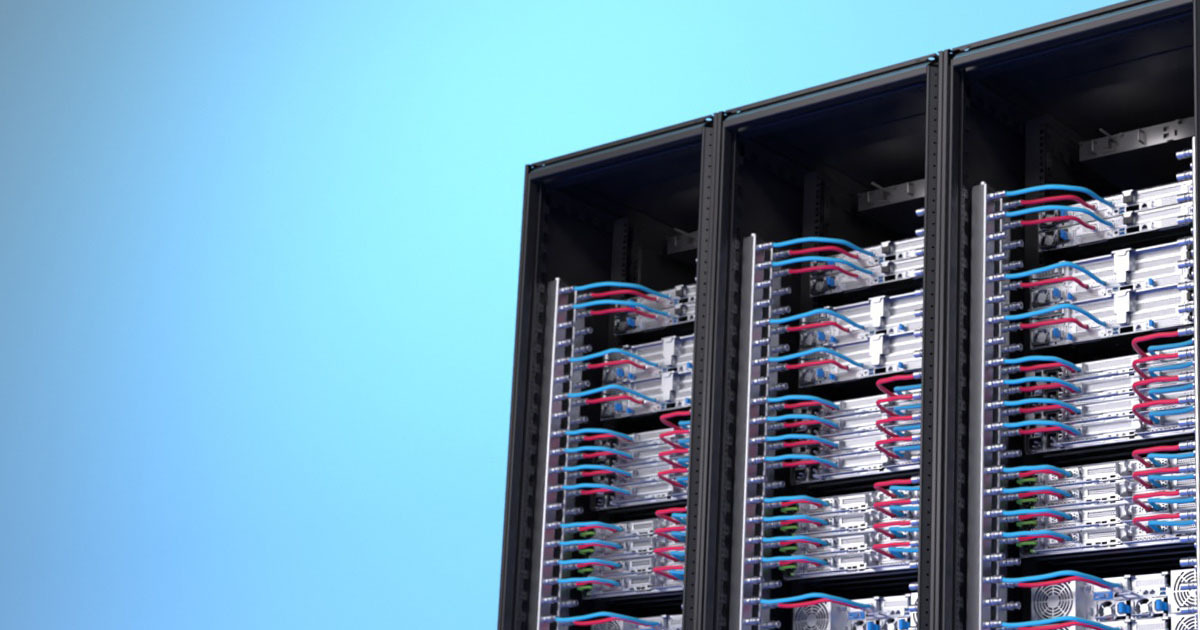
In AI infrastructure, CPUs are also an important part of data processing, application services, model orchestration, and agentic AI workflows. GIGABYTE can scale from individual CPU and GPU servers to cluster-level platforms such as GIGAPOD HPC, integrating compute, networking, storage, cooling, and management so different processors and accelerators can work together efficiently.