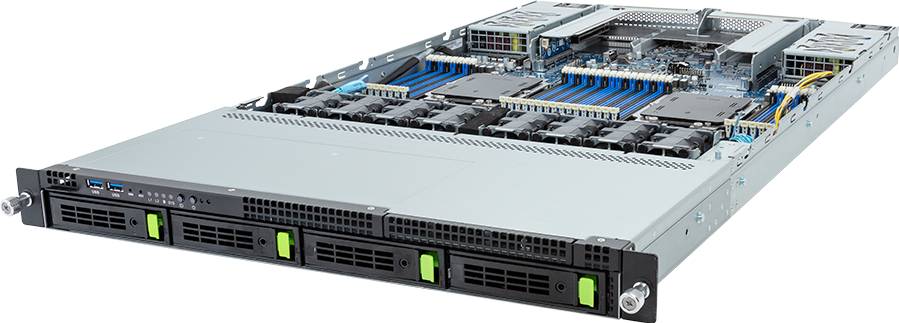
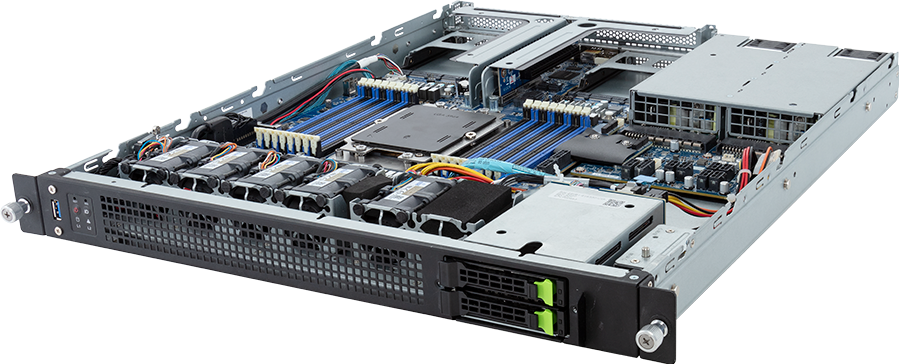
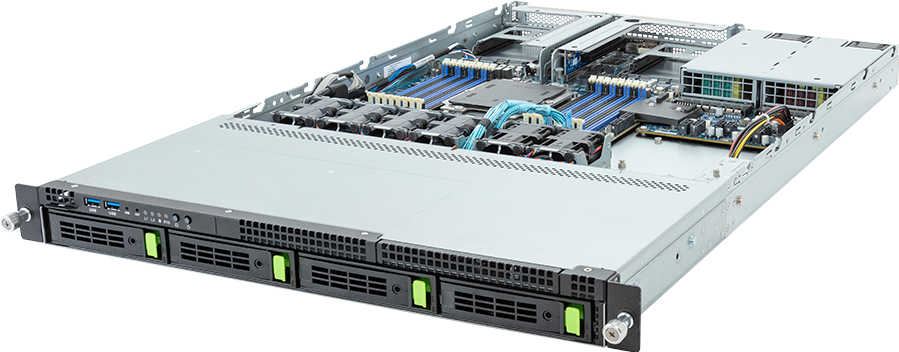
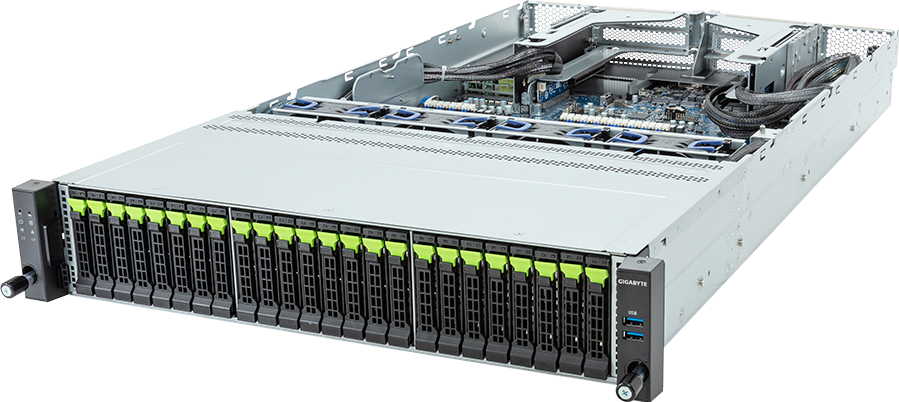
All Flash
What Is All-Flash Storage?
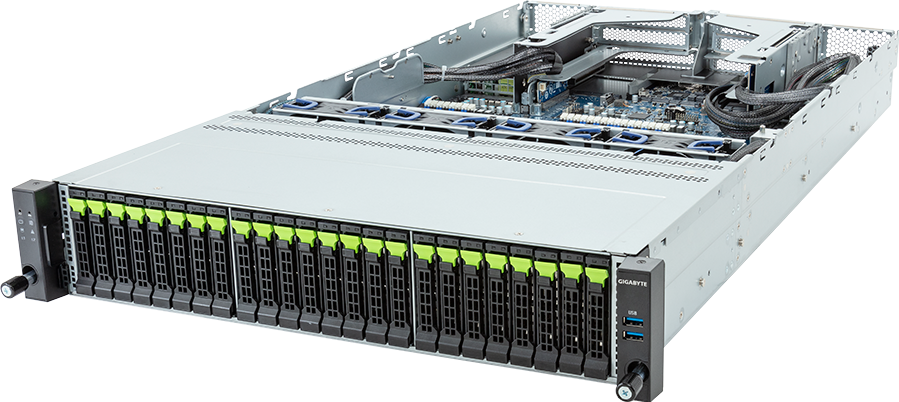
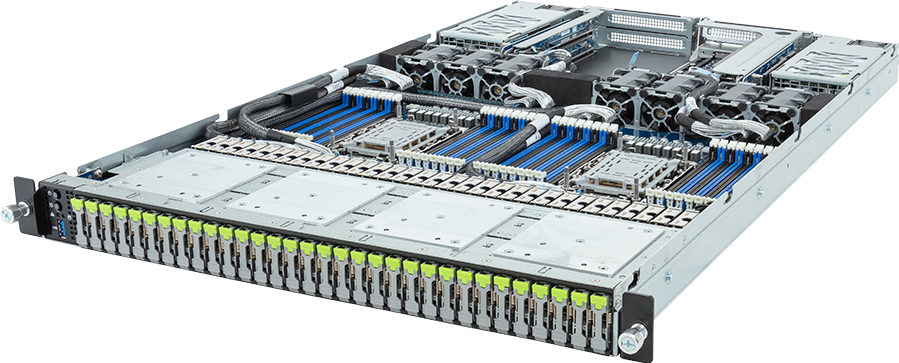
All-flash storage is a storage system that uses only solid-state drives (SSDs) to store data. It is also known as an all-flash array (AFA). It uses SATA, SAS, or NVMe SSDs instead of traditional hard disk drives (HDDs) as its primary storage devices.
Unlike HDDs, SSDs do not use moving mechanical parts to access data. As a result, they provide lower latency, higher IOPS, greater storage density, and lower power consumption. An all-flash storage system combines multiple SSDs to provide centralized storage for servers and applications.
Why Is All-Flash Storage Needed?
Applications such as artificial intelligence, data analytics, databases, cloud services, and virtualization need to process large amounts of data quickly. Traditional HDDs can become a performance bottleneck, while all-flash storage provides faster data access and shorter application response times.
The main benefits of all-flash storage include:
・Faster data access and system response
・Support for many simultaneous data requests
・Greater storage capacity in less physical space
・Lower power consumption and cooling requirements
・Suitability for AI, databases, virtualization, and real-time analytics
HDDs may still be more cost-effective for data that is rarely accessed or stored for long periods. Businesses can choose all-flash, hybrid, or traditional HDD storage based on their performance, capacity, and budget requirements.