NVIDIA DSX
What Is NVIDIA DSX?
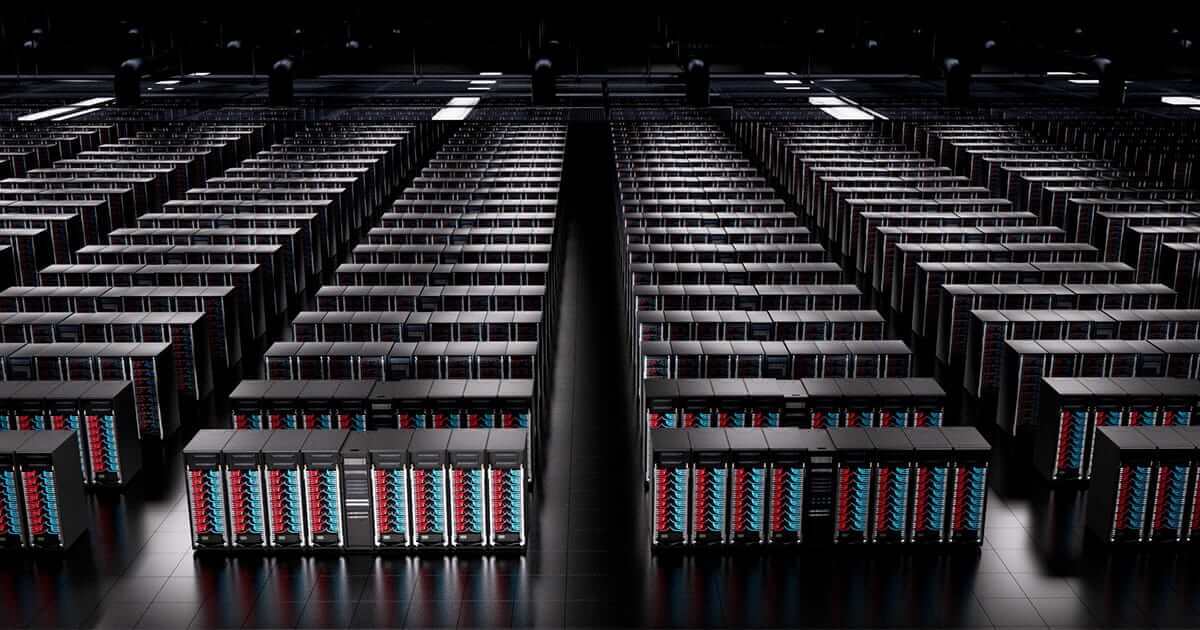
NVIDIA DSX is a reference architecture for designing, simulating, and operating AI factories. It brings compute, networking, storage, power, cooling, and data center facilities into a coordinated planning framework.
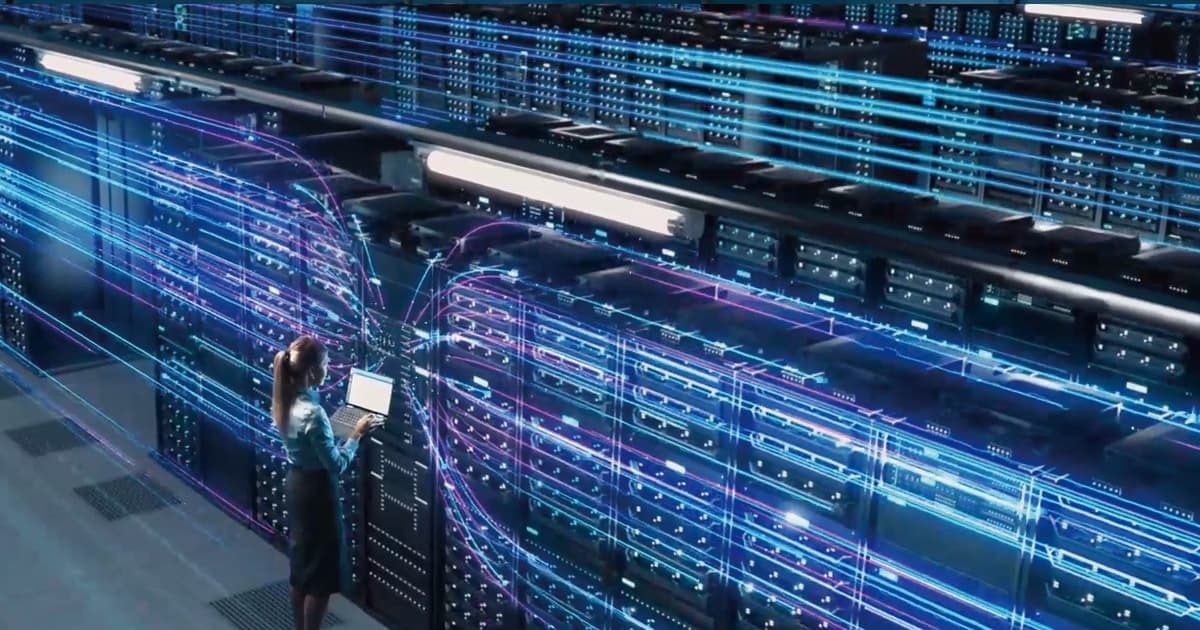
Digital twin and simulation technologies allow servers, racks, power systems, and cooling infrastructure to be modeled virtually before physical construction begins. For high-density AI data centers, this shifts part of the engineering validation process to an earlier stage.
What Are the Benefits of NVIDIA DSX?
Building an AI data center involves much more than installing GPU servers. Rack density, network topology, power distribution, liquid cooling, space, and equipment layout are closely interconnected.
Digital twins allow engineering teams to compare rack layouts, power architectures, and cooling strategies before construction, helping identify space conflicts, thermal bottlenecks, and infrastructure mismatches earlier.
The key benefit is simple: simulate before you build. This reduces the risk of redesign after construction and can shorten the path from planning to AI infrastructure deployment.
How Does GIGABYTE Use DSX?
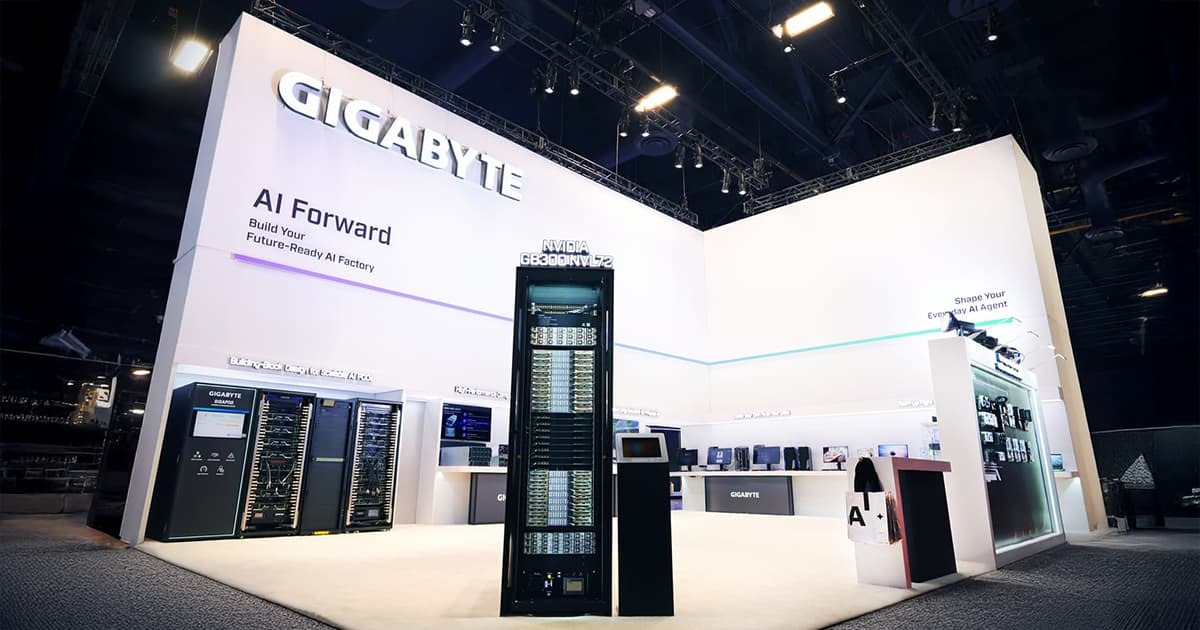
GIGABYTE incorporates digital twin and DSX technologies into its data center planning services to simulate and validate site layout, racks, computing systems, networking, power, and cooling before deployment.
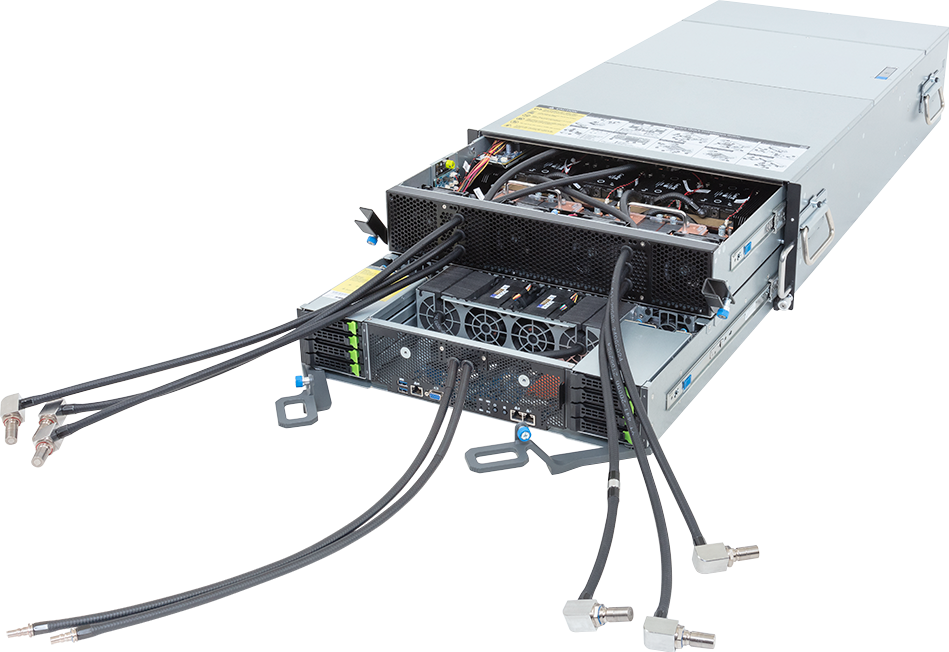
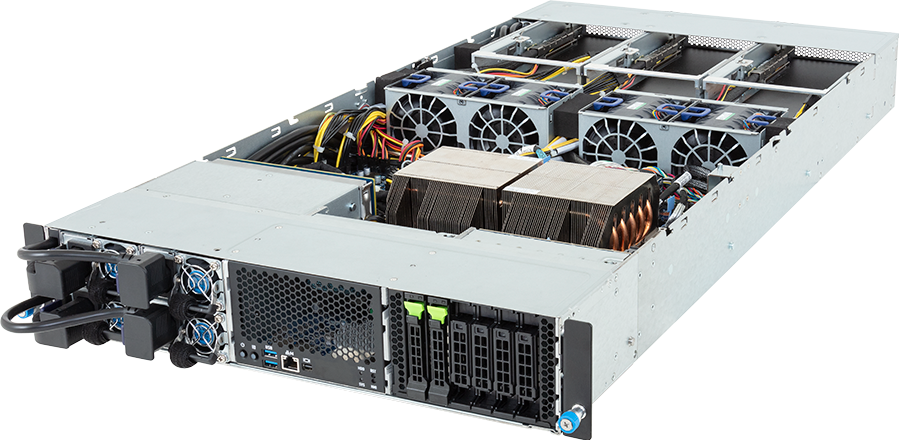
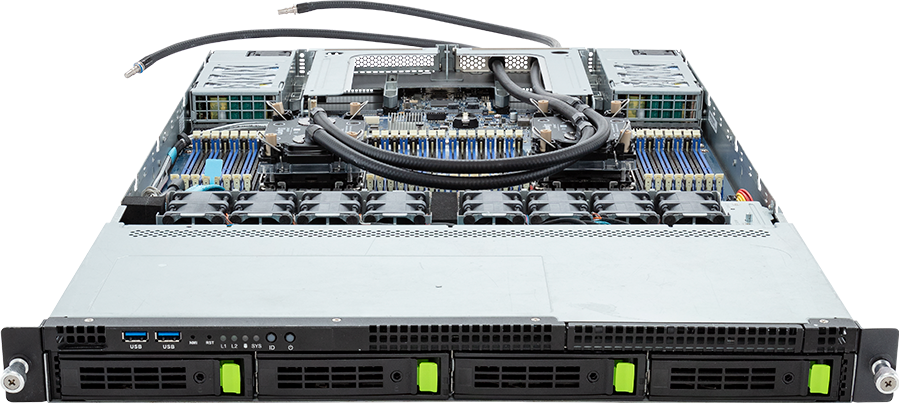
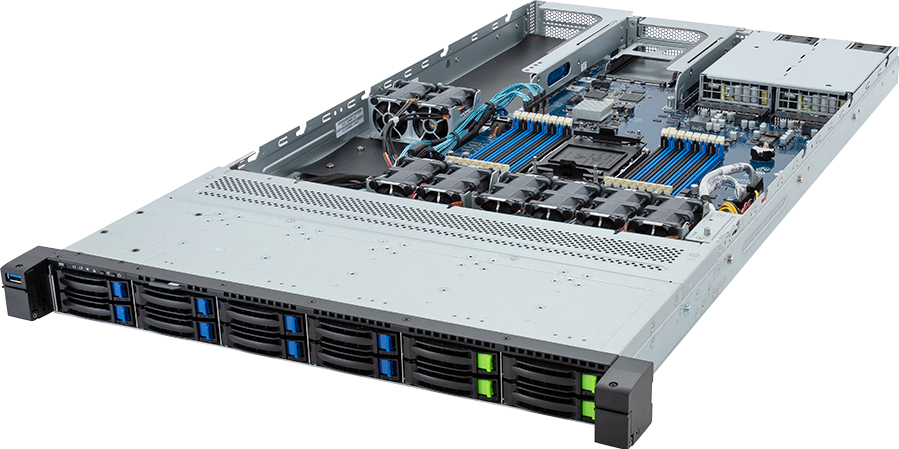
With DSX SimReady and NVIDIA Omniverse DSX Blueprint, GIGABYTE rack-scale platforms can be represented as digital assets containing power, thermal, and connectivity data. Engineering teams can refine configurations in a virtual data center before applying them to the physical environment.
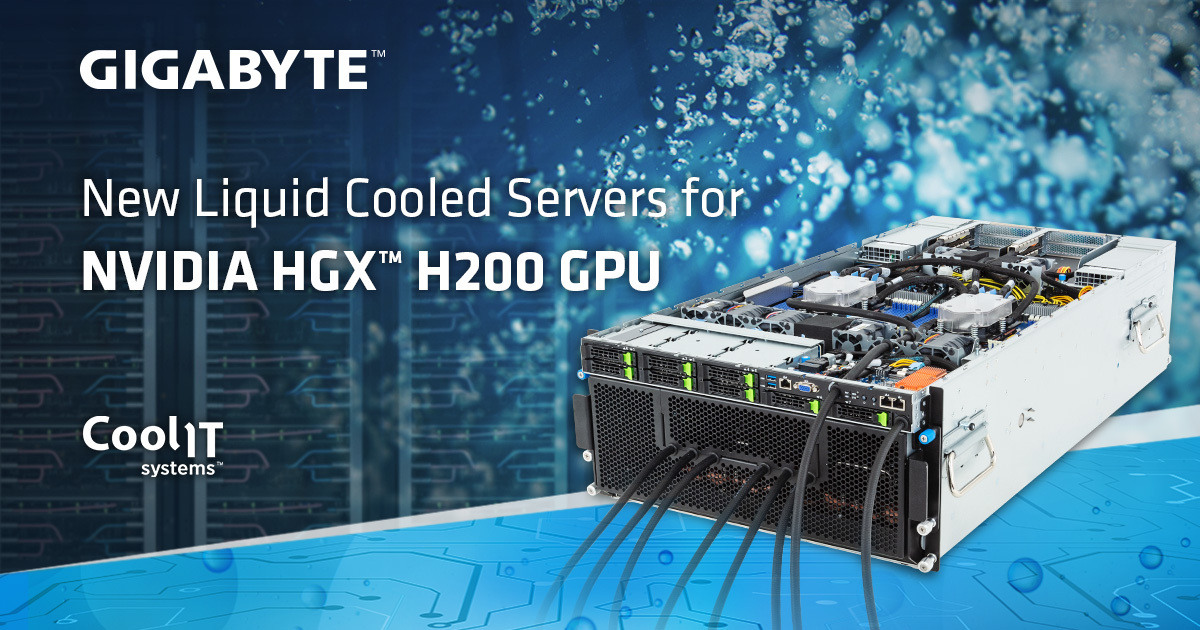
Combined with GPU servers, GIGAPOD, direct liquid cooling, and L12 data center integration, GIGABYTE can support customers from early site and infrastructure planning through deployment, testing, and validation.
Finding problems before construction begins is the core value of how GIGABYTE applies digital twin and DSX technologies to AI factory planning.