1. Home
  2. Glossary
  3. CPU Socket

CPU Socket

What is it?

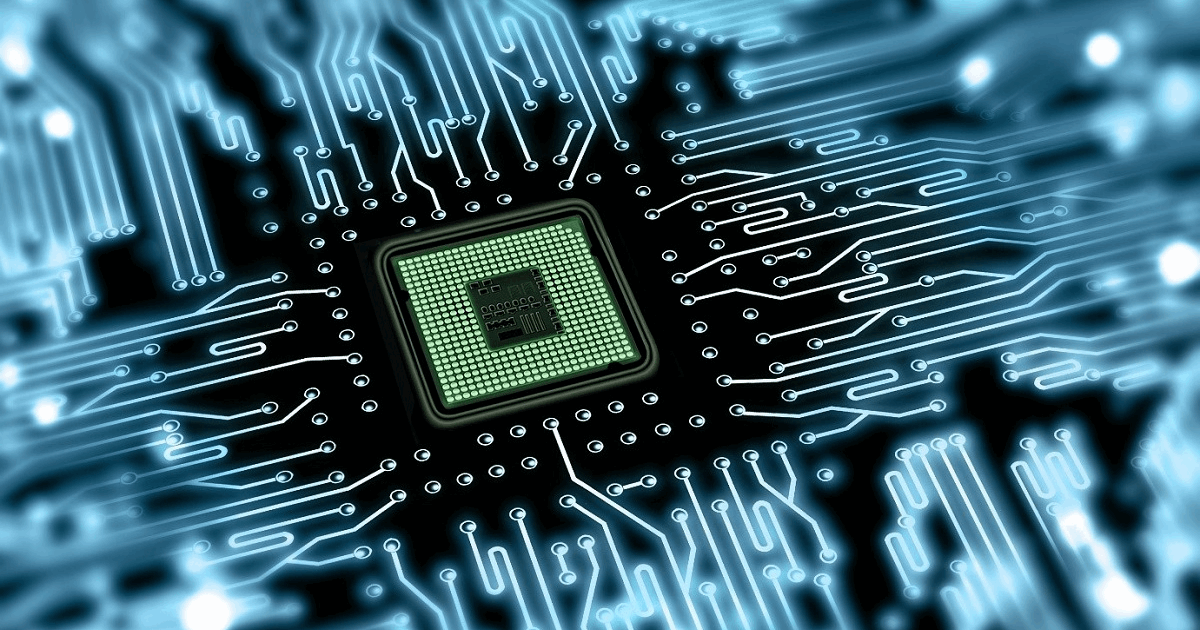
Also known as a CPU slot, the CPU socket is used to connect a microprocessor with a printed circuit board (PCB) without soldering, allowing for the CPU to be installed or replaced more easily on the motherboard. Commonly found in PCs and servers, CPU sockets are the antithesis of the surface-mount CPUs used in laptops, which conserve space at the expense of convenient installation or swapping.

Common types of CPU sockets include the Pin Grid Array (PGA) and the Land Grid Array (LGA). The difference between the two is that PGA places the pins on the processor and the holes in the socket, whereas LGA has a socket with pins that you place the processor on. The number and arrangement of pins vary according to the types of CPUs used, but generally speaking, greater pin count and density will allow more data signals to be transferred more quickly.

Why do you need it?

Because a CPU socket connects the brains of the server—the CPU—to everything else, there is no way to work without a CPU socket. Also, since CPU sockets may appear physically identical but are in fact electrically incompatible, you should not swap processors just because they use the same socket-type—always make sure to match your CPU sockets with the CPUs they were designed for.

How is GIGABYTE helpful?

GIGABYTE servers support various different processors, including Intel XeonAMD EPYC, and Ampere Altra built with ARM architecture. Each server is outfitted with CPU sockets that match their processors. Depending on the type of server, there may be just one socket, or multiple sockets for tasks such as parallel computing or heterogeneous computing.

Recommended Reading

What is a Server? A Tech Guide by GIGABYTE
Article

What is a Server? A Tech Guide by GIGABYTE

In the modern age, we enjoy an incredible amount of computing power—not because of any device that we own, but because of the servers we are connected to. They handle all our myriad requests, whether it is to send an email, play a game, or find a restaurant. They are the inventions that make our intrinsically connected age of digital information possible. But what, exactly, is a server? GIGABYTE Technology, an industry leader in high-performance servers, presents our latest Tech Guide. We delve into what a server is, how it works, and what exciting new breakthroughs GIGABYTE has made in the field of server solutions.
Giga Computing Announces New Server Built on NVIDIA GB200 NVL4 Platform at SCA/HPC Asia 2026

Giga Computing Announces New Server Built on NVIDIA GB200 NVL4 Platform at SCA/HPC Asia 2026

Giga Computing Announces New Server Built on NVIDIA GB200 NVL4 Platform at SCA/HPC Asia 2026
CSR and ESG in Action: GIGABYTE Helps NCKU Train Award-Winning Supercomputing Team
Article

CSR and ESG in Action: GIGABYTE Helps NCKU Train Award-Winning Supercomputing Team

GIGABYTE Technology is not only a leading brand in high-performance server solutions—it is also an active force for good when it comes to CSR and ESG activities. Case in point: in 2020, GIGABYTE provided four G482-Z50 servers to Taiwan’s Cheng Kung University. The servers were used to train a team of talented students, who went on to take first place in that year’s APAC HPC-AI Competition in Singapore. The parallel computing performance of the servers’ processors, the seamless connectivity between the servers, and the servers’ unrivalled reliability are the reasons why GIGABYTE servers are ideal for educating the next generation of supercomputing experts. GIGABYTE is happy to give back to society and contribute to human advancement through high tech solutions.
Workstation Products to Support the Developer/Designer/AI Scientist

Workstation Products to Support the Developer/Designer/AI Scientist

GIGABYTE has been a top tier motherboard manufacturer for many years thanks to high quality engineering. This same strength applies to the motherboards used in our desktop workstations for graphic intensive workloads with high CPU compute. And allows for a diverse set of options available.
Server Processors: The Core of a Server’s Performance
Article

Server Processors: The Core of a Server’s Performance

How do server processors work? In which ways are they different from the processors used in personal computers? Which processors should you choose for your servers? GIGABYTE Technology, an industry leader in server solutions that support the most advanced processors, is pleased to present our latest Tech Guide. We will go over the fundamentals of server processors, compare the differences between various types of processors, and then present GIGABYTE products that may help you achieve your goals with the CPUs most suitable for your needs.
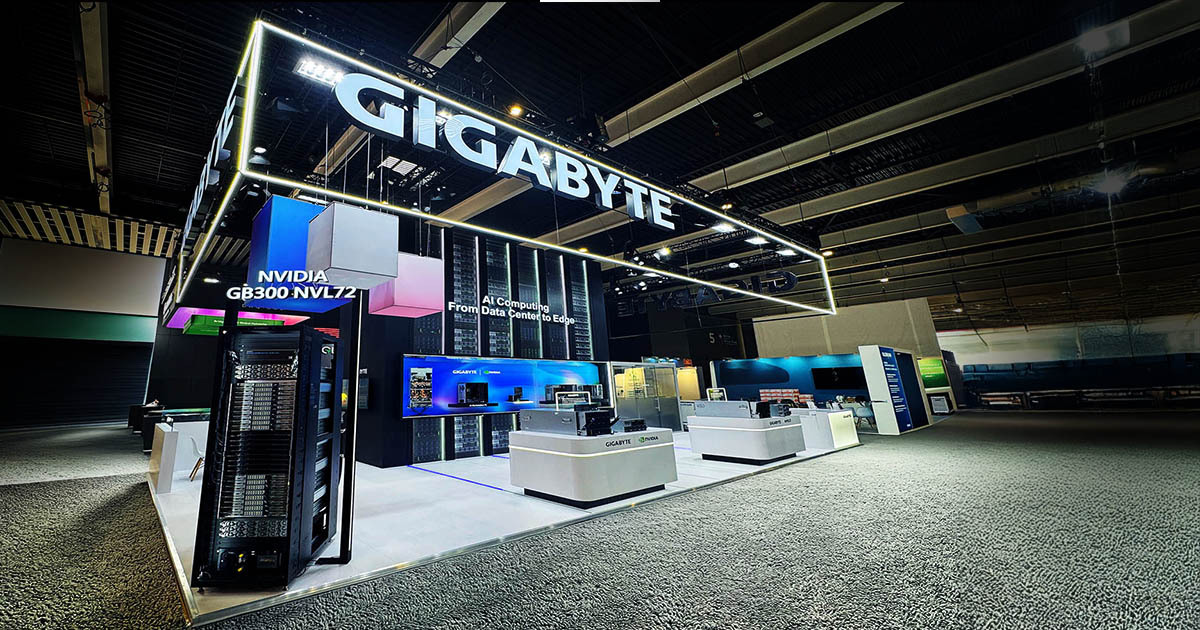
GIGABYTE Demonstrates the Future of Computing at Supercomputing 2023 with Advanced Cooling and Scaled Data Centers

GIGABYTE Demonstrates the Future of Computing at Supercomputing 2023 with Advanced Cooling and Scaled Data Centers

Server platforms feature next-gen AI processors from NVIDIA
GIGABYTE Powers Telecom AI Transformation with End-to-End Infrastructure at MWC 2026

GIGABYTE Powers Telecom AI Transformation with End-to-End Infrastructure at MWC 2026

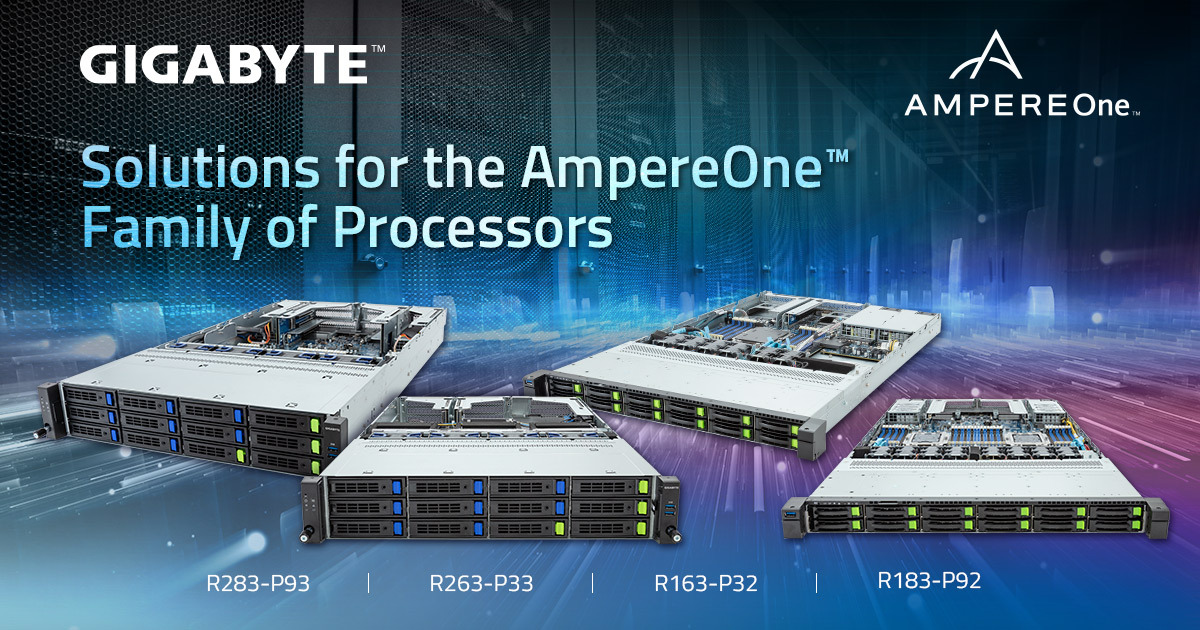
GIGABYTE Introduces New Servers for Cloud Native Deployments on Arm Architecture with AmpereOne™ Family of Processors

GIGABYTE Introduces New Servers for Cloud Native Deployments on Arm Architecture with AmpereOne™ Family of Processors

Consistent, scalable, and secure platform with up to 192 cores
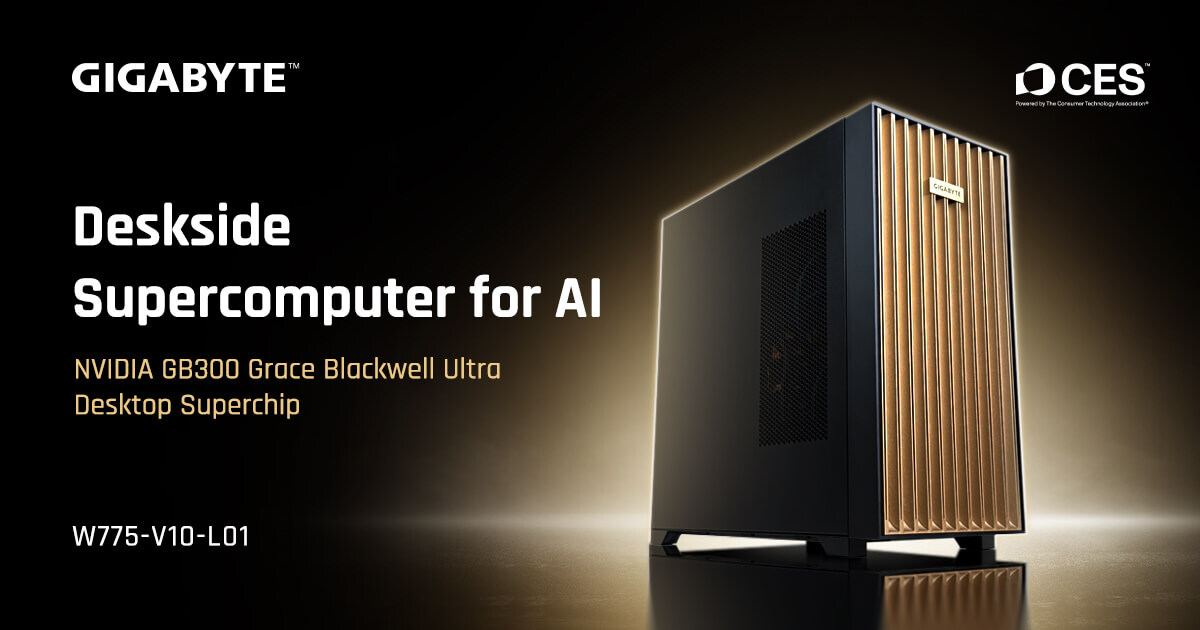
Giga Computing Announces New AI Deskside Supercomputer to Build and Run AI; On Display at CES 2026

Giga Computing Announces New AI Deskside Supercomputer to Build and Run AI; On Display at CES 2026

New Data Center Solutions Scaling for AI
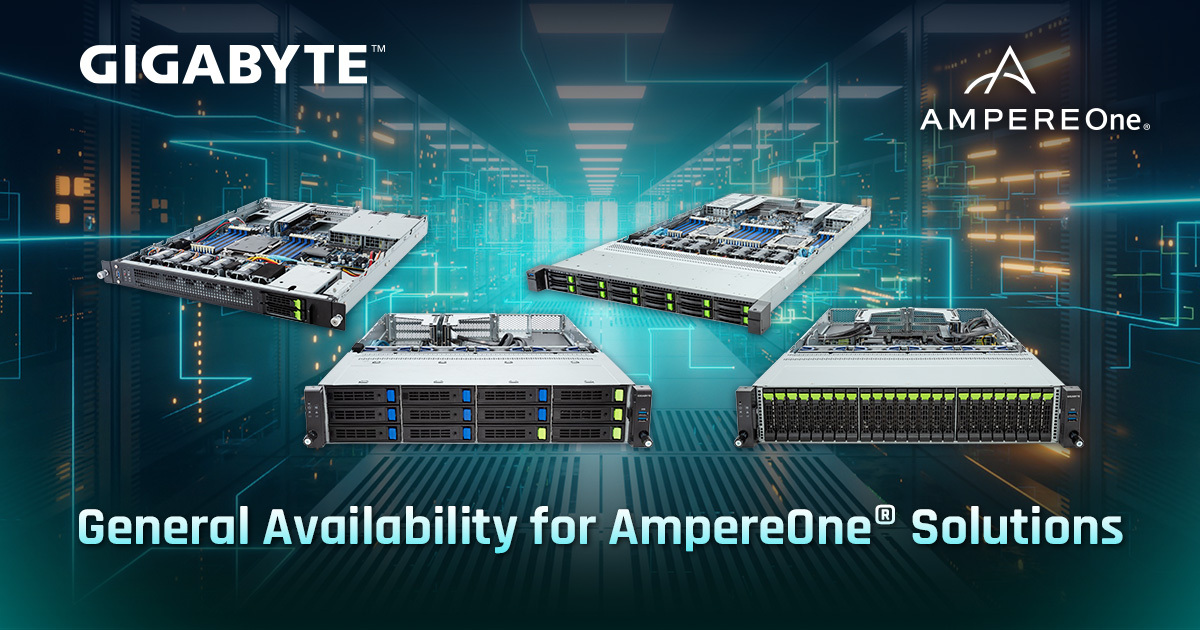
GIGABYTE Announces General Availability for Its New Servers Using AmpereOne® Family of Processors for Cloud Native Workloads - and Joins Yotta 2024

GIGABYTE Announces General Availability for Its New Servers Using AmpereOne® Family of Processors for Cloud Native Workloads - and Joins Yotta 2024