Thread

What is it?

In our glossary entry about cores, we explained that multiple cores can help processors handle a large number of tasks simultaneously. Threads serve a similar purpose, except they are the smallest sequence of instructions that can be executed independently within each core. In other words, while cores are a hardware component, threads are a virtual concept that exist inside the cores. Through a process known as multithreading (sometimes called hyperthreading), each core can run more than one thread—that is, it can begin working on a second set of instructions while waiting for the first set of instructions to be completed. In this way, the processor is used to its fullest potential.

Why do you need it?

Just as most modern processors employ a multi-core architecture, most modern cores can engage in multithreading. While a processor is usually designed to distribute tasks evenly among all its cores before it burdens a single core with more than one task, the inclusion of multiple threads in each core has the effect of multiplying the processor's computing capabilities. Innovative computing techniques, such as parallel computing and high performance computing (HPC), can benefit from the higher number of cores and threads contained in modern processors.

How is GIGABYTE helpful?

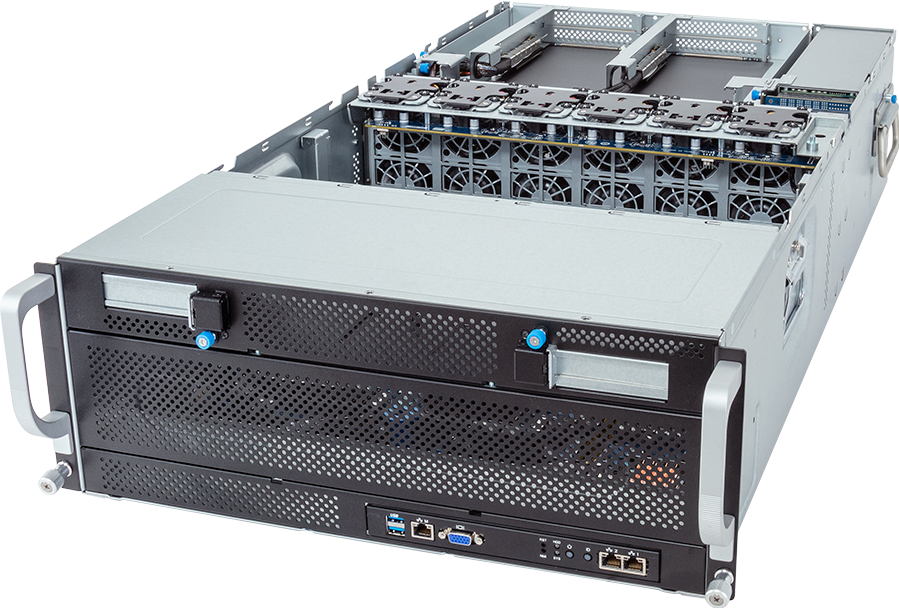
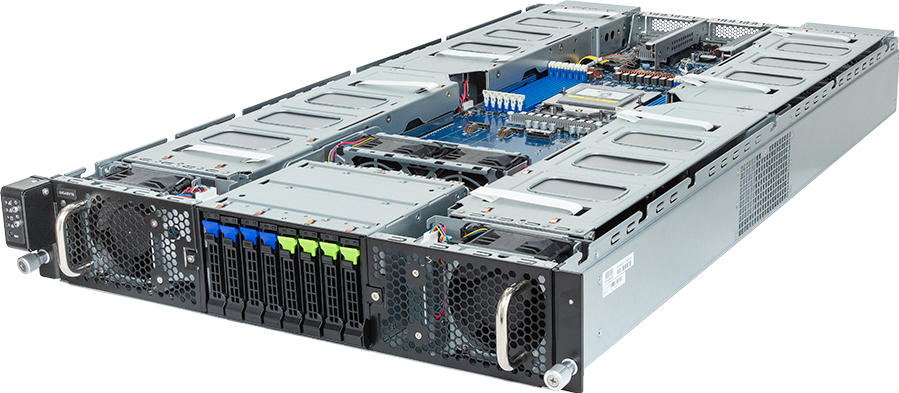
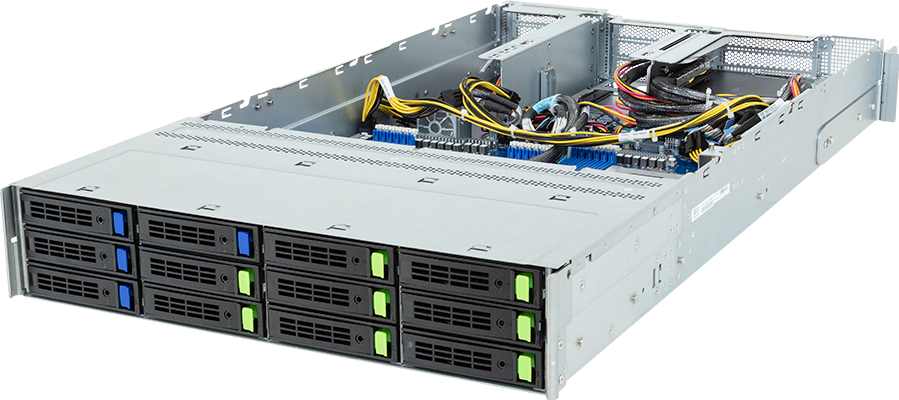
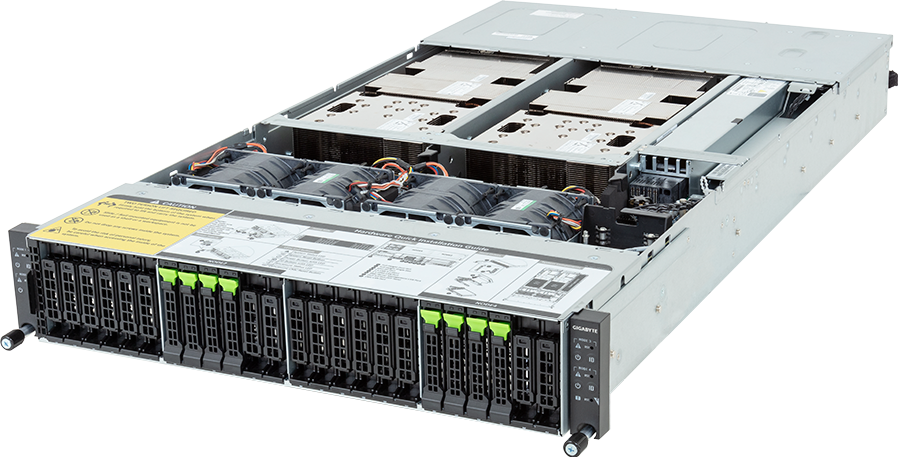
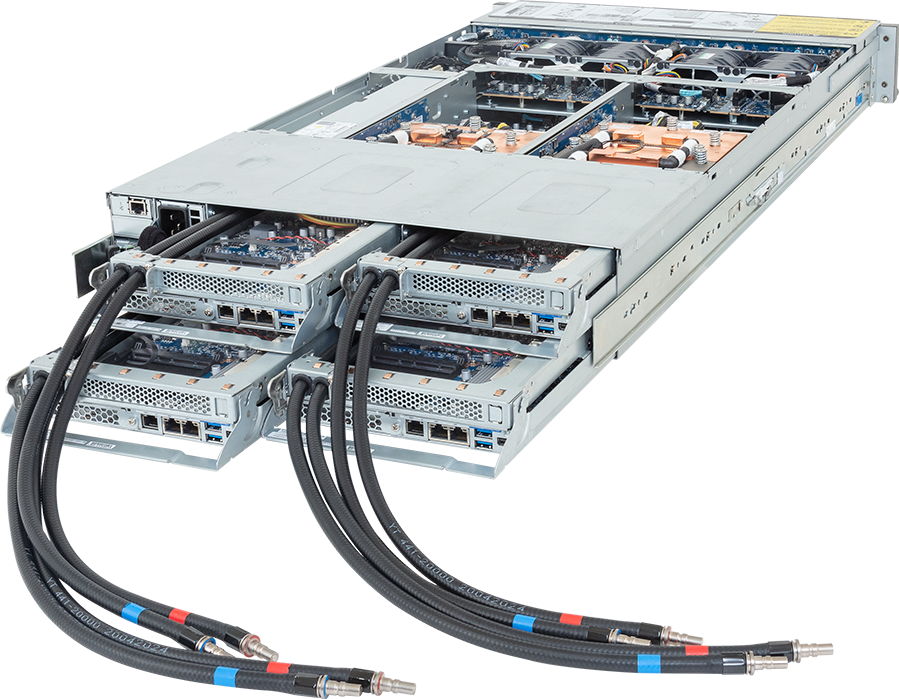
The advanced processors installed inside GIGABYTE servers are suitable for multithreading. For example, a single 64-core AMD EPYC™ CPU contains 128 threads, and GIGABYTE's H262 Series of High Density Servers can house up to eight such CPUs. If you do the math, this means a fully populated 42U (42 rack units) server rack can provide more than 20,000 threads. If you require servers that are capable of handling a large number of tasks simultaneously, you would do well to choose processors with the highest core and thread counts, and pair them with GIGABYTE's many server solutions, whether it's H-Series High Density ServersG-Series GPU Servers, or something else out of GIGABYTE's comprehensive product line.
Recommended Reading

The European Organization for Nuclear Research Delves into Particle Physics with GIGABYTE Servers
Article

The European Organization for Nuclear Research Delves into Particle Physics with GIGABYTE Servers

The European Organization for Nuclear Research (CERN) bought GIGABYTE's high-density GPU Servers outfitted with 2nd Gen AMD EPYC™ processors. Their purpose: to crunch the massive amount of data produced by subatomic particle experiments conducted with the Large Hadron Collider (LHC). The impressive processing power of the GPU Servers’ multi-core design has propelled the study of high energy physics to new heights.
The University of Barcelona Gets a Computing Boost with GIGABYTE Servers
Article

The University of Barcelona Gets a Computing Boost with GIGABYTE Servers

The Institute of Theoretical and Computational Chemistry at the University of Barcelona has increased the capacity of their on-campus data center by over 40% with a new cluster of GIGABYTE servers. Hundreds of researchers will benefit from the computing power of AMD EPYC™ processors. Administrators can easily manage the cluster with GIGABYTE Server Management (GSM), a proprietary multiple server remote management software platform provided for free by GIGABYTE.
What is a Server? A Tech Guide by GIGABYTE
Article

What is a Server? A Tech Guide by GIGABYTE

In the modern age, we enjoy an incredible amount of computing power—not because of any device that we own, but because of the servers we are connected to. They handle all our myriad requests, whether it is to send an email, play a game, or find a restaurant. They are the inventions that make our intrinsically connected age of digital information possible. But what, exactly, is a server? GIGABYTE Technology, an industry leader in high-performance servers, presents our latest Tech Guide. We delve into what a server is, how it works, and what exciting new breakthroughs GIGABYTE has made in the field of server solutions.
Cluster Computing: An Advanced Form of Distributed Computing
Article

Cluster Computing: An Advanced Form of Distributed Computing

Cluster computing is a form of distributed computing that is similar to parallel or grid computing, but categorized in a class of its own because of its many advantages, such as high availability, load balancing, and HPC. GIGABYTE Technology, an industry leader in high-performance servers, presents this tech guide to help you learn about cluster computing. We also recommend GIGABYTE servers that can help you benefit from cluster computing.
How to Pick the Right Server for AI? Part One: CPU & GPU
Article

How to Pick the Right Server for AI? Part One: CPU & GPU

With the advent of generative AI and other practical applications of artificial intelligence, the procurement of “AI servers” has become a priority for industries ranging from automotive to healthcare, and for academic and public institutions alike. In GIGABYTE Technology’s latest Tech Guide, we take you step by step through the eight key components of an AI server, starting with the two most important building blocks: CPU and GPU. Picking the right processors will jumpstart your supercomputing platform and expedite your AI-related computing workloads.
CPU vs. GPU: What's the Difference and Which Do You Need
Article

CPU vs. GPU: What's the Difference and Which Do You Need

Besides the central processing unit (CPU), the graphics processing unit (GPU) is also an important part of a high-performing server. Do you know how a GPU works and how it is different from a CPU? Do you know the best way to make them work together to deliver unrivalled processing power? GIGABYTE Technology, an industry leader in server solutions that support the most advanced processors, is pleased to present our latest Tech Guide. We will explain the differences between CPUs and GPUs; we will also introduce GIGABYTE products that will help you inject GPU computing into your server rooms and data centers.
Spain’s IFISC Tackles COVID-19, Climate Change with GIGABYTE Servers
Article

Spain’s IFISC Tackles COVID-19, Climate Change with GIGABYTE Servers

By using GIGABYTE, Spain’s Institute for Cross-Disciplinary Physics and Complex Systems is pitting the world’s foremost server solutions against some of the world’s most pressing issues, including the effects of climate change, pollution, and COVID-19. GIGABYTE servers are up to the diverse and daunting tasks, because they are designed for high performance computing, intensive numerical simulations, AI development, and big data management.
Server Processors: The Core of a Server’s Performance
Article

Server Processors: The Core of a Server’s Performance

How do server processors work? In which ways are they different from the processors used in personal computers? Which processors should you choose for your servers? GIGABYTE Technology, an industry leader in server solutions that support the most advanced processors, is pleased to present our latest Tech Guide. We will go over the fundamentals of server processors, compare the differences between various types of processors, and then present GIGABYTE products that may help you achieve your goals with the CPUs most suitable for your needs.
What is Private Cloud, and is it Right for You?
Article

What is Private Cloud, and is it Right for You?

In the era of cloud computing, just about everyone has heard of the terms “private cloud” and “public cloud”. Chances are, you are using one or both of them in your everyday life—but how much do you really know about them? If you had the chance, could you build a private cloud for yourself or your organization? GIGABYTE Technology, an industry leader in server solutions used by global cloud service providers, is pleased to present our latest Tech Guide. We will examine the difference between private and public clouds, introduce the private cloud’s advantages and limitations, and then introduce GIGABYTE products that may help you build and operate a private cloud of your own.