RISC (Reduced Instruction Set Computer)
RISC
What is it?
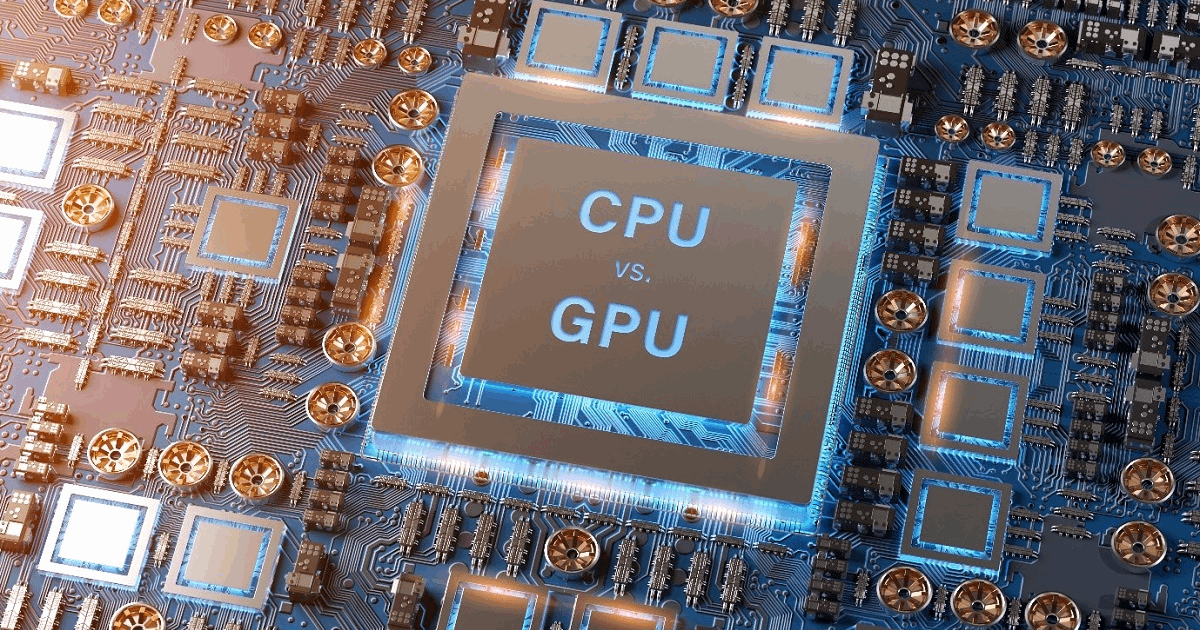
RISC stands for "Reduced Instruction Set Computer"; you may have heard this term mentioned in comparison to CISC ("Complex Instruction Set Computer"). Both RISC and CISC can be seen as different "schools of thought" about how to design a processor's instruction set architecture (ISA), or architecture for short. An architecture determines how a computer carries out instructions, what types of data and registers it supports, how it manages memory, and how it interacts with other devices. The component that actually embodies the architecture in a computer is the familiar processing unit, such as the CPU or GPU. The RISC approach is to build an architecture which uses simple instructions that can be executed within a single clock cycle; as opposed to the CISC approach, which allows for complex instructions that must be carried out across a number of cycles.
Let's use a simple verbal command as an example. Say you want to ask your computer to open a door. A CISC processor understands the command in its entirety and can carry out your order without further elaboration. A RISC processor, on the other hand, needs you to spell out every step of your command: one, grasp the doorknob; two, twist the doorknob; three, push (or pull) the door open...A RISC processor does not actually need more time than a CISC processor to execute a command, it just needs a different set of software to work with the relatively longer length of its computer codes.
Let's use a simple verbal command as an example. Say you want to ask your computer to open a door. A CISC processor understands the command in its entirety and can carry out your order without further elaboration. A RISC processor, on the other hand, needs you to spell out every step of your command: one, grasp the doorknob; two, twist the doorknob; three, push (or pull) the door open...A RISC processor does not actually need more time than a CISC processor to execute a command, it just needs a different set of software to work with the relatively longer length of its computer codes.
Why do you need it?
CISC gained prominence in the mid-twentieth century due to the memory limitations and other restrictive factors of the time. The idea was to build the complexity into the CPU to lessen the burden on other components and the software. However, memory capacity and software complexity has since caught up with the trend. In the early 21st century, RISC experienced a resurgence thanks to the proliferation of mobile devices, which benefit greatly from the lower power draw (and consequently, lower heat dissipation) of RISC processors. In fact, ARM processors, which are based on the RISC architecture, has become the most popular computer chip on the planet, with 200 billion ARM chips shipped between 1985 and 2021. ARM processors are even used in "Fugaku", the world's leading supercomputer, and there is an ongoing debate about whether RISC or CISC will be predominant in the servers and data centers of the future.
Learn more:
《How to Build Your Data Center with GIGABYTE? A Free Downloadable Tech Guide》
Learn more:
《How to Build Your Data Center with GIGABYTE? A Free Downloadable Tech Guide》
How is GIGABYTE helpful?
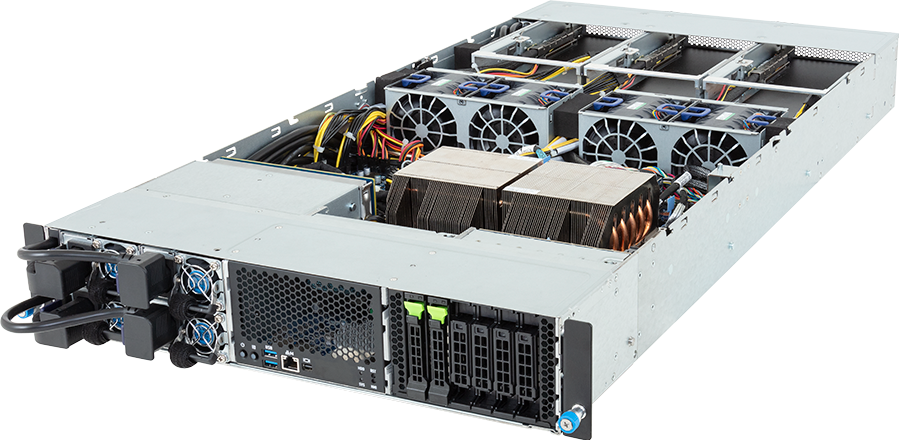
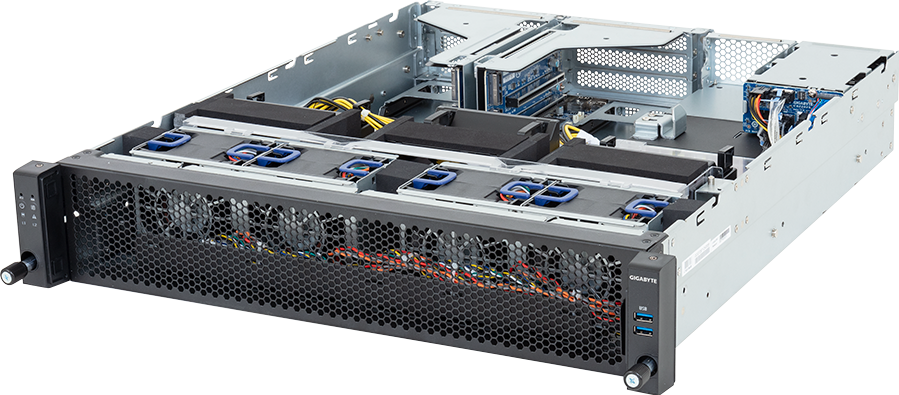
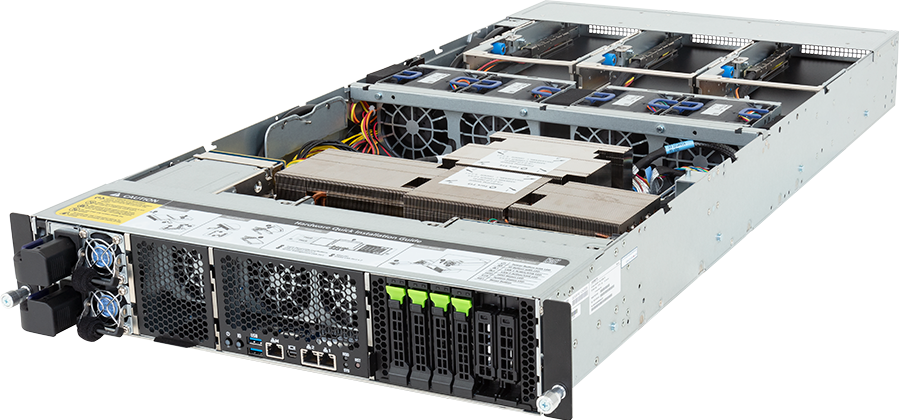
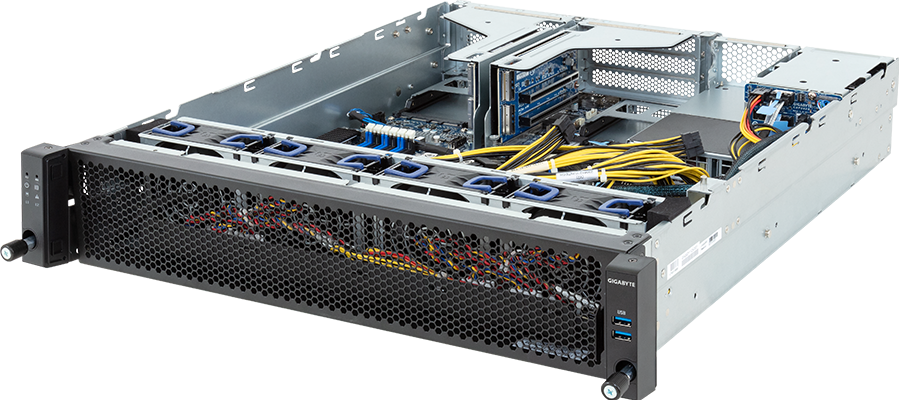
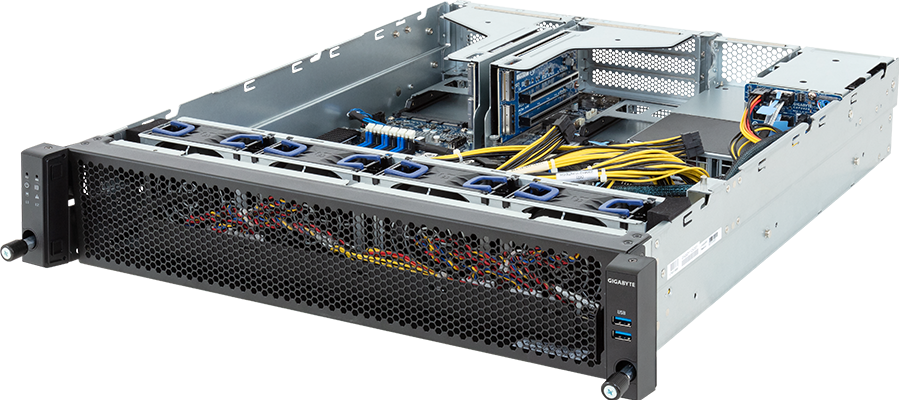
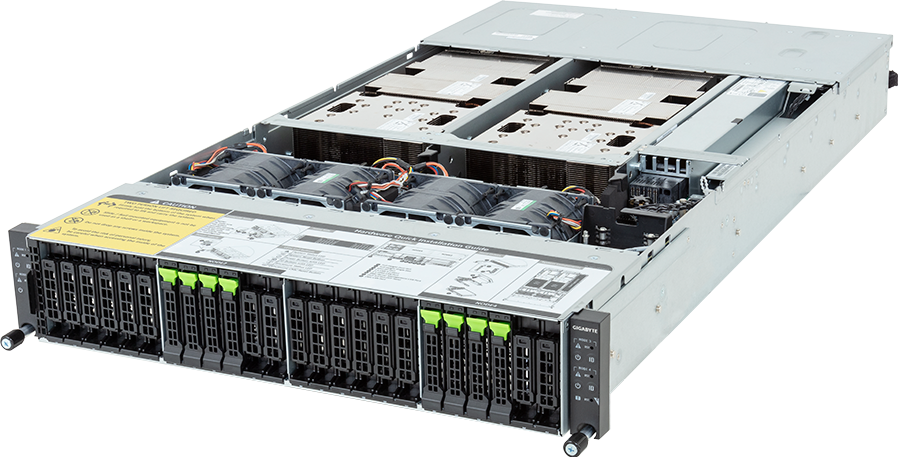
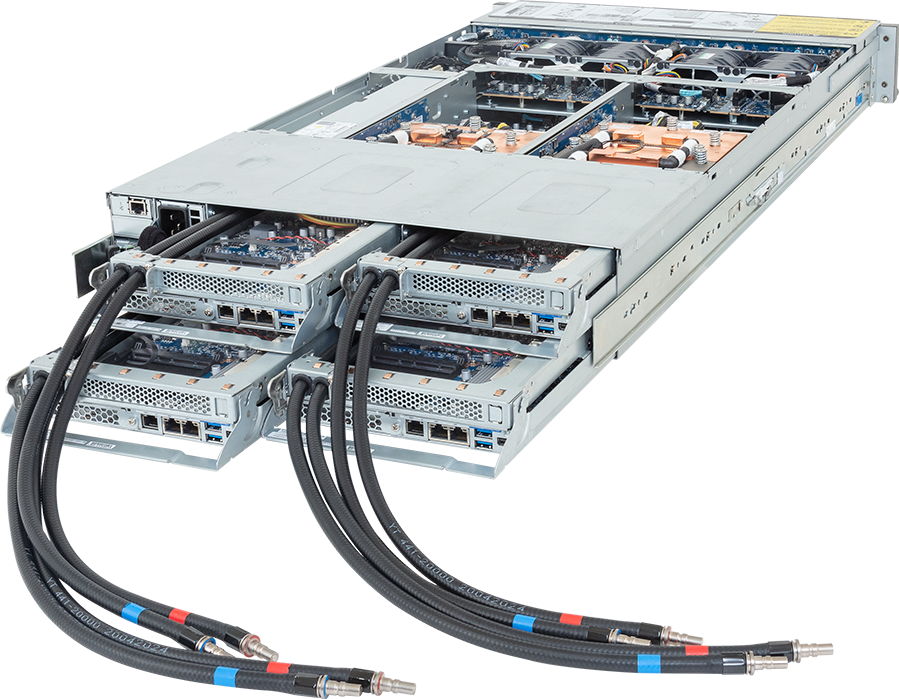
Since 2013, GIGABYTE Technology has developed and produced ARM-based server solutions, which employ the RISC architecture. Through the years, GIGABYTE has developed a common design of ARM servers, which means GIGABYTE can quickly build new server products for specific applications. Whether it is the R-Series Rack Servers for general use, the G-Series GPU Servers for use with GPGPUs, the H-Series High Density Servers for HCI, HPC, and cluster computing, or the E-Series Edge Servers for edge computing, GIGABYTE has the ARM servers you need to benefit from RISC in your server room or server farm.