1. Home
  2. Glossary
  3. Cloud Computing

Cloud Computing

What is it?

In simple terms, Cloud Computing is the delivery of computing services to a user or an organization—servers, storage, databases, networking, software, analytics, intelligence and more—over the Internet ("the Cloud"). Cloud Computing is usually provided using virtualization, in where the physical computer hardware is abstracted from the software & applications that are running on that hardware.

Cloud Computing services can be provided several different ways, via public, private or hybrid clouds. Public cloud computing is provided by 3rd party service providers (such as Amazon Web Services, Microsoft Azure, or Google Cloud) who own the physical hardware and then sell these resources online via a secure internet connection. In a private cloud, an enterprise builds a cloud within their own data center by running applications on virtual servers that may reside on any number of available physical machines. Hybrid cloud computing is where a mixture of private and public cloud computing services are used together in tandem.

As part of RightScale's 2018 State of the Cloud report, an in-depth survey was conducted of 997 IT professionals about their adoption of cloud infrastructure and related technologies, an astonishing 96% of respondents indicated that they run their enterprise's workloads in a cloud – either public, private or hybrid.

Why do you need it? Who needs it?

Cloud Computing is extremely convenient and cost effective – since the user of the computing / storage / networking resources does not need to be physically located next to the hardware they are using, this hardware can be located at remote locations (where it is easier or cheaper to maintain) or even "outsourced" to public cloud providers (such as Amazon, Microsoft or Google etc.). There does not need to be any special hardware, wireless network connection or infrastructure between the user and the computing resource, they simply use it via the Internet. Furthermore, due to the fact that the computing resources can be accessed remotely from anywhere, they can easily be "pooled" together at a central location. Since each remote user won't be using the resources 100% of the time, the resources can be shared and provisioned more efficiently, meaning that lot less physical resources are need compared with the scenario if each user required their own physical computer resource.

Deciding whether to use adopt cloud computing with a public or private cloud or a combination of both will depend on many different considerations. Public cloud services are highly cost efficient because there is no capital expense to buy or maintain hardware and facilities. There is also greater flexibility for users because organizations pay only for the computing resources that they actually use. A private cloud ensures that an organization hosts and controls its own data, which may be necessary for compliance, security or privacy reasons in highly regulated industries like healthcare and financial services. Companies that have invested millions of dollars in their data centers over the years also will want to protect those investments by leveraging them for private clouds.

A hybrid cloud can offer the advantages of both – organizations can own and control their own data onsite, while connecting with public cloud services to private additional compute and storage capabilities in times of peak usage – referred to as "cloud bursting capabilities". The potential downside of a hybrid cloud can be the increased complexity of managing and connecting different cloud platforms.

How is GIGABYTE helpful?

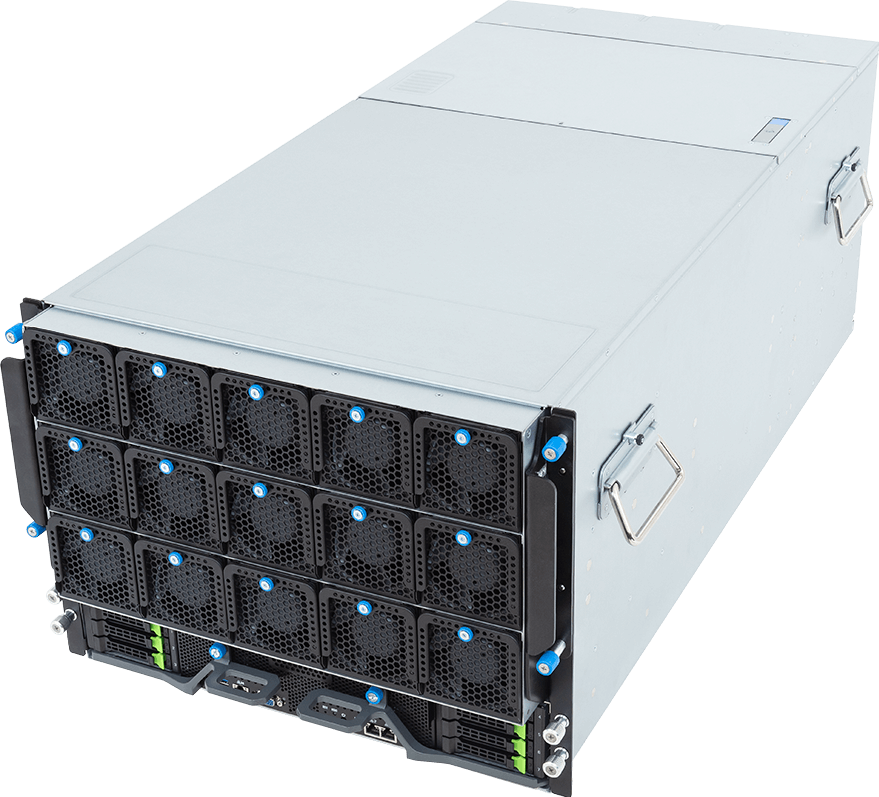
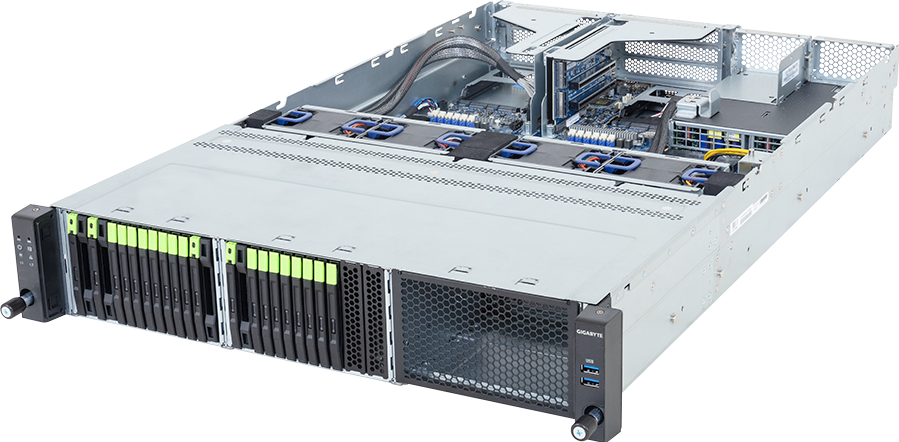
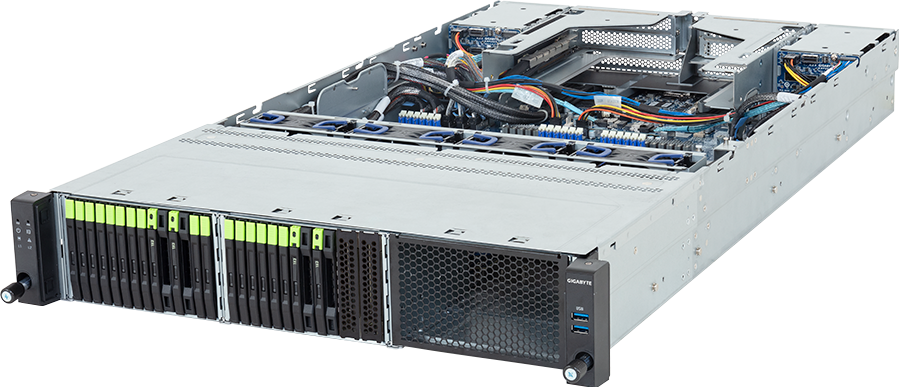
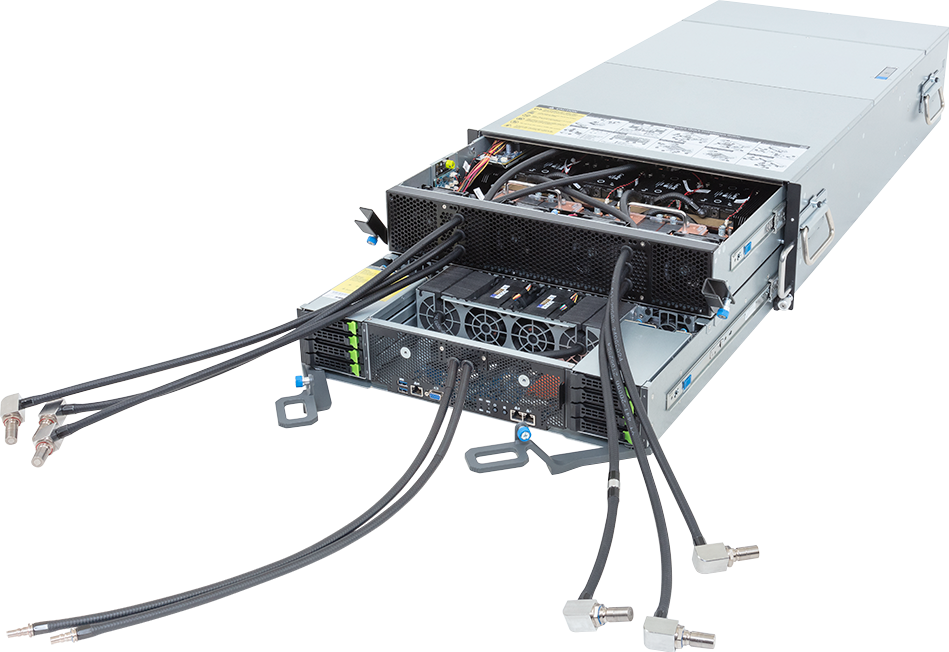
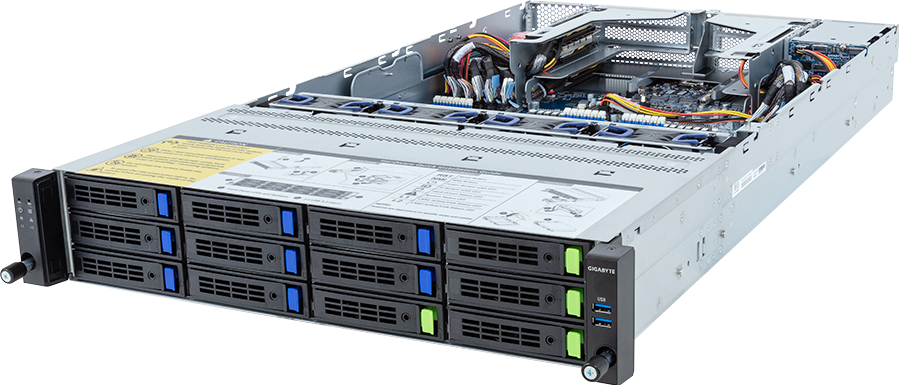
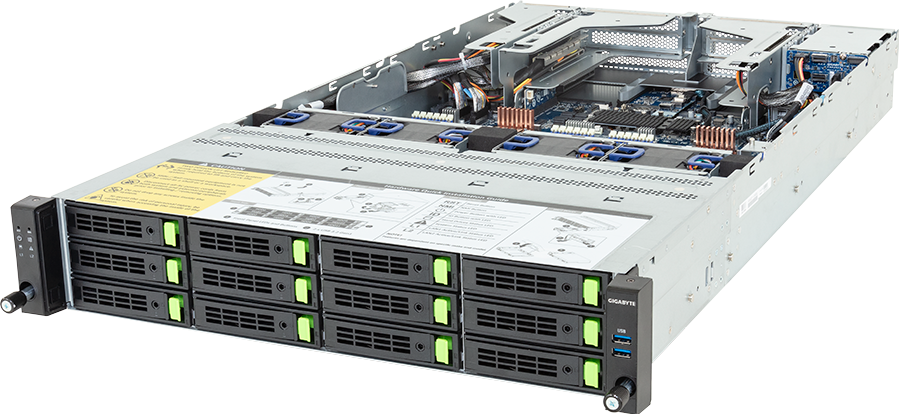
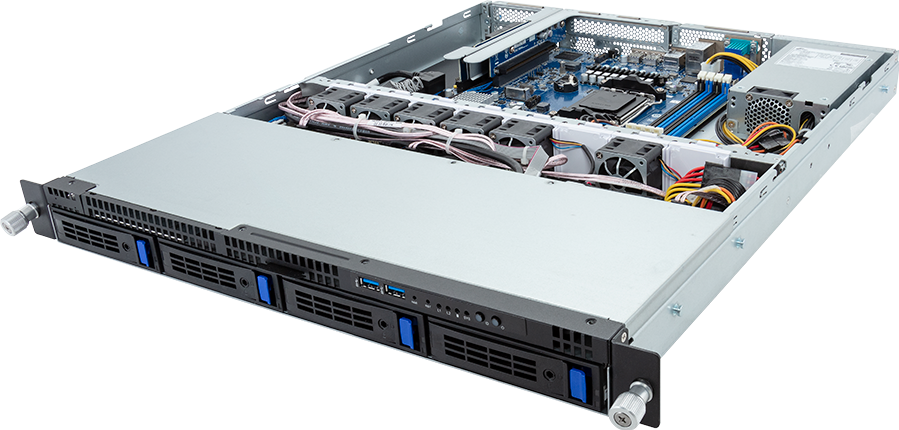
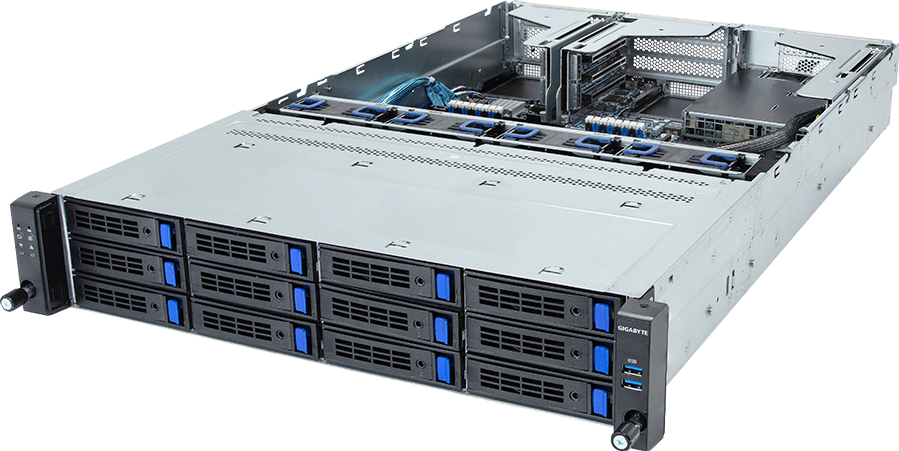
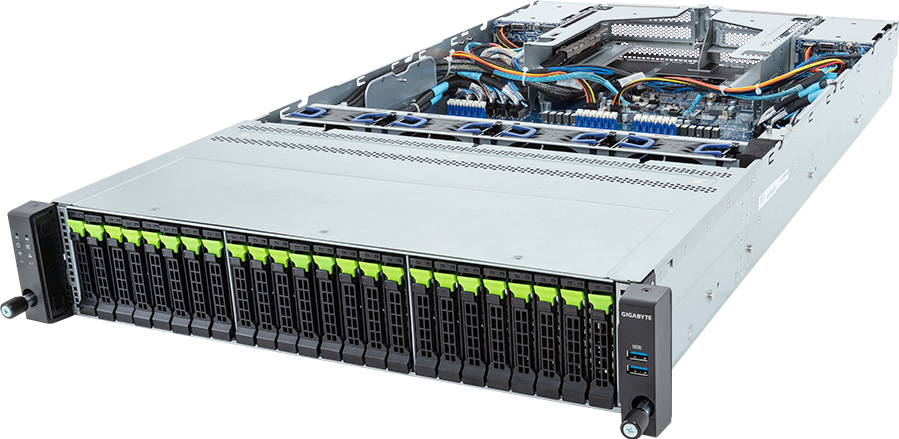
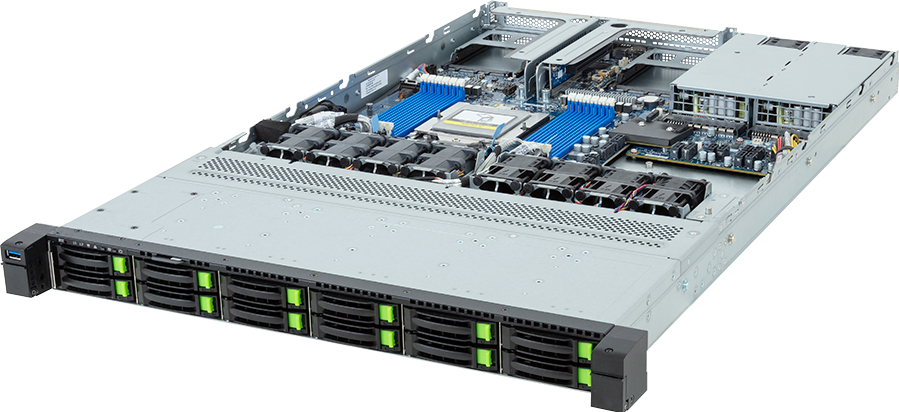
GIGABYTE is one of the industry leaders in providing the physical server hardware needed to build a private cloud. Our large variety of server systems based on Intel Xeon Scalable, AMD EPYC and Marvell ThunderX2 processors provide an ideal base to build an organization's cloud computing infrastructure.

Furthermore, GIGABYTE is also collaborating with a variety of software solution providers to deliver a combined hardware / software package to provide easier and faster deployment of a private or hybrid cloud, to provide virtualization and sharing of compute, GPU and storage resources.
Recommended Reading

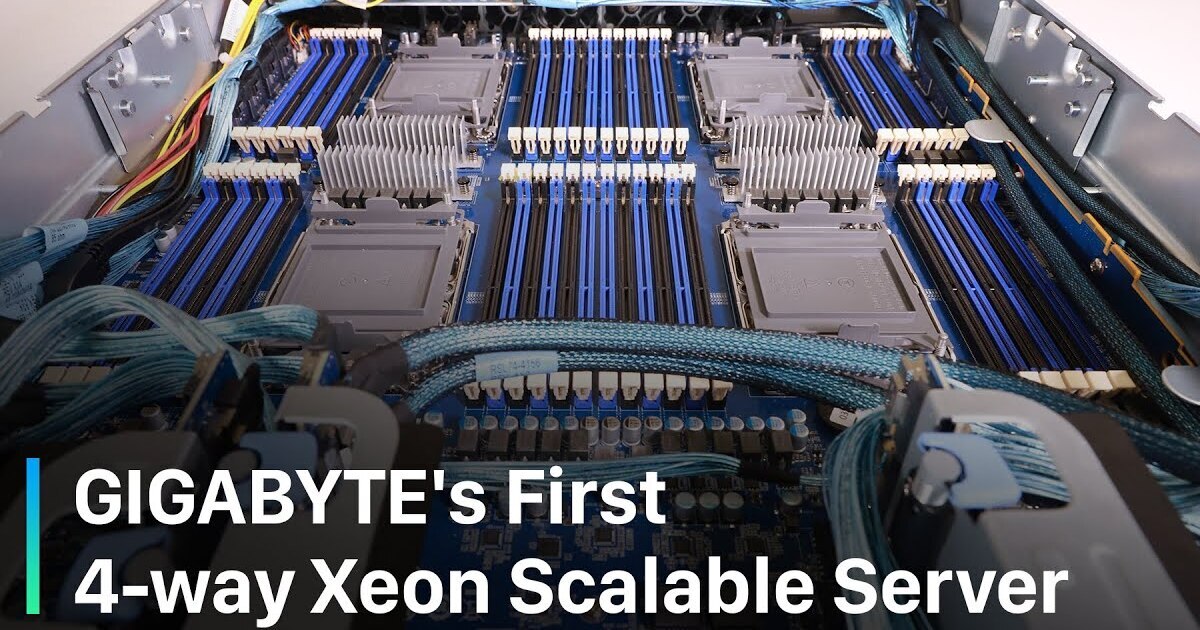
GIGABYTE's First 4-way Xeon Scalable Server

GIGABYTE's First 4-way Xeon Scalable Server

4-way Intel Xeon Scalable on GIGABYTE servers is ideal for high performance computing and deep learning as the systems can handle an incredible number of ...
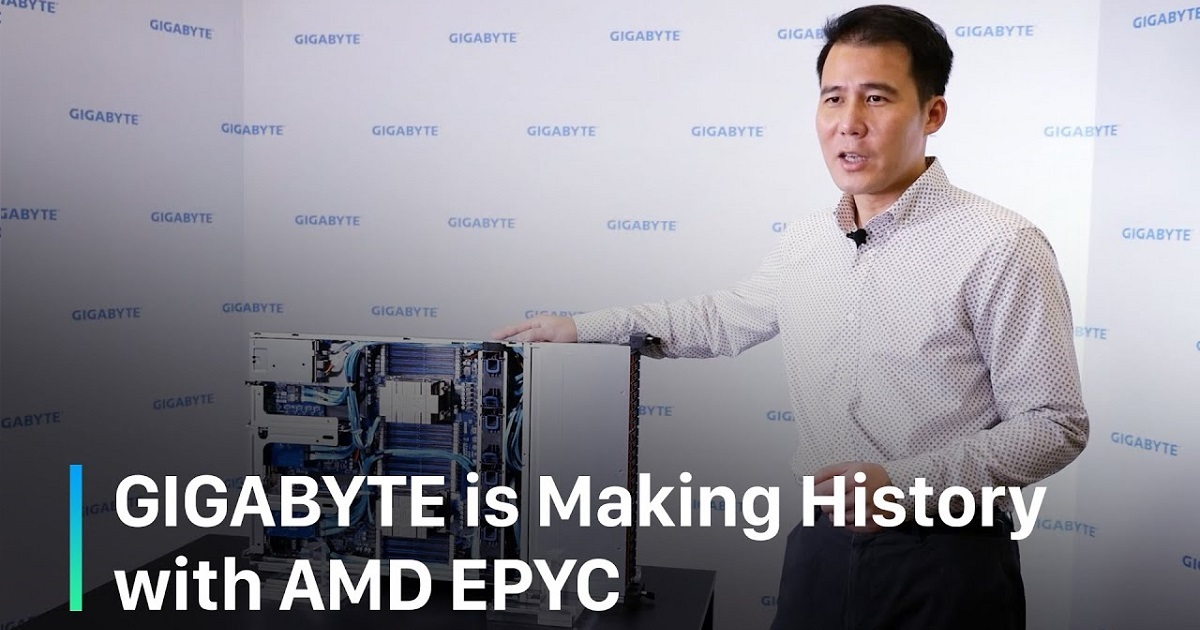
GIGABYTE is Making History with AMD EPYC

GIGABYTE is Making History with AMD EPYC

GIGABYTE: one of the earliest server partners, providing the most fulfilling EPYC line-up to the market. =========== GIGABYTE Virtual Show ...
What is Private Cloud, and is it Right for You?
Article

What is Private Cloud, and is it Right for You?

In the era of cloud computing, just about everyone has heard of the terms “private cloud” and “public cloud”. Chances are, you are using one or both of them in your everyday life—but how much do you really know about them? If you had the chance, could you build a private cloud for yourself or your organization? GIGABYTE Technology, an industry leader in server solutions used by global cloud service providers, is pleased to present our latest Tech Guide. We will examine the difference between private and public clouds, introduce the private cloud’s advantages and limitations, and then introduce GIGABYTE products that may help you build and operate a private cloud of your own.
AMD EPYC™ 9005 Series Solutions

AMD EPYC™ 9005 Series Solutions

5th Generation AMD EPYC is the pinnacle of the AMD SP5 platform.
Silicon Valley Startup Sushi Cloud Rolls Out Bare-metal Services with GIGABYTE
Article

Silicon Valley Startup Sushi Cloud Rolls Out Bare-metal Services with GIGABYTE

The Silicon Valley startup Sushi Cloud is competing in the public cloud sector by providing “bare-metal” services that give users exclusive access to individual, standalone servers on the cloud, resulting in a triple boost to performance, versatility, and reliability. Sushi Cloud purchased GIGABYTE’s R152-Z30 Rack Servers to offer its clients the state-of-the-art performance of AMD EPYC™ CPUs; the versatility afforded by superb memory and storage capacities, in addition to OS and software ecosystem compatibility; and GIGABYTE’s proprietary high availability features (such as SCMP and dual ROM) and remote management functions (such as GIGABYTE Management Console and GIGABYTE Server Management).
4th Gen AMD EPYC Solutions

4th Gen AMD EPYC Solutions

Compute Leadership for the Exascale Era
Cloud Storage
Article

Cloud Storage

New Generation Cloud Storage Architecture
Setting the Record Straight: What is HPC? A Tech Guide by GIGABYTE
Article

Setting the Record Straight: What is HPC? A Tech Guide by GIGABYTE

The term HPC, which stands for high performance computing, gets thrown around a lot nowadays, as server solutions become more and more ubiquitous. It is running the risk of becoming a catchall phrase: anything that is “HPC” must be the right choice for your computing needs. You may be wondering: what exactly are the benefits of HPC, and is HPC right for you? GIGABYTE Technology, an industry leader in high-performance servers, presents this tech guide to help you understand what HPC means on both a theoretical and a practical level. In doing so, we hope to help you evaluate if HPC is right for you, while demonstrating what GIGABYTE has to offer in the field of HPC.
Storage Systems are Extremely Important for Business Continuity
Article

Storage Systems are Extremely Important for Business Continuity

In an era of increasing technological advancement, an important issue for enterprises and the key to maintaining business continuity is how to prevent important data from being accidentally lost due to human error, deliberately deleted or even stolen.
Using GIGABYTE, NIPA Cloud Soars Among CSP Giants in Thailand
Article

Using GIGABYTE, NIPA Cloud Soars Among CSP Giants in Thailand

NIPA Cloud is a leading public and private cloud service provider in Thailand. It has purchased multiple GIGABYTE R-Series Rack Servers to support the launch of its new service: NIPA Enterprise Public Cloud. Featuring powerful AMD EPYC™ processors and smart management functions, GIGABYTE servers boast the performance, availability, and power efficiency that can help NIPA Cloud go toe-to-toe with some of the world’s biggest CSPs, such as AWS, GCP, and Microsoft Azure.