SDN (Software Defined Networking)
What is it?
In traditional networking, the control plane (devices that manage network traffic) and the data plane (routers and switches that forward network traffic) is combined together in integrated hardware and software. Software Defined Networking (SDN) brings the concept of virtualization (software abstracted from hardware) to networking, by separating and virtualizing the control plane from the data plane. The network can then be intelligently and centrally controlled, or ‘programmed’ using software applications. These applications may be for common networking functions, such as for traffic engineering or security, and multiple network services can be consolidated onto one common hardware infrastructure.
Why do you need it?
Perhaps the most compelling advantage of SDN is that it provides a centralized “intelligent” entity with an entire view of the network, and can make routing and switching decisions based on this view. This centralized entity can control everything, such as changing policies to simplifying configuration and automation across the whole network.
Network resources can therefore be better and more effectively allocated, and since software is used to control the network it is more agile, easier to manage and ready to adapt to whatever use cases emerge in the future. New networks and services can be spun up and down dynamically, and fine-tuned for specific applications.
SDN can also be used to enhance network security by segmenting network traffic – some networks can be ultra-secure and carry sensitive data, while others can be public facing. If a hacker can gain access to a public facing web server, they are restricted only to that segment of the network, and cannot access other segments such as secure data center networks. And all of this can be performed on the same underlying physical network infrastructure to reduce costs.
Network resources can therefore be better and more effectively allocated, and since software is used to control the network it is more agile, easier to manage and ready to adapt to whatever use cases emerge in the future. New networks and services can be spun up and down dynamically, and fine-tuned for specific applications.
SDN can also be used to enhance network security by segmenting network traffic – some networks can be ultra-secure and carry sensitive data, while others can be public facing. If a hacker can gain access to a public facing web server, they are restricted only to that segment of the network, and cannot access other segments such as secure data center networks. And all of this can be performed on the same underlying physical network infrastructure to reduce costs.
How is GIGABYTE helpful?
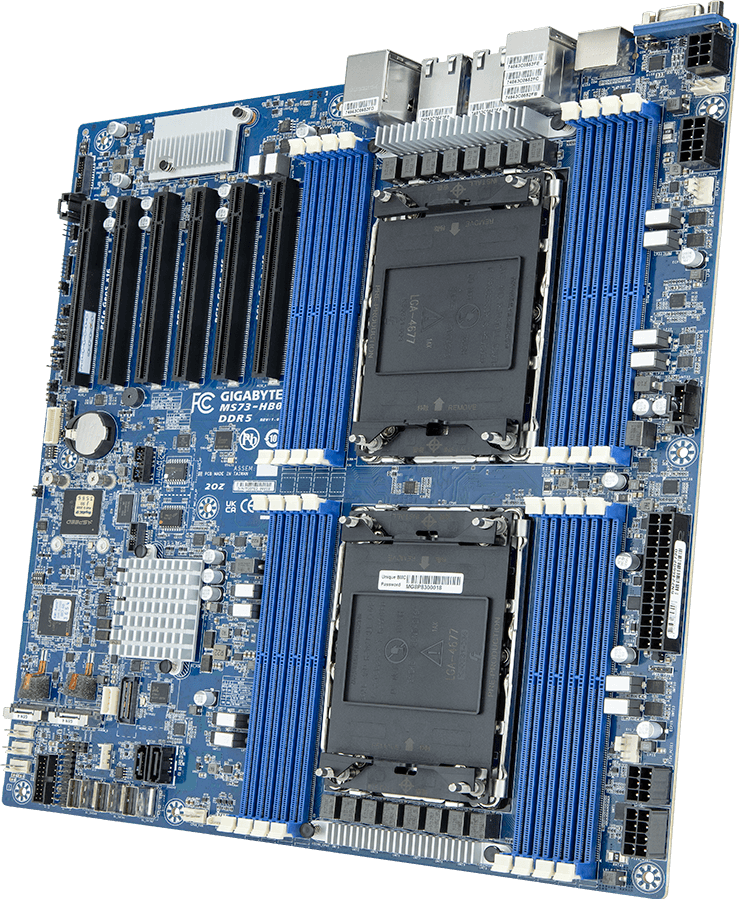
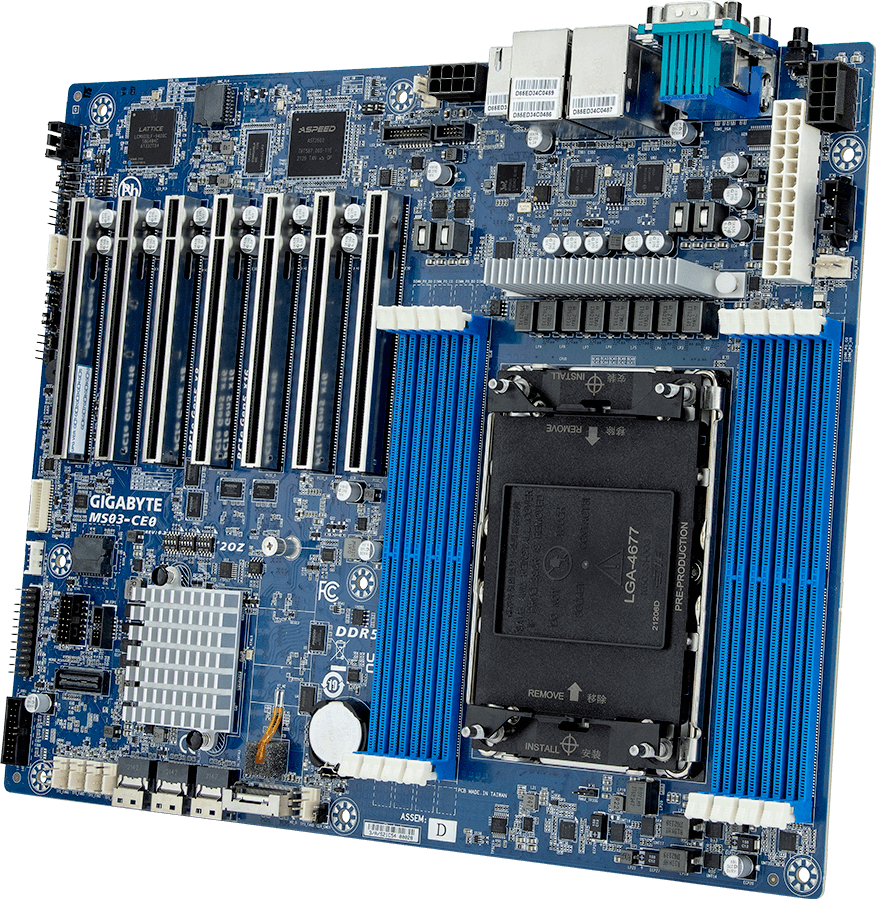
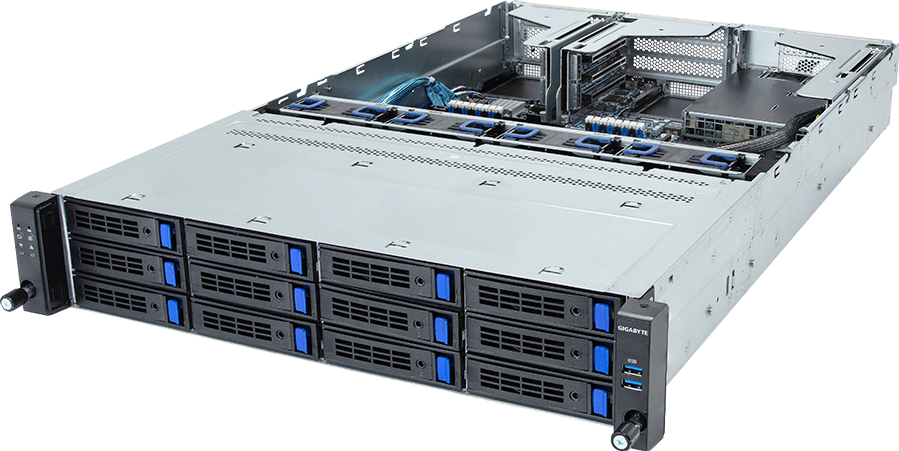
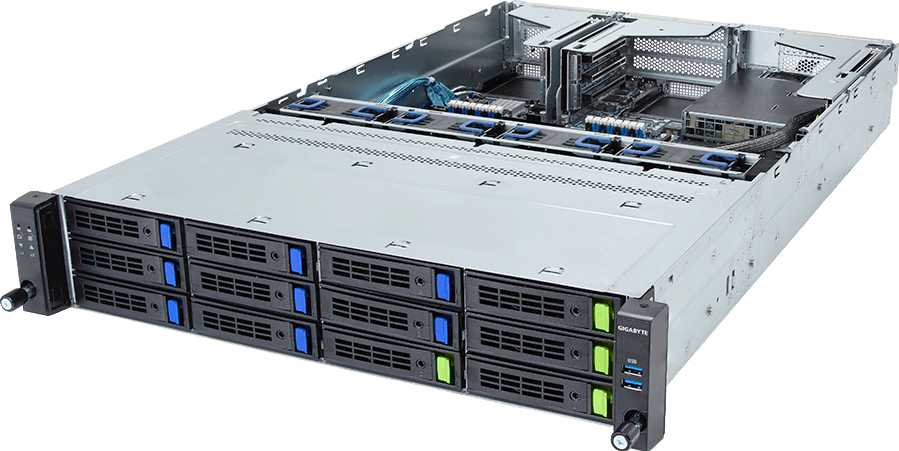
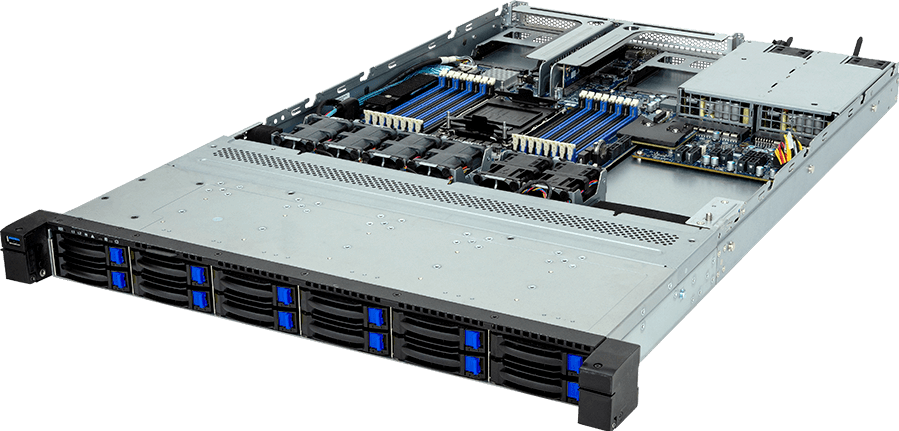
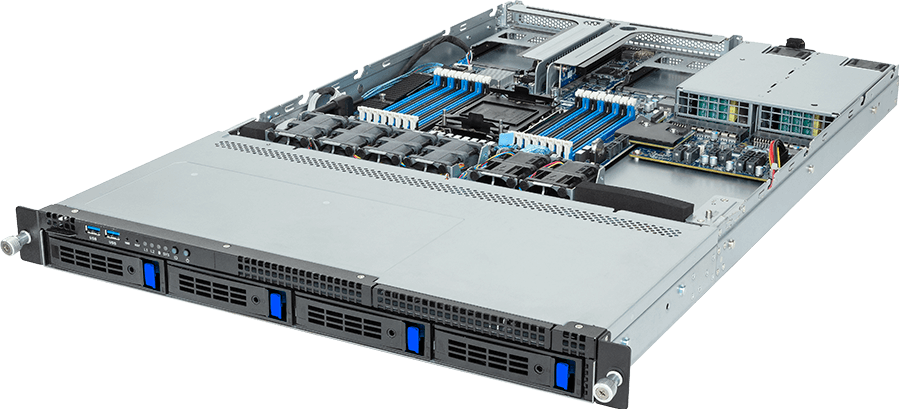
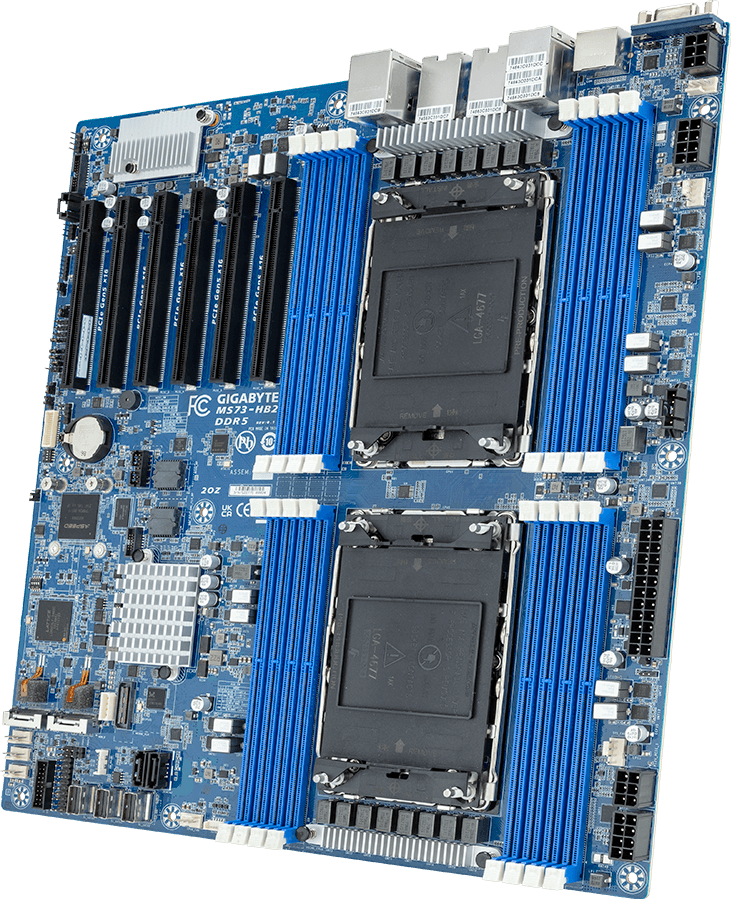
GIGABYTE can provide many different solutions that can help implement SDN in your organization. For example, GIGABYTE has worked together with Microsoft to develop a range of certified platforms for Azure Stack HCI, a hyper-converged infrastructure solution that includes SDN functionality as standard. And GIGABYTE’s servers are also ideal to be used for NFV (Network Functions Virtualization) to implement a SDN architecture, by replacing specialized firewalls or load balancing equipment with software that fulfills these functions running on off-the-shelf server hardware.