1. Home
  2. Glossary
  3. Load Balancing

Load Balancing

What is it?

In the fields of distributed computingparallel computing, and high performance computing (HPC), computing tasks can be completed more efficiently if they are evenly distributed among various resources, whether it's a node in a computing cluster, or a core or thread in a processor. It stands to reason, then, that we need a way of balancing the workloads between all these different resources. That's where load balancing comes in.

Generally, something called a load balancer is used to pick up requests and distribute them evenly among the servers. The method of distribution can be static, meaning that the load balancer distributes tasks without taking into account the status of individual servers; or dynamic, meaning that the load balancer can track the status of the servers and make adjustments to how it reroutes traffic. In the age of cloud computing and shared data centers, load balancing has become an important part of the modern data structure.

Why do you need it?

Just like how a team cannot demonstrate its prowess if some members are overburdened while others are left idle, a collection of servers can only reach its full potential when workloads are fairly distributed, and specialized tasks are assigned to servers specially designed for the purpose. Correct load balancing will go a long way towards optimizing response times and ensuring high availability, whether you are running an HPC system, a server room, or a data center.

How is GIGABYTE helpful?

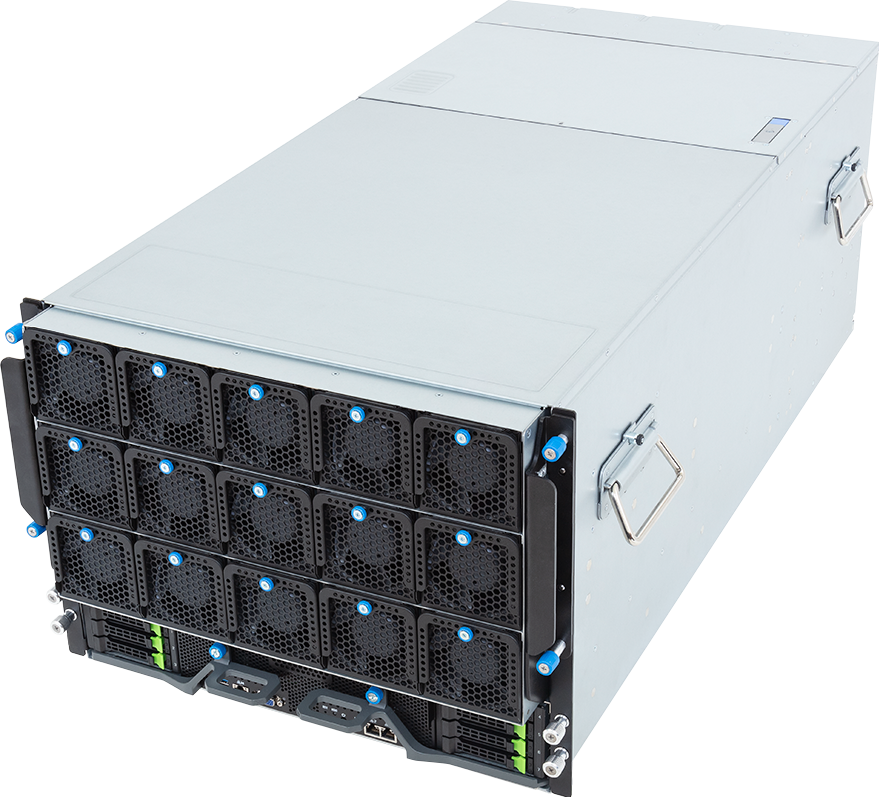
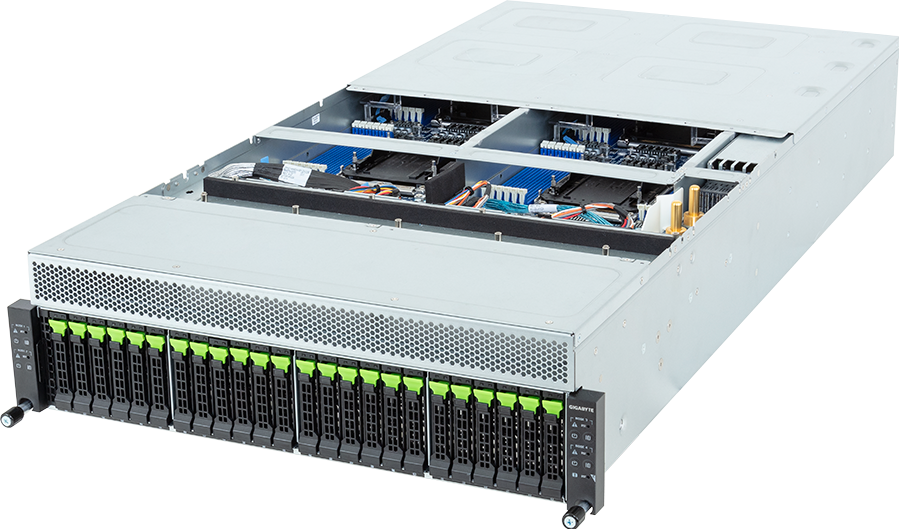
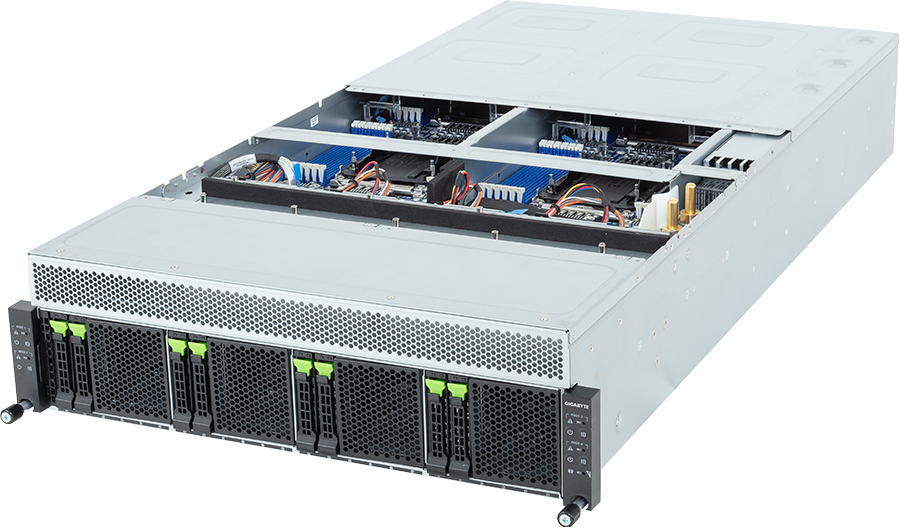
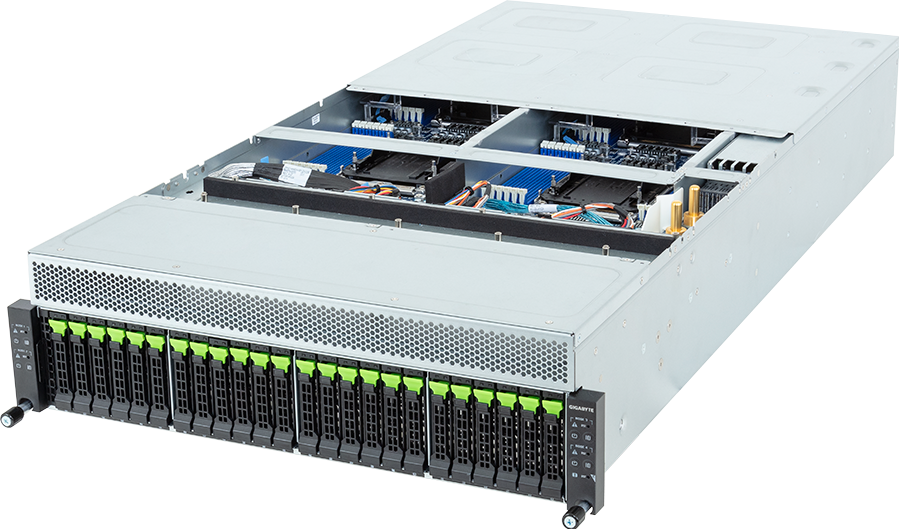
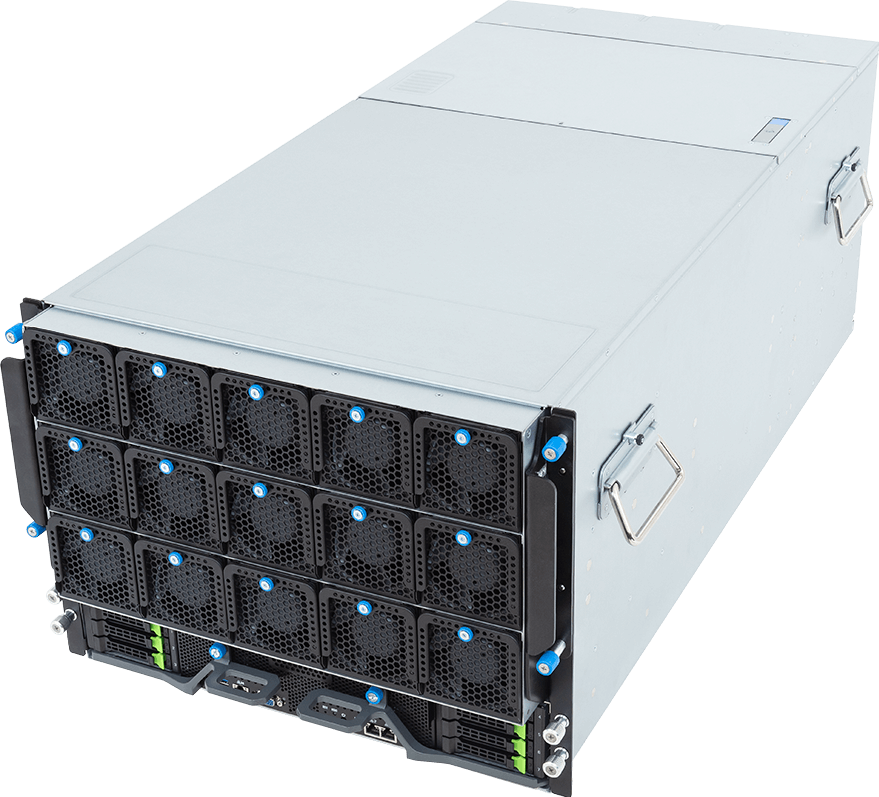
GIGABYTE's comprehensive product line of server solutions, including H-Series High Density ServersG-Series GPU ServersS-Series Storage Servers, and more, are all designed to deliver unrivalled performance to users with different computing needs. As such, effective load balancing will help these products reach their full potential. GIGABYTE servers can be used with mainstream server load balancing techniques, whether it is based on network hardware or algorithms and software.
Recommended Reading

To Empower Scientific Study, NTNU Opens Center for Cloud Computing
Article

To Empower Scientific Study, NTNU Opens Center for Cloud Computing

High performance computing has a critical role to play in modern-day scientific research. The College of Science at Taiwan Normal University anticipated the importance and rapid development of HPC. It purchased GIGABYTE servers to establish the Center for Cloud Computing on its campus, with an eye toward completing research projects more quickly and cultivating professionally trained experts in the field.
6 Key Knowledge to Build the Power of Computing for Your Business
Article

6 Key Knowledge to Build the Power of Computing for Your Business

Digitalization is the first strategy in technology for today's enterprises to stay ahead of others. To develop core business and conduct daily operations, enterprises need IT systems and computing power to store, process, manage and analyze the large amounts of data generated and collected every day. This guide will take you from understanding the relevant definitions of data centers to the functions of servers that are often deployed in modern popular technologies such as high performance computing (HPC), 5G, and artificial intelligence (AI).
The Advantages of ARM: From Smartphones to Supercomputers and Beyond
Article

The Advantages of ARM: From Smartphones to Supercomputers and Beyond

Processors based on the ARM architecture, an alternative to the mainstream x86 architecture, is gradually making the leap from mobile devices to servers and data centers. In this Tech Guide, GIGABYTE Technology, an industry leader in high-performance server solutions, recounts how ARM was developed. We also explain the various benefits of ARM processors and recommend ARM servers for different sectors and applications.
What is Private Cloud, and is it Right for You?
Article

What is Private Cloud, and is it Right for You?

In the era of cloud computing, just about everyone has heard of the terms “private cloud” and “public cloud”. Chances are, you are using one or both of them in your everyday life—but how much do you really know about them? If you had the chance, could you build a private cloud for yourself or your organization? GIGABYTE Technology, an industry leader in server solutions used by global cloud service providers, is pleased to present our latest Tech Guide. We will examine the difference between private and public clouds, introduce the private cloud’s advantages and limitations, and then introduce GIGABYTE products that may help you build and operate a private cloud of your own.
Spain’s IFISC Tackles COVID-19, Climate Change with GIGABYTE Servers
Article

Spain’s IFISC Tackles COVID-19, Climate Change with GIGABYTE Servers

By using GIGABYTE, Spain’s Institute for Cross-Disciplinary Physics and Complex Systems is pitting the world’s foremost server solutions against some of the world’s most pressing issues, including the effects of climate change, pollution, and COVID-19. GIGABYTE servers are up to the diverse and daunting tasks, because they are designed for high performance computing, intensive numerical simulations, AI development, and big data management.
Cluster Computing: An Advanced Form of Distributed Computing
Article

Cluster Computing: An Advanced Form of Distributed Computing

Cluster computing is a form of distributed computing that is similar to parallel or grid computing, but categorized in a class of its own because of its many advantages, such as high availability, load balancing, and HPC. GIGABYTE Technology, an industry leader in high-performance servers, presents this tech guide to help you learn about cluster computing. We also recommend GIGABYTE servers that can help you benefit from cluster computing.
Server Processors: The Core of a Server’s Performance
Article

Server Processors: The Core of a Server’s Performance

How do server processors work? In which ways are they different from the processors used in personal computers? Which processors should you choose for your servers? GIGABYTE Technology, an industry leader in server solutions that support the most advanced processors, is pleased to present our latest Tech Guide. We will go over the fundamentals of server processors, compare the differences between various types of processors, and then present GIGABYTE products that may help you achieve your goals with the CPUs most suitable for your needs.
High-Performance Computing Cluster
Article

High-Performance Computing Cluster

Setting the Record Straight: What is HPC? A Tech Guide by GIGABYTE
Article

Setting the Record Straight: What is HPC? A Tech Guide by GIGABYTE

The term HPC, which stands for high performance computing, gets thrown around a lot nowadays, as server solutions become more and more ubiquitous. It is running the risk of becoming a catchall phrase: anything that is “HPC” must be the right choice for your computing needs. You may be wondering: what exactly are the benefits of HPC, and is HPC right for you? GIGABYTE Technology, an industry leader in high-performance servers, presents this tech guide to help you understand what HPC means on both a theoretical and a practical level. In doing so, we hope to help you evaluate if HPC is right for you, while demonstrating what GIGABYTE has to offer in the field of HPC.
The University of Barcelona Gets a Computing Boost with GIGABYTE Servers
Article

The University of Barcelona Gets a Computing Boost with GIGABYTE Servers

The Institute of Theoretical and Computational Chemistry at the University of Barcelona has increased the capacity of their on-campus data center by over 40% with a new cluster of GIGABYTE servers. Hundreds of researchers will benefit from the computing power of AMD EPYC™ processors. Administrators can easily manage the cluster with GIGABYTE Server Management (GSM), a proprietary multiple server remote management software platform provided for free by GIGABYTE.