Computer Vision
What is it?
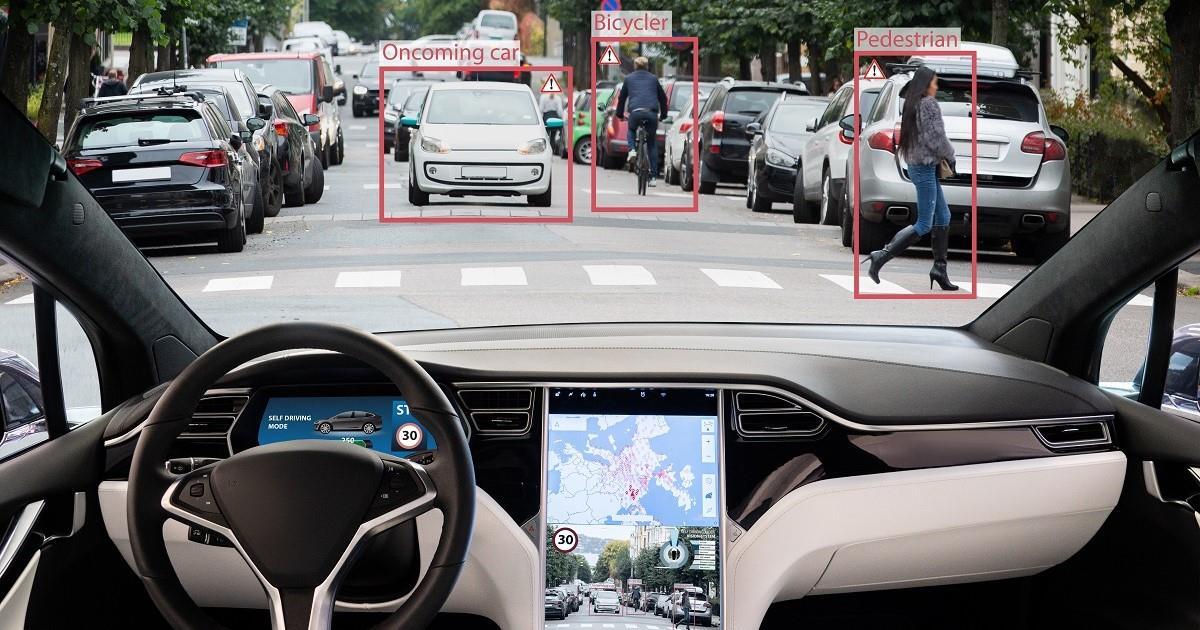
Simply put, computer vision is the field of science that deals with how computers and servers understand and extract data from still images or video footage. What comes naturally to humans—recognizing a familiar face despite a different hairstyle or makeup, understanding a written note despite the sloppy handwriting, detecting obstacles on the road even in bad weather—used to be quite challenging for computers. Now, with computer vision, computers are able to understand what they "see"—that is, they are able to process data presented to them in graphical form.
It should be noted that the term "computer vision" is sometimes used interchangeably with "machine vision". While the two phrases refer to similar concepts, "computer vision" is the umbrella term that covers how computers extract information from pictures and videos; "machine vision" is more focused on how the machines used in industry or production put "computer vision" into practice in applications such as process control and automatic inspection.
It should be noted that the term "computer vision" is sometimes used interchangeably with "machine vision". While the two phrases refer to similar concepts, "computer vision" is the umbrella term that covers how computers extract information from pictures and videos; "machine vision" is more focused on how the machines used in industry or production put "computer vision" into practice in applications such as process control and automatic inspection.
Why do you need it?
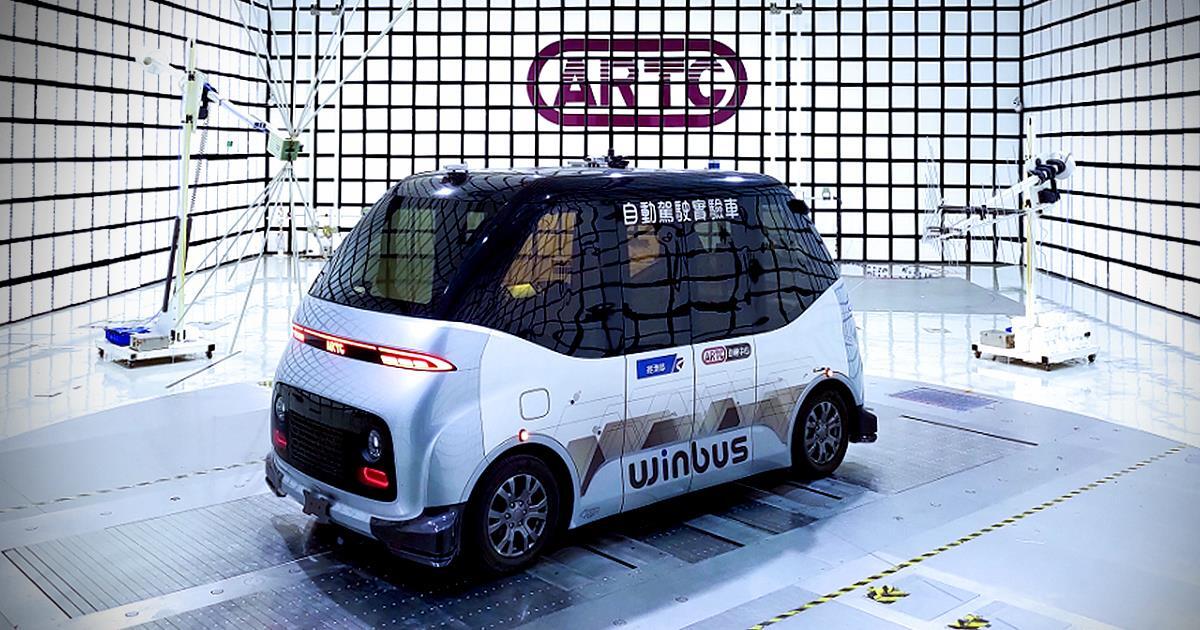
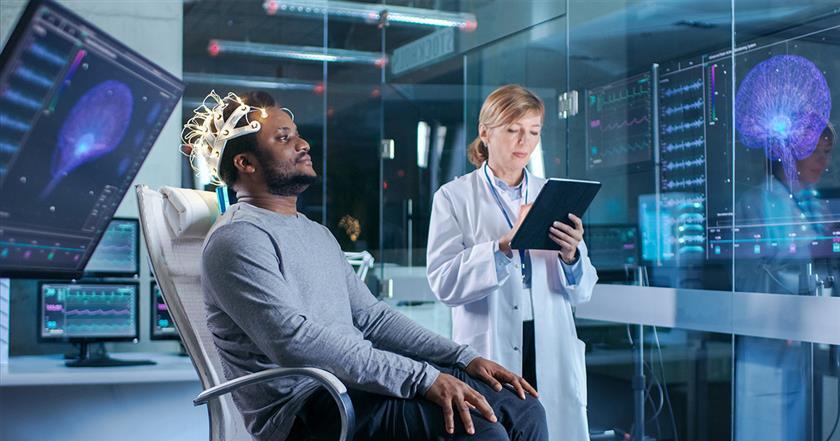
Computer vision—and by extension, machine vision—are already being used in a wide range of vertical markets. Especially when paired with artificial intelligence that can constantly enhance the accuracy with machine learning and deep learning, computer vision can help human workers perform more efficiently in mundane tasks, such as manning security checkpoints or sorting mail in logistics centers; it can change the way we travel with intelligent, self-driving cars and smart tolling systems; and it can help us lead longer, healthier lives when used in smart medicine solutions that can discern signs of disease faster and more accurately. The possibilities are endless: if you have a task that relies on human perception and cognition, chances are, a pair of computer "eyes" can help produce better results.
How is GIGABYTE helpful?
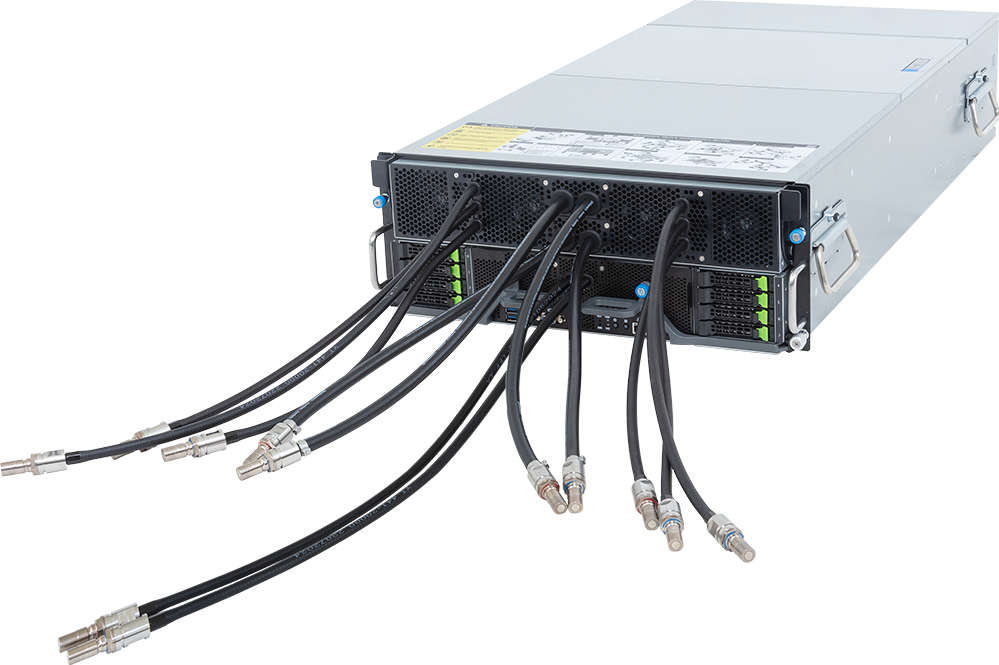
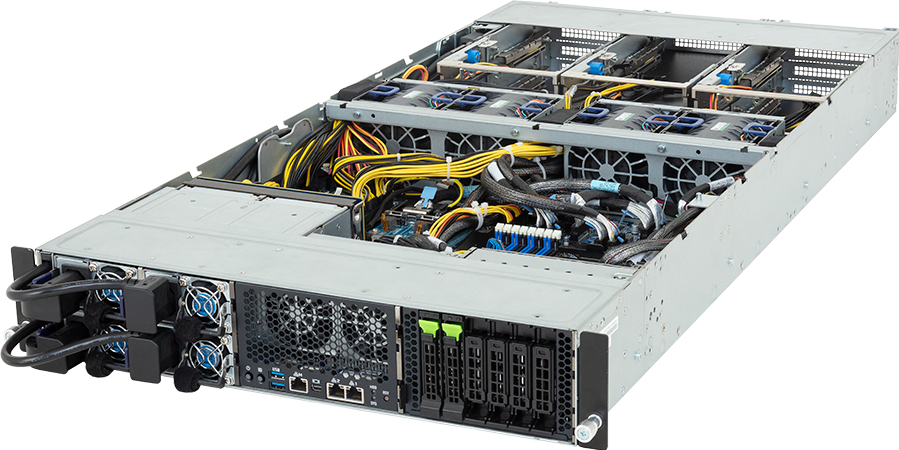
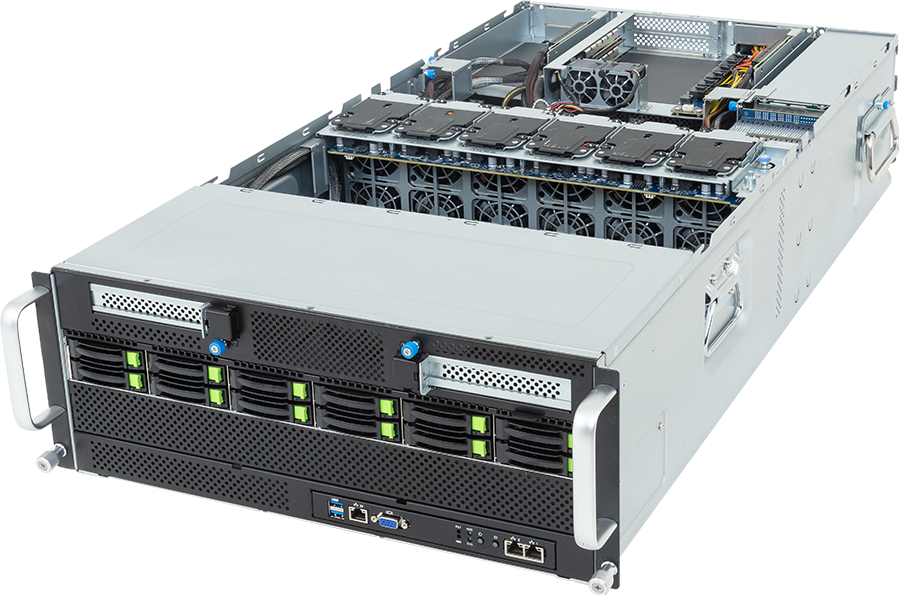
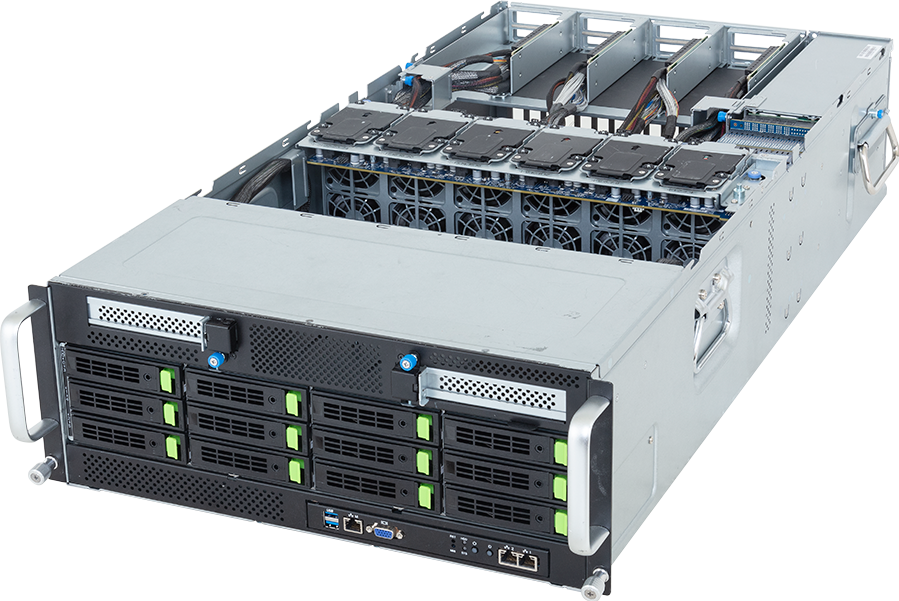
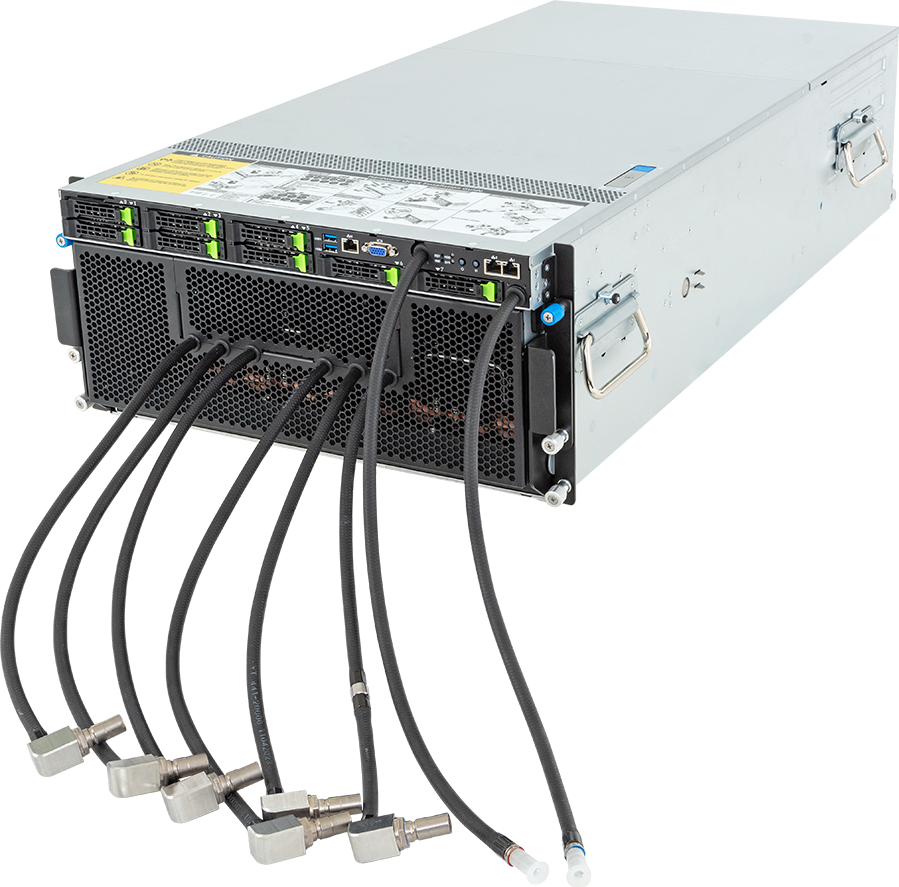
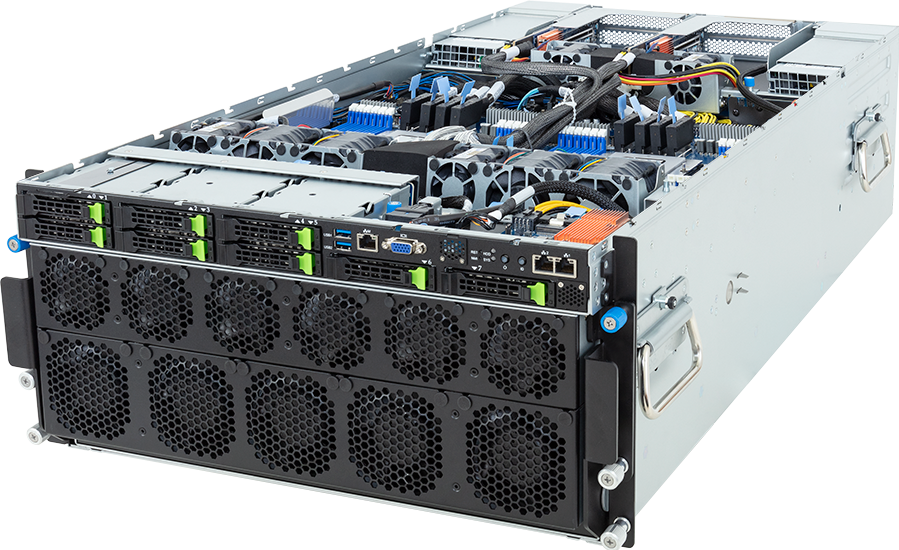
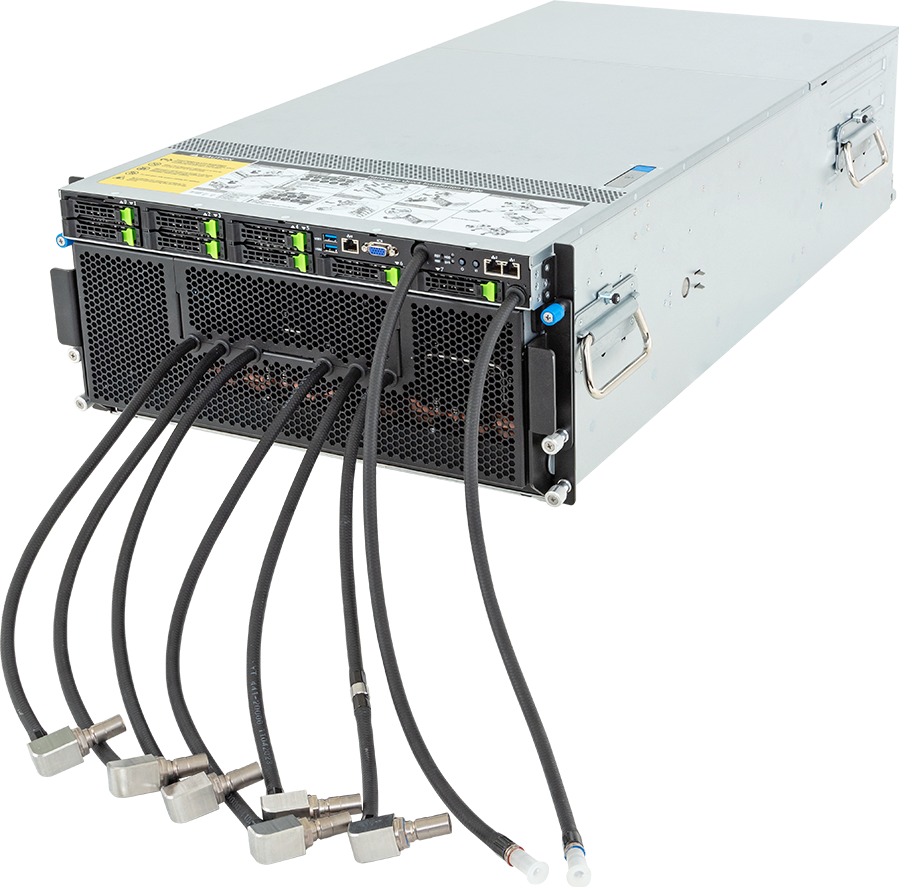
One of the key products used in the development of modern computer vision applications is the GPU (or more accurately, GPGPU), which is ideally suited for processing data that's in graphical form. Computers powered by the most advanced GPUs can run or develop computer vision models for manufacturing, transport and logistics, healthcare, education, and entertainment purposes. GIGABYTE's G-Series GPU Servers, which offer scalable and highly dense GPU designs, have been used by clients to create computer vision-related solutions. Case in point: an Israeli developer of autonomous driving technology uses GIGABYTE G291-281 to build the brain of autonomous vehicles; a French geosciences research company uses GIGABYTE's GPU Servers to perform geophysical data imaging and seismic data analyses that help oil and gas companies determine the most suitable drilling locations.
Other computer vision-related case studies include a North American logistics giant, which purchased a customized GIGABYTE server powered by the MD50-LS0 Server Motherboard to automatically read addresses and sort packages in its smart distribution center; and various elementary schools in New Taipei, which deployed GIGABYTE's AI-based facial recognition solutions in libraries to help students check out books without library cards.
Other computer vision-related case studies include a North American logistics giant, which purchased a customized GIGABYTE server powered by the MD50-LS0 Server Motherboard to automatically read addresses and sort packages in its smart distribution center; and various elementary schools in New Taipei, which deployed GIGABYTE's AI-based facial recognition solutions in libraries to help students check out books without library cards.