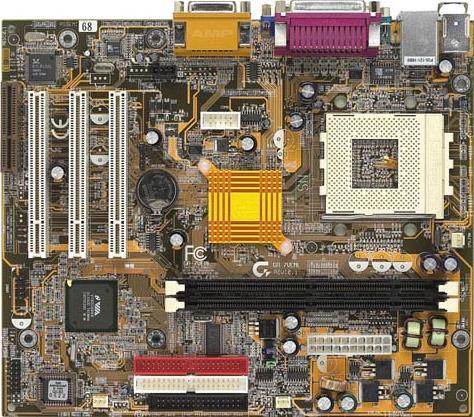
GA-7VEML (Rev. 2.1)
Specifiche
- CPU
- Socket A for AMD Athlon™/Athlon™ XP/Duron™ 200/266 MHz FSB processors
- Supports 500MHz ~ 2000+ and faster
- Auto-detects CPU voltage
- Chipset
- VIA 8361 (KLE133) North Bridge
- VIA 686B South Bridge
- Realtek 8100 10/100Mb LAN chip
- AC97 codec
- Memory
- Supports PC-100 / PC-133 SDRAM
- Supports up to 2GB DRAM memory
- 2DIMMs of 168-pin DIMM sockets
- Expansion Slots
- 1 x CNR (Communication Networking Riser) slot
- 3 x PCI slots support 33Mhz & PCI 2.2 compliant
- I/O Controller
- 2 x USB, 1 x COM, 1 x LPT, PS/2 Keyboard, PS/2 Mouse and 1xVGA out on rear side
- 2 x ATA 66/100 bus master IDE ports on board
- 1 x FDD, 2xHDD and 1xCD Audio Input on board
- IrDA(1x5) and COM2 on board
- 1xRJ45 LAN port on board
- Intel® Standard Front Panel and 2x Front USB Port on board
- H/W Monitoring
- System health status auto-detect and report by BIOS
- Stop CPU fan when entering suspend to RAM mode
- CPU/System fan revolution & temperature detect
- BIOS
- 2Mbit flash ROM
- IDE#1~#4, SCSI, LS120, ZIP and CD-ROM bootable
- Supports @BIOS™ Live Update utility
- Auto-detect and report system health status
- AMI BIOS with enhanced ACPI feature for PC98/Win98/Win2000/ME/XP compliance
- AC recovery ON/OFF control
- Form Factor
- Micro ATX and 4 layers PCB (24.4 x 21.5 cm)
- Driver
- VIA 4-in-1 service pack utility
- Gigabyte Windows Utility Manager
- RealTek LAN driver
- Other Features
- Suspend-To-RAM (STR)
- Supports EasyTune III™, @BIOS™ and Q-Flash™
- Power
- ATX 20-pin power connector
- Power-off by Windows 98/ ME/ 2000/ NT/ XP shut down and Switch
- CPU
- Socket A for AMD Athlon™/Athlon™ XP/Duron™ 200/266 MHz FSB processors
- Supports 500MHz ~ 2000+ and faster
- Auto-detects CPU voltage
- Chipset
- VIA 8361 (KLE133) North Bridge
- VIA 686B South Bridge
- Realtek 8100 10/100Mb LAN chip
- AC97 codec
- Memory
- Supports PC-100 / PC-133 SDRAM
- Supports up to 2GB DRAM memory
- 2DIMMs of 168-pin DIMM sockets
- Expansion Slots
- 1 x CNR (Communication Networking Riser) slot
- 3 x PCI slots support 33Mhz & PCI 2.2 compliant
- I/O Controller
- 2 x USB, 1 x COM, 1 x LPT, PS/2 Keyboard, PS/2 Mouse and 1xVGA out on rear side
- 2 x ATA 66/100 bus master IDE ports on board
- 1 x FDD, 2xHDD and 1xCD Audio Input on board
- IrDA(1x5) and COM2 on board
- 1xRJ45 LAN port on board
- Intel® Standard Front Panel and 2x Front USB Port on board
- H/W Monitoring
- System health status auto-detect and report by BIOS
- Stop CPU fan when entering suspend to RAM mode
- CPU/System fan revolution & temperature detect
- BIOS
- 2Mbit flash ROM
- IDE#1~#4, SCSI, LS120, ZIP and CD-ROM bootable
- Supports @BIOS™ Live Update utility
- Auto-detect and report system health status
- AMI BIOS with enhanced ACPI feature for PC98/Win98/Win2000/ME/XP compliance
- AC recovery ON/OFF control
- Form Factor
- Micro ATX and 4 layers PCB (24.4 x 21.5 cm)
- Driver
- VIA 4-in-1 service pack utility
- Gigabyte Windows Utility Manager
- RealTek LAN driver
- Other Features
- Suspend-To-RAM (STR)
- Supports EasyTune III™, @BIOS™ and Q-Flash™
- Power
- ATX 20-pin power connector
- Power-off by Windows 98/ ME/ 2000/ NT/ XP shut down and Switch
* I termini HDMI, Interfaccia multimediale ad alta definizione HDMI (HDMI High- Definition Multimedia Interface), immagine commerciale HDMI (HDMI Trade dress) e i loghi HDMI sono marchi commerciali o marchi commerciali registrati di HDMI Licensing Administrator, Inc.
* I materiali qui forniti sono solo di riferimento. GIGABYTE si riserva il diritto di modificare o rivedere il contenuto in qualsiasi momento senza preavviso.
* Le prestazioni pubblicate si basano su valori massimi teorici fornite dai rispettivi fornitori di chipset o organizzazione che hanno definito le specifiche di interfaccia. Le prestazioni effettive possono variare in base alla configurazione del sistema.
* Tutti i marchi ei loghi sono di proprietà dei rispettivi titolari.
* A causa dell'architettura standard del PC, una certa quantità di memoria è riservata al sistema e quindi la capacità di memoria reale è inferiore a quella dichiarata.
* Le prestazioni pubblicate si basano su valori massimi teorici fornite dai rispettivi fornitori di chipset o organizzazione che hanno definito le specifiche di interfaccia. Le prestazioni effettive possono variare in base alla configurazione del sistema.
* Tutti i marchi ei loghi sono di proprietà dei rispettivi titolari.
* A causa dell'architettura standard del PC, una certa quantità di memoria è riservata al sistema e quindi la capacità di memoria reale è inferiore a quella dichiarata.