AI Tokens
What Are AI Tokens?
AI tokens are the basic units of data processed by artificial intelligence models. Text, images, audio and other input data are converted through a process called tokenization into sequences of tokens that an AI model can process.
In a large language model (LLM), a token may represent a whole word, part of a word, punctuation or another text fragment. A token therefore does not necessarily equal one word or one character. Different models also use different tokenizers, so the same content may produce different token counts.
When a user submits a prompt, the model first processes input tokens and then generates output tokens during inference. These output tokens are converted into the response seen by the user.
Why Do AI Tokens Matter?
Token count affects how much data an AI model needs to process and is also commonly used to measure the usage and cost of generative AI services.
The context window of an LLM is typically measured in tokens and determines how much information the model can process at one time. A larger context window can accommodate longer documents, conversations or other contextual information, but also requires additional computing and memory resources.
As reasoning models and agentic AI perform longer and more complex workflows, a single task may involve substantially more tokens. NVIDIA CEO Jensen Huang noted at GTC 2026 that AI computing demand has increased by approximately one million times in recent years. Google also announced in the same year that its AI systems process more than 3.2 quadrillion tokens per month, up from 9.7 trillion two years earlier, representing an increase of more than 300 times. As token volumes continue to grow, token throughput, latency and cost are becoming increasingly important metrics for AI inference.
How Does Tokenization Work?
Tokenization converts raw data into tokens that an AI model can process. For text, a tokenizer applies a model-specific vocabulary and encoding rules to divide content into smaller units and map each token to a numerical representation for computation.
A common word may require only one token, while a longer or less common word may be divided into several. Language, punctuation, special characters and tokenizer design can all affect the result, so identical content may produce different token counts across AI models.
Multimodal AI models can also convert images, audio and video into tokens or similar representations that the model can process.
How Are AI Token Counts Calculated and Billed?
There is no universal formula for converting words or characters into AI tokens. The actual count depends on the tokenizer, language and content used by a particular model.
Generative AI services generally distinguish between input tokens and output tokens. Input tokens include prompts, documents and other contextual information provided to the model, while output tokens are generated as the model responds. Some services may also account for cached tokens, which refer to reusable input content that does not need to be fully processed again, and reasoning tokens, which are used during the model's internal reasoning process before generating a response. The specific token categories, counting methods and billing structures vary by provider.
Beyond total token count, tokens per second is commonly used to measure generation speed, while time to first token (TTFT) measures the delay between a request and the first generated token. For AI platforms serving many users simultaneously, these metrics can directly affect both user experience and infrastructure efficiency.
How Is GIGABYTE Helpful?
As generative AI, reasoning models and agentic AI process increasing volumes of tokens, AI inference infrastructure must balance GPU acceleration with CPU computing, memory capacity, data movement, cooling and energy efficiency.
GPUs are well suited for highly parallel AI inference workloads such as large language and multimodal models, while CPUs continue to play an important role in data processing, application services, model orchestration and agentic AI workflows. When AI agents retrieve data, call APIs, use external tools or coordinate multiple tasks, CPU and GPU resources work together across the overall AI system.
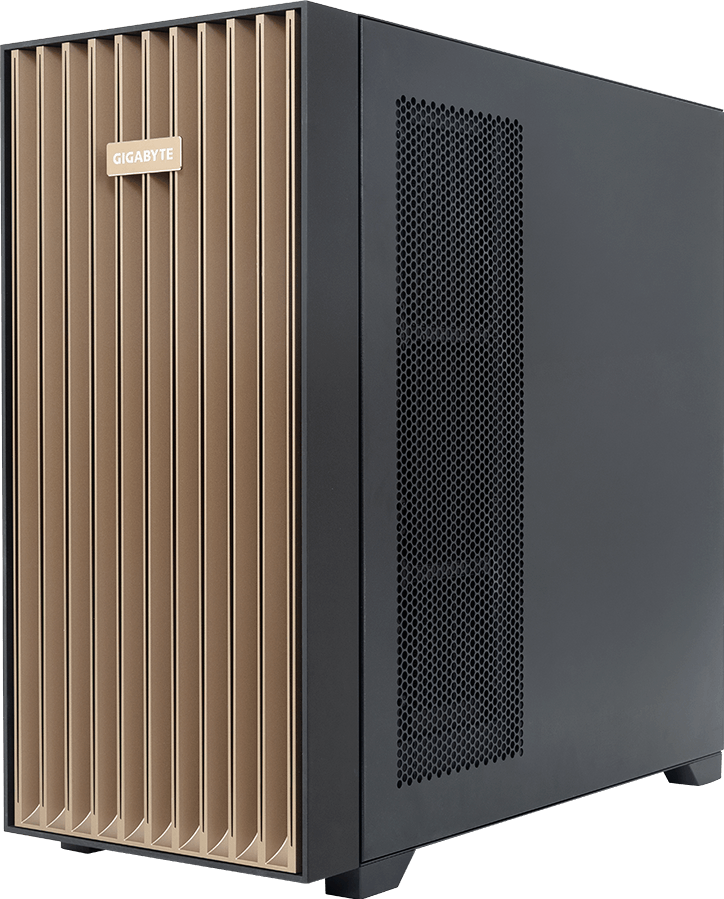
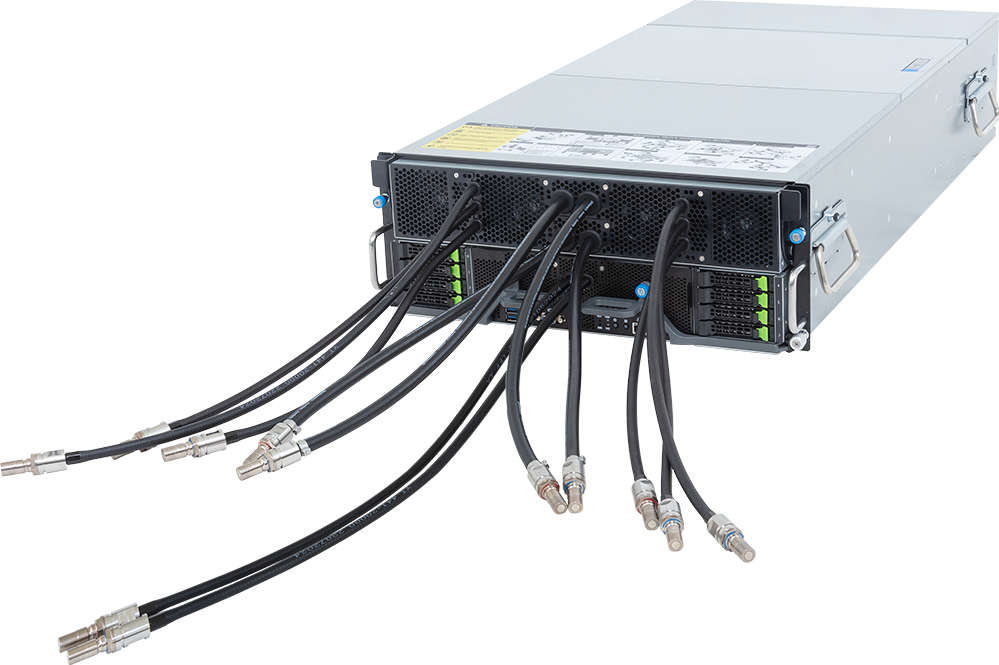
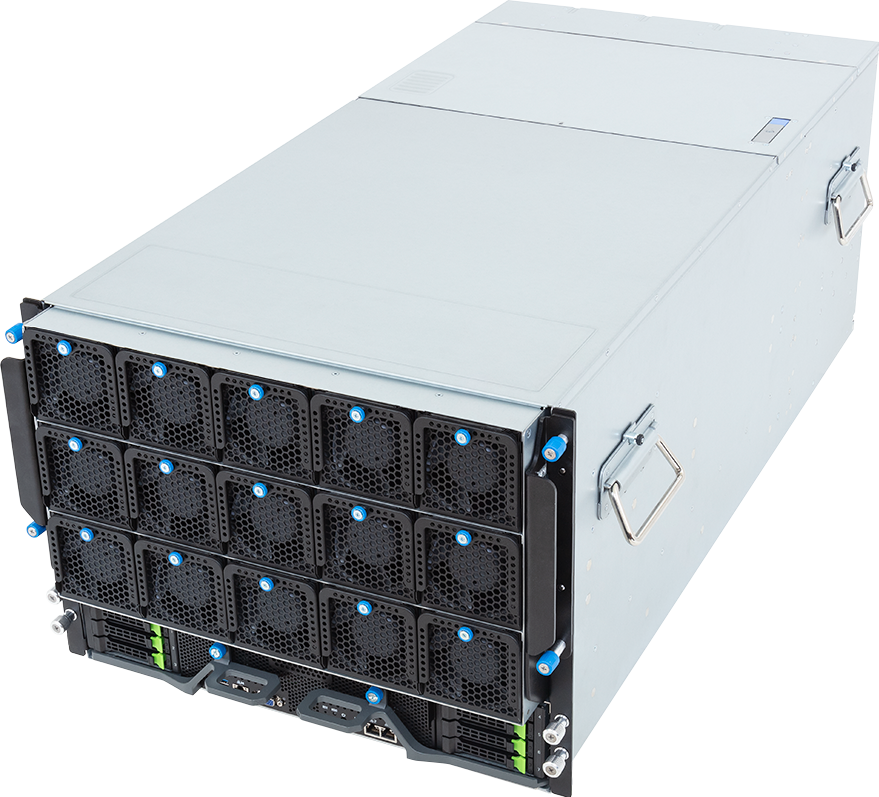
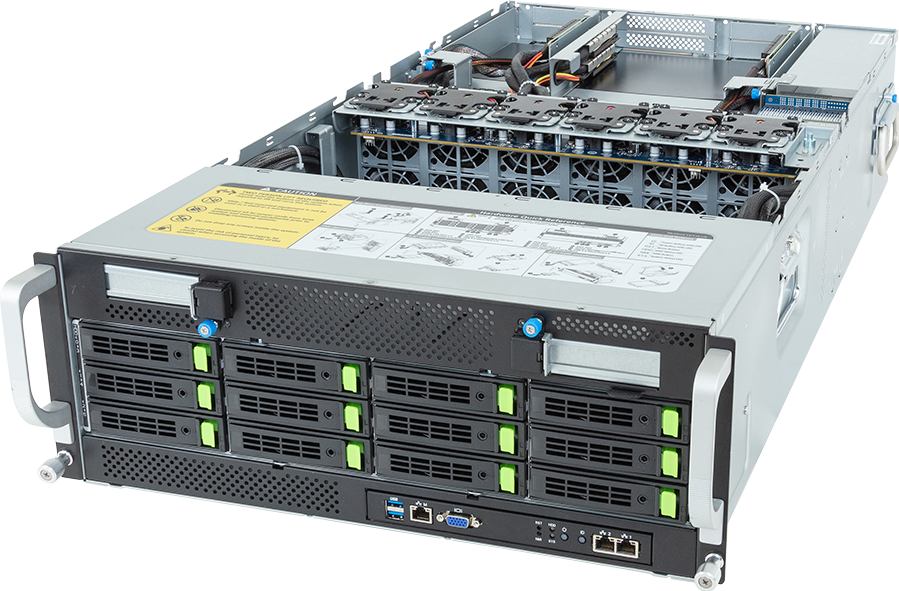
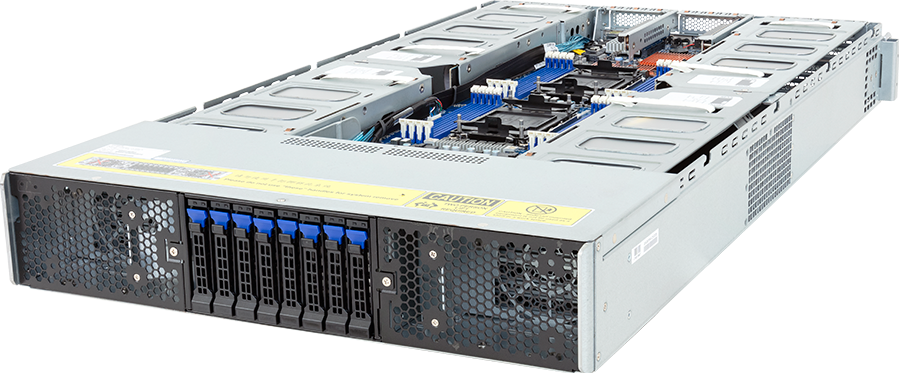
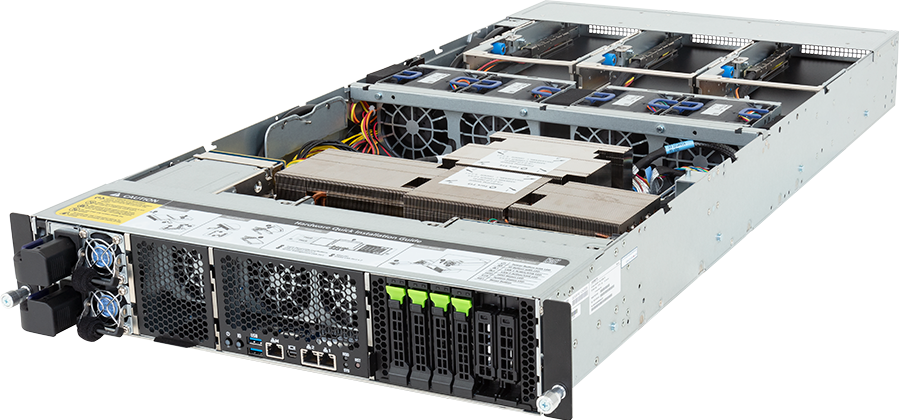
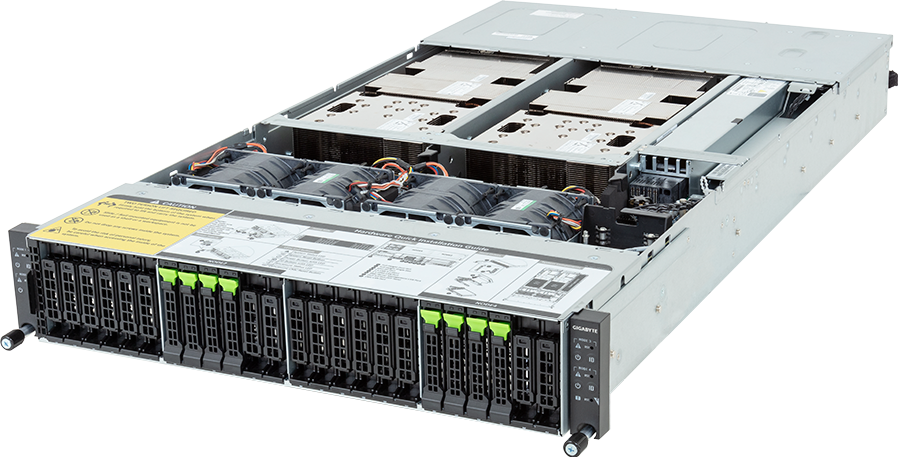
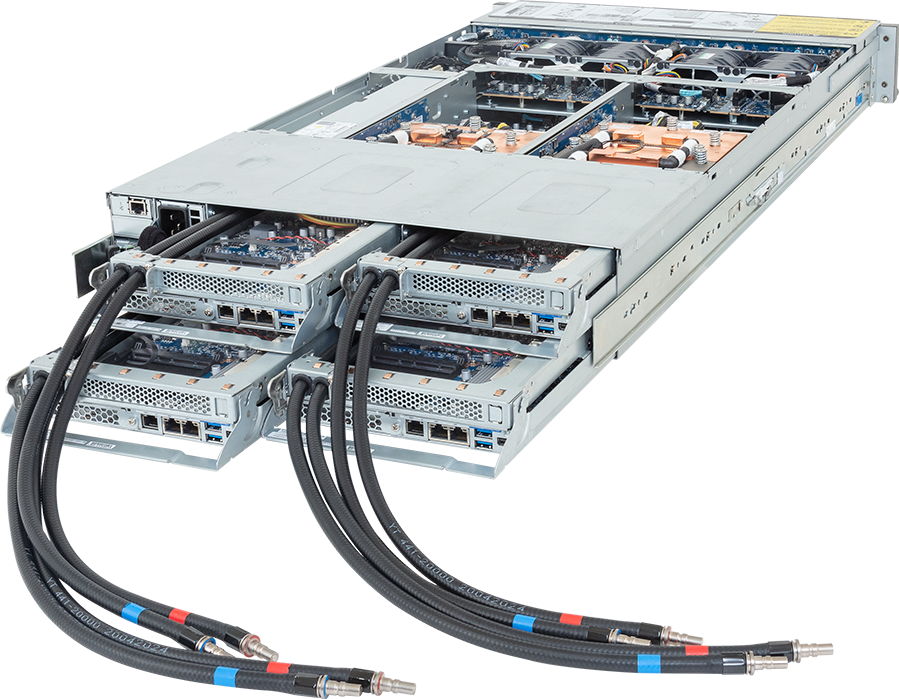
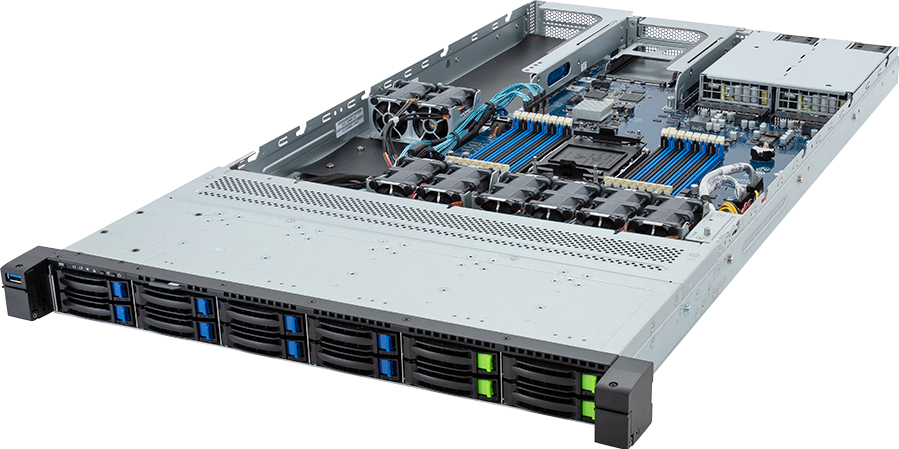
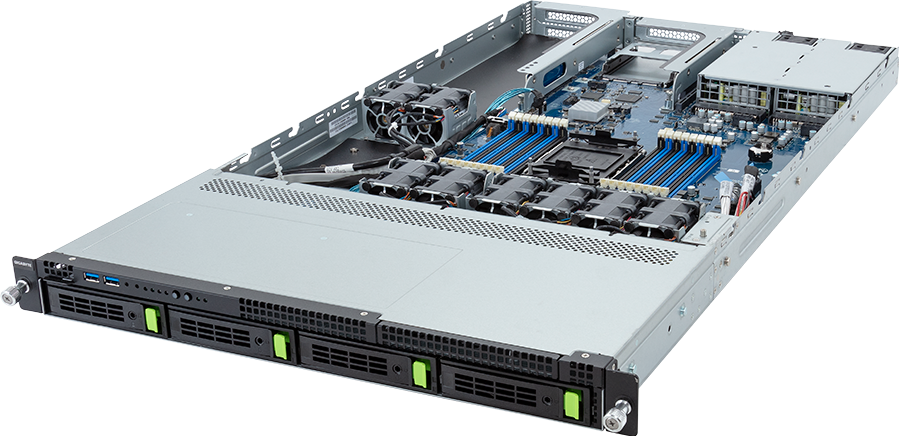
GIGABYTE provides a broad portfolio ranging from high-performance CPU servers and GPU servers to rack-scale AI computing platforms for different types and scales of AI inference workloads. With GIGAPOD, GIGABYTE POD Manager (GPM) and advanced cooling technologies such as direct liquid cooling, GIGABYTE helps organizations build scalable AI infrastructure for high-throughput, low-latency inference.