1. Home
  2. Glossary
  3. LAN Port
LAN Port

LAN Port

What is it?

As the name implies, servers can access LAN (local area network) through Ethernet cables connected to LAN ports, sometimes also called Ethernet ports or RJ45 ports. Connection to LAN allows the server to benefit from a wealth of additional functions or devices, such as networking, cluster computing, NAS, and more. Because of this, LAN ports are an important part of any server design.

Why do you need it?

In a server roomserver farm, or data center, LAN ports help a server connect to other devices on the same LAN. These devices may provide additional computing, storage, or networking functions that the original server lacks. A high number of LAN ports offering high bandwidth connection is usually desirable when choosing server products.

How is GIGABYTE helpful?

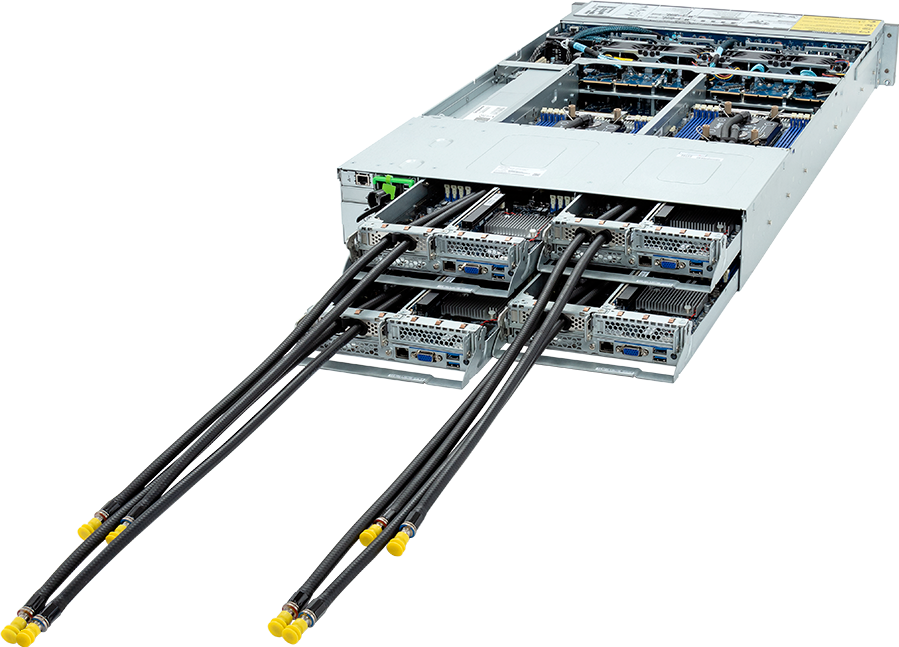
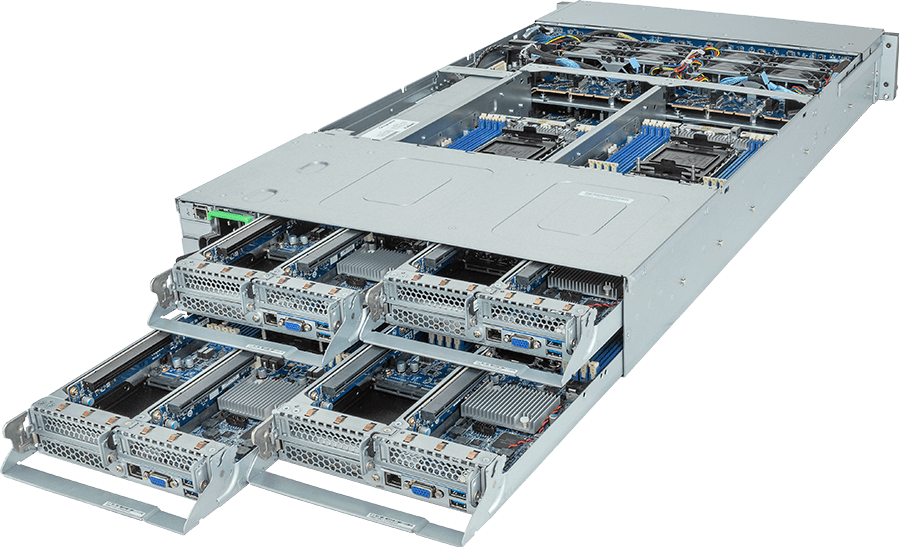
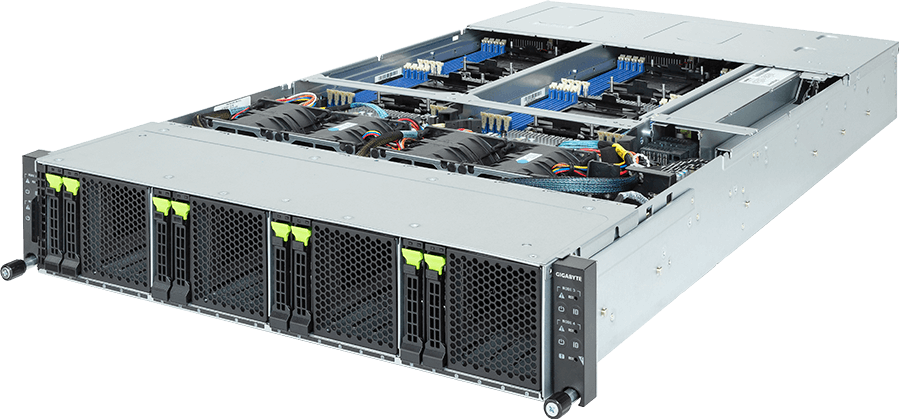
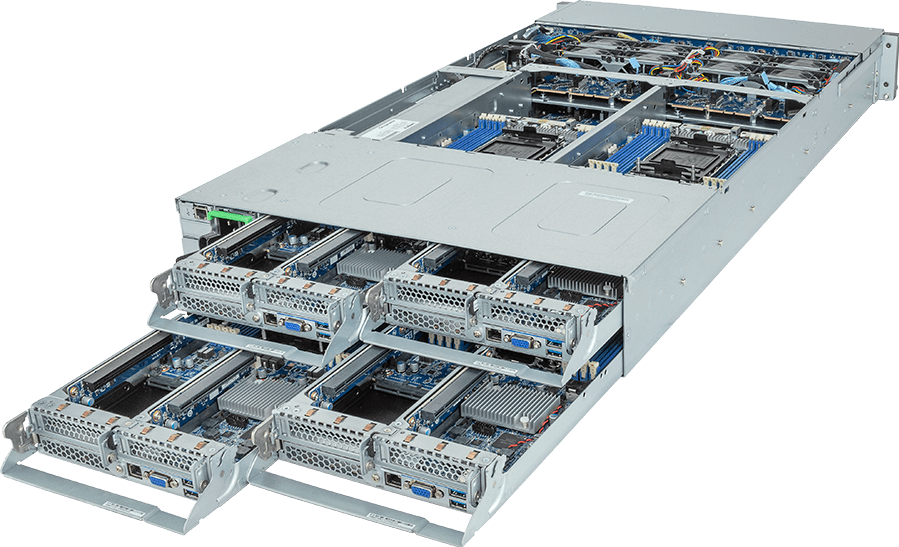
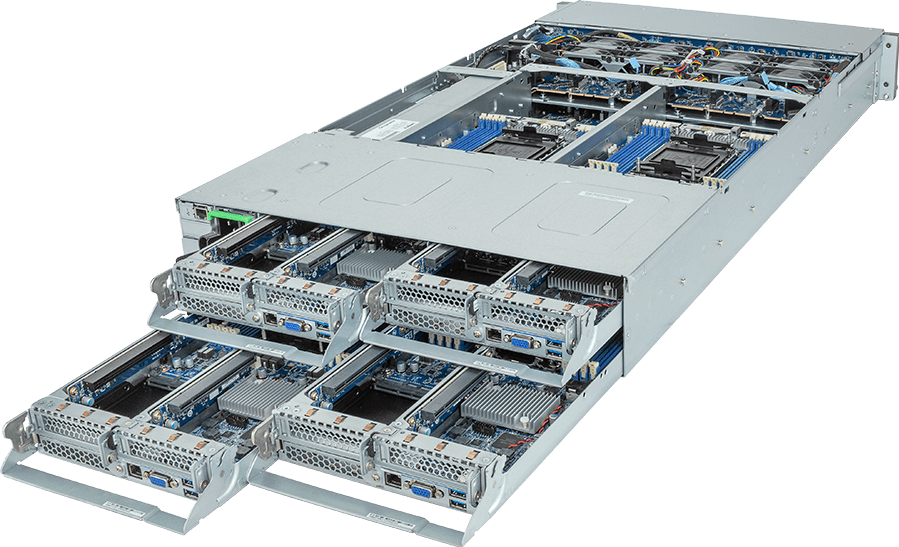
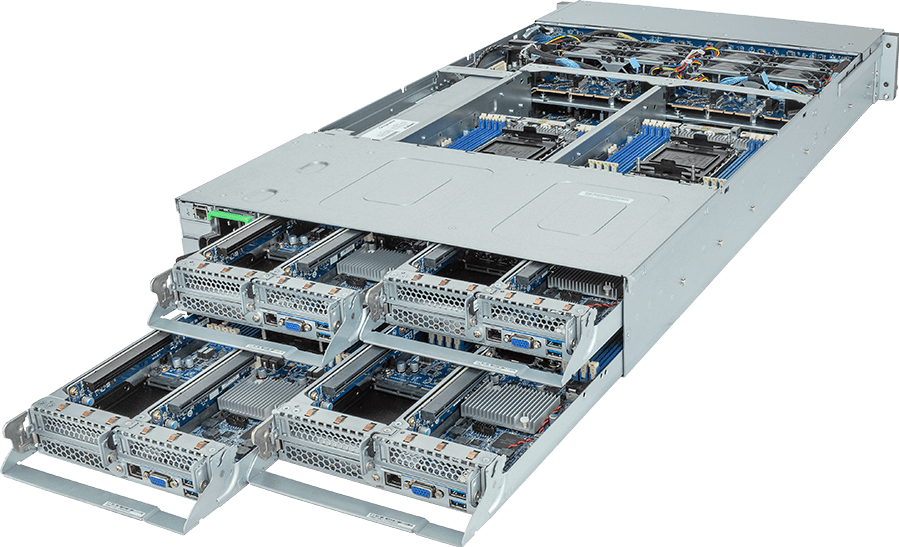
LAN ports are an essential component inside GIGABYTE's server solutions. On most of our popular server products, such as our H-Series High Density Servers or S-Series Storage Servers, the LAN ports are positioned at the back of the chassis. However, GIGABYTE E-Series Edge Servers feature LAN ports at the front of the chassis, so it will be easier to access them in the confined spaces commonly found in edge computing. These ports support a maximum transfer rate of 10 Gbps, and the multiple LAN ports can be used to perform various functions, such as supporting separate virtual machines, achieving redundancy, etc.
Recommended Reading

The EPYC Rise of AMD’s New Server Processor
Article

The EPYC Rise of AMD’s New Server Processor

The EPYC Rise of AMD’s New Server Processor
6 Key Knowledge to Build the Power of Computing for Your Business
Article

6 Key Knowledge to Build the Power of Computing for Your Business

6 Key Knowledge to Build the Power of Computing for Your Business
What is a Server? A Tech Guide by GIGABYTE
Article

What is a Server? A Tech Guide by GIGABYTE

What is a Server? A Tech Guide by GIGABYTE
What is Private Cloud, and is it Right for You?
Article

What is Private Cloud, and is it Right for You?

What is Private Cloud, and is it Right for You?
4th Gen AMD EPYC Solutions

4th Gen AMD EPYC Solutions

Compute Leadership for the Exascale Era
Server Processors: The Core of a Server’s Performance
Article

Server Processors: The Core of a Server’s Performance

Server Processors: The Core of a Server’s Performance
Setting the Record Straight: What is HPC? A Tech Guide by GIGABYTE
Article

Setting the Record Straight: What is HPC? A Tech Guide by GIGABYTE

Setting the Record Straight: What is HPC? A Tech Guide by GIGABYTE
The Advantages of ARM: From Smartphones to Supercomputers and Beyond
Article

The Advantages of ARM: From Smartphones to Supercomputers and Beyond

The Advantages of ARM: From Smartphones to Supercomputers and Beyond
CPU vs. GPU: What's the Difference and Which Do You Need
Article

CPU vs. GPU: What's the Difference and Which Do You Need

CPU vs. GPU: What's the Difference and Which Do You Need
3rd Gen Intel Xeon Scalable Server Solutions

3rd Gen Intel Xeon Scalable Server Solutions

GIGABYTE servers and Intel Xeon Scalable Processors deliver incredible UP/DP performance from edge to data center with incredible gains in I/O throughput and workload demands that need high performing CPUs with large, optimized, memory configurations.