NAS (Network Attached Storage)
NAS
What Is NAS?
NAS (Network Attached Storage) is a dedicated storage device connected to a network. It allows multiple authorized users and devices to centrally access files. Unlike a hard drive installed in a single computer, NAS mainly provides file sharing, data backup, and centralized management over a network. It is commonly used to store documents, photos, videos, design assets, surveillance footage, and business data.
What Are the Benefits of NAS?
NAS offers greater data control, fast local access, and expandable storage capacity. For small and medium-sized businesses, NAS helps centralize data that may be scattered across different devices. It can also work with RAID, snapshots, or backup mechanisms to reduce the risk of data loss caused by single-device failure or accidental deletion.
Compared with public cloud storage, NAS stores data on privately owned hardware, making it suitable for scenarios that require stronger privacy, internal collaboration, large-capacity storage, and long-term cost control. Cloud storage, on the other hand, offers convenient access across locations, eliminates hardware maintenance, and enables fast deployment. In practice, NAS and cloud storage are not mutually exclusive. Many businesses use NAS as their local storage core and combine it with cloud backup or off-site disaster recovery to build a more complete data protection architecture.
Compared with public cloud storage, NAS stores data on privately owned hardware, making it suitable for scenarios that require stronger privacy, internal collaboration, large-capacity storage, and long-term cost control. Cloud storage, on the other hand, offers convenient access across locations, eliminates hardware maintenance, and enables fast deployment. In practice, NAS and cloud storage are not mutually exclusive. Many businesses use NAS as their local storage core and combine it with cloud backup or off-site disaster recovery to build a more complete data protection architecture.
How is GIGABYTE helpful?
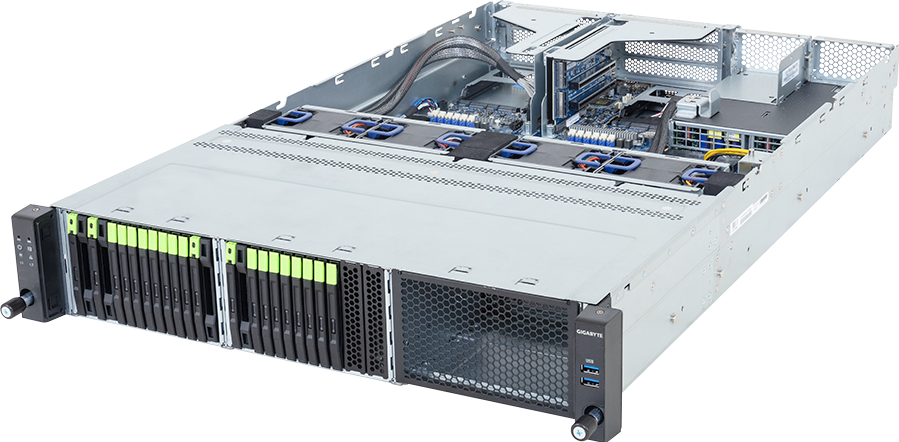
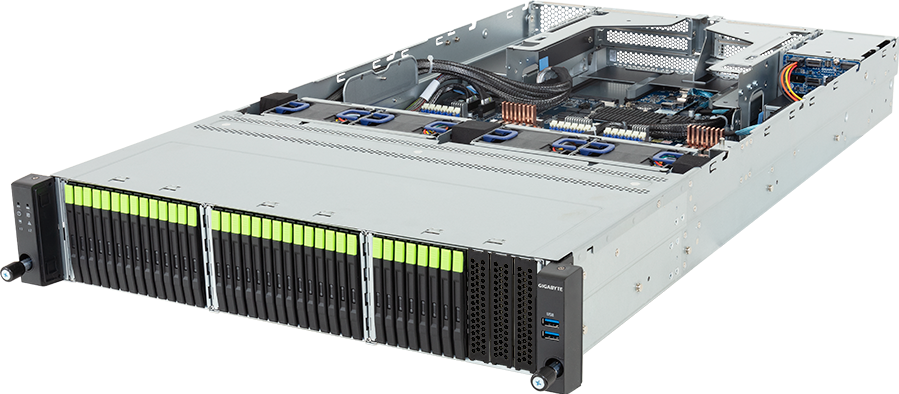
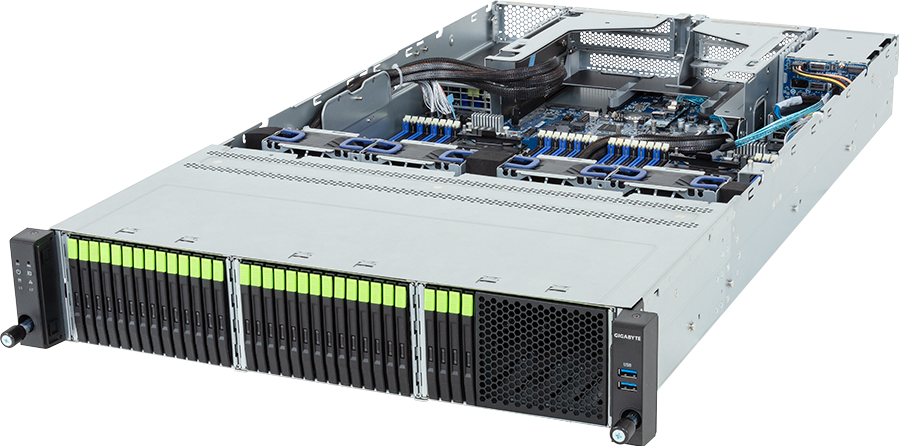
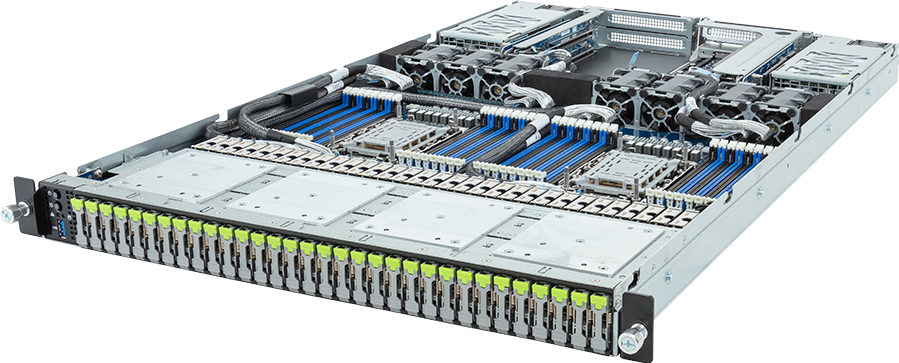
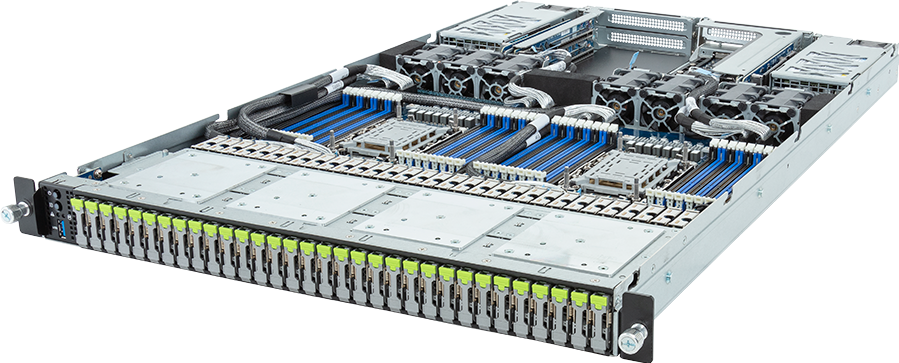
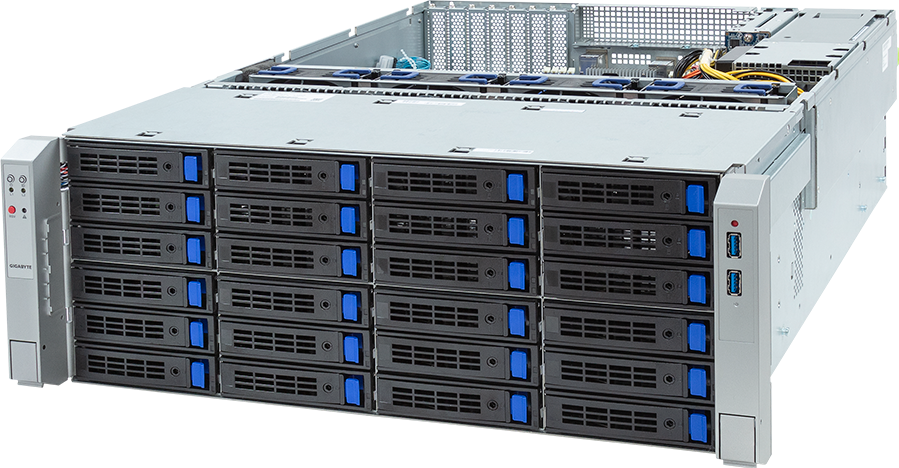
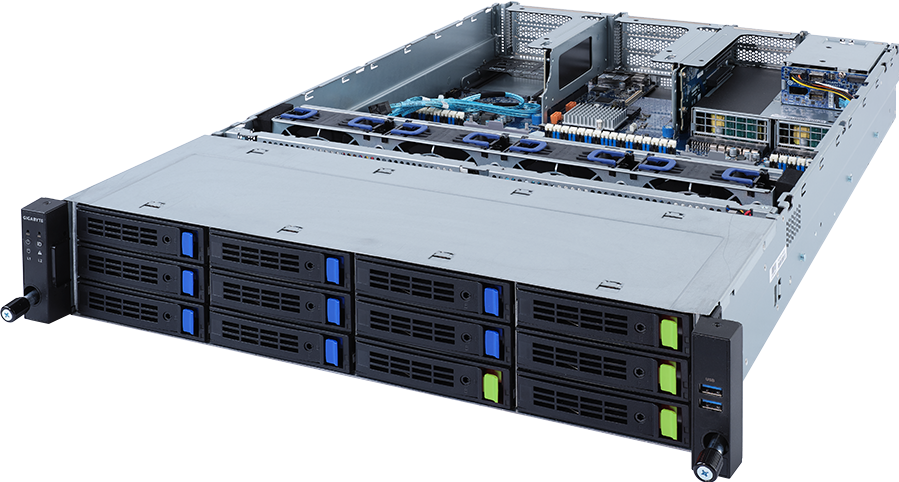
GIGABYTE offers a range of storage server platforms that support HDDs, SSDs, and storage interfaces and protocols such as SATA, SAS, and NVMe, depending on product specifications. These platforms can be used for backup servers, multimedia servers, software-defined storage, and cloud storage scenarios. For users who need to build a private cloud or enterprise-grade storage environment, GIGABYTE hardware platforms can serve as a reliable and scalable infrastructure foundation.