NVMe (Non-Volatile Memory Express)
NVMe
What is it?
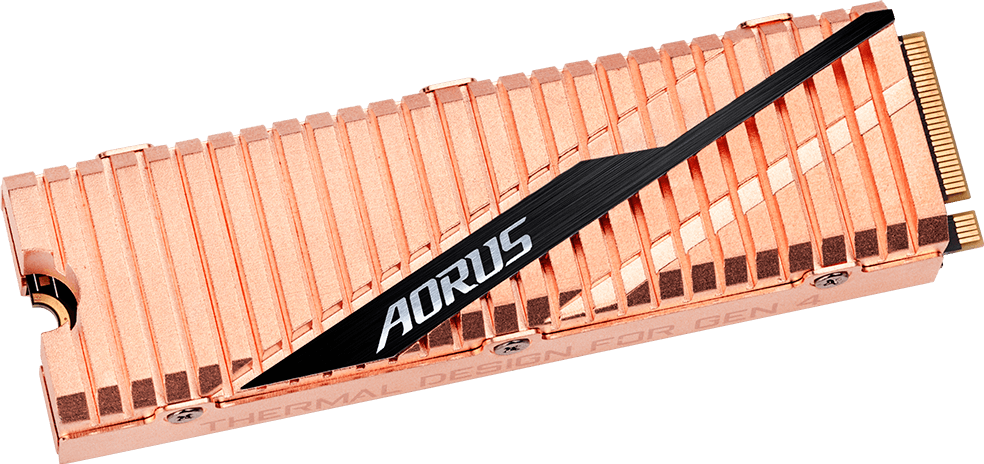
NVMe is a type of software interface used for solid state drives (SSD), and stands for “Non-Volatile Memory - Express” (Non-Volatile Memory is a common form of flash memory found in SSD). The formal name of NVMe is the Non-Volatile Memory Host Controller Interface Specification. Compared to the older AHCI (Advanced Host Controller Interface) used for traditional mechanical spinning SATA hard disks, NVMe is adapted for use with SSD through a PCIe hardware interface, resulting in a much faster disk interface protocol.
Why do you need it?
Intel had previously developed ACHI for traditional high-latency spinning hard disks, but by 2009 SSDs were rapidly gaining popularity as a storage medium. The adoption of SSD resulted however in a performance bottleneck since the maximum transmission bandwidth of ACHI could not handle the transmission speeds possible for SSD devices. Therefore, NVMe was developed using a PCIe (Peripheral Component Interconnect Express) hardware interface. While ACHI can only support a maximum queue depth of 1 with 32 commands each, NVMe can support up to 64K queues with 64K commands each, thus breaking through the previous performance bottleneck of transmission bandwidth and speed.
Early SSDs were connected through a PCIe bus, but required a customized software interface for communication with the operating system. With the standardized software interface, the operating system requires only a single driver to communicate with all SSD devices that conform to the NVMe specification. In a data center that features multiple storage servers or that handles a large amount of data, speeding up data transmission and minimizing latency / delay are highly important considerations.
Early SSDs were connected through a PCIe bus, but required a customized software interface for communication with the operating system. With the standardized software interface, the operating system requires only a single driver to communicate with all SSD devices that conform to the NVMe specification. In a data center that features multiple storage servers or that handles a large amount of data, speeding up data transmission and minimizing latency / delay are highly important considerations.
How is GIGABYTE helpful?
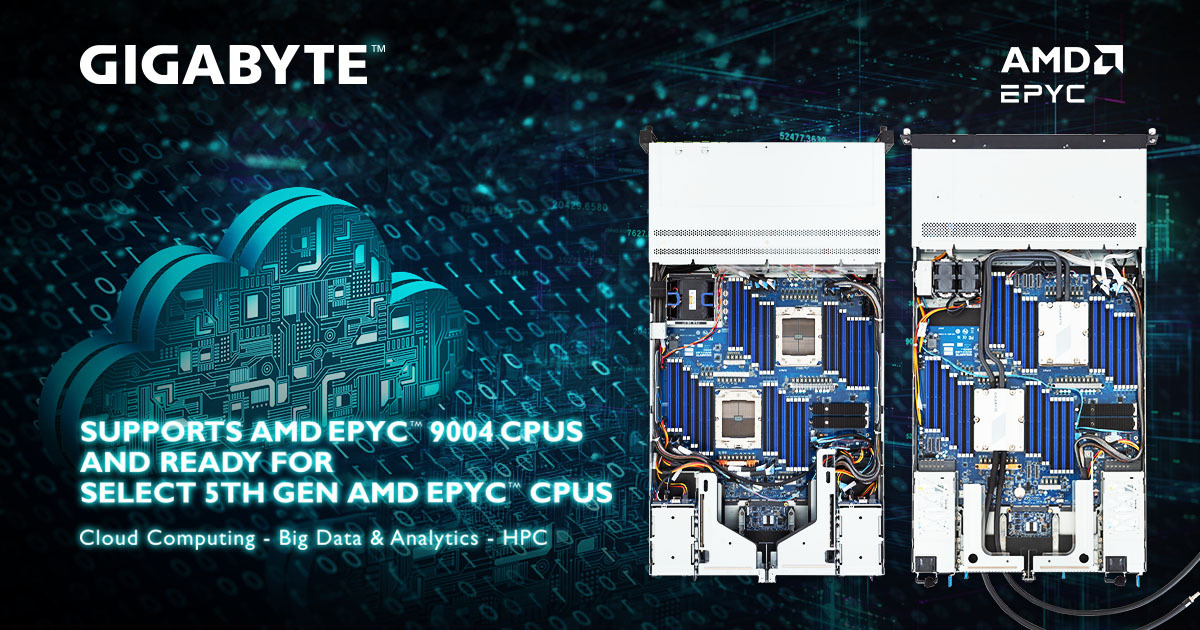
In addition to meeting consumer market demand for NVMe SSDs, GIGABYTE also provides enterprise solutions such as the R282-Z92, which can be used to build an All Flash Array with a capacity for 24 hot-plug 2.5" NVMe drives in a single 2U server system. And this 2nd Generation AMD EPYC (Rome) server also supports PCIe Gen 4.0 – which has doubled the bandwidth and transmission rates of PCIe Gen 3.0 to 64GB/s and 16GT/s respectively, resulting in much faster data transfer speeds between the CPU and peripherals such as accelerator cards, NVMe SSDs or high-speed networking cards.