Open Rack Standards
What is it?
The Open Rack Standards are a set of open source hardware design guidelines, initially developed by Facebook and then transferred in 2011 to an independent organization called the Open Compute Project. Following the ethos of open source hardware, the Open Rack Standards are publicly available so that anyone can study, modify, distribute, make, and sell the design or hardware based on the standards. In addition, the Open Rack Standards are designed to use readily-available components and materials, standard processes, open infrastructure, unrestricted content, and open-source design tools to maximize the ability of different organizations to make and use hardware.
Why do you need it?
Being open source means that anyone can contribute their designs or ideas to the Open Rack Standards. Therefore, a large number and variety of different organizations involved in building data centers have contributed their expertise and experience to the Open Rack Standards, resulting in servers and related infrastructure that is faster and easier to deploy, less expensive, and has just the right features needed for scale and efficiency, with a design primarily geared around space and power savings.
Who needs it?
Hardware based on the Open Rack Standards was initially favored mainly by large hyperscalers such as Facebook, Google and Microsoft with their own internal engineering resources, but recently more and more 3rd party system integrators have also been adopting and offering Open Rack Standard hardware solutions to their customers, allowing smaller organizations and businesses to also consider adopting this hardware to enjoy the energy and cost saving benefits.
How is GIGABYTE helpful?
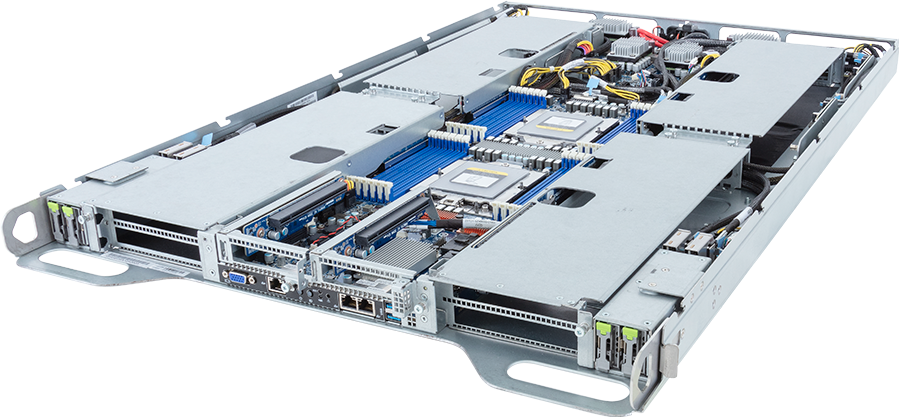
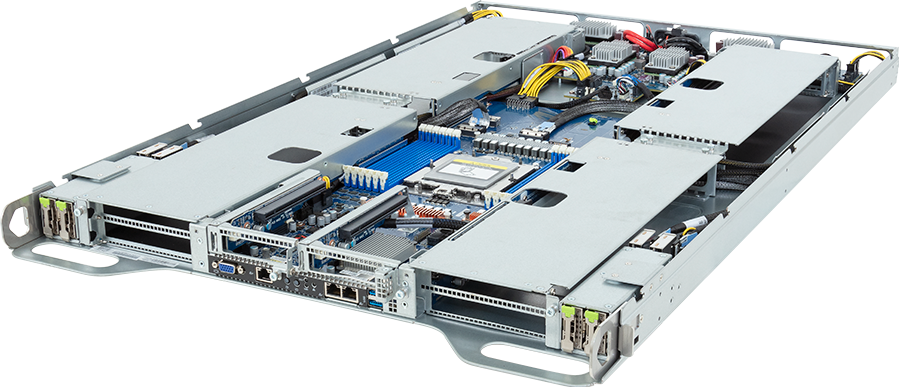
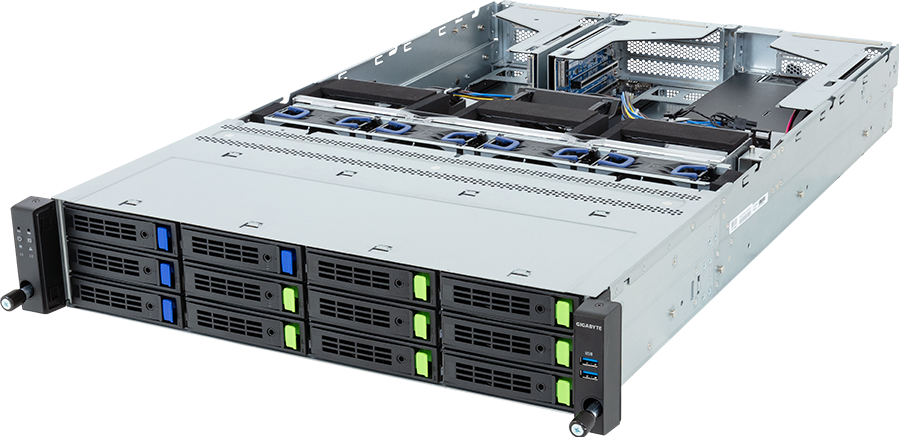
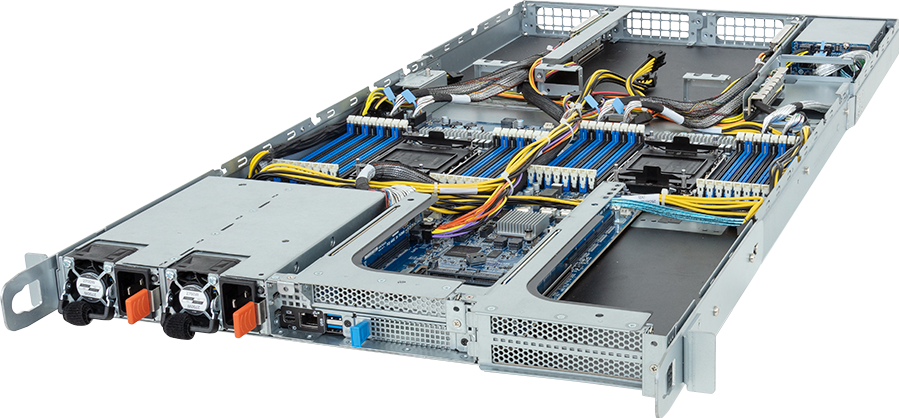
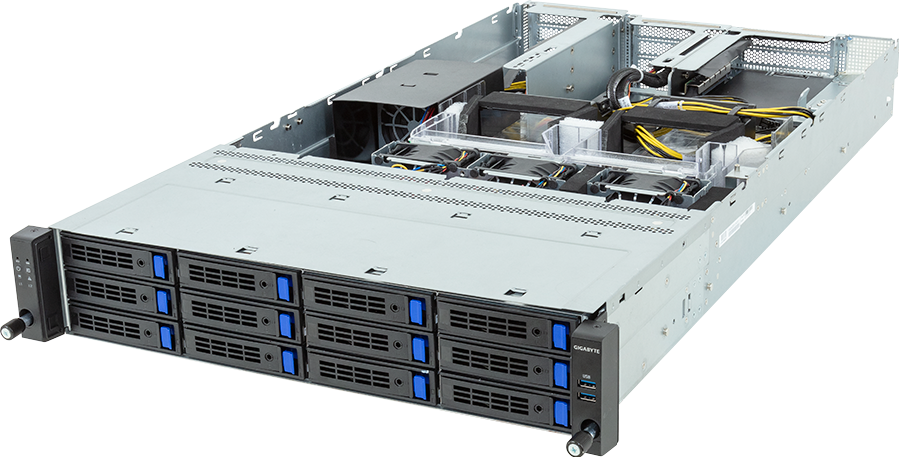
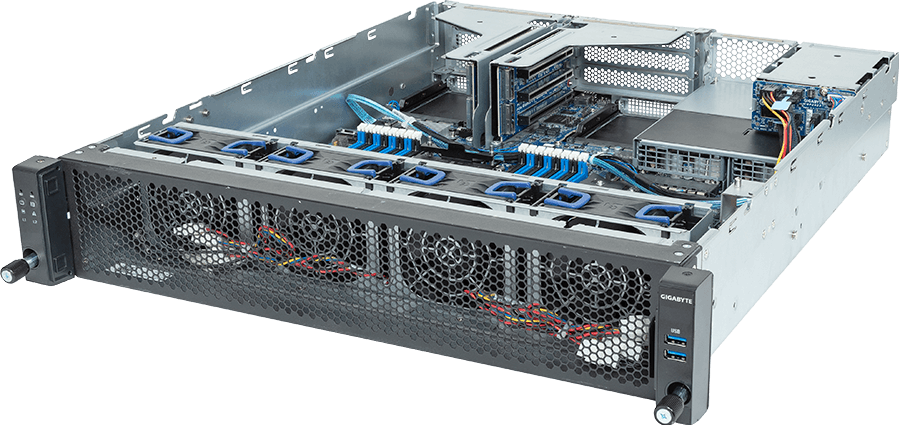
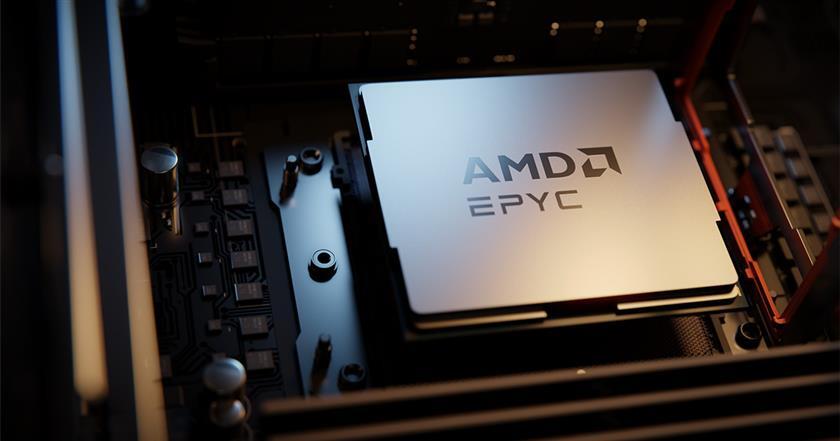
GIGABYTE has a rich product line of server systems, racks and accessories based on the Open Rack Standards called RACKLUTION-OP. These products include Intel Xeon and AMD EPYC compute and GPU servers as well as JBOD storage nodes, with a design that allows for greater energy, cooling and space efficiency compared with traditional 19” rack servers. In addition, GIGABYTE is an active member of the Open Source Project to contribute our expertise and experience to future revisions of the Open Rack Standards, and regularly participates in Open Source Project events such as the OCP Summit.