5G
What is 5G? How fast is 5G?
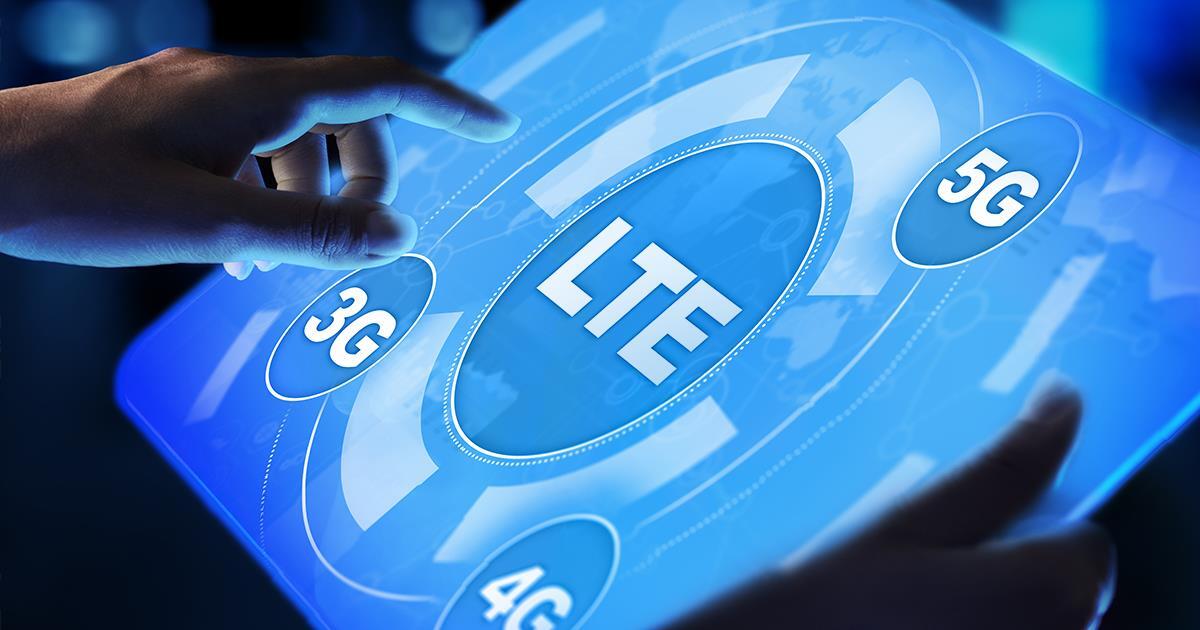
5G is short for "5th Generation", the name for the next generation of mobile cellular networks. 1G networks brought us the first cell phones, 2G networks allowed for text messaging, and 3G networks introduced mobile internet for the first time. Currently in use is 4G which has been deployed globally since 2009. 4G LTE (Long Term Evolution) is the latest version of 4G that allows a download rate of up to around 200Mbps. However, 4G networks have just about reached the limit of their capabilities at a time when users want even more data and faster speeds for their cell phones and other devices. Therefore, the need for a new type of network technology that can provide faster speeds and transmit more data to more users is pressing.
Technically speaking, "5G" is defined only as a set of standards – such as latency, network connection density, and data transfer rate – that the next generation of mobile networks should be able to achieve. Once these standards can be met, 5G should be able to handle up to 1000 times more traffic than today's networks, and be up to 10 times faster than 4G LTE.
How does 5G technology work?
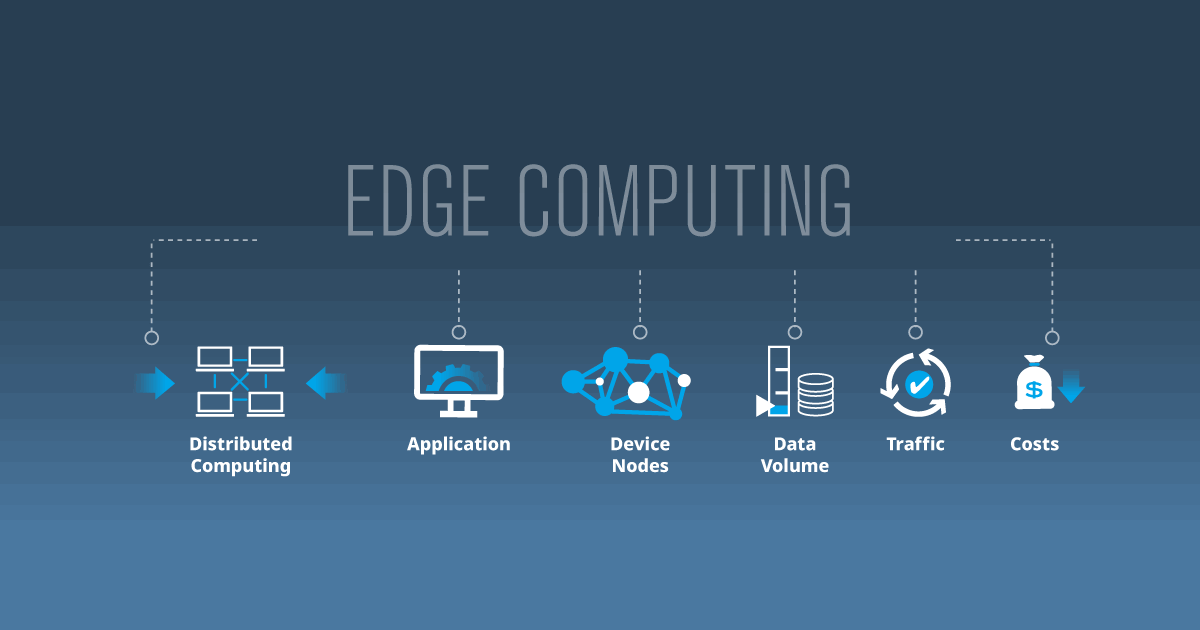
To be able to meet 5G standards, various new technologies will be needed. For example, to support a huge increase in the number of online devices, a new band on the radio frequency spectrum (between 30 – 300GHz) will be opened for use. However, this band of radio frequency consists of "millimeter waves" which are more easily blocked by buildings and absorbed by plants and rain. Therefore, thousands of small base stations ("small cell technology") will be needed to be installed, forming a relay team to transmit signals around obstacles. In addition, to support the latency requirements of 5G, Multi-access Edge Computing technology (MEC) will need to be introduced on a large scale into cellular networks so that the data that the user needs (such as a streaming video) can exist physically closer to the user.
However, to implement 5G technologies at scale, cellular network operators will need to upgrade their entire front to back-end network topology, which could be extremely costly. For example, considering only the front end RAN (Radio Access Network) infrastructure, the number of base stations required for 5G deployment will be four times that of the past, and construction costs will be 10 to 20 times higher than that of the 4G period.
However, to implement 5G technologies at scale, cellular network operators will need to upgrade their entire front to back-end network topology, which could be extremely costly. For example, considering only the front end RAN (Radio Access Network) infrastructure, the number of base stations required for 5G deployment will be four times that of the past, and construction costs will be 10 to 20 times higher than that of the 4G period.
Why is 5G important? Where is 5G being used?
When most people think of "5G", they are thinking of eMBB (Enhanced Mobile Broadband), which will enable lightning fast data upload / download speeds on their cellphones - and make no mistake, this will be one of the drivers of 5G technology in the consumer space. However, 5G will also allow enable important technologies in other areas.
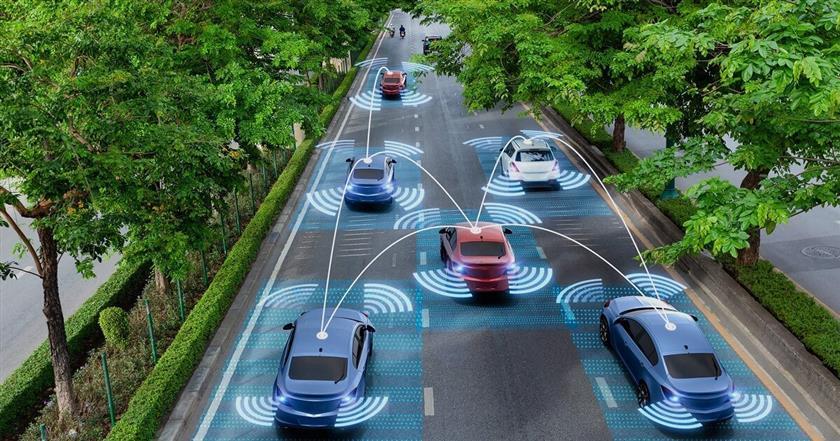
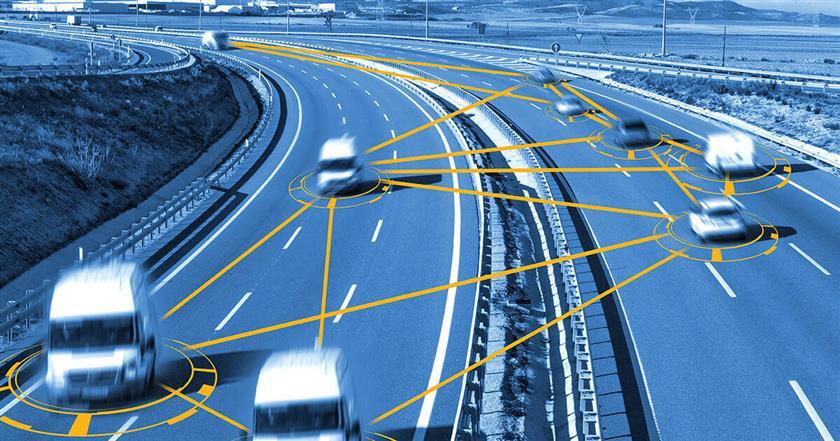
For example, a set of 5G sub-standards called URLLC (Ultra Reliable Low Latency Communications) define strict requirements on network latency and reliability that will allow mission critical communications to be implemented on cellular networks, such as autonomous driving vehicle technology. And emergency responders, instead of using two way radio transceiver technologies, will now be able to use VR technology to see and understand the emergency situation more clearly.
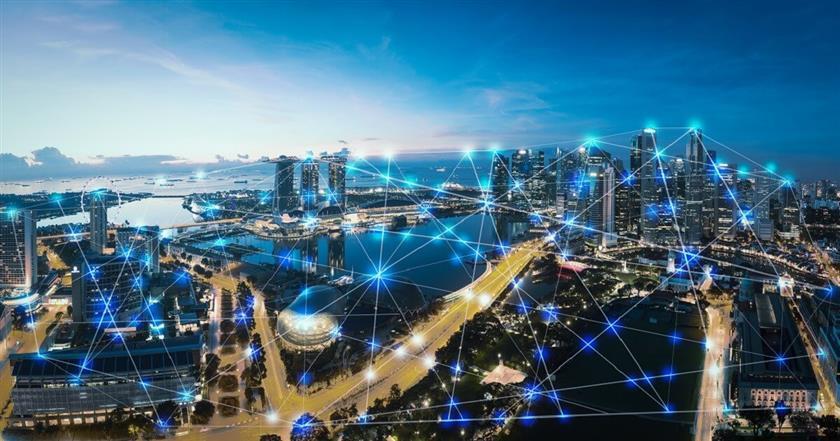
And another set of sub-standards called Massive Machine Type Communications (mMTC) define the capabilities of a cellular network to support a very large number of devices in a small area, which may only send data sporadically. mMTC will allow the IoT (Internet of Things) use cases to be implemented on a massive scale – for intelligent factory automation, smart homes and smart cities.
Qualcomm highlighted the integral role of 5G in the global economy, particularly in driving sales growth across all industries. By 2035, 5G-enabled sales are projected to reach $13.1 trillion.
For example, a set of 5G sub-standards called URLLC (Ultra Reliable Low Latency Communications) define strict requirements on network latency and reliability that will allow mission critical communications to be implemented on cellular networks, such as autonomous driving vehicle technology. And emergency responders, instead of using two way radio transceiver technologies, will now be able to use VR technology to see and understand the emergency situation more clearly.
And another set of sub-standards called Massive Machine Type Communications (mMTC) define the capabilities of a cellular network to support a very large number of devices in a small area, which may only send data sporadically. mMTC will allow the IoT (Internet of Things) use cases to be implemented on a massive scale – for intelligent factory automation, smart homes and smart cities.
Qualcomm highlighted the integral role of 5G in the global economy, particularly in driving sales growth across all industries. By 2035, 5G-enabled sales are projected to reach $13.1 trillion.
How is GIGABYTE helpful?
Providing a solution to enable cost reduction and more rapid deployment for the back-end of a new 5G network (from the edge to the cloud), GIGABYTE has collaborated with ITRI to develop iMEC: an Intelligent Mobile Edge Computing platform that can minimize mobile backhaul bandwidth requirements and provide an ultra-low latency edge cloud platform. Combining GIGABYTE servers and networking & cloud virtualization technology can replace expensive proprietary hardware and software to allow operators to implement the next generation of mobile networks quickly and cost effectively.