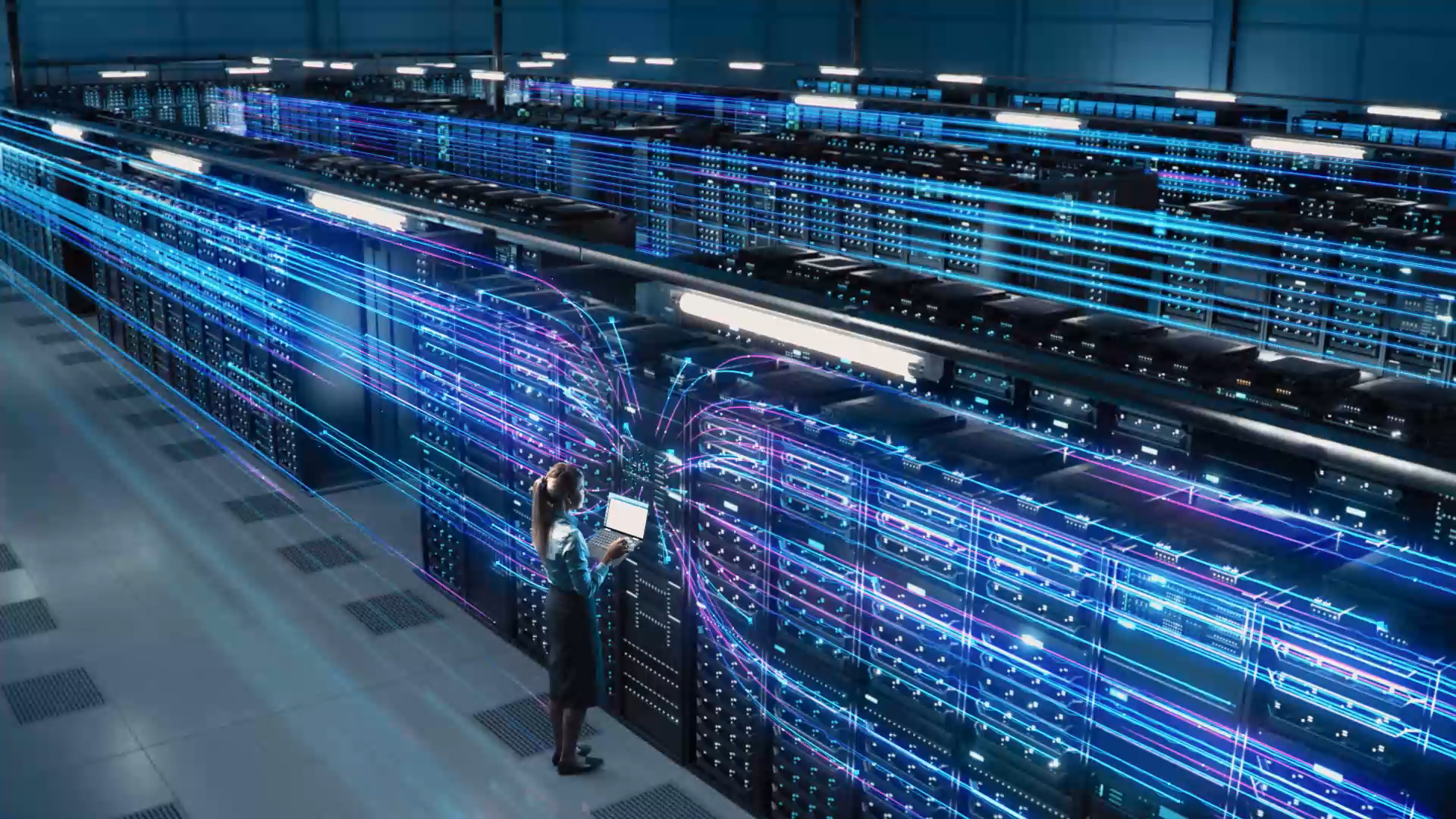
End-to-end Data Center Solutions for Every Business Need
Data centers are driving forward human progress. GIGABYTE can be your one-stop data center solution provider, whether you're designing new infrastructure or upgrading existing facilities. With decades of L12 data center expertise informing our project consultation & site planning, comprehensive deployment, installation & testing services, as well as hardware & software offerings that range from modular systems to racks to supercomputing clusters, GIGABYTE is the architect of data center success around the world. Let's explore what GIGABYTE can do for you!
Comprehensive Portfolio
From project review to site design, from deployment and testing to optimization and maintenance, GIGABYTE has everything covered during the data center's lifecycle.
Scalable Solutions
Beyond hardware and software, GIGABYTE empowers data center architecture elements like power and cooling to fast-track your ever-growing business success.

Worldwide Support
With service centers across the globe and experts standing by to help, GIGABYTE promises client satisfaction stemming from stellar returns on data center investment.
Data Center Lifecycle Solutions & Services

1Project Consultation & Evaluation
Kick off your project by incorporating GIGABYTE’s tried-and-true know-how into your data center blueprint so you can hit performance target within budget limit.
- Site selection & recommendation
- Compliance & best practices advisory
- Infrastructure design review
2Site Planning & Floorplan Design
Transform your premises into a supercomputing hub with visionary preplanning that facilitates operational excellence & long-term value.
- Facility layout review & confirmation
- Resources placement & integration evaluation
- Data center security assessment
3Rack & Server Design, Configuration, Installation
Outfit your data center with integrated hardware & software solutions customized to your needs.
- Architecting & resource allocation optimization
- System, rack & cluster-level integration
- Hardware for compute, storage & backup, networking & management
- Full software stack featuring DCIM, remote management, security & more
- Warranty protection & after-sales services
4Cabling Design & Installation
Maximize resource synergy while ensuring connectivity, compatibility & scalability with optimized network routing.
- Predefined, structured topology for data center cabling
- Streamlined IT environment for management & monitoring
5Power & Thermal Management
Incorporate the latest power & cooling designs to achieve greater reliability, sustainability, energy & thermal efficiency.
- Liquid cooling, immersion cooling & upgraded air-cooling
- In-row & in-rack cooling solutions
- Facility-side cooling & piping setup
- Power distribution, redundancy & monitoring
- Power capping for better data center efficiency
6Data Center Deployment & Validation
Rigorously test the completed facility to minimize time-to-online & deliver competitive performance & profitability.
- Comprehensive infrastructure deployment & testing
- System performance & utilization testing
- Maximize uptime through high availability & resilience designs
- Easy management, monitoring & maintenance for uninterrupted operation
.
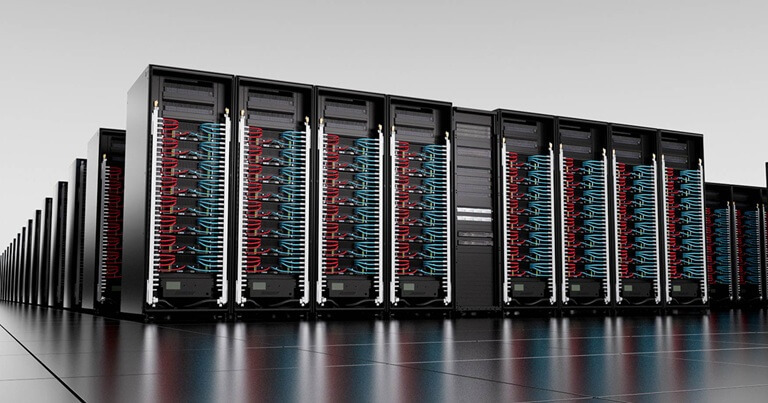
AI Factory for Data-driven Insights
An AI factory is specialized IT infrastructure that converts big data into actionable intelligence and practical AI applications. Its building blocks are clusters for AI training and inference platforms capable of supporting widespread AI adoption. An organization with an AI factory can not only streamline its workflows for enhanced productivity, but it can also sell its inventions for a new source of revenue.
GIGABYTE's AI factory portfolio incorporates the latest in AI chips, thermal management, full-stack software, and memory and storage breakthroughs to help you thrive with AI. We also introduce GAIFA—GIGABYTE AI Factory Accelerator, our self-designed AI data center that expedites testing, validation, and deployment for our customers. Visit our AI factory website to learn more.
GADU: GIGABYTE Accelerated Deployment Unit
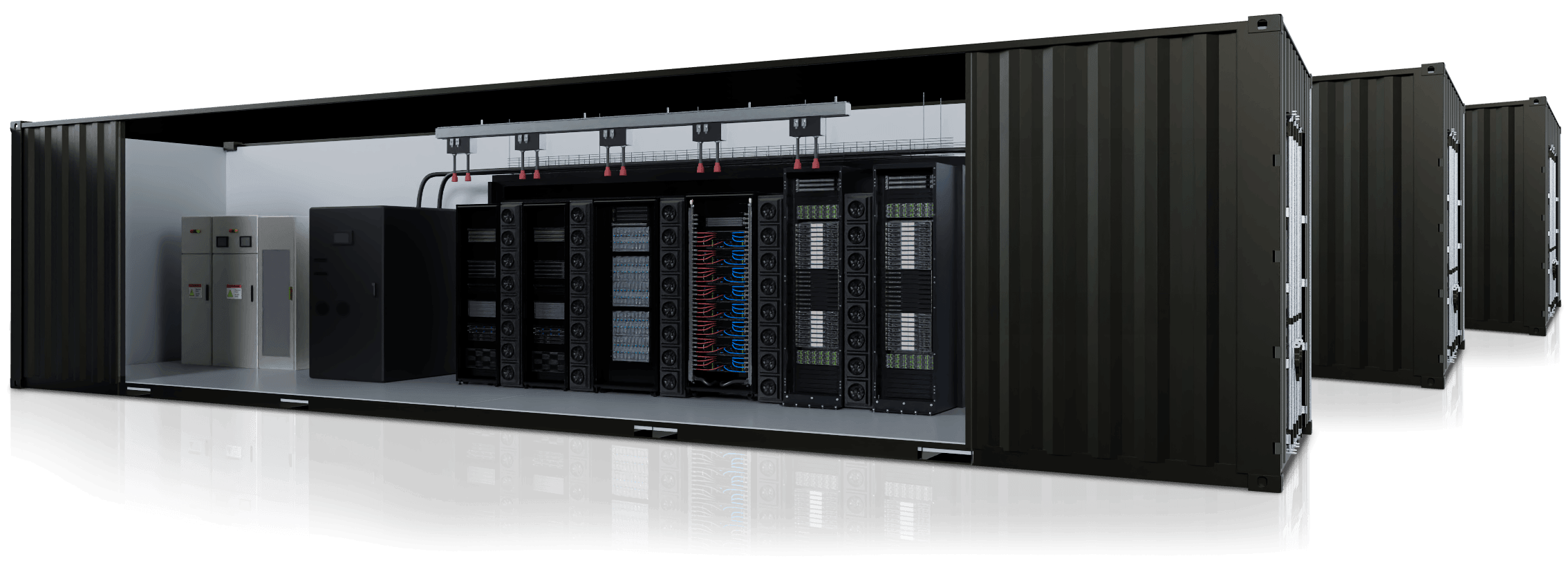
The new GIGABYTE Accelerated Deployment Unit (GADU) redefines agile, customized, scalable AI integration. By packing IT nodes into standalone containers and supporting them with power and cooling modules, GADU can achieve rapid-deploy, plug and play AI infrastructure with minimal footprint in variable environments. Think of it as AI factory in a box, made to order and ready to go. See if GADU can spur a breakthrough in your AI strategy!

Accelerated Rollout
Prefabricated modules drastically reduce the time it takes to establish a data center, enabling clients to engage in AI transformation up to 4x faster.

Best-fit Architecture
Modular data centers can be tailor-made according to client specifications, with the option to quickly scale up or out by adding on new nodes.

Flexible Deployment
Insulating IT infrastructure in a safe, self-contained environment paves the way for proactive expansion in remote and rugged areas on the network edge.
Scalable Clusters & Racks for Breakthrough Performance
GIGAPOD: Supercomputing Cluster for AI
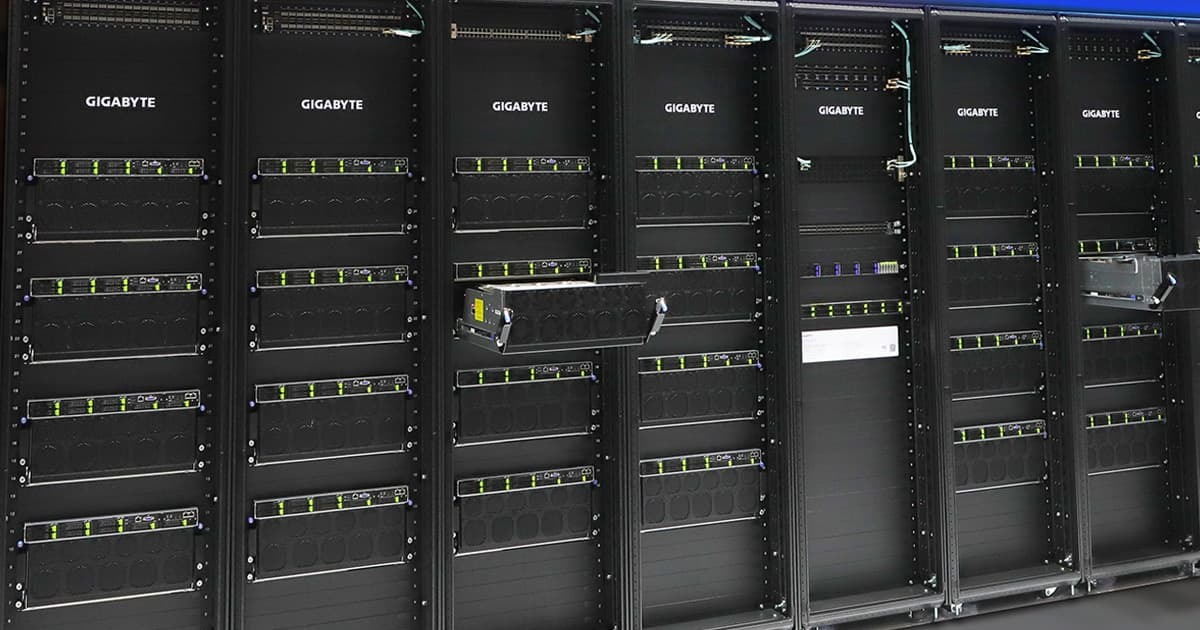
GIGAPOD is a scaling supercomputing solution designed for AI workloads ranging from large language model (LLM) training to real-time inference. Made up of topline GIGABYTE servers, GIGAPOD can be deployed in air-cooled or liquid-cooled configurations—with the latter being supported by G-REX, our middleware platform for power and cooling management that offers real-time monitoring and control plus cluster-level visibility. Pre-integrated single-rack GIGAPOD Rack Scale systems are also available for quick deployment and simplified activation.
In addition to hardware, GIGAPOD features GIGABYTE POD Manager (GPM) software to provide complete central control and foster an ideal AI environment. Used by hyperscalers the world over, GIGAPOD is the starting point of modern AI triumphs.
Advanced Cooling for Green Computing
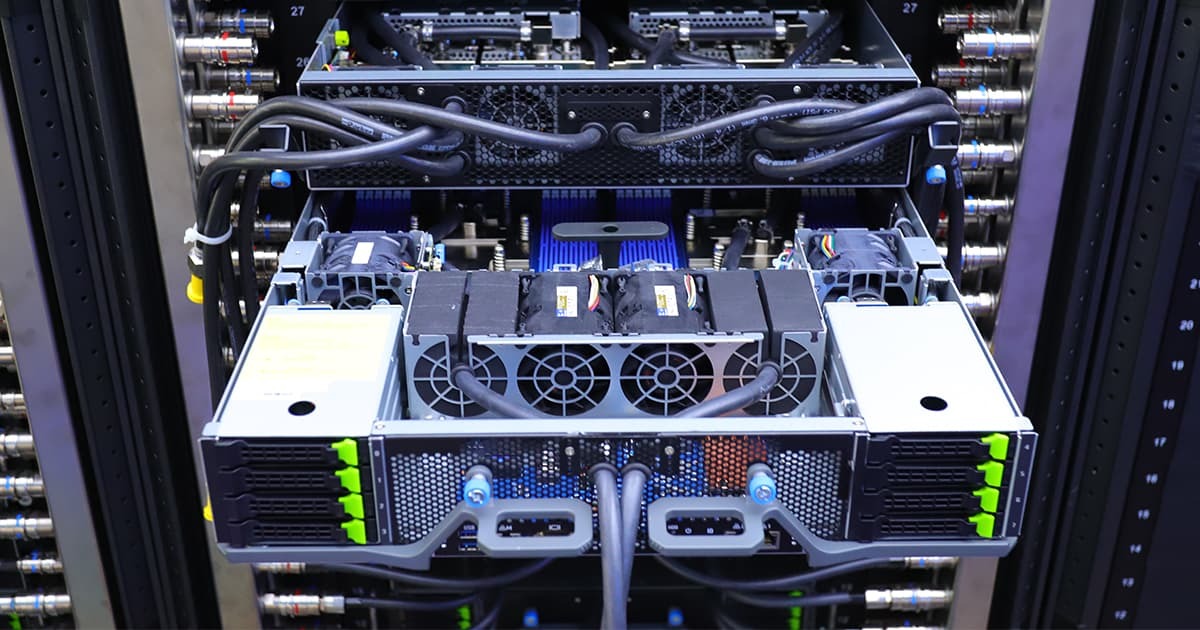
Direct liquid cooling (DLC) and immersion cooling have emerged as revolutionary ways to unleash the full potential of cutting-edge processing while improving power usage effectiveness (PUE) and reducing carbon emission. To help our clients achieve sustainable results, GIGABYTE extends its line of advanced cooling products from field-proven systems and racks to the overarching infrastructure.
We can help set up piping and cooling loops in a liquid-cooled environment or revitalize conventional air-cooled data centers with tailor-made solutions. Enhanced thermal and power efficiency translate to better return on investment for the environmentally conscious growth engines of the future.
Software Stack for AI & HPC Environment
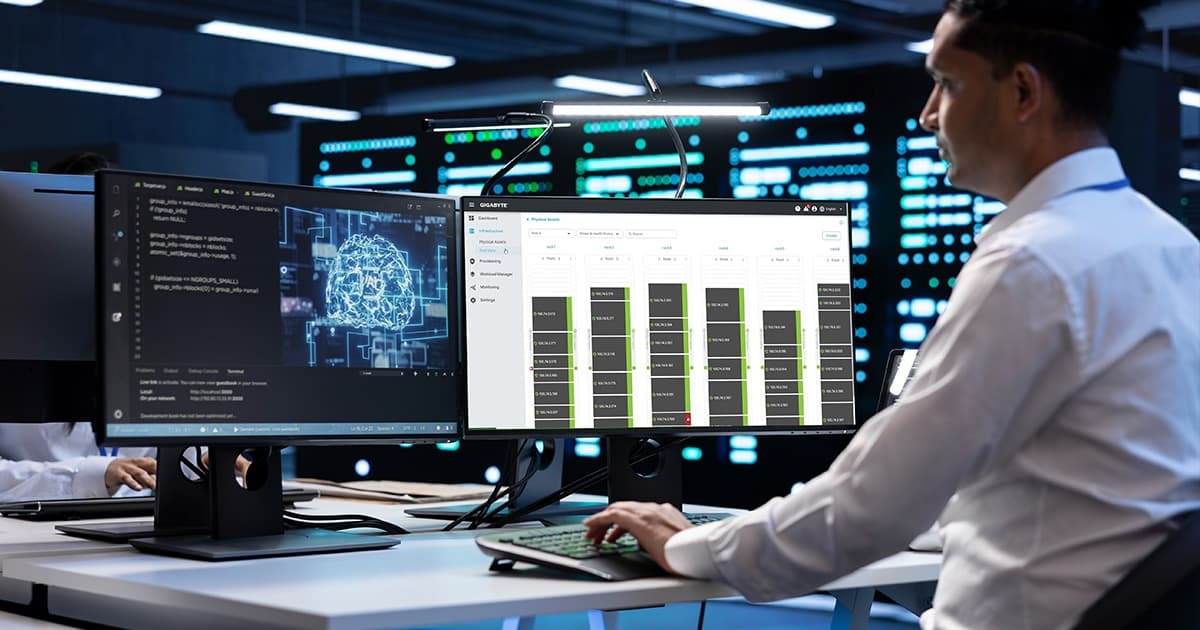
GIGABYTE's data center offerings go beyond hardware to encompass full stack support. We provide a software package that not only gives users control over infrastructure but also creates the perfect environment for task orchestration. Professionals who need ready-to-go AI & HPC total solutions choose GIGABYTE.
At the infrastructure level, GIGABYTE POD Manager (GPM) serves as a single point of access to all nodes, as well as the central overseer of the resource pool. GPM Workload Management leverages AIOps to streamline workflow, making it highly suited to AI development and deployment. Remote management, data security, and many more features are part and parcel of our solution stack.
Fast Deployment & Installation
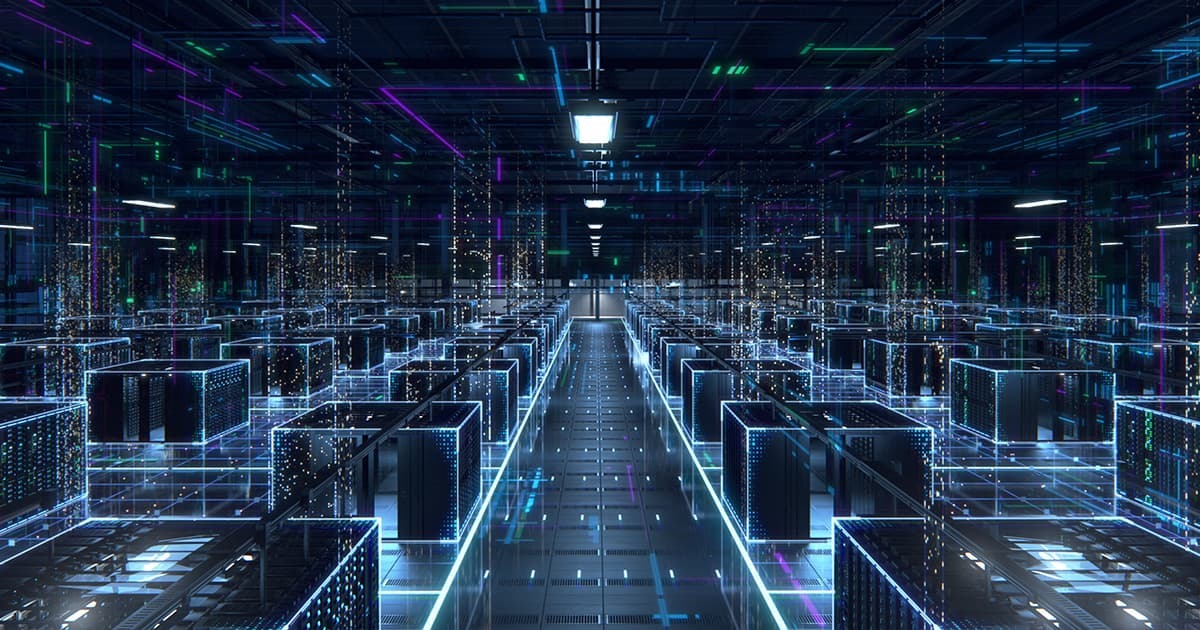
Since launching the GIGAPOD, GIGABYTE's infrastructure solution has been deployed extensively. The modular design employed by our products, coupled with our proficiency in networking and cabling installation, have garnered a proven track record of ultra-fast deployment—usually in a matter of weeks.
GIGABYTE goes the extra mile to ensure that customers will see returns on their investment as soon as possible. Every phase of setup, from system to infrastructure, is carefully tested to minimize time-to-online and maximize utilization. Our efforts translate to lower downtime, higher availability and performance throughout the data center's lifecycle, so that it may generate long-term value.
Modular Systems for Bespoke Architecting
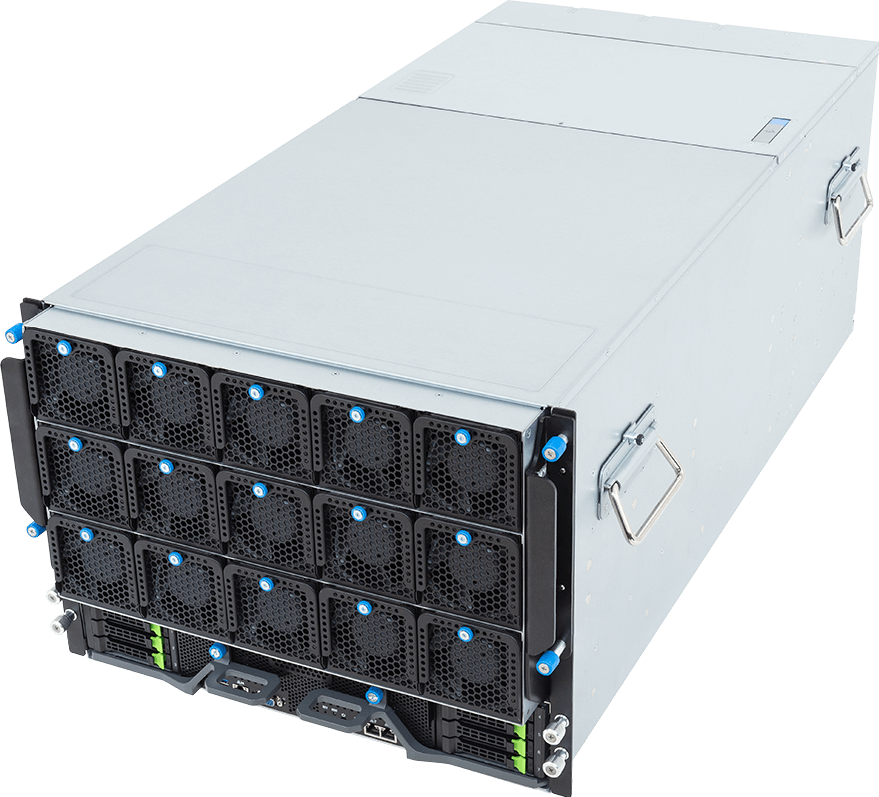
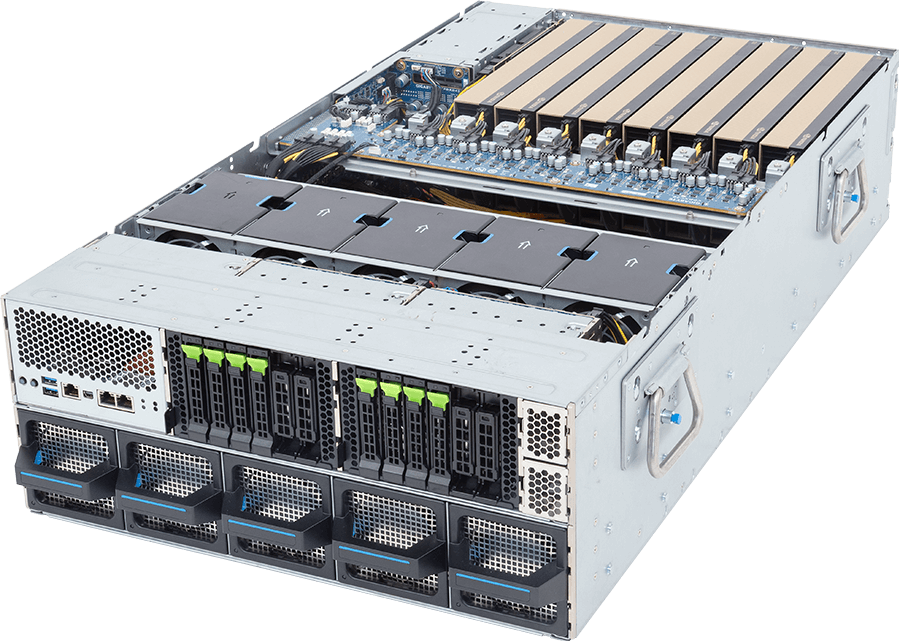
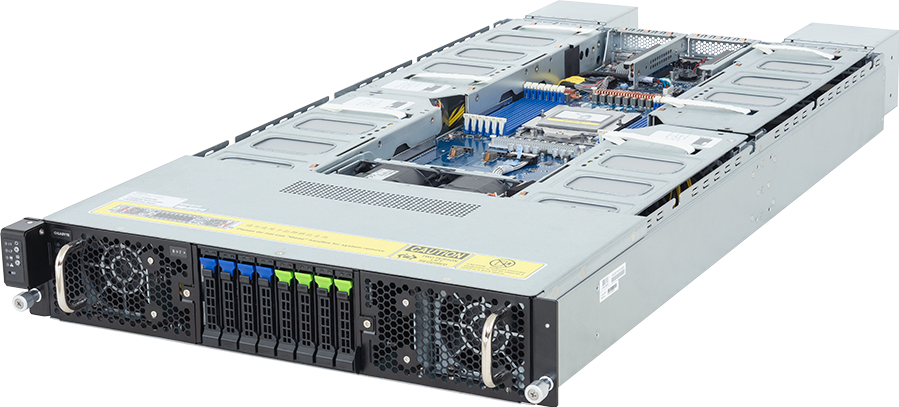
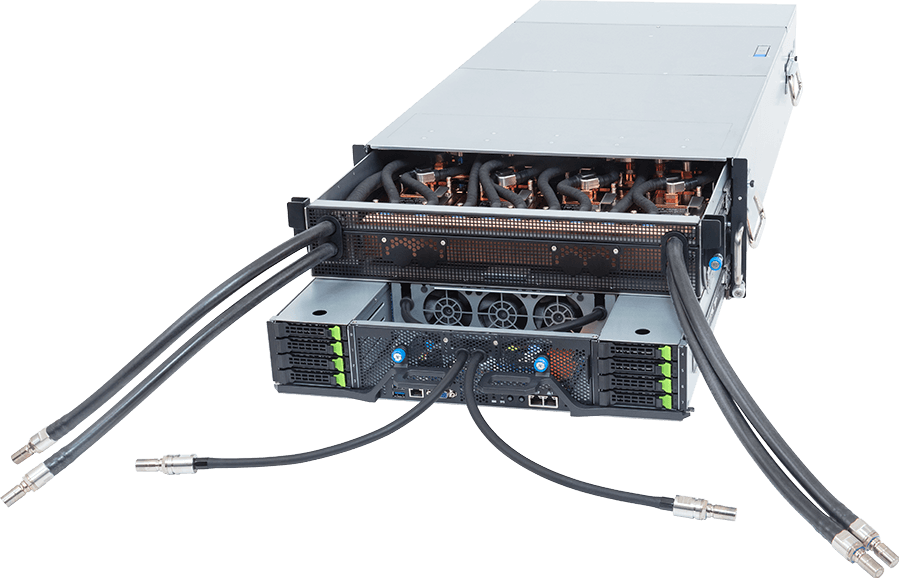
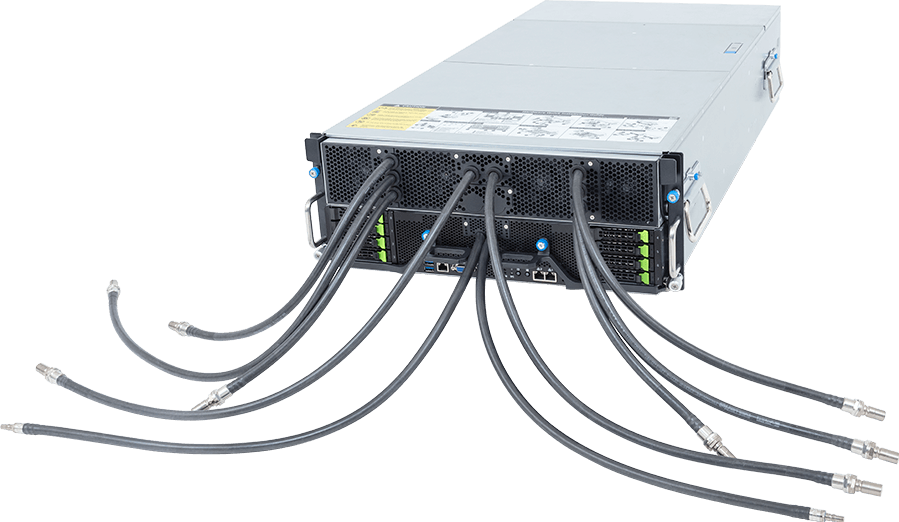
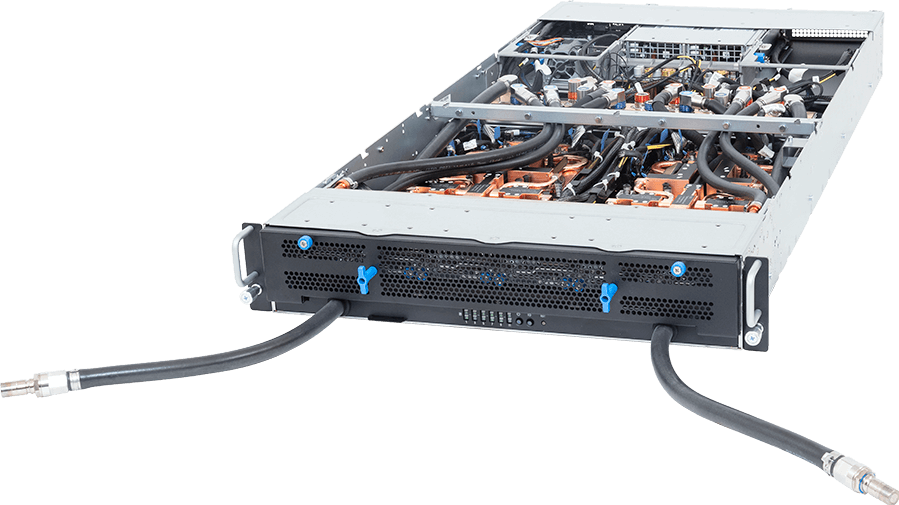
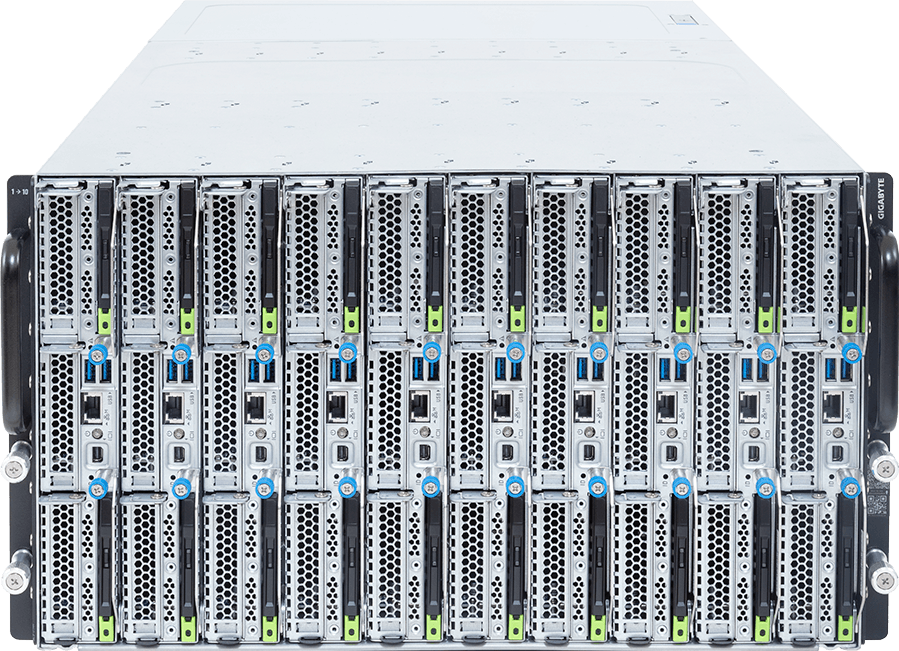
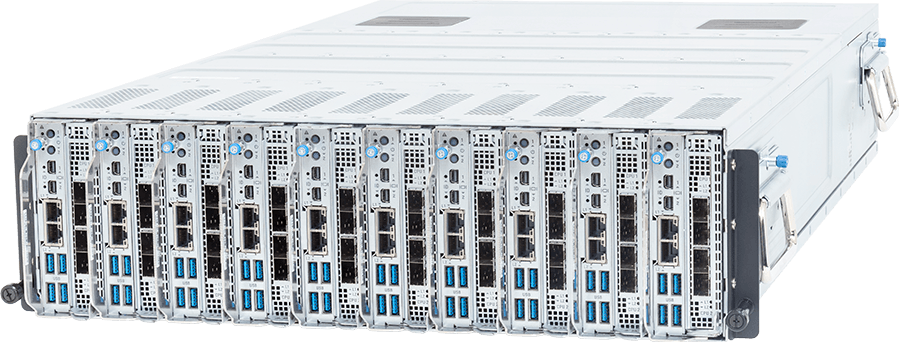
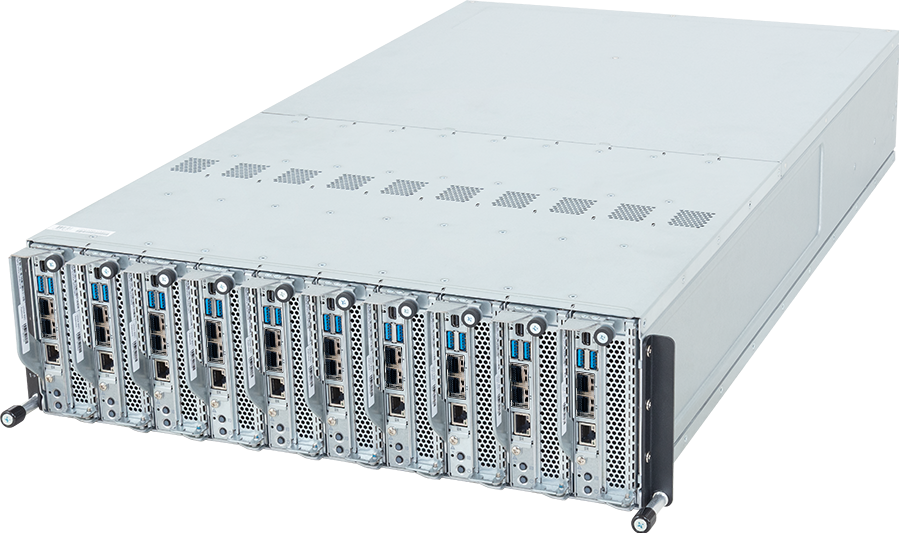
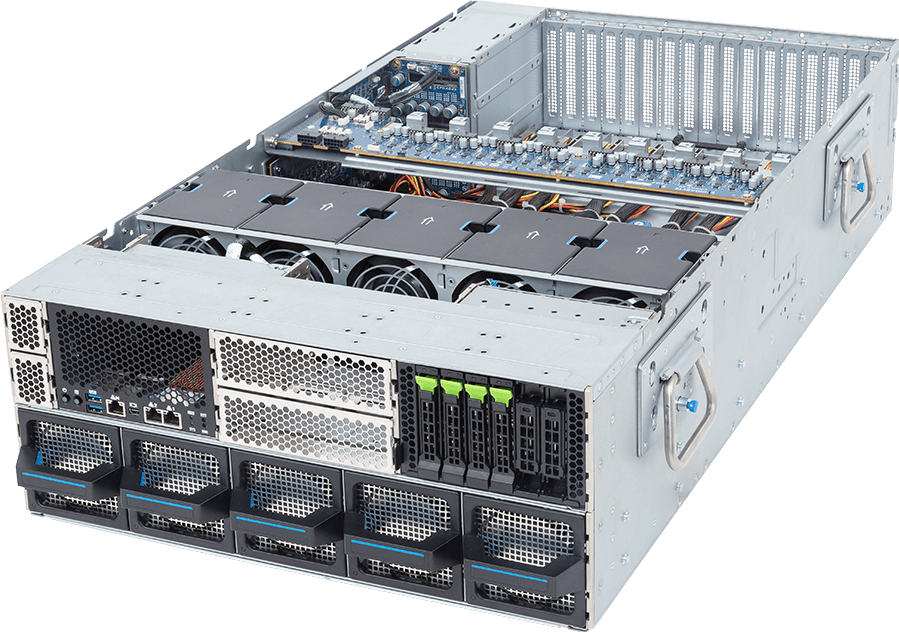
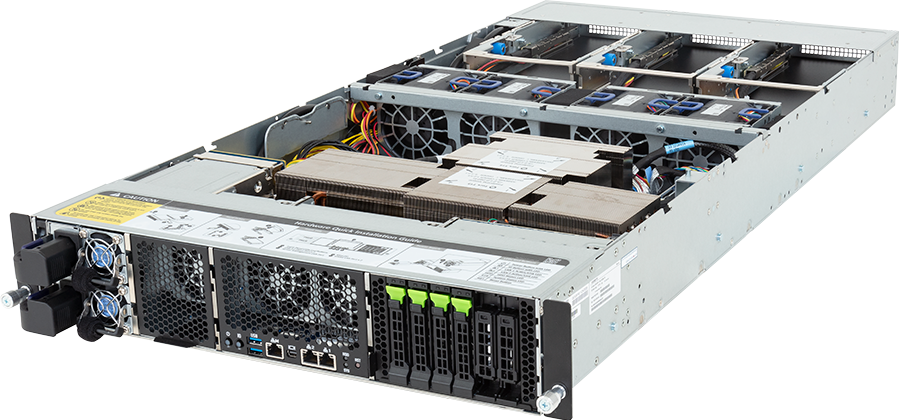
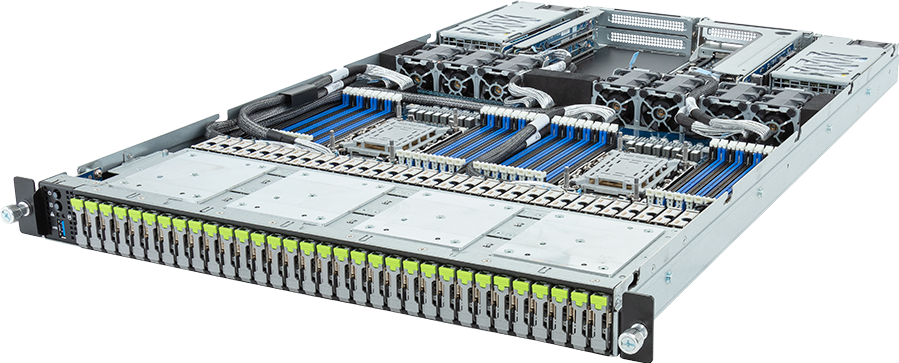
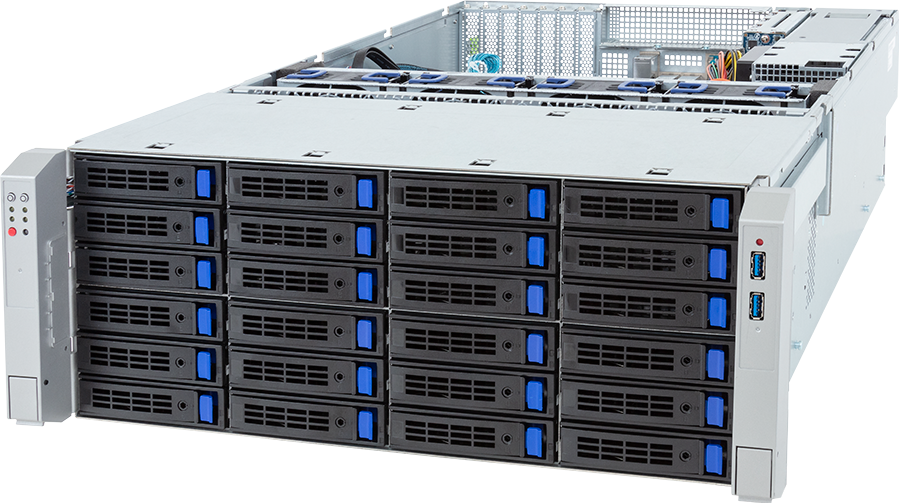
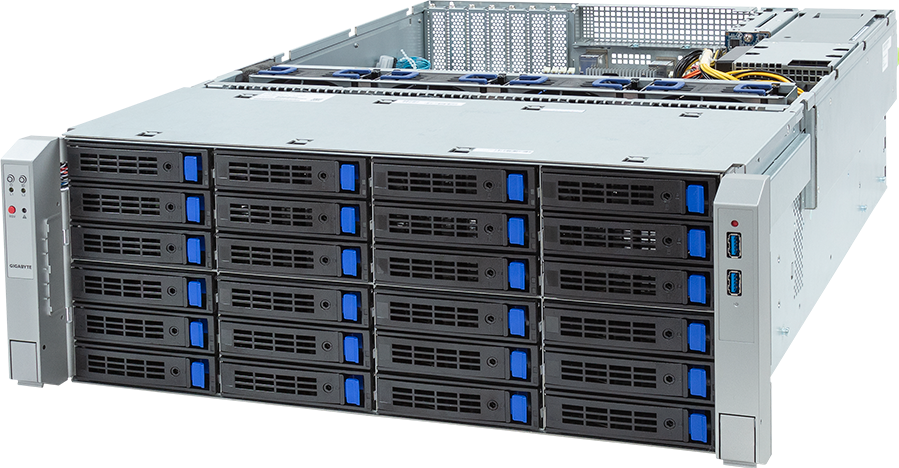
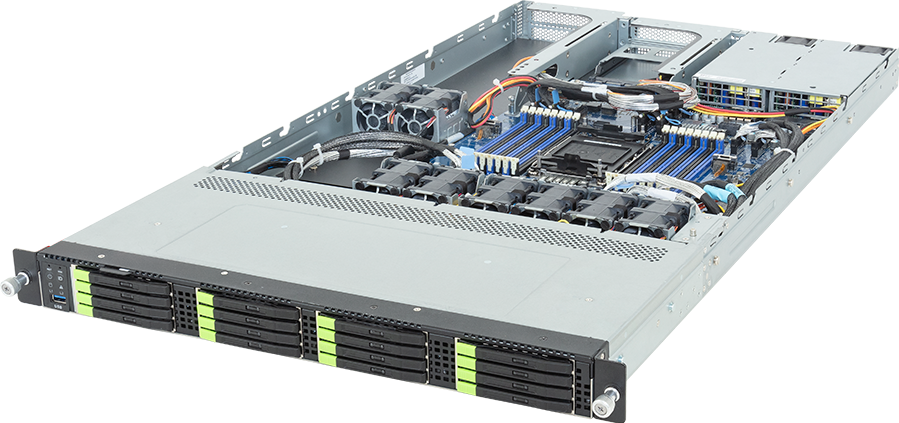
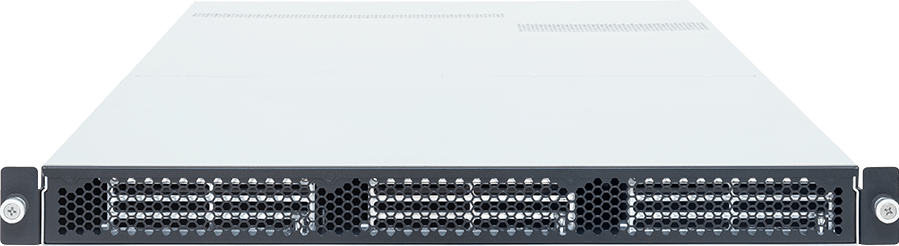
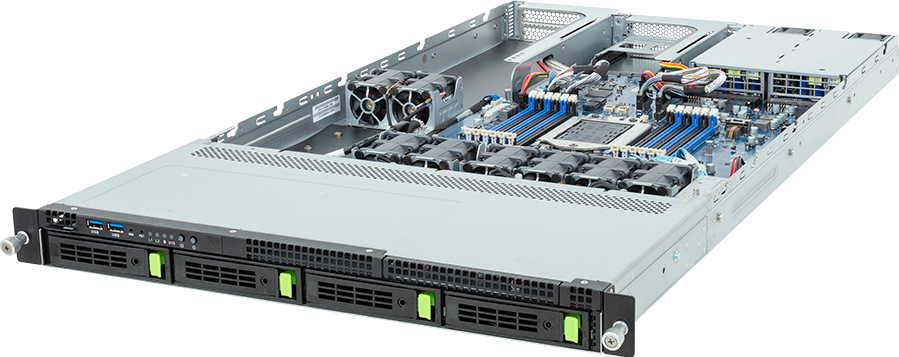
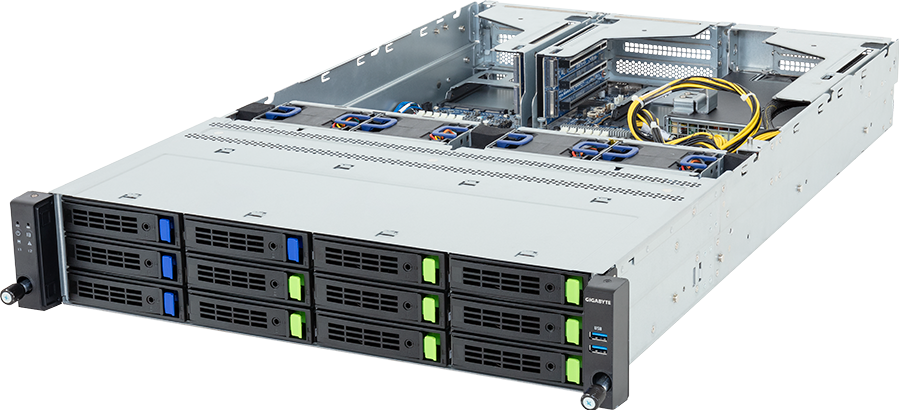
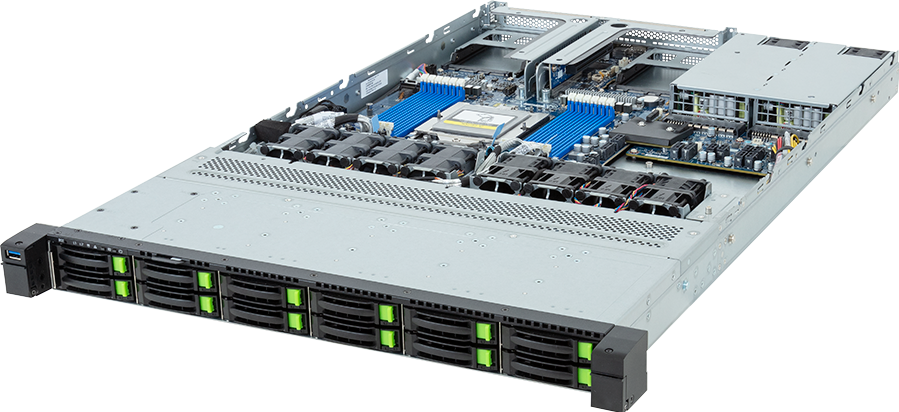
GIGABYTE servers take charge of compute, storage, and networking in data centers. Compute servers incorporate the most powerful accelerators, including AMD Instinct™, Intel® Gaudi®, and NVIDIA Rubin. Besides GPU platforms, GIGABYTE offers NVIDIA MGX™ servers and highly dense Blade Servers to ramp up your processing prowess. ARM Servers are also featured as a cloud-native solution. Storage Servers feed data into the pipeline and archive the output; reliable and unparalleled throughput is paramount, which is why GIGABYTE adopts all-flash array (AFA) and other pivotal innovations. Last but not least, GIGABYTE provides Rack Servers and Edge Servers for networking and management in both superscale AI factories and micro data centers on the network edge.
AI ComputeData StorageNetworking & Management






Leading Ecosystem Partners

Data Center FAQ: Everything You Need to Know
What is a data center?
A data center is a facility, ranging in size from a single room to a massive multi-warehouse complex, that an organization uses to house IT equipment, including servers for compute, storage, and networking, peripherals such as switches, routers, and firewalls, as well as the racks, piping, and cabling needed to interconnect all the equipment. Supporting infrastructure includes power distribution systems (encompassing backup generators and uninterruptible power supplies) and ventilation and cooling systems (such as air conditioning systems or liquid cooling systems). In the age of AI and HPC, data centers have become the primary driving force behind technological innovations.
What does a data center do?
Data centers can be specially designed to handle specific tasks. However, at its core, a data center uses its computing platforms—the servers—to carry out the calculations that make up the algorithms and AI models and other inventions that are the bread and butter of the modern digital world. Individual organizations such as a company or a government institute may use data centers or server rooms to store data and provide IT services to its staff and customers/constituents, while major cloud service providers (CSPs) may build massive data centers that rent out compute and storage to their clients. Whenever you check your email or shop online or use your favorite generative AI services, you are in fact connecting to a data center. The wide variety of services they provide means there's a growing trend of hardware and software innovations meant to make data centers more proficient and cost-effective at completing their designated missions.
How to build a data center?
Constructing a data center is a complex undertaking. To lay out the steps in brief, careful thought must first be given to picking the location, whether it is a standalone facility or several rooms in an office building, and then the floorplan design must be reviewed to make sure all the equipment it houses can operate smoothly and reliably. The three most important functions of the hardware inside a data center are compute, storage, and networking (for an in-depth analysis, please refer to our Tech Guide "How to Build Your Data Center with GIGABYTE"), and then supporting systems for power and cooling must be set up, as well as the software that will help streamline operations. Last but not least, strict testing must be conducted to maximize the data center's uptime and availability, and plans for scaling up and scaling out the data center must be drawn up to account for future operation requirements. This is a daunting task for even IT veterans, and so it is recommended that they work with a proven expert in data center infrastructure—like GIGABYTE.
How to reduce energy consumption in data centers?
The amount of power needed to keep a data center running is a topic of much interest, since it eats into the operator's bottom line and directly affects the facility's carbon footprint. Upgrading from conventional air cooling to direct liquid cooling (DLC) or even immersion cooling is widely recognized as a tried-and-true way to reduce a data center's energy consumption without compromising its performance. These advanced cooling methods reduce the electricity needed for thermal management, so the data center's overall power usage effectiveness (PUE) is improved while ensuring that processors can operate reliably at peak thermal design power (TDP). For more information on how you can achieve green computing with smarter cooling, we recommend you visit our website on Advanced Cooling.
How to keep a data center up-to-date with the latest tech advancements?
Since so many advancements and conveniences in the modern digital world are rooted in the ubiquity of data centers, innovations in this field come hard and fast, and it can be difficult for operators to keep up. A competitive data center must not only be scalable to accommodate growing demands, but also actively incorporate new technologies, from DCIM and AIOps software to liquid and immersion cooling, for it to remain viable. This is why it is imperative for IT experts to work closely with data center infrastructure and service providers who can introduce them to the latest advancements in this field, as well as advise them on how to get the best return on investment. To find a dedicated partner who can guide you every step of the way, reach out to our team and discover why satisfied customers around the globe choose GIGABYTE for data center success.
Milestones & Achievements
Ready or Not? The Era of AI Factory Has Arrived!

The Data Revolution in AI Factories: Driving High-Speed Networking Forward

Revolutionizing the AI Factory: The Rise of CXL Memory Pooling


Czech’s biggest search engine builds infrastructure on top of GIGABYTE solutions

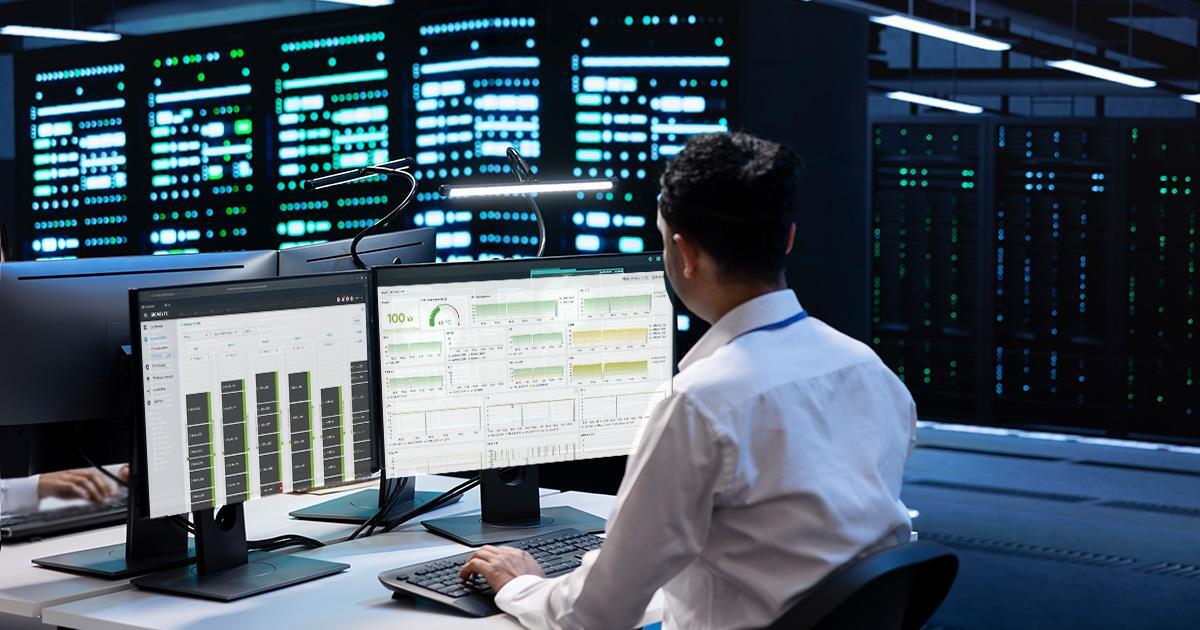
DCIM x AIOps: The Next Big Trend Reshaping AI Software
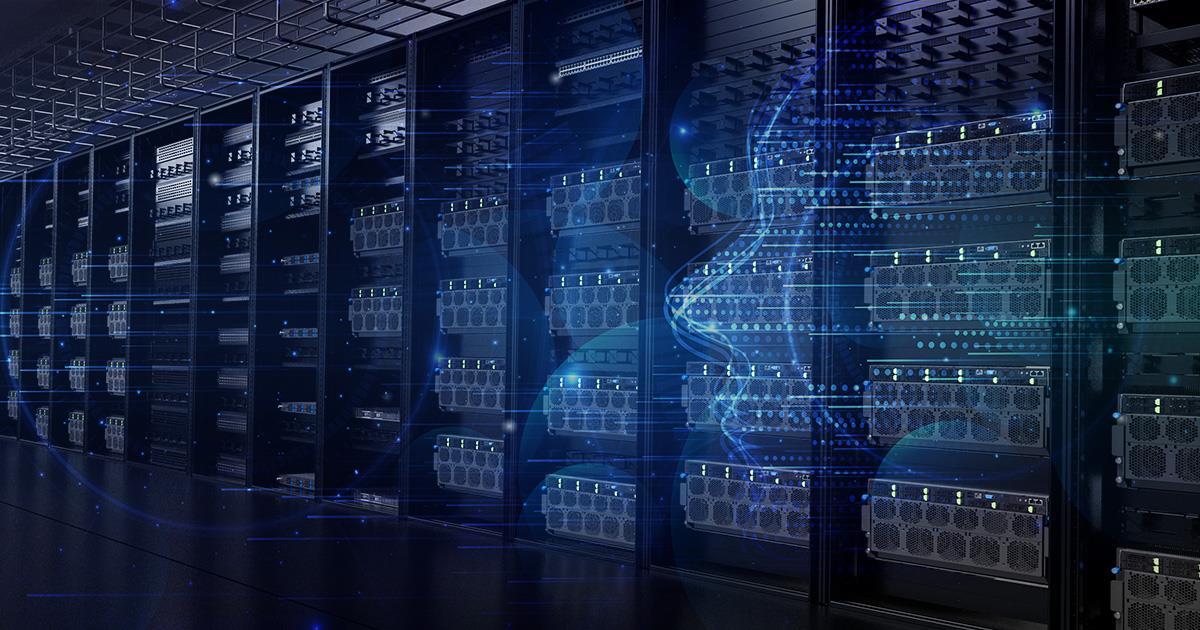
How GIGAPOD Provides a One-Stop Service, Accelerating a Comprehensive AI Revolution

How to Get Your Data Center Ready for AI? Part One: Advanced Cooling
How to Get Your Data Center Ready for AI? Part Two: Cluster Computing
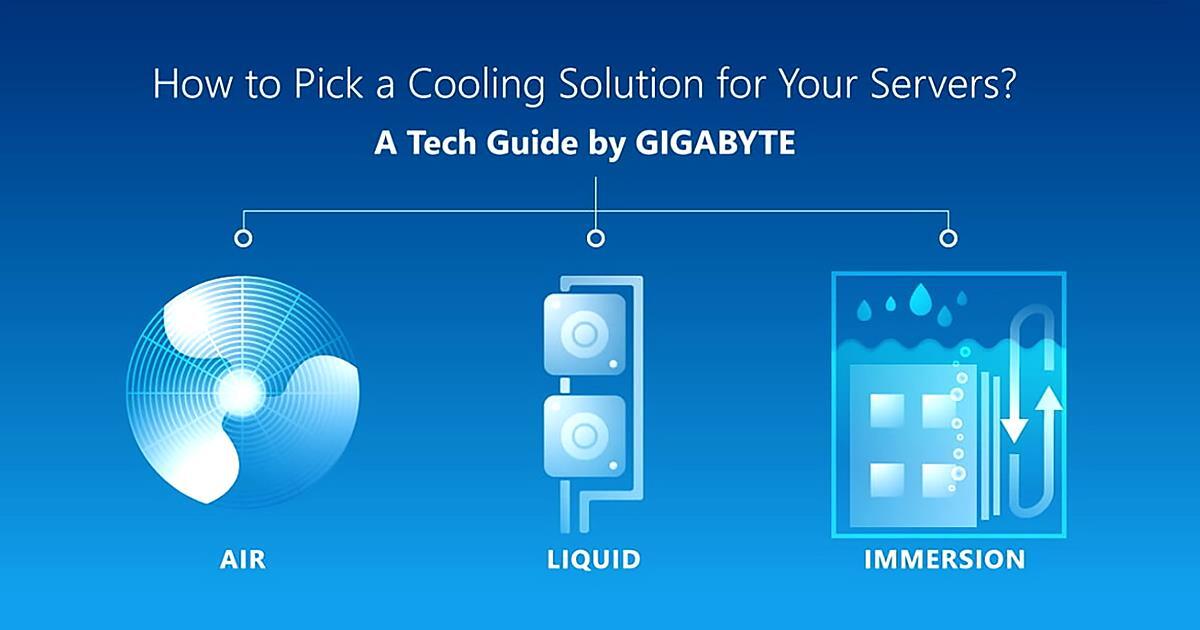
How to Pick a Cooling Solution for Your Servers? A Tech Guide by GIGABYTE

5 Must-Know Technical Terms Before You Choose Data Center Cooling Solutions

Data Center Cooling: The Key to Green Computing and a Low-Carbon Transition

Micron & GIGABYTE CXL Workload Demo

Optimizing AI Training with Solidigm SSDs and GIGABYTE Servers
Let GIGABYTE Expedite Your Data Center Journey
Email Sales