TDP (Thermal Design Power)
What is it?
Thermal design power, also known as thermal design point, is defined as the theoretical maximum amount of heat generated by a CPU or GPU that its cooling system is designed to dissipate. It is usually measured in watts (W) or kilowatts (KW), but it does not represent the actual amount of electricity that the processor consumes; rather, it is the power consumption ceiling that should not be exceeded, if the user wishes to avoid overheating. Most processors can be made to consume more power than its intended TDP—overclocking enthusiasts often do so—but processor throttling, also known as automatic underclocking, may kick in to make sure the power draw does not exceed the TDP.
In a stable, enterprise-grade server room or data center, the TDP roughly equates to the computing equipment's power consumption, since the servers are usually operating at or close to maximum capacity. How to improve thermal management to accommodate a higher TDP has become an area of interest in the era of high performance computing (HPC), as IT experts try to get more computing power out of their processors.
In a stable, enterprise-grade server room or data center, the TDP roughly equates to the computing equipment's power consumption, since the servers are usually operating at or close to maximum capacity. How to improve thermal management to accommodate a higher TDP has become an area of interest in the era of high performance computing (HPC), as IT experts try to get more computing power out of their processors.
Why do you need it?
Since TDP represents the theoretical heat generation ceiling—and by extension, the theoretical power consumption ceiling—of a piece of computing equipment, a higher TDP can be seen as representative of more computing power and better processor performance. The higher amount of heat will need to be effectively dissipated to support the higher TDP. This can be achieved by lowering the ambient temperature (also known as the baseline temperature or "set point") in an air-cooled data center, or by adopting more innovative data center cooling solutions, such as liquid cooling or immersion cooling.
How is GIGABYTE helpful?
GIGABYTE Technology is well-versed in server cooling and offers server solutions that are optimized for all the mainstream cooling methods, including air cooling, liquid cooling, single-phase immersion cooling, and two-phase immersion cooling. Efficient cooling can protect the servers from exceeding their intended TDP, leading to greater reliability and higher availability. In the case of liquid cooling or immersion cooling, a higher ambient temperature may even be acceptable due to the superb cooling efficacy of these methods. This will result in not only lower power consumption and a more eco-friendly carbon footprint, it may also lead to better chip performance.
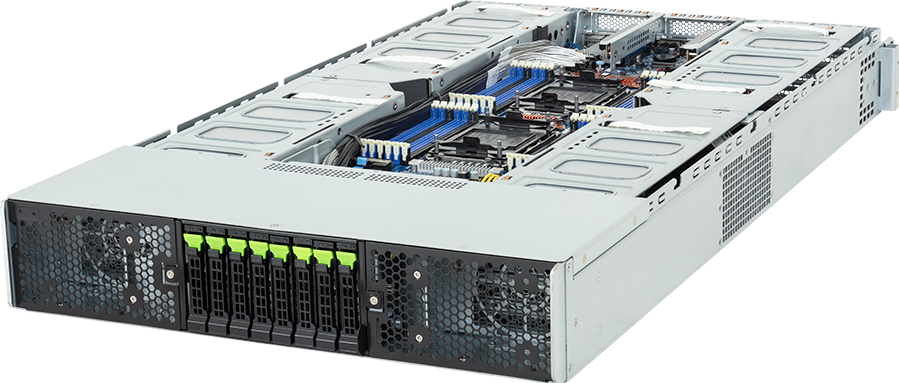
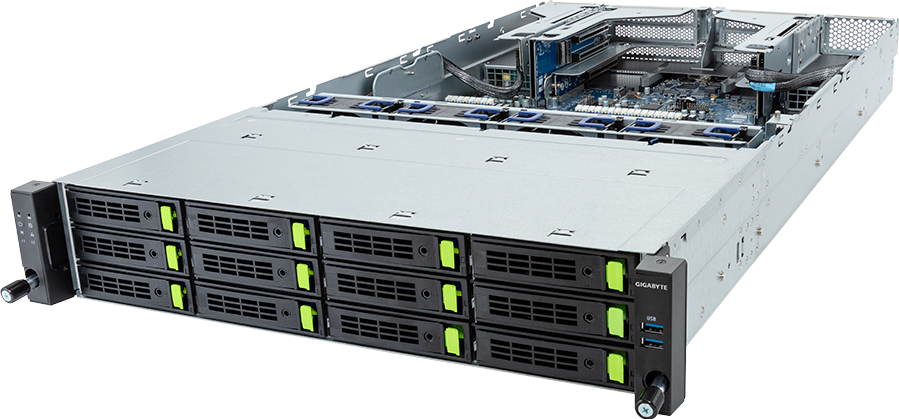
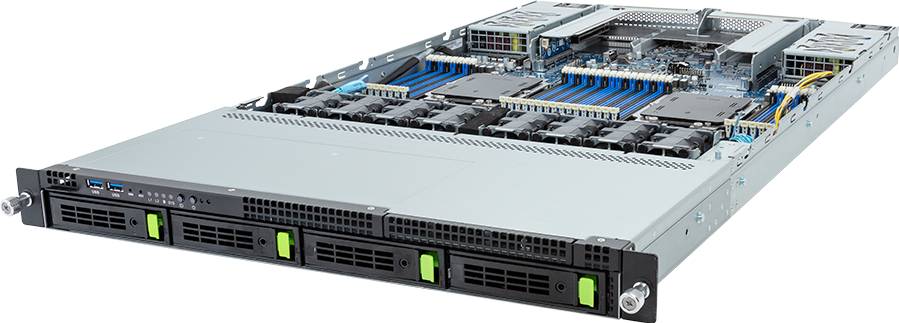
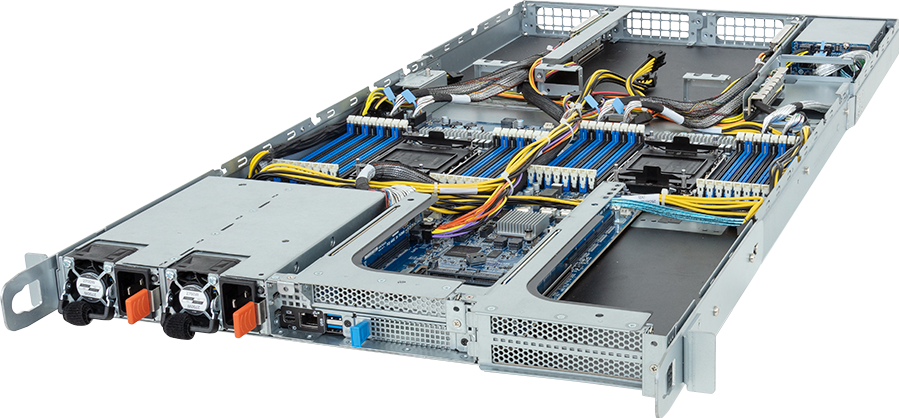
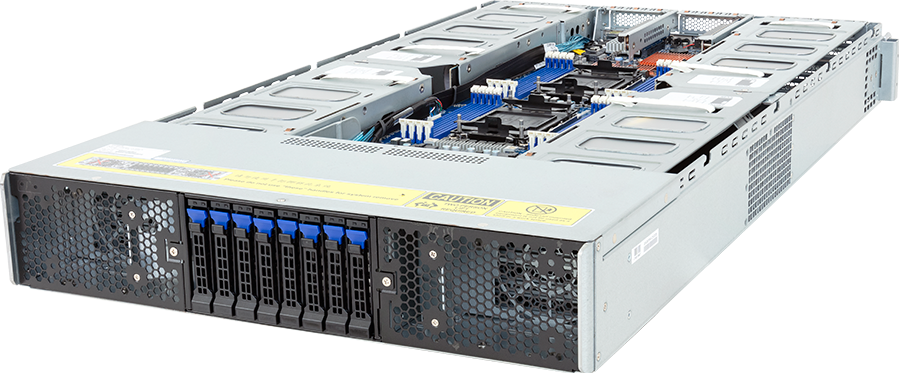
Air-cooled servers: GIGABYTE's air-cooled servers come with a proprietary airflow-friendly hardware design, which means the direction of the airflow within the chassis has been evaluated with simulation software, and then fine-tuned to optimize ventilation. Powerful fans, high-performance heat sinks, and special air ducts or shrouds are installed to further improve the airflow. Other creative and unique modifications, which may differ between the various product lines, enable GIGABYTE to lead the industry in thermal management and allow for higher TDPs that unlock the full extent of the processors' computing power.
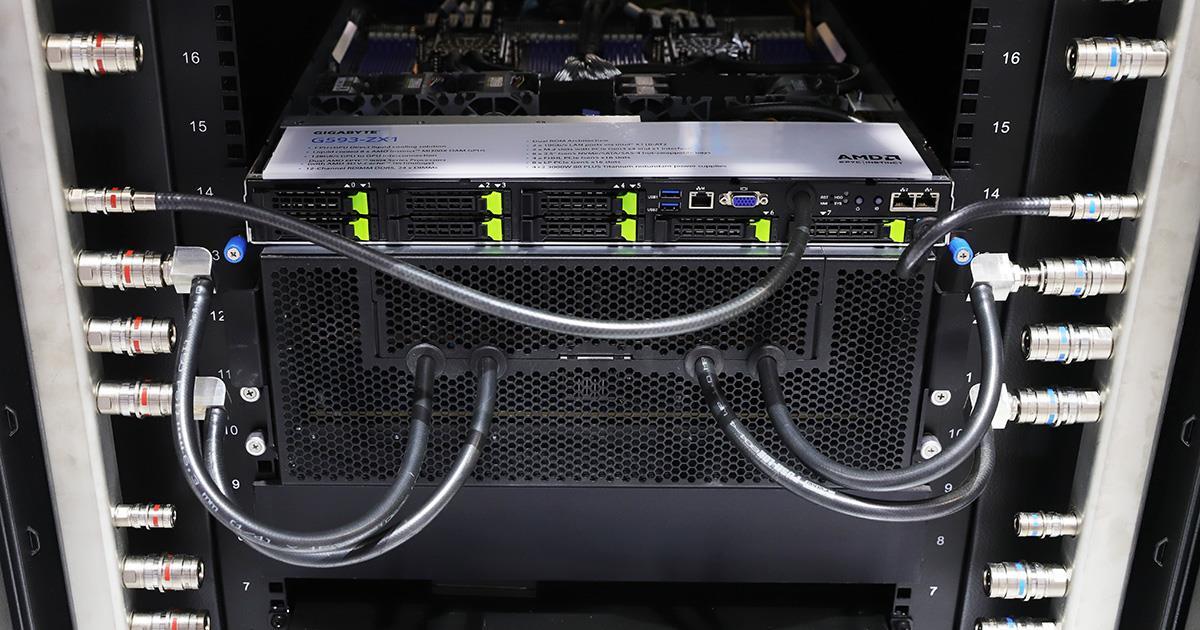
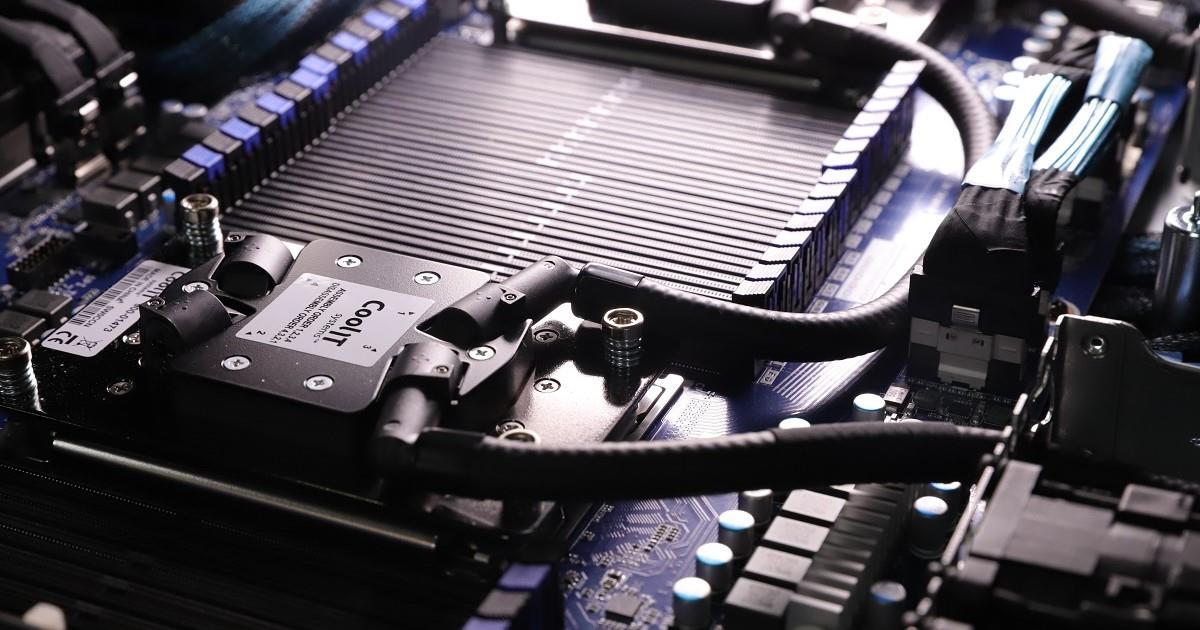
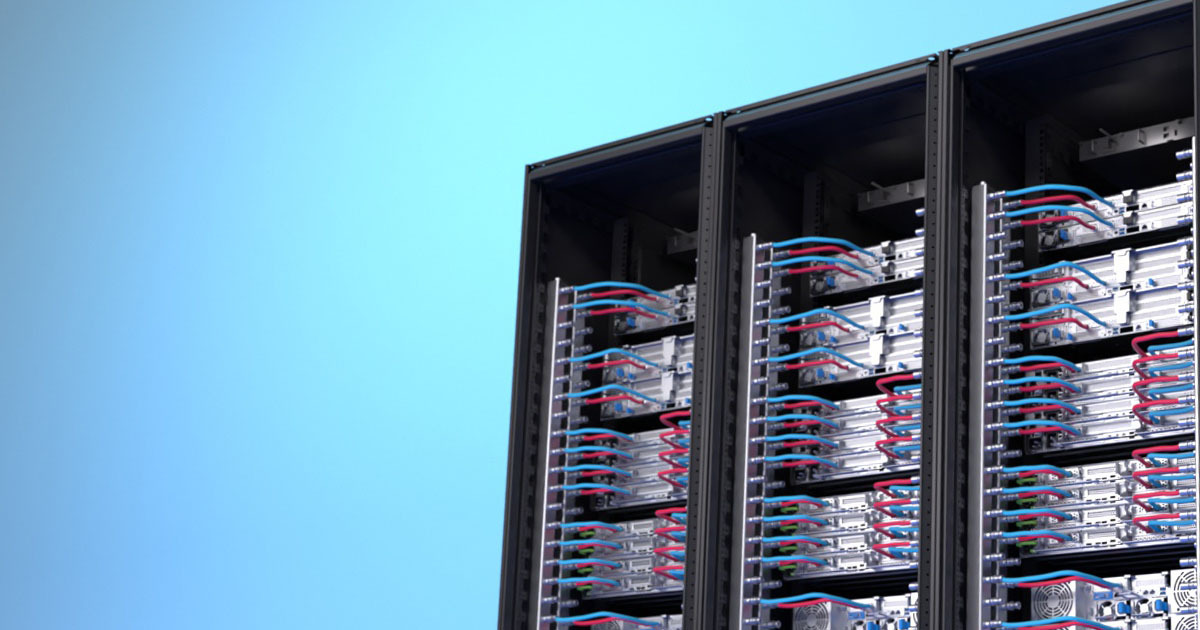
Liquid-cooled servers: Liquid cooling, also known as direct liquid cooling (DLC) or direct-to-chip (D2C) liquid cooling, uses sealed tubes (called cooling loops) filled with coolant to disperse heat. GIGABYTE has teamed up with a leading cooling solutions provider to provide high-density, factory-installed liquid-cooled servers. For instance, GIGABYTE has deployed a liquid-cooled HPC cluster in the data center of the German National Aerospace Center (DLR), so it can utilize superb processing power in the fields of aviation, aerospace, and transportation, without increasing the carbon footprint.
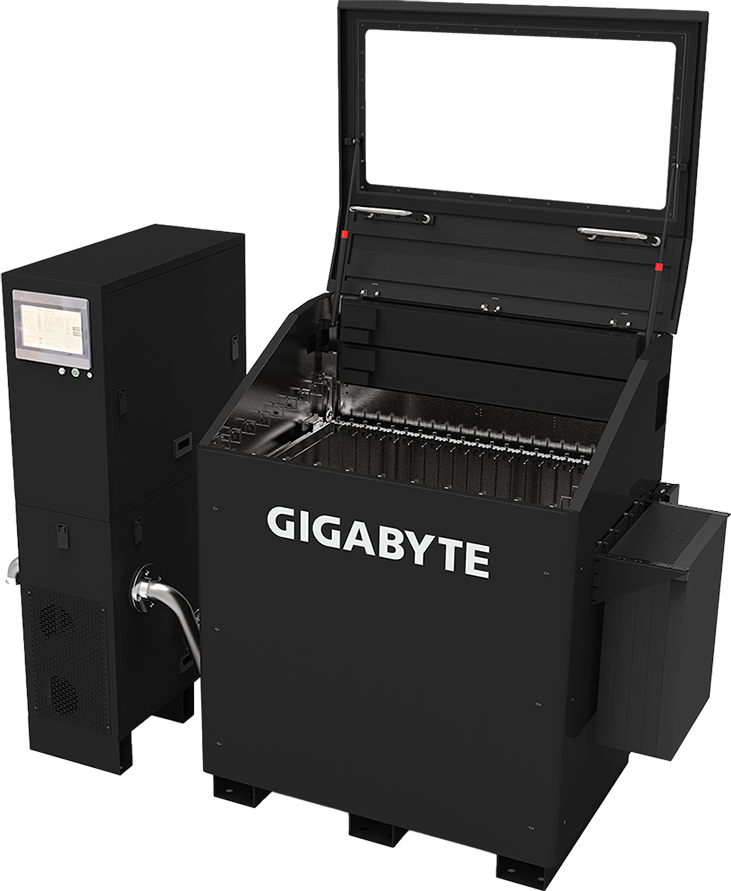
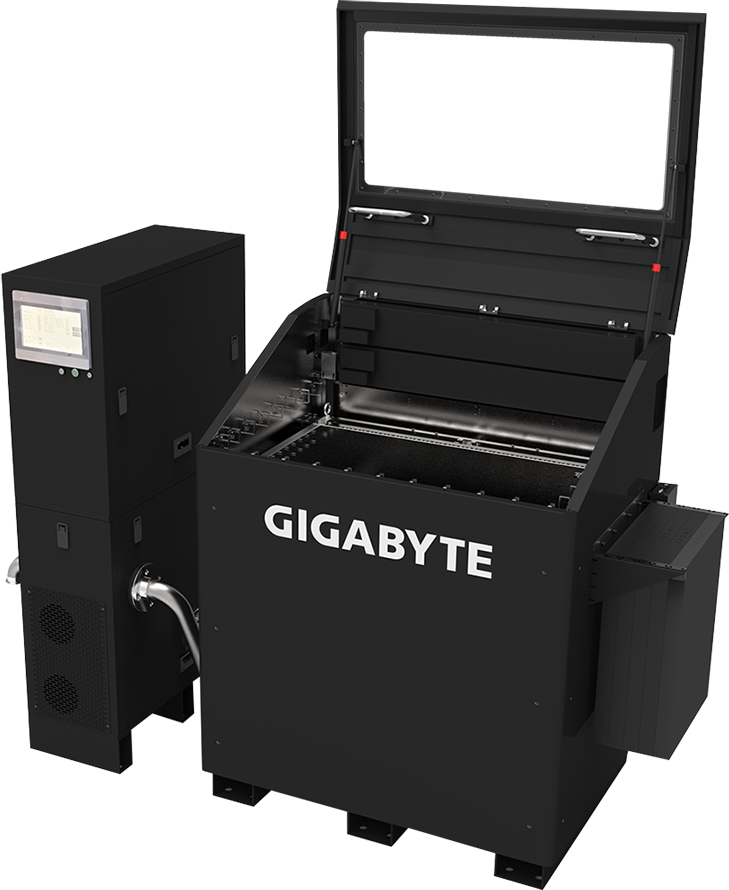
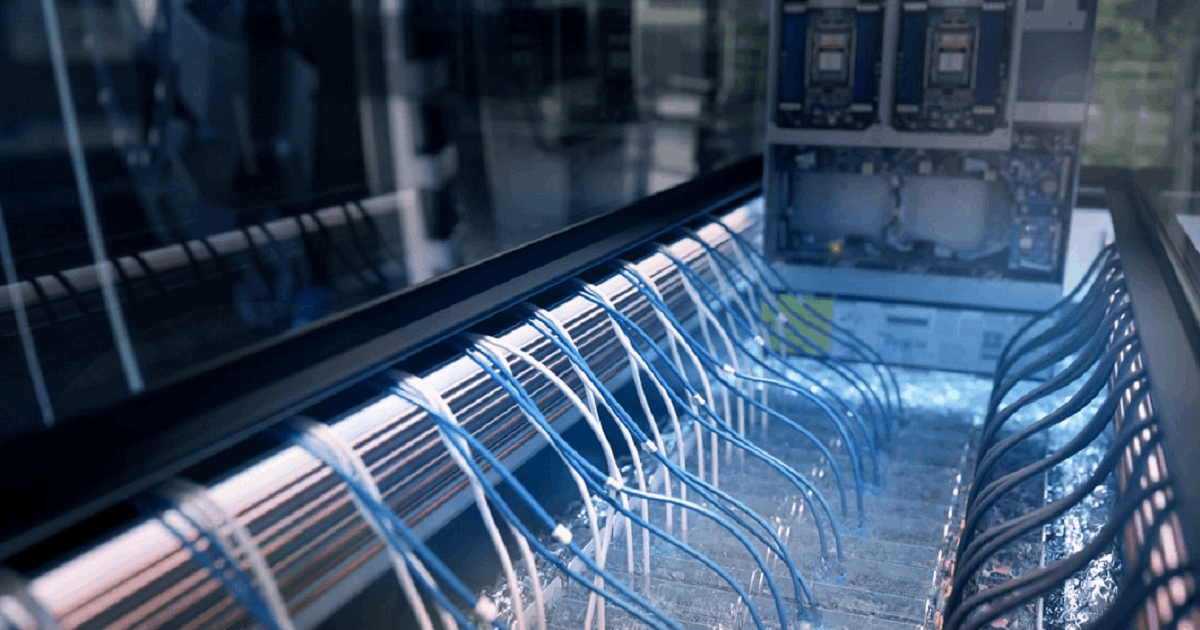
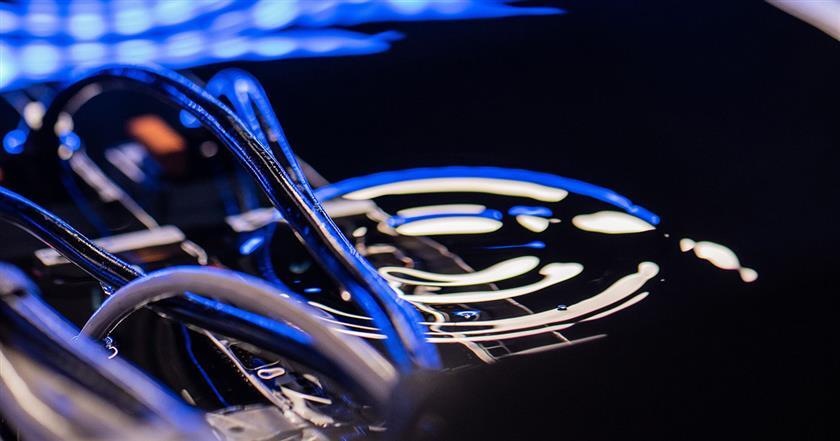
Single-phase immersion cooling: The apex of data center cooling is immersion cooling. The single-phase variant soaks the servers in a bath of dielectric, nonconductive coolant, and then cycle the warm coolant to a coolant distribution unit (CDU) to remove the heat. Not only does this reduce the data center's power consumption and carbon footprint, it is possible to have a higher ambient temperature and a higher TDP, which will unleash more computing power. GIGABYTE has provided a single-phase immersion cooling solution for Japan's telco giant KDDI.
Two-phase immersion cooling: The two-phase variant has the coolant undergoing a recurring cycle of vaporization and condensation inside a sealed tank. This process transfers the thermal energy from the server to the liquid coolant, and then to the rising vapors that are cooled by the condenser at the top of the tank. GIGABYTE has built a “two-phase immersion cooling solution” for the IC foundry giant that leads the world in advanced process technology; it has helped the industry leader achieve PUE below 1.08 and an increase of more than 10% in chip performance.
Air-cooled servers: GIGABYTE's air-cooled servers come with a proprietary airflow-friendly hardware design, which means the direction of the airflow within the chassis has been evaluated with simulation software, and then fine-tuned to optimize ventilation. Powerful fans, high-performance heat sinks, and special air ducts or shrouds are installed to further improve the airflow. Other creative and unique modifications, which may differ between the various product lines, enable GIGABYTE to lead the industry in thermal management and allow for higher TDPs that unlock the full extent of the processors' computing power.
Liquid-cooled servers: Liquid cooling, also known as direct liquid cooling (DLC) or direct-to-chip (D2C) liquid cooling, uses sealed tubes (called cooling loops) filled with coolant to disperse heat. GIGABYTE has teamed up with a leading cooling solutions provider to provide high-density, factory-installed liquid-cooled servers. For instance, GIGABYTE has deployed a liquid-cooled HPC cluster in the data center of the German National Aerospace Center (DLR), so it can utilize superb processing power in the fields of aviation, aerospace, and transportation, without increasing the carbon footprint.
Single-phase immersion cooling: The apex of data center cooling is immersion cooling. The single-phase variant soaks the servers in a bath of dielectric, nonconductive coolant, and then cycle the warm coolant to a coolant distribution unit (CDU) to remove the heat. Not only does this reduce the data center's power consumption and carbon footprint, it is possible to have a higher ambient temperature and a higher TDP, which will unleash more computing power. GIGABYTE has provided a single-phase immersion cooling solution for Japan's telco giant KDDI.
Two-phase immersion cooling: The two-phase variant has the coolant undergoing a recurring cycle of vaporization and condensation inside a sealed tank. This process transfers the thermal energy from the server to the liquid coolant, and then to the rising vapors that are cooled by the condenser at the top of the tank. GIGABYTE has built a “two-phase immersion cooling solution” for the IC foundry giant that leads the world in advanced process technology; it has helped the industry leader achieve PUE below 1.08 and an increase of more than 10% in chip performance.