AIoT (Artificial Intelligence of Things)
What is AIoT?
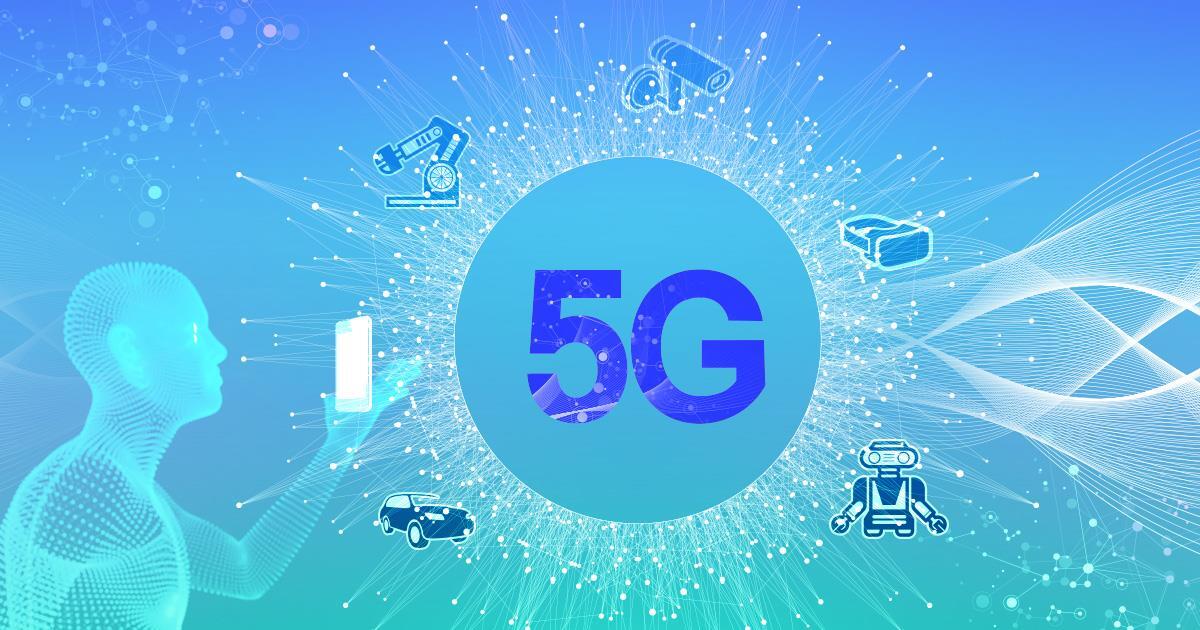
AIoT (Artificial Intelligence of Things) refers to the integration of Artificial Intelligence (AI) into Internet of Things (IoT) devices, enabling devices that originally only sensed and connected to networks to further understand their environment, analyze data, and make autonomous decisions.
Traditional IoT systems mainly focus on collecting information or executing predefined instructions, such as monitoring temperature, switching devices on or off, or transmitting sensor data. These systems are generally passive and lack the ability to interpret their environment independently.
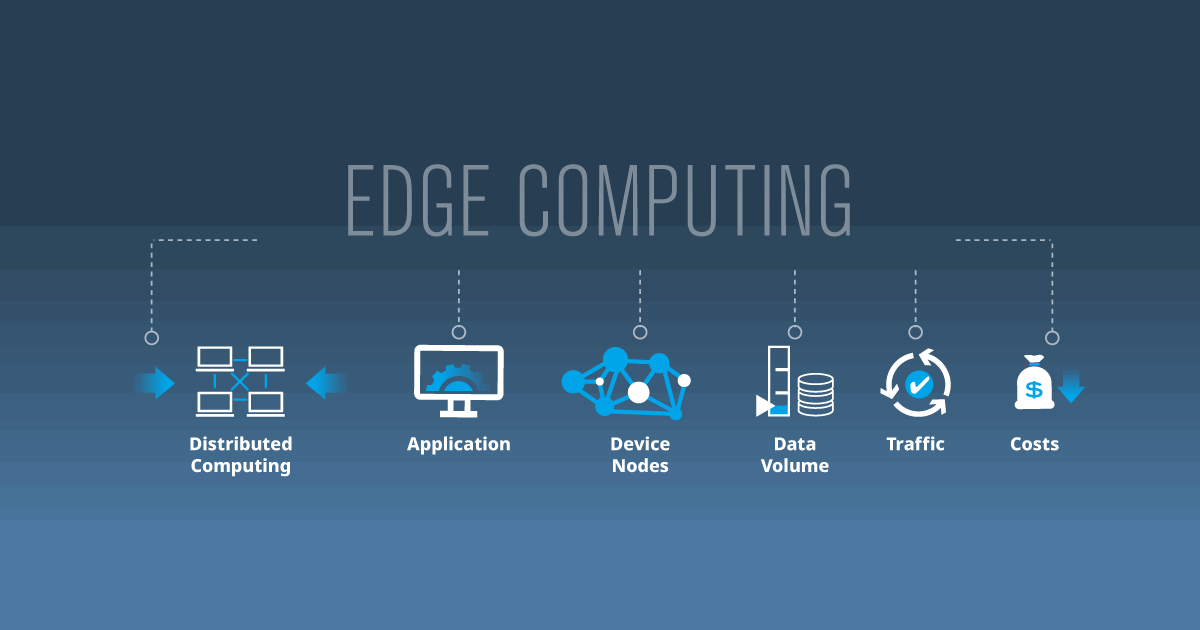
The core of AIoT lies in the combination of edge computing and AI inference capabilities. This allows devices to analyze data locally in real time, identify patterns and anomalies from large volumes of information, and make instant decisions based on the situation.
AIoT not only improves data processing efficiency but also reduces reliance on cloud computing and minimizes latency. This is especially important for use cases that require high real-time performance, such as connected vehicles and smart healthcare. Overall, AIoT upgrades traditional IoT from simple automation to true intelligence, bringing greater practical value to various applications.
Learn More: What Is Edge AI and How Does It Work?
Traditional IoT systems mainly focus on collecting information or executing predefined instructions, such as monitoring temperature, switching devices on or off, or transmitting sensor data. These systems are generally passive and lack the ability to interpret their environment independently.
The core of AIoT lies in the combination of edge computing and AI inference capabilities. This allows devices to analyze data locally in real time, identify patterns and anomalies from large volumes of information, and make instant decisions based on the situation.
AIoT not only improves data processing efficiency but also reduces reliance on cloud computing and minimizes latency. This is especially important for use cases that require high real-time performance, such as connected vehicles and smart healthcare. Overall, AIoT upgrades traditional IoT from simple automation to true intelligence, bringing greater practical value to various applications.
Learn More: What Is Edge AI and How Does It Work?
Use cases of AIoT
AIoT is widely applied across transportation, healthcare, manufacturing, and energy management.
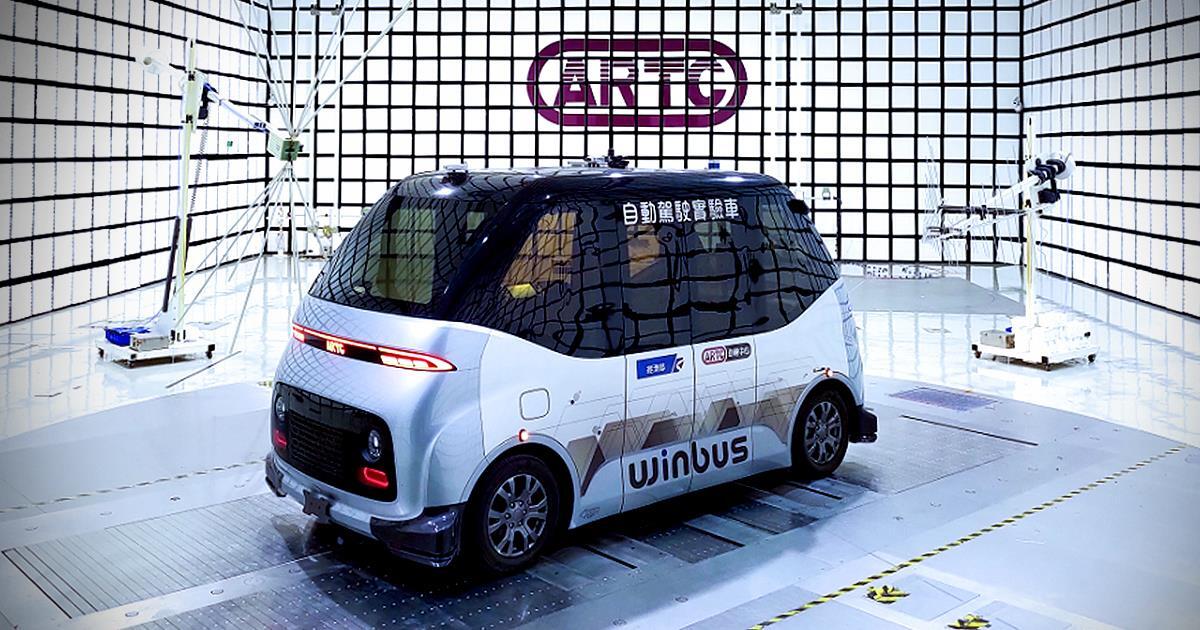
In transportation, AIoT enables collaboration between vehicles and intelligent traffic systems by analyzing road conditions, traffic flow, and driving behavior in real time. This helps provide route planning suggestions, improve urban traffic management efficiency, and reduce accident risks.
In healthcare, AIoT devices such as wearables can continuously monitor health data. Combined with AI analysis, they can detect abnormal physical conditions at an early stage and provide recommendations. This is especially valuable as healthcare resources become limited and remote healthcare demands continue to grow.
In manufacturing, AIoT is used for equipment condition monitoring. By collecting data such as temperature, humidity, and usage frequency through sensors, systems can detect potential failures in advance, helping to avoid unexpected downtime and optimize overall production line efficiency.
In addition, AIoT is also applied in security surveillance, public infrastructure management, cargo tracking, inventory management, and energy dispatching. Sensor data is analyzed by AI systems to enable automated decision-making. According to IDC, with the increasing integration of AI, edge devices, and IoT, the global IoT market is expected to exceed USD 1.29 trillion by 2028, demonstrating strong growth potential.
In transportation, AIoT enables collaboration between vehicles and intelligent traffic systems by analyzing road conditions, traffic flow, and driving behavior in real time. This helps provide route planning suggestions, improve urban traffic management efficiency, and reduce accident risks.
In healthcare, AIoT devices such as wearables can continuously monitor health data. Combined with AI analysis, they can detect abnormal physical conditions at an early stage and provide recommendations. This is especially valuable as healthcare resources become limited and remote healthcare demands continue to grow.
In manufacturing, AIoT is used for equipment condition monitoring. By collecting data such as temperature, humidity, and usage frequency through sensors, systems can detect potential failures in advance, helping to avoid unexpected downtime and optimize overall production line efficiency.
In addition, AIoT is also applied in security surveillance, public infrastructure management, cargo tracking, inventory management, and energy dispatching. Sensor data is analyzed by AI systems to enable automated decision-making. According to IDC, with the increasing integration of AI, edge devices, and IoT, the global IoT market is expected to exceed USD 1.29 trillion by 2028, demonstrating strong growth potential.
How is GIGABYTE helpful?
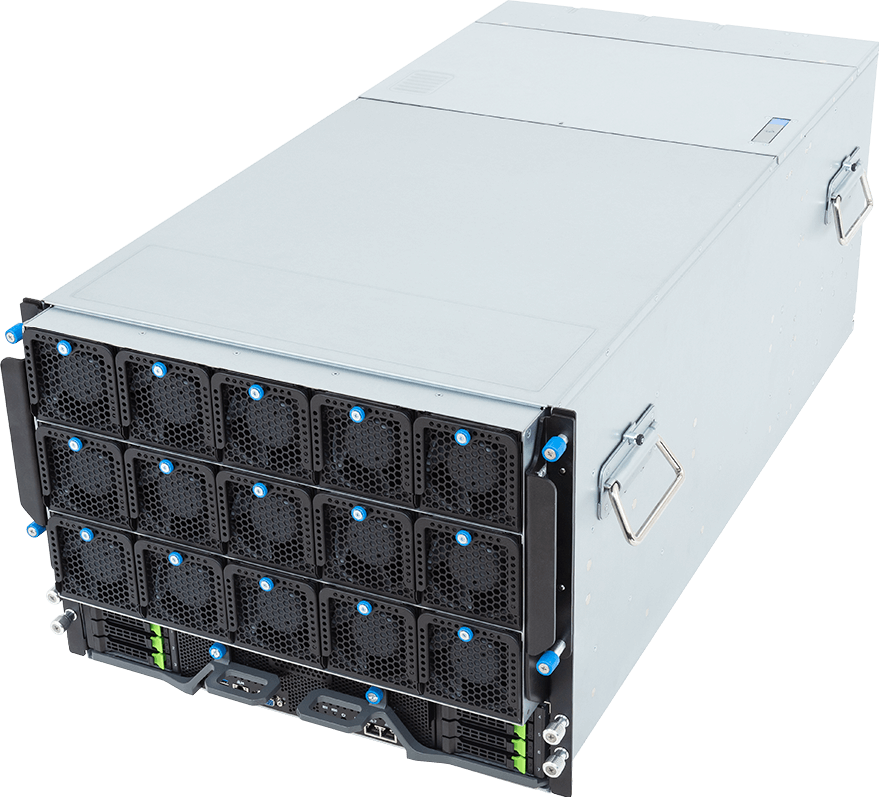
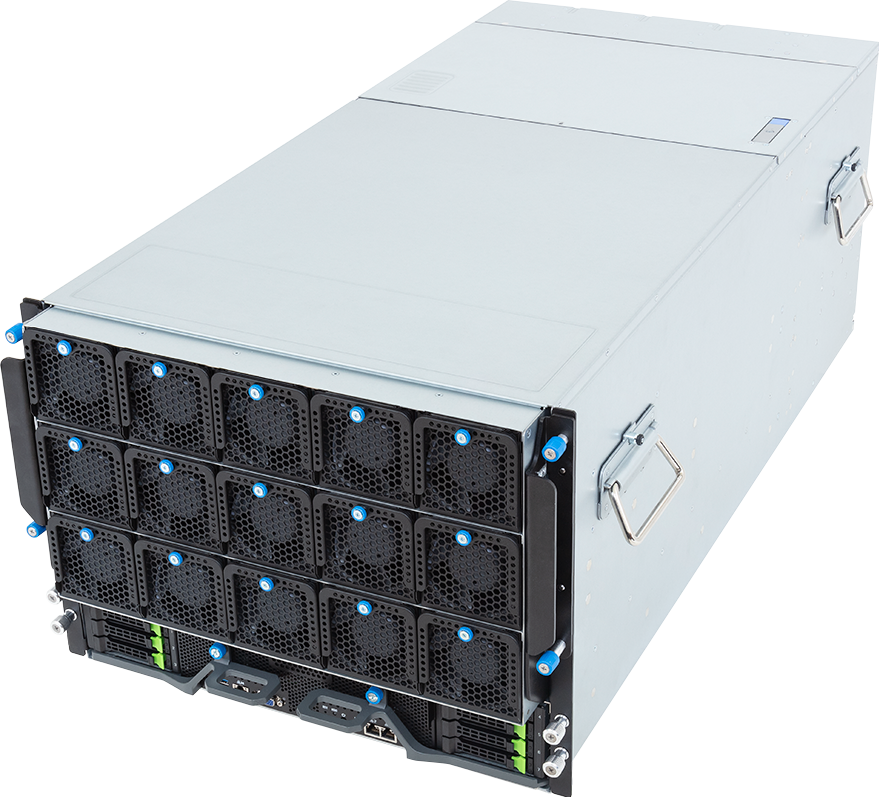
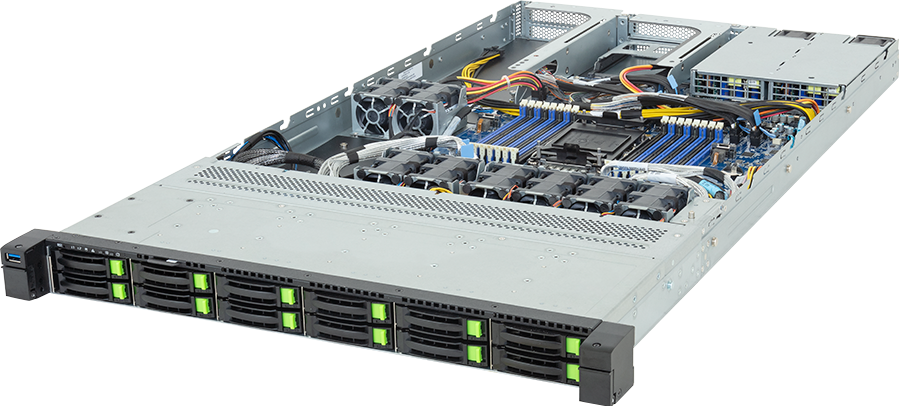
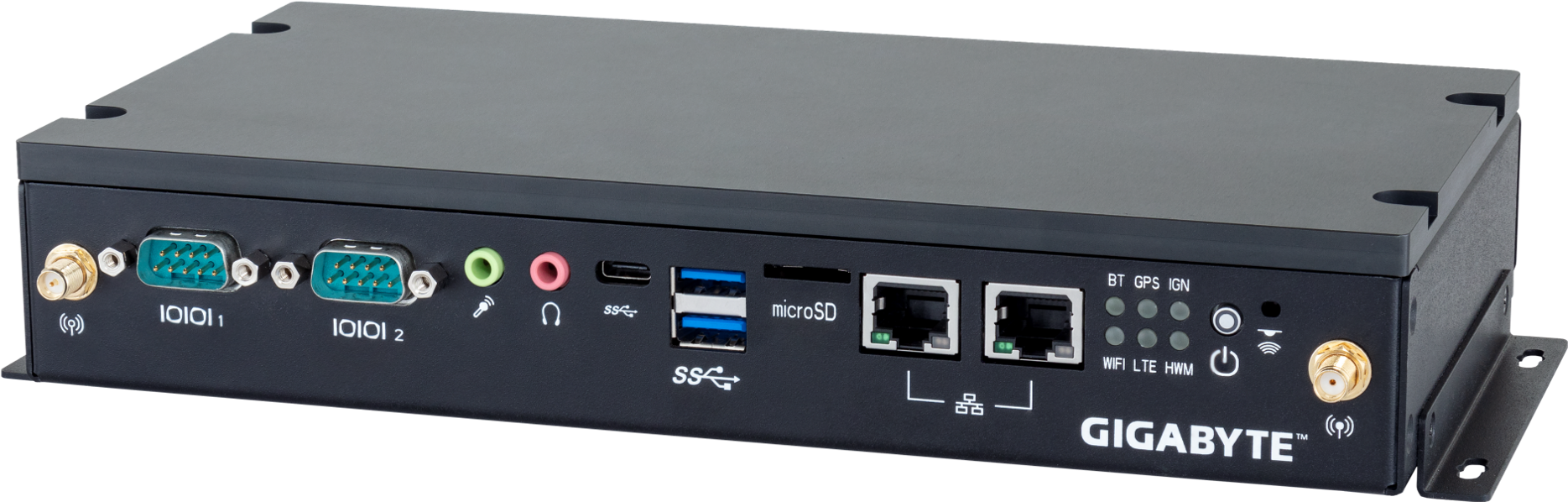
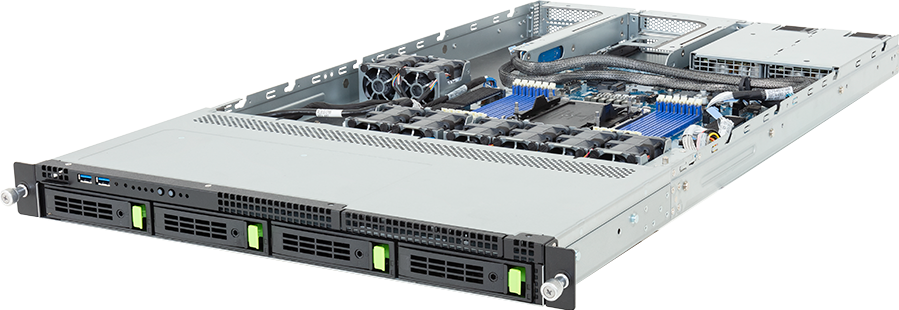
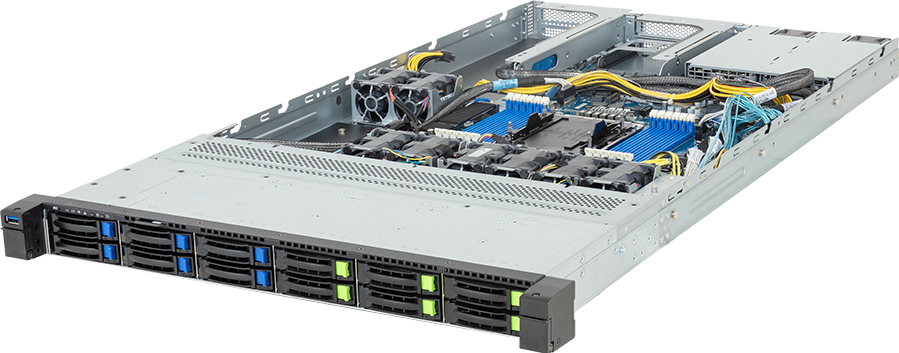
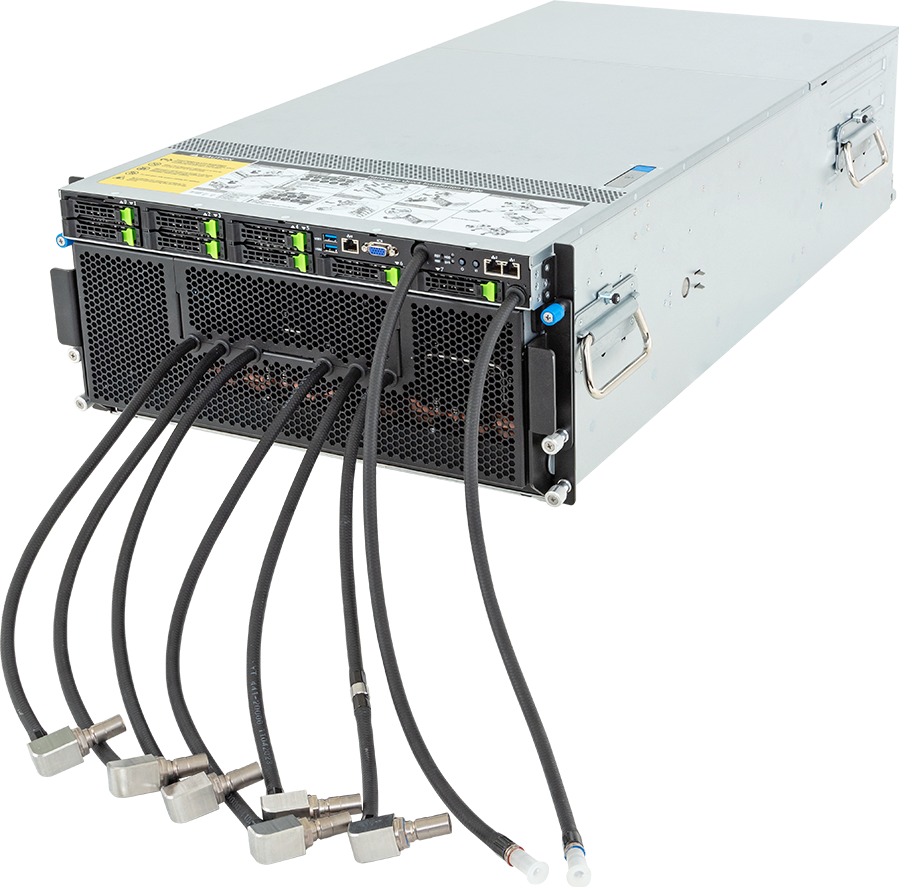
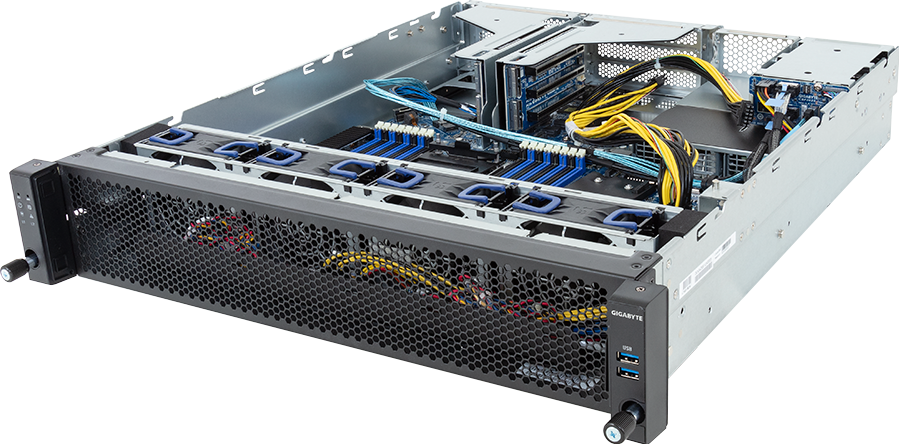
GIGABYTE is committed to helping enterprises unlock the potential of data at the edge and driving the deployment and innovation of AIoT applications. Together with its subsidiary GIGAIPC, GIGABYTE offers a wide range of edge computing solutions, including E-series edge servers, industrial computers, embedded systems, and e-Mobility platforms for robotics and autonomous vehicles.
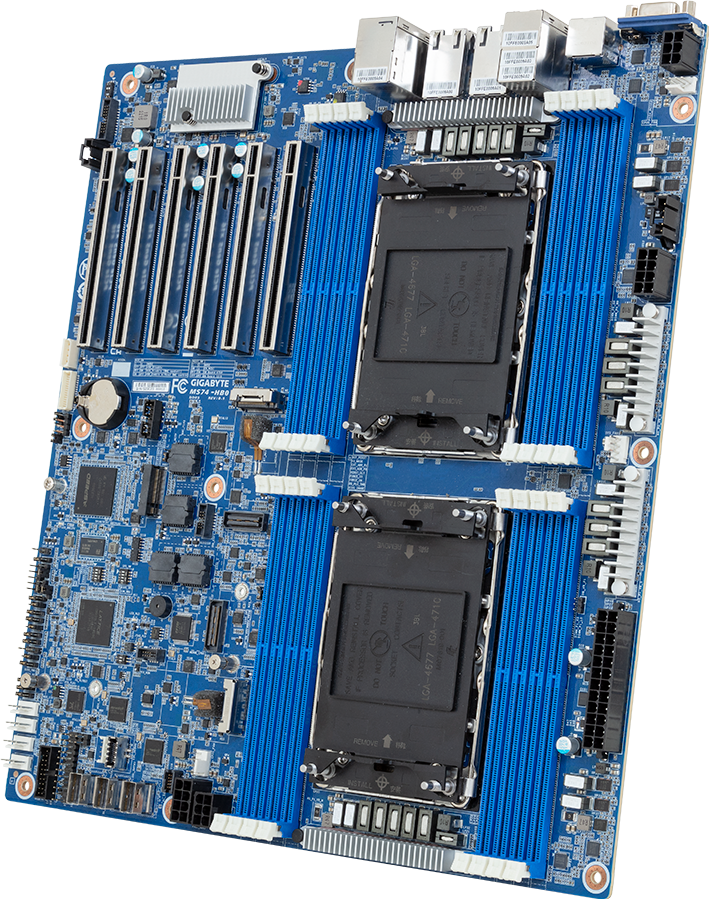
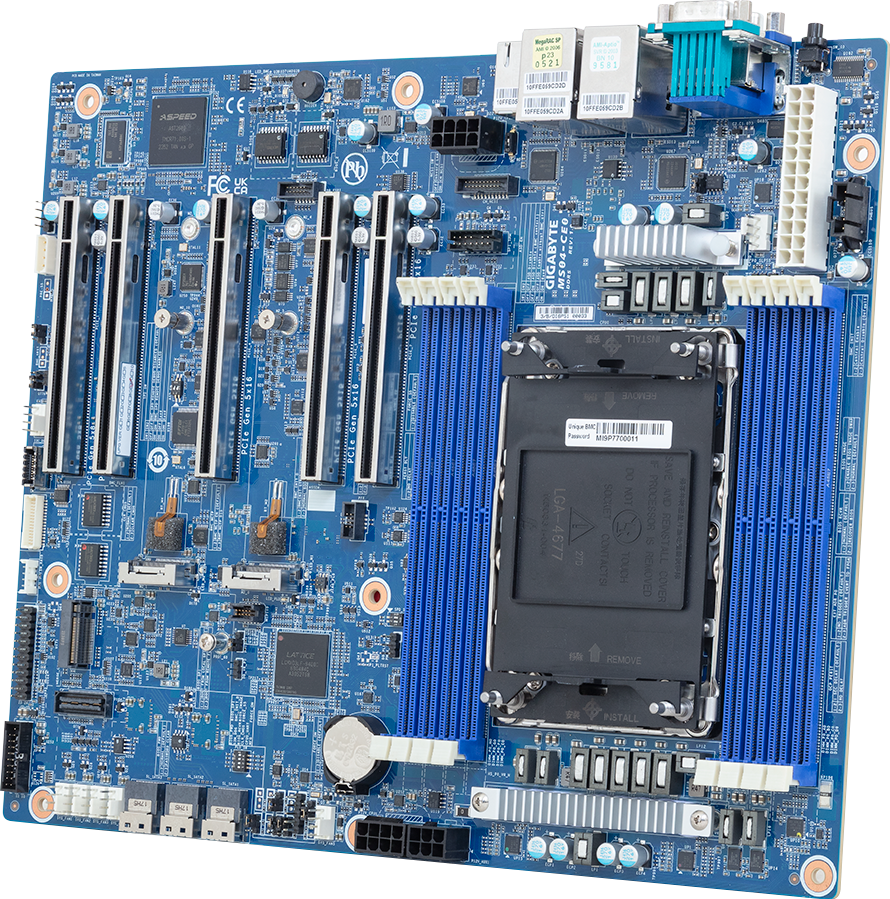
GIGABYTE’s edge servers provide a balanced design in terms of memory, storage, and scalability. They support PCIe Gen 5.0 and AI accelerator cards, enabling AI inference for applications such as computer vision and speech recognition. At the same time, embedded systems based on NVIDIA® Jetson Orin™ and Thor™ play a key role in advancing smart manufacturing, automated monitoring, and robotics technologies.
GIGABYTE’s edge servers provide a balanced design in terms of memory, storage, and scalability. They support PCIe Gen 5.0 and AI accelerator cards, enabling AI inference for applications such as computer vision and speech recognition. At the same time, embedded systems based on NVIDIA® Jetson Orin™ and Thor™ play a key role in advancing smart manufacturing, automated monitoring, and robotics technologies.