Deep Learning
What is it?
Deep learning is a subset of machine learning that has gained prominence in recent years due to its ability to self-correct and learn from mistakes without human intervention. This is made possible by a multilayered artificial neural network (ANN) of interconnected artificial neurons, also called a deep neural network (DNN). It "trains" itself through repeated iterations of predictions (forward propagations) and feedback (backward propagations, or "backpropagations"), and then it assigns "weights" and "biases" to further improve the accuracy of the algorithm. The resulting model is able to "inference" the correct response to future input with high precision.
The advent of GPUs designed for high performance computing (HPC), coupled with the maturity of the machine learning ecosystem, have led to the widespread proliferation of deep learning solutions. This is especially useful in the field of artificial intelligence, as it makes automated services more intelligent and better at comprehending instructions.
The advent of GPUs designed for high performance computing (HPC), coupled with the maturity of the machine learning ecosystem, have led to the widespread proliferation of deep learning solutions. This is especially useful in the field of artificial intelligence, as it makes automated services more intelligent and better at comprehending instructions.
Why do you need it?
Chances are, you have already encountered AI that is being fine-tuned with deep learning. If you've ever wondered why a search engine always seems to understand what you are looking for, or why a boom barrier in a parking lot knows if you've paid or not, that is deep learning at work. Many other sectors stand to gain, as well:
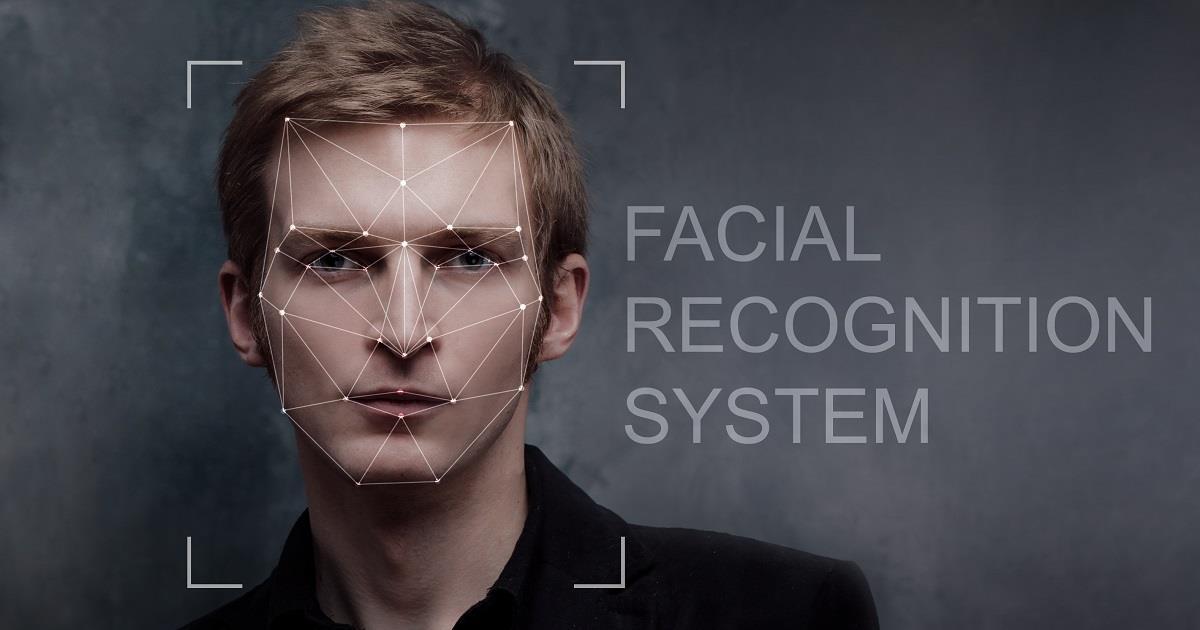
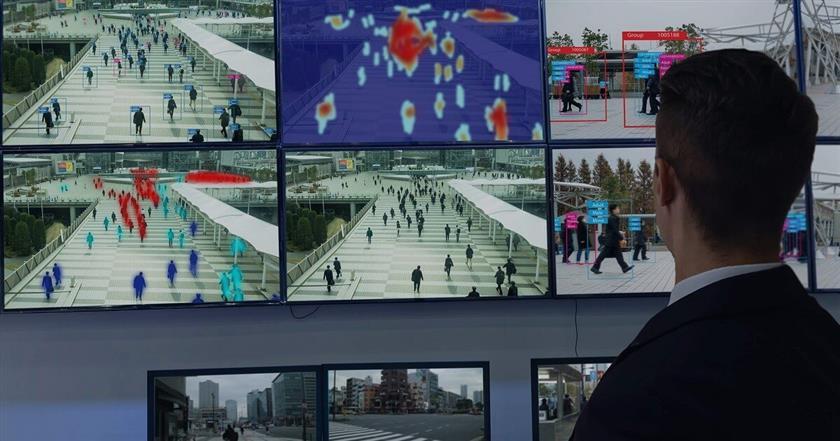
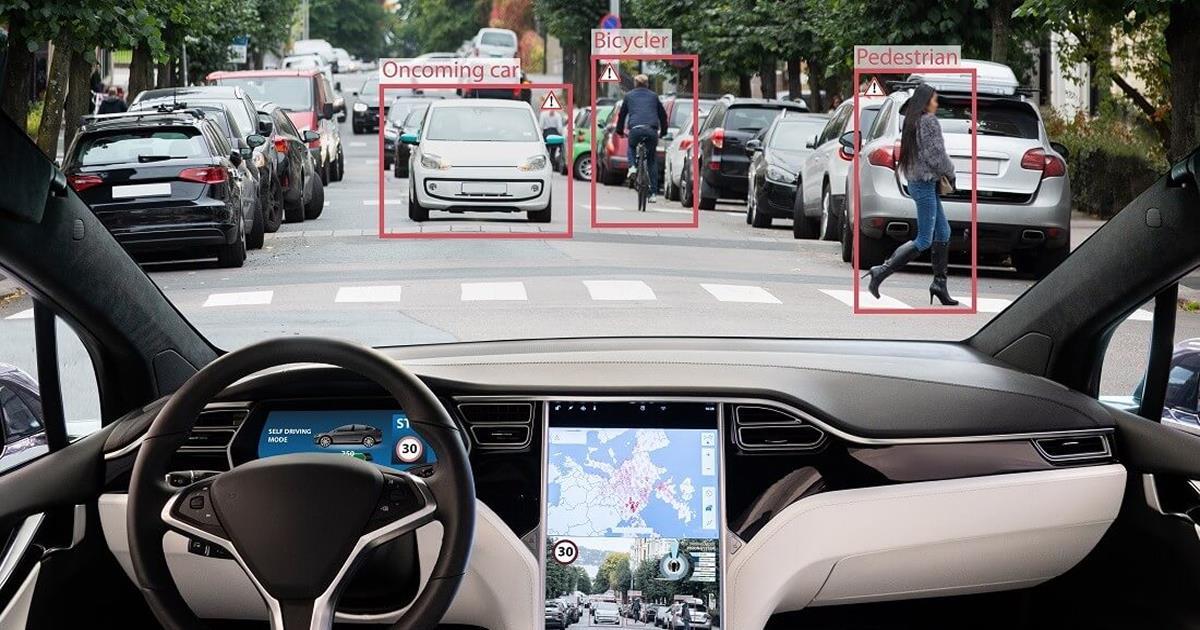
Image recognition: AI can now identify objects in images. This is famously used to develop autonomous vehicles, but there are other amazing applications. Handwriting recognition (HWR) is immensely helpful in busy logistics centers. AI can be trained to spot early signs of disease or detect celestial bodies. The possibilities are limitless.
Natural language processing (NLP): Many smart devices on the market use NLP to understand your verbal commands. NLP converts sound wavelength, voice segmentation, and speech intonation into digital data that trigger pre-set responses. A form of ANN architecture called long short-term memory (LSTM) can be used to further decrease the word error rate (WER) of speech recognition.
Recommender systems: Online media platforms and ecommerce websites use deep learning to gauge your preferences and recommend content or merchandise. Conventional collaborative filtering (CF) systems are supplemented with AI so real user behavior can be evaluated to enable precision marketing.
Image recognition: AI can now identify objects in images. This is famously used to develop autonomous vehicles, but there are other amazing applications. Handwriting recognition (HWR) is immensely helpful in busy logistics centers. AI can be trained to spot early signs of disease or detect celestial bodies. The possibilities are limitless.
Natural language processing (NLP): Many smart devices on the market use NLP to understand your verbal commands. NLP converts sound wavelength, voice segmentation, and speech intonation into digital data that trigger pre-set responses. A form of ANN architecture called long short-term memory (LSTM) can be used to further decrease the word error rate (WER) of speech recognition.
Recommender systems: Online media platforms and ecommerce websites use deep learning to gauge your preferences and recommend content or merchandise. Conventional collaborative filtering (CF) systems are supplemented with AI so real user behavior can be evaluated to enable precision marketing.
How is GIGABYTE helpful?
Many enterprises run into the same problem when they explore deep learning: they don't know where to start. GIGABYTE offers both hardware and software to provide a one-stop deep learning solution.
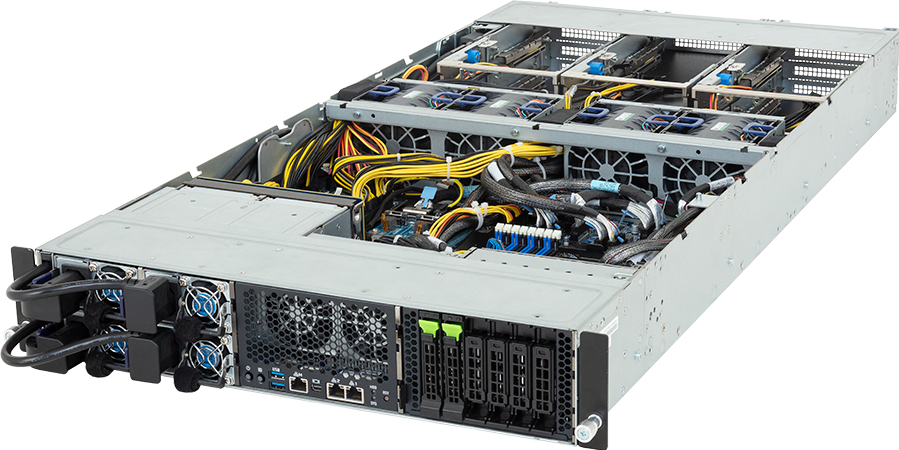
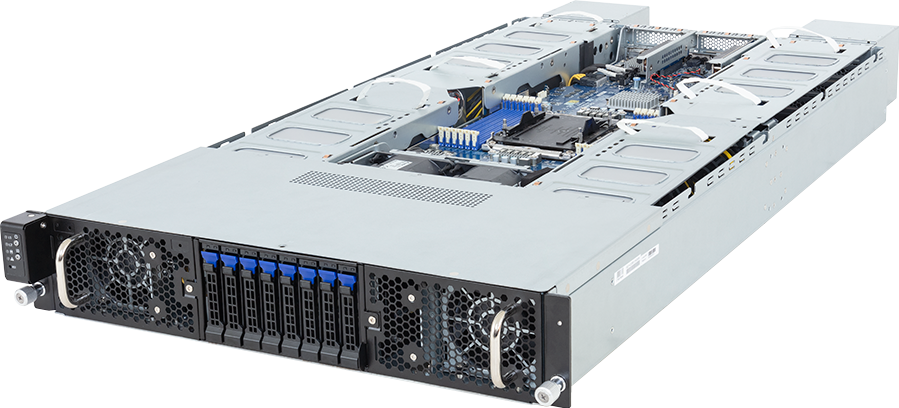
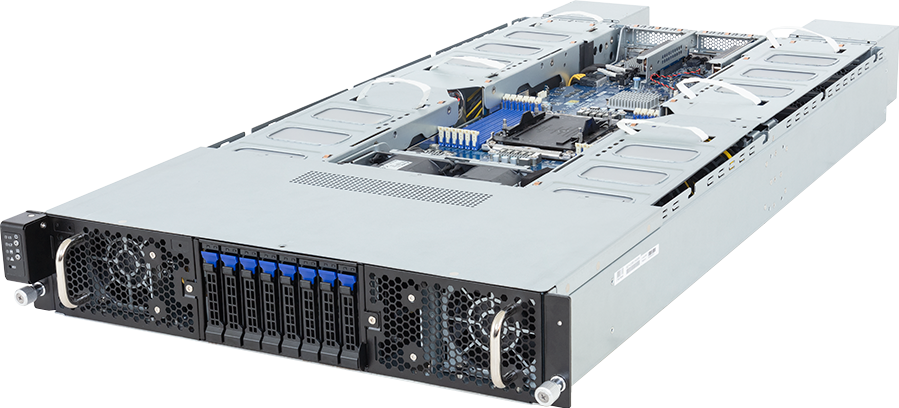
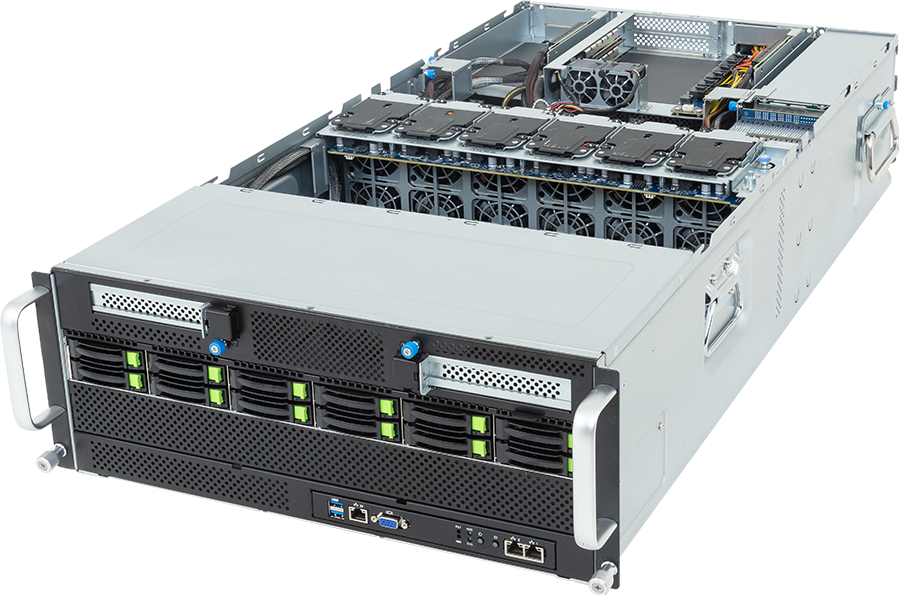
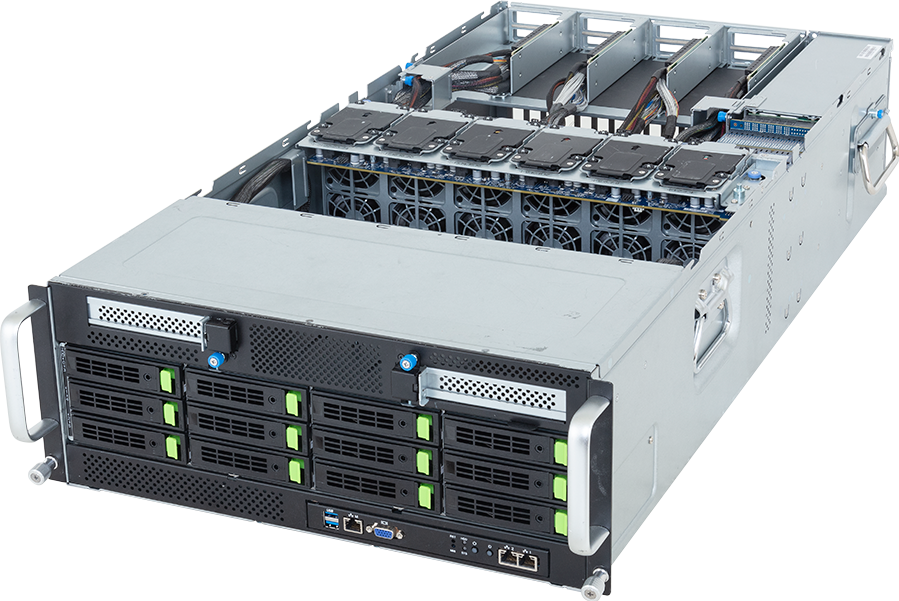
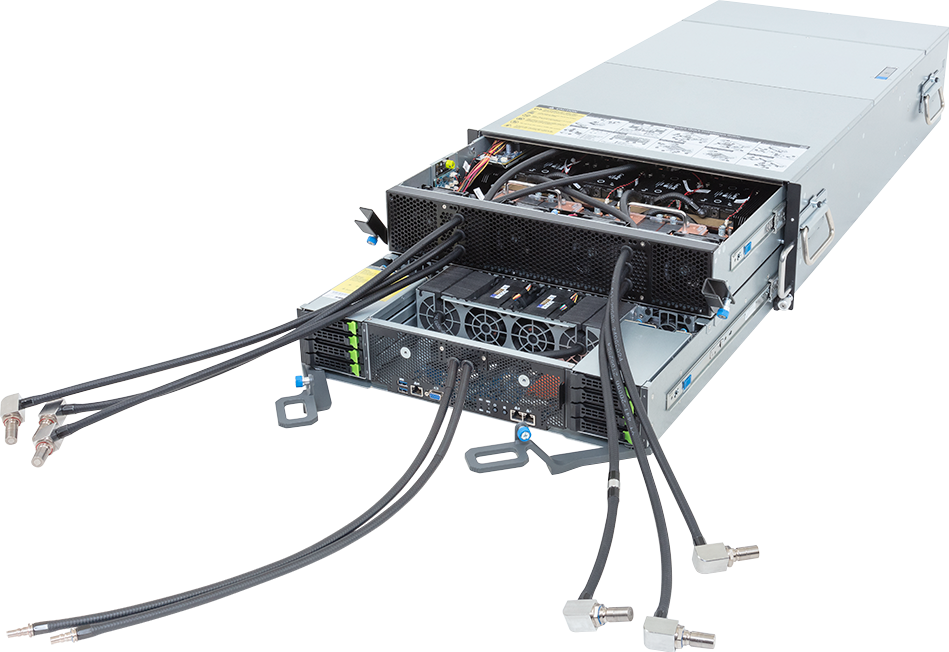
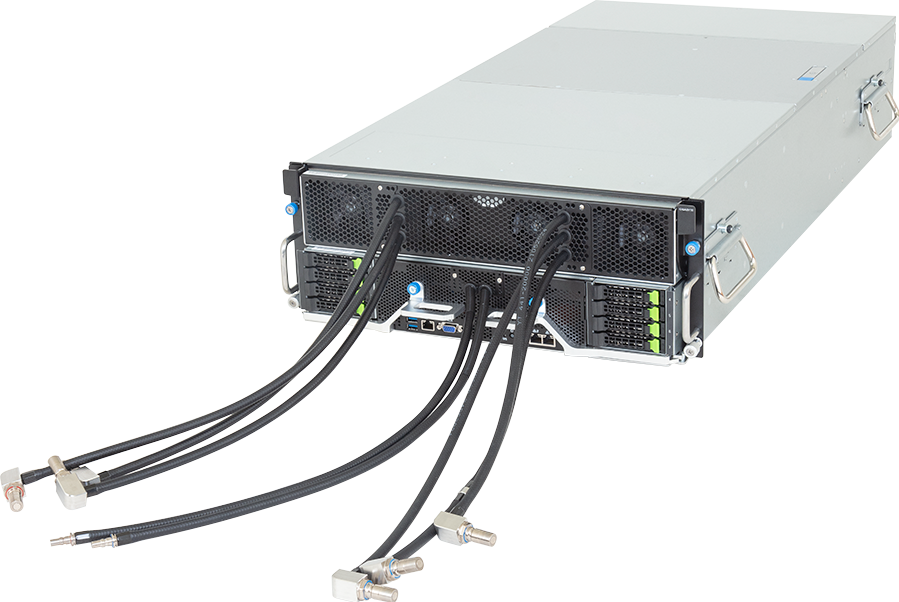
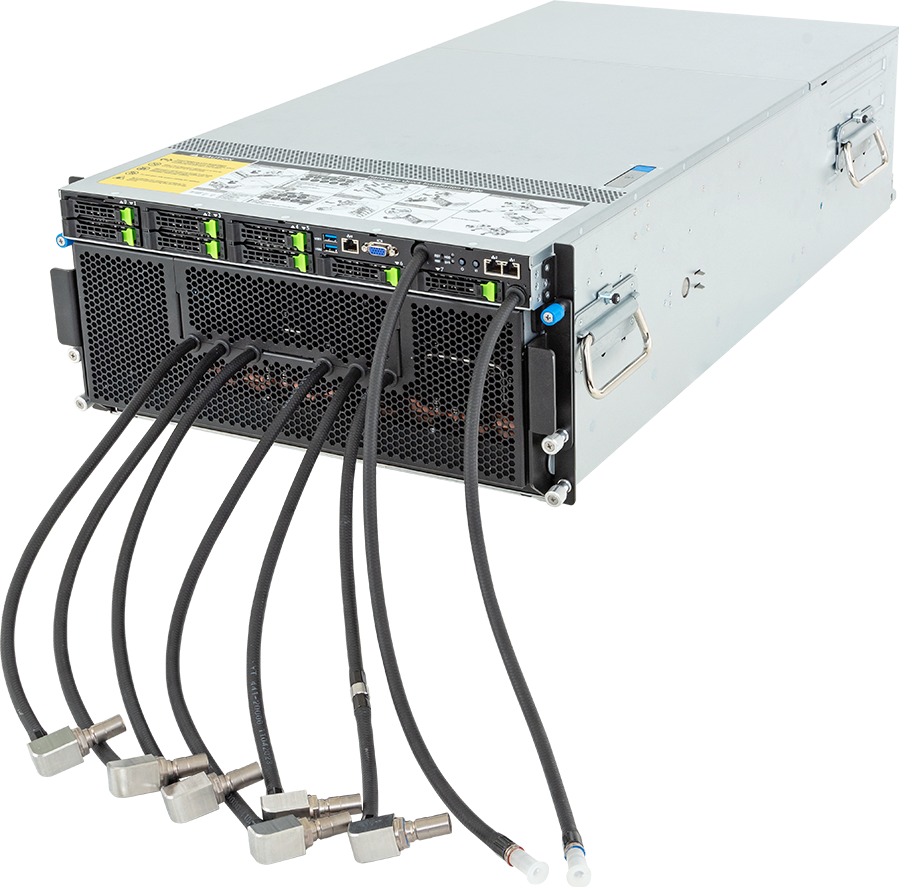
Hardware: G-Series GPU Servers pack multiple GPU cards into a dense and compact chassis to present scalable HPC solutions for AI and deep learning. Parallel computing techniques are used to process image data at very high speeds. For instance, a world-renowned developer of autonomous driving technology uses GIGABYTE G291-281 to train its self-driving cars.
Software: The Myelintek MLSteam DNN Training System, part of GIGABYTE’s DNN Training Appliance, is a turnkey DNN training platform. It features a preloaded, verified, and optimized hardware and software environment that includes several popular deep learning frameworks and libraries. Its GUI is browser-based so you can monitor system health and training results. The back end is the GIGABYTE G-Series GPU Server, which supports one of the densest configurations of GPU cards on the market.
Hardware: G-Series GPU Servers pack multiple GPU cards into a dense and compact chassis to present scalable HPC solutions for AI and deep learning. Parallel computing techniques are used to process image data at very high speeds. For instance, a world-renowned developer of autonomous driving technology uses GIGABYTE G291-281 to train its self-driving cars.
Software: The Myelintek MLSteam DNN Training System, part of GIGABYTE’s DNN Training Appliance, is a turnkey DNN training platform. It features a preloaded, verified, and optimized hardware and software environment that includes several popular deep learning frameworks and libraries. Its GUI is browser-based so you can monitor system health and training results. The back end is the GIGABYTE G-Series GPU Server, which supports one of the densest configurations of GPU cards on the market.