1. Home
  2. Glossary
  3. Fog Computing

Fog Computing

What is it?

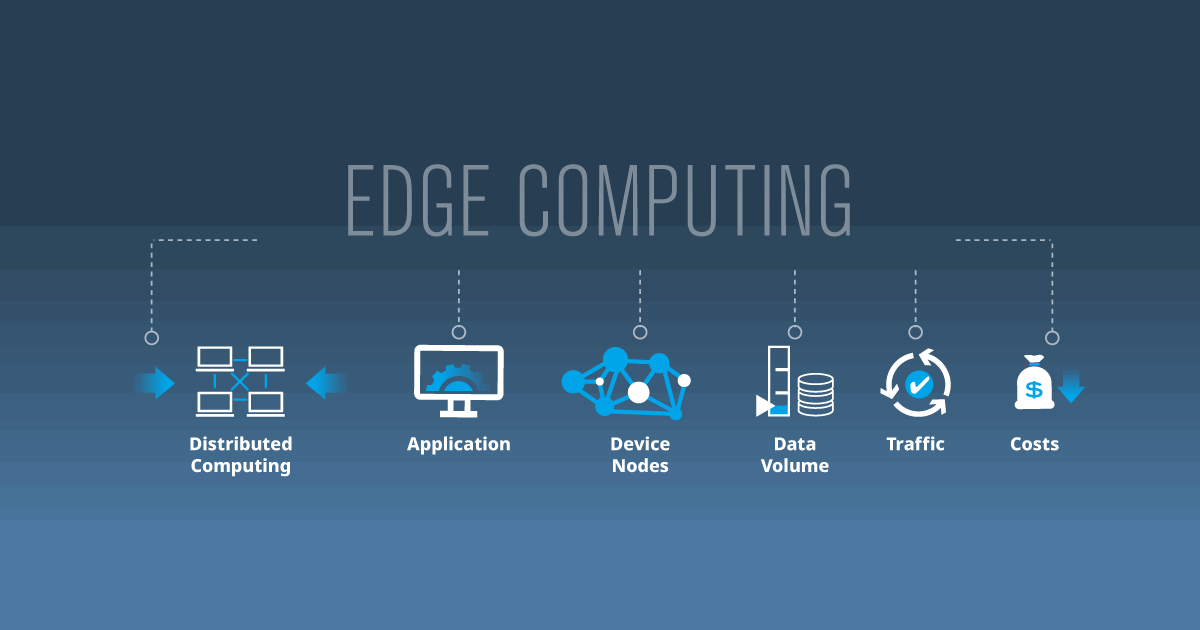
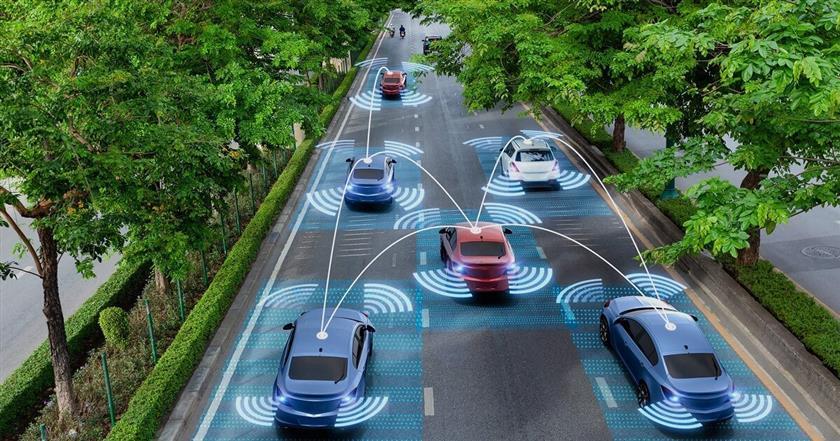
Fog Computing is a concept first introduced by Cisco in 2014. It has gained widespread attention as more and more devices connect to the internet and generate massive amounts of data, making it increasingly difficult for traditional cloud computing alone to handle all processing needs. Fog computing can be seen as an extension of cloud computing—its key idea is to shift data processing and storage from centralized data centers to nodes closer to end devices. In other words, fog computing does not replace the cloud but adds an intermediate layer between the cloud and endpoint devices. This architecture helps reduce data transmission latency and improves real-time responsiveness, making it especially valuable in applications such as the Internet of Things (IoT) and smart cities.
Recommended Reading

5G MEC Networking Platform

5G MEC Networking Platform

Quick Access and Easy Deployment Solution for 5G Infrastructure
A Smarter Solution to Fight Agriculture Industry Change
Article

A Smarter Solution to Fight Agriculture Industry Change

What is Edge Computing? Definition and Cases Explained
Article

What is Edge Computing? Definition and Cases Explained

With the proliferation of 5G communications technology, edge computing—the practice of performing computing tasks as physically or logically close as possible to where data is created and commands are executed—has begun to permeate the modern world of smart technology. In this article, we explore the concept of edge computing in detail, and explain how it offers many excellent advantages, especially in terms of latency reduction for applications that rely on real-time decision-making.
Neo ESD Inspection Powered by Facial Recognition

Neo ESD Inspection Powered by Facial Recognition

Facial recognition solutions for optimizing the safety check process
Data Center Cooling: The Key to Green Computing and a Low-Carbon Transition
Article

Data Center Cooling: The Key to Green Computing and a Low-Carbon Transition

How to Benefit from AI in the Automotive & Transportation Industry
Article

How to Benefit from AI in the Automotive & Transportation Industry

If you work in the automotive and transportation industry, spend a few minutes to read our in-depth analysis of how artificial intelligence has created new opportunities in this sector, and what tools you can use to get ahead. This article is part of GIGABYTE Technology’s ongoing “Power of AI” series, which examines the latest AI-related trends, and how intrepid visionaries can reap the benefits of this exciting paradigm shift.
AI Face Recognition -Smart Library System

AI Face Recognition -Smart Library System

GIGABYTE facial recognition system is applied to the campus library. Utilizing AI technology to expand the IoT into physical settings, we're devoted to building convenient and sustainable learning environments for all students.
GIGABYTE Announces Performance Optimized Servers Using Intel® Xeon® 6900-series with P-core for AI, Cloud Computing, and Edge & IOT

GIGABYTE Announces Performance Optimized Servers Using Intel® Xeon® 6900-series with P-core for AI, Cloud Computing, and Edge & IOT

A modular SOC architecture for P-core & E-core
How to Monetise AI for Better Business Outcomes
Article

How to Monetise AI for Better Business Outcomes

Ushering in a New Era of Smart Healthcare Applications with 5G-based MEC
Article

Ushering in a New Era of Smart Healthcare Applications with 5G-based MEC

A new epoch of smart medicine has been made possible with the proliferation of 5G. Healthcare has advanced from the treatment of symptoms to the early detection of disease and the tracking of each individual’s condition. GIGABYTE Technology offers the highly scalable, high-density E-Series Edge Servers for edge computing; by working with Alpha Networks Inc., GIGABYTE has brought the benefits of multi-access edge computing (MEC) to wearable devices and other Internet of Things (IoT) applications that will help to realize the vision of smart medicine. The compilation of big data, coupled with the low-latency characteristics of MEC, allow for faster data integration and analysis that will help healthcare providers offer customized, predictive care for their patients.