LAN

What is it?

LAN stands for local area network. It is the network that connects computers, servers, and other devices within a limited area, such as a business building or university campus. The networking devices used are usually Ethernet cables or Wi-Fi. Connected devices are able to communicate and transmit data with each other at high speeds—around 1,000 Mbps, though some services are even faster. If one of the devices is connected to the internet through WAN (wide area network), then all the other devices will also be able to access the internet.

Why do you need it?

A group of servers can be interconnected over LAN to form a computing cluster, which pools the servers' computational resources and directs them to solve a single task. Within a massive data center or server farm, devices in the computing, storage, and networking layers can also connect to each other via LAN. LAN makes it possible for different devices to work together seamlessly, like one giant machine. It also provides easy expandability and scalability, as new devices are connected to the network as required.

How is GIGABYTE helpful?

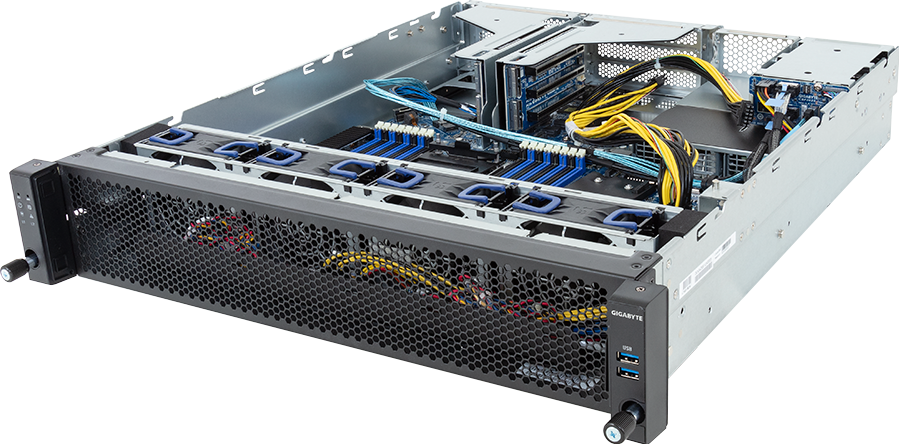
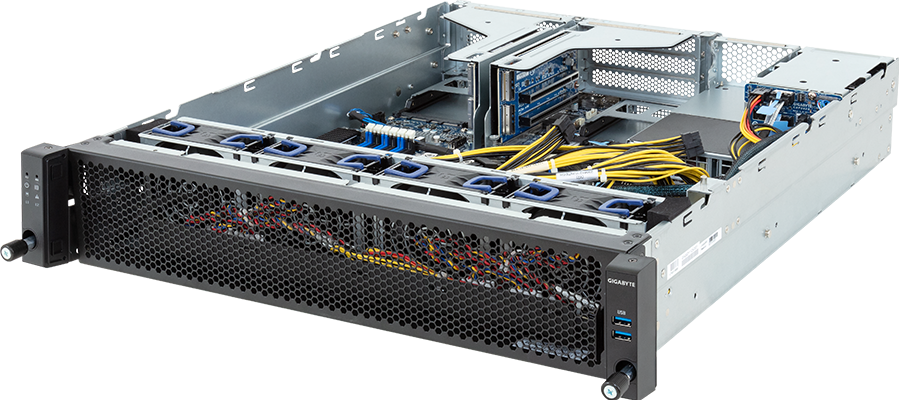
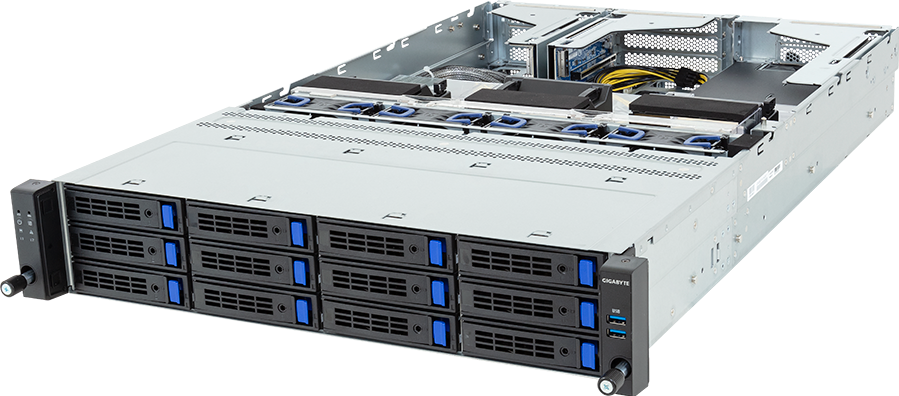
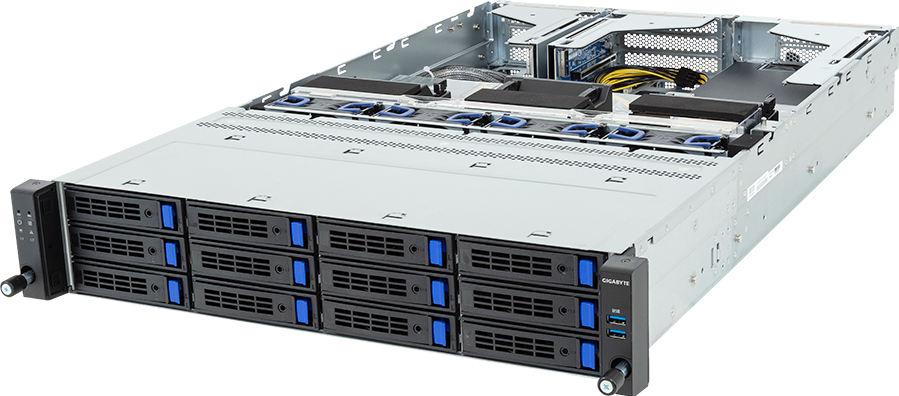
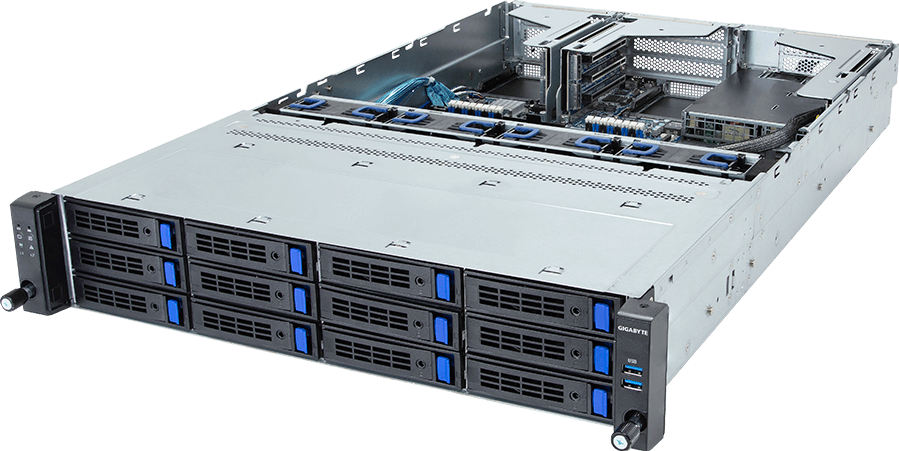
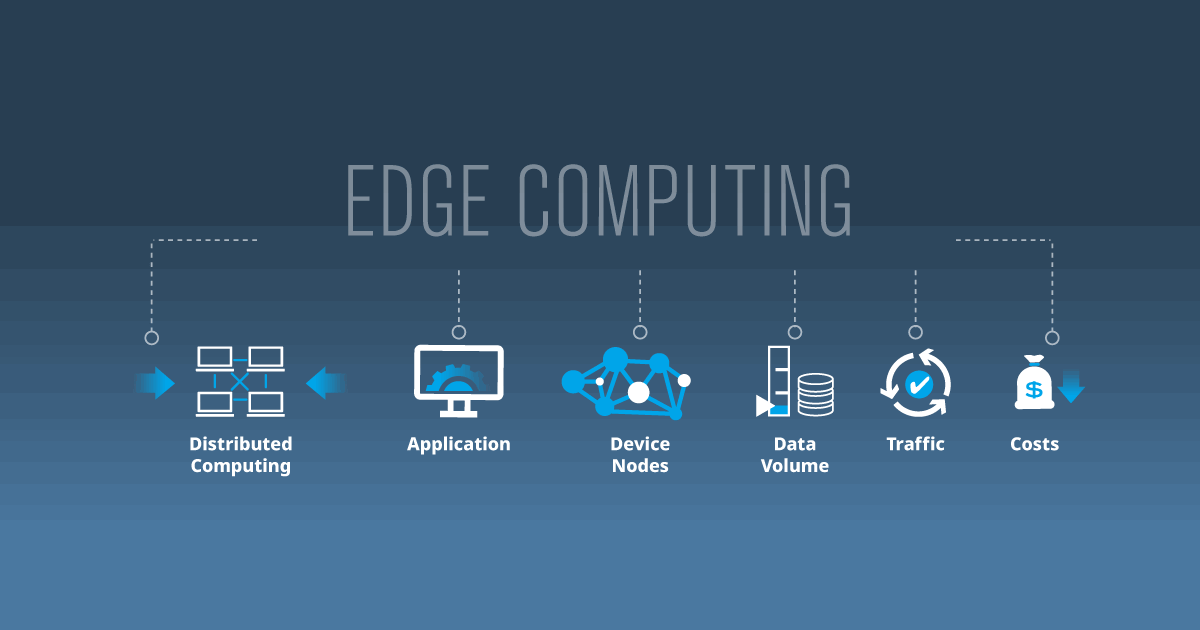
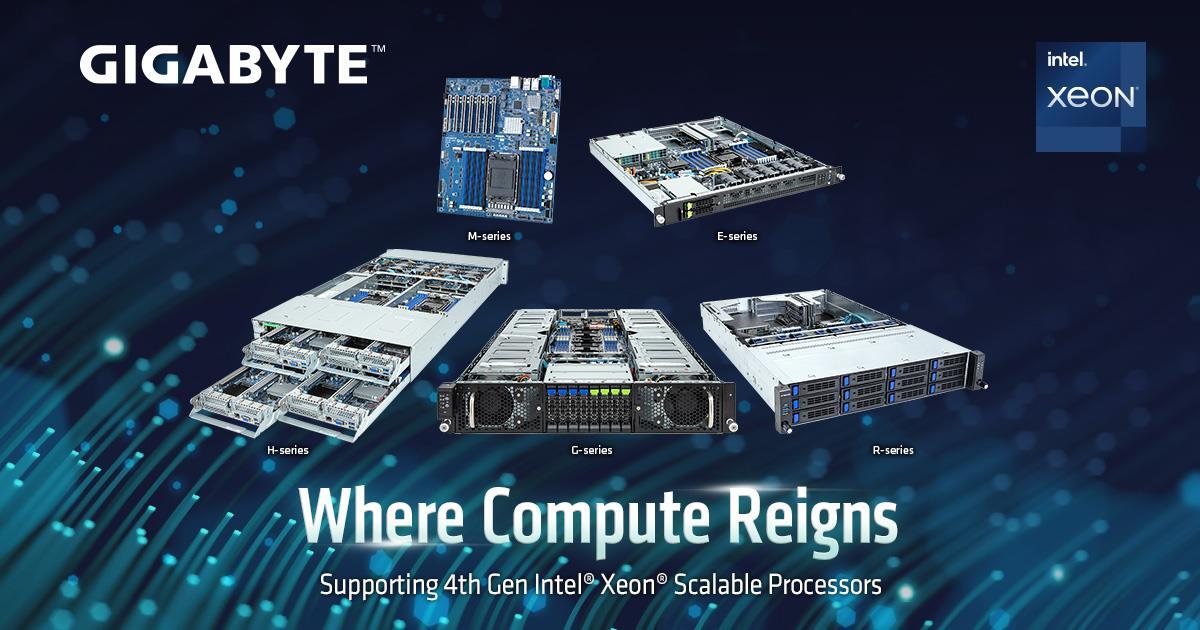
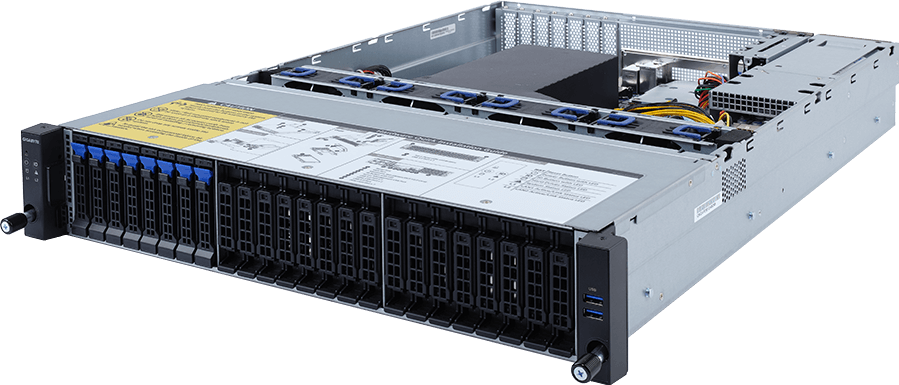
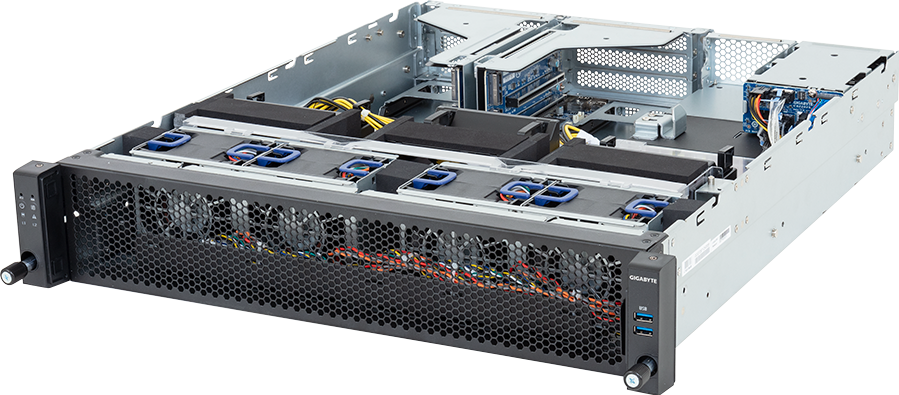
GIGABYTE servers are designed to be a one-stop solution, capable of performing specialized tasks while connected to other servers or devices over LAN. On most of our servers, such as our G-Series GPU Servers or R-Series Rack Servers, the LAN ports are positioned at the back of the chassis. However, GIGABYTE E-Series Edge Servers feature LAN ports at the front of the chassis, offering better convenience in the crowded environs commonly found in edge computing. Easy access to LAN through an array of LAN ports is an indelible feature of GIGABYTE’s modern server solutions.
Recommended Reading

6 Key Knowledge to Build the Power of Computing for Your Business
Article

6 Key Knowledge to Build the Power of Computing for Your Business

Digitalization is the first strategy in technology for today's enterprises to stay ahead of others. To develop core business and conduct daily operations, enterprises need IT systems and computing power to store, process, manage and analyze the large amounts of data generated and collected every day. This guide will take you from understanding the relevant definitions of data centers to the functions of servers that are often deployed in modern popular technologies such as high performance computing (HPC), 5G, and artificial intelligence (AI).
4th Gen AMD EPYC Solutions

4th Gen AMD EPYC Solutions

Compute Leadership for the Exascale Era
3rd Gen Intel Xeon Scalable Server Solutions

3rd Gen Intel Xeon Scalable Server Solutions

GIGABYTE servers and Intel Xeon Scalable Processors deliver incredible UP/DP performance from edge to data center with incredible gains in I/O throughput and workload demands that need high performing CPUs with large, optimized, memory configurations.
What is Edge Computing? Definition and Cases Explained
Article

What is Edge Computing? Definition and Cases Explained

With the proliferation of 5G communications technology, edge computing—the practice of performing computing tasks as physically or logically close as possible to where data is created and commands are executed—has begun to permeate the modern world of smart technology. In this article, we explore the concept of edge computing in detail, and explain how it offers many excellent advantages, especially in terms of latency reduction for applications that rely on real-time decision-making.
What is a Server? A Tech Guide by GIGABYTE
Article

What is a Server? A Tech Guide by GIGABYTE

In the modern age, we enjoy an incredible amount of computing power—not because of any device that we own, but because of the servers we are connected to. They handle all our myriad requests, whether it is to send an email, play a game, or find a restaurant. They are the inventions that make our intrinsically connected age of digital information possible. But what, exactly, is a server? GIGABYTE Technology, an industry leader in high-performance servers, presents our latest Tech Guide. We delve into what a server is, how it works, and what exciting new breakthroughs GIGABYTE has made in the field of server solutions.
Setting the Record Straight: What is HPC? A Tech Guide by GIGABYTE
Article

Setting the Record Straight: What is HPC? A Tech Guide by GIGABYTE

The term HPC, which stands for high performance computing, gets thrown around a lot nowadays, as server solutions become more and more ubiquitous. It is running the risk of becoming a catchall phrase: anything that is “HPC” must be the right choice for your computing needs. You may be wondering: what exactly are the benefits of HPC, and is HPC right for you? GIGABYTE Technology, an industry leader in high-performance servers, presents this tech guide to help you understand what HPC means on both a theoretical and a practical level. In doing so, we hope to help you evaluate if HPC is right for you, while demonstrating what GIGABYTE has to offer in the field of HPC.
The Advantages of ARM: From Smartphones to Supercomputers and Beyond
Article

The Advantages of ARM: From Smartphones to Supercomputers and Beyond

Processors based on the ARM architecture, an alternative to the mainstream x86 architecture, is gradually making the leap from mobile devices to servers and data centers. In this Tech Guide, GIGABYTE Technology, an industry leader in high-performance server solutions, recounts how ARM was developed. We also explain the various benefits of ARM processors and recommend ARM servers for different sectors and applications.
How to Benefit from AI  In the Healthcare & Medical Industry
Article

How to Benefit from AI In the Healthcare & Medical Industry

If you work in healthcare and medicine, take some minutes to browse our in-depth analysis on how artificial intelligence has brought new opportunities to this sector, and what tools you can use to benefit from them. This article is part of GIGABYTE Technology’s ongoing “Power of AI” series, which examines the latest AI trends and elaborates on how industry leaders can come out on top of this invigorating paradigm shift.
GIGABYTE Announces Its Server Portfolio for the 4th Gen Intel Xeon Scalable Processor

GIGABYTE Announces Its Server Portfolio for the 4th Gen Intel Xeon Scalable Processor

4th Gen Intel Xeon Scalable processors feature built-in accelerators to offer a more robust computing platform
Server Processors: The Core of a Server’s Performance
Article

Server Processors: The Core of a Server’s Performance

How do server processors work? In which ways are they different from the processors used in personal computers? Which processors should you choose for your servers? GIGABYTE Technology, an industry leader in server solutions that support the most advanced processors, is pleased to present our latest Tech Guide. We will go over the fundamentals of server processors, compare the differences between various types of processors, and then present GIGABYTE products that may help you achieve your goals with the CPUs most suitable for your needs.