Server Farm
What is a server farm?
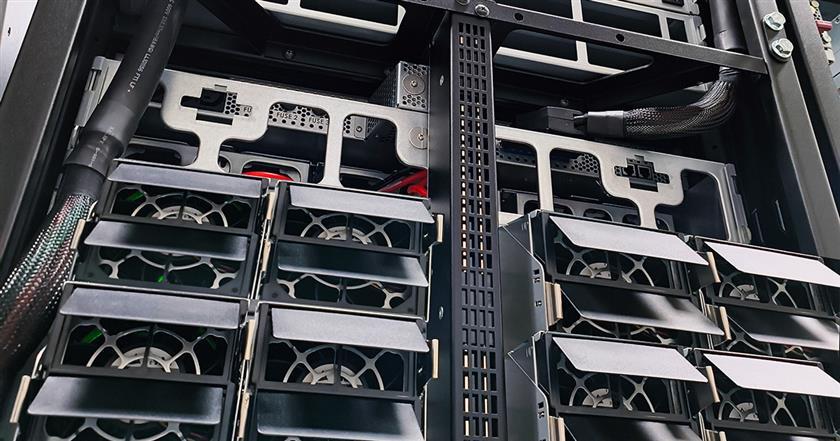
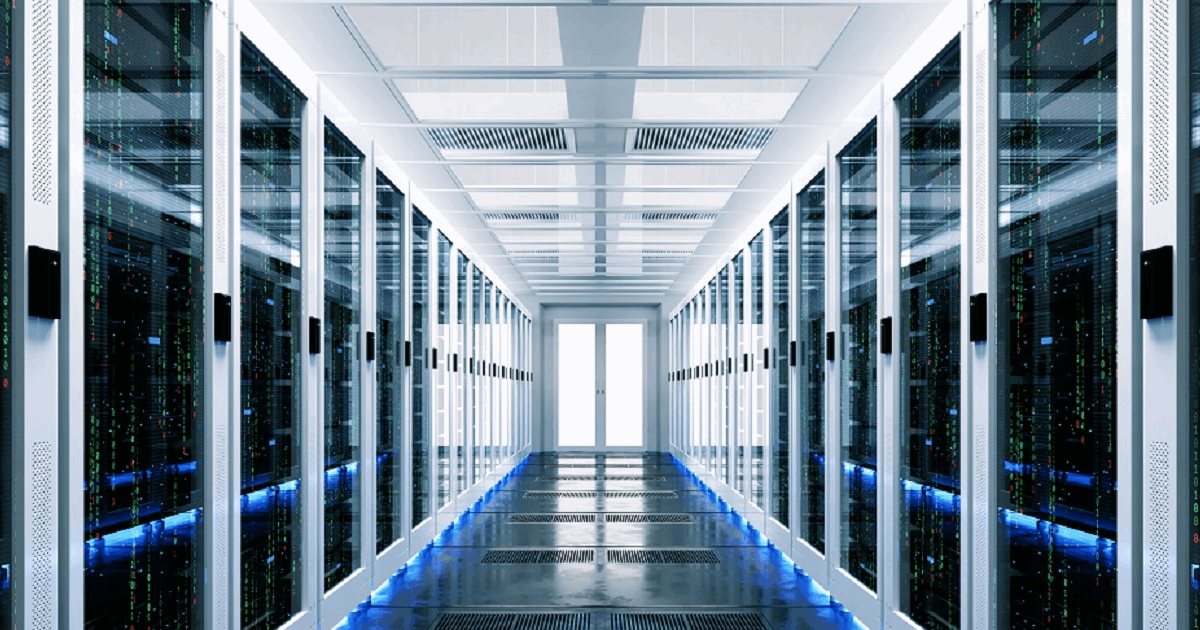
Also known as a server cluster, a server farm is a large number—up to thousands—of servers grouped together to provide better functionality and accessibility. By keeping the servers close together, the manager of a server farm can achieve centralized control and economy of scale. The servers can provide backup for each other in case of individual system failure.
While there are similarities between a server farm and a computing cluster, servers in a server farm do not necessarily serve the same function, whereas servers in a computing cluster work together like a single system and focus on the same assignment. The terms "server farm" and "data center" are sometimes used interchangeably. However, a server farm generally refers to a collection of servers; a data center is the specialized facility where such collections may be housed, and it is equipped with peripheral subsystems for cooling, ventilation, fire suppression, etc., to ensure uninterrupted availability.
Learn more:
《How to Build Your Data Center with GIGABYTE? A Free Downloadable Tech Guide》
《What is a Server? A Tech Guide by GIGABYTE》
While there are similarities between a server farm and a computing cluster, servers in a server farm do not necessarily serve the same function, whereas servers in a computing cluster work together like a single system and focus on the same assignment. The terms "server farm" and "data center" are sometimes used interchangeably. However, a server farm generally refers to a collection of servers; a data center is the specialized facility where such collections may be housed, and it is equipped with peripheral subsystems for cooling, ventilation, fire suppression, etc., to ensure uninterrupted availability.
Learn more:
《How to Build Your Data Center with GIGABYTE? A Free Downloadable Tech Guide》
《What is a Server? A Tech Guide by GIGABYTE》
Why do you need it?
When it comes down to it, it is logical for an organization to move its servers to one central hub. For one thing, it makes it easier for the IT team to maintain and protect the servers. For another, upkeep is reduced. If the servers are interconnected and cluster management software is installed, a server farm can be used for cluster computing.
In the era of high performance computing (HPC) and edge computing, server farms enjoy more processing power than before, and they may be deployed outside of conventional data centers. Therefore, while it makes sense to assemble a server farm at headquarters, computing tasks in remote locations can be handled by setting up a smaller, on-site server farm.
In the era of high performance computing (HPC) and edge computing, server farms enjoy more processing power than before, and they may be deployed outside of conventional data centers. Therefore, while it makes sense to assemble a server farm at headquarters, computing tasks in remote locations can be handled by setting up a smaller, on-site server farm.
How is GIGABYTE helpful?
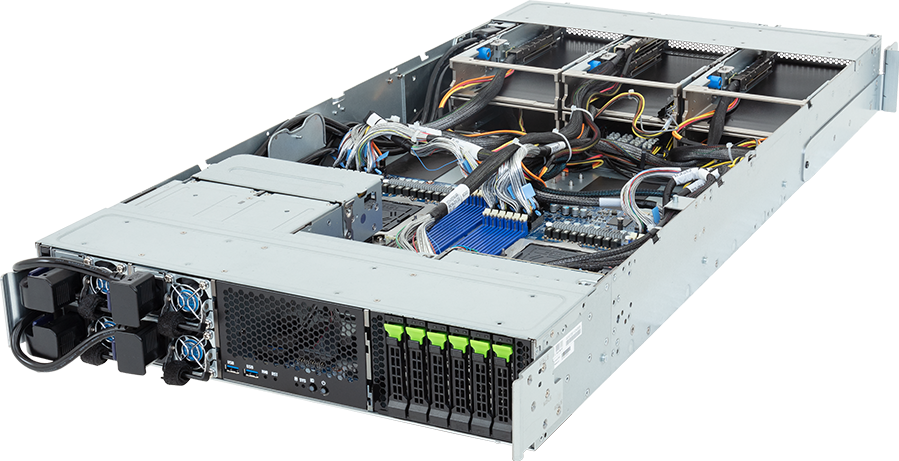
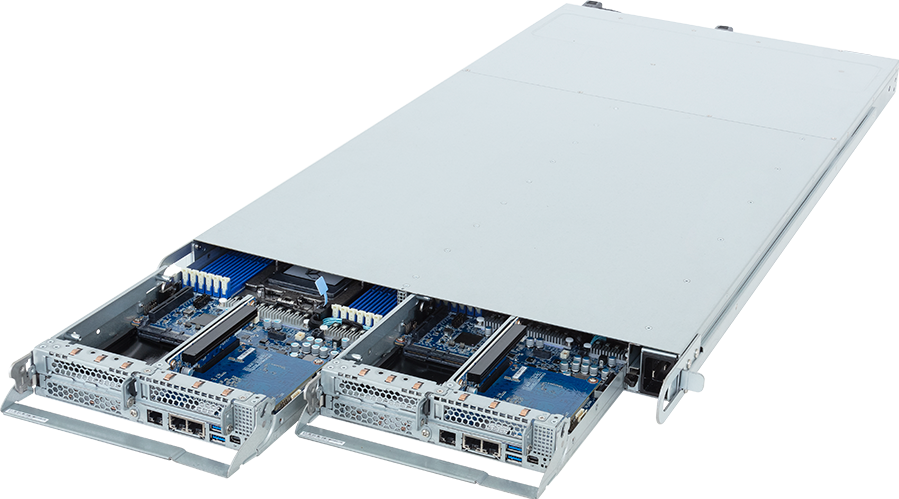
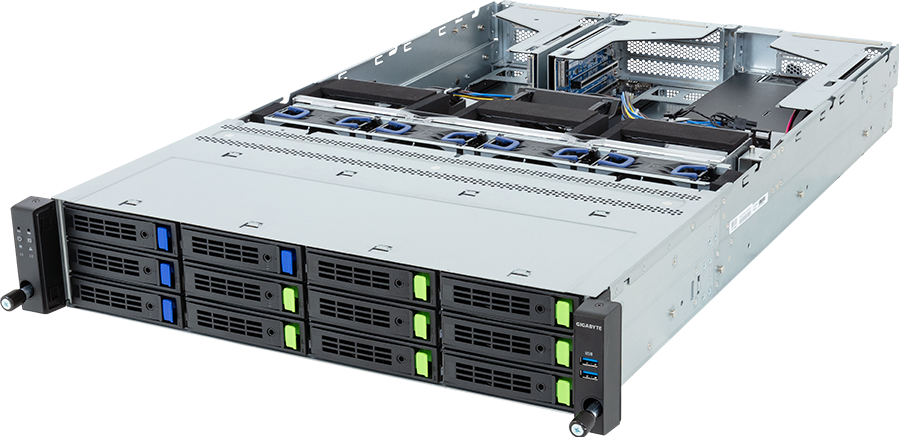
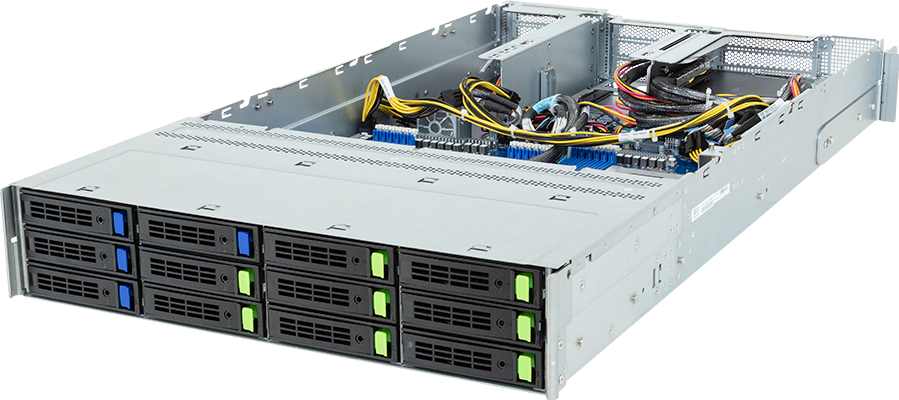
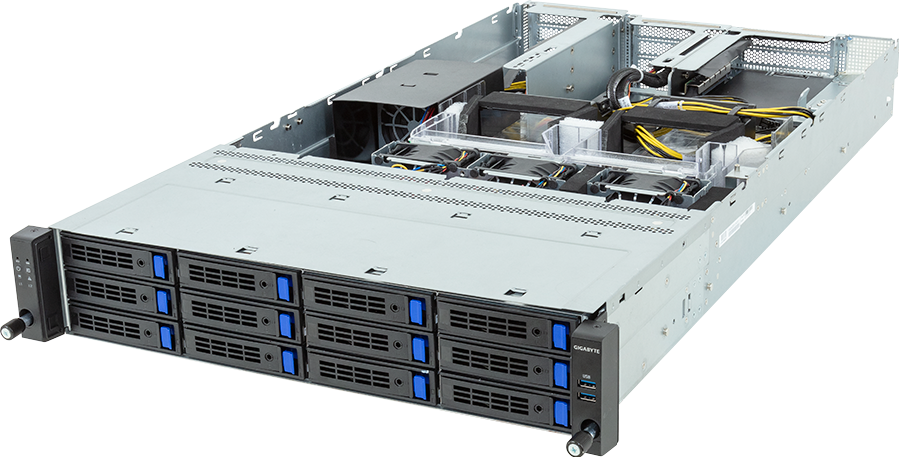
Whether you are looking to expand an existing server farm or build one from scratch, GIGABYTE has a wide range of products for you to choose from. Our H-Series High Density Servers and G-Series GPU Servers are especially suited for HPC and parallel computing. S-Series Storage Servers are recommended for data storage, while the versatile R-Series Rack Servers can be used to scale out effortlessly. E-Series Edge Servers are designed for edge computing. In terms of processors, we have options for both 4-way Intel® Xeon® Scalable and AMD EPYC™ processors.
What’s more, GIGABYTE offers industry-leading cooling technology to make sure your server farm does not overheat. In addition to our fan-based dynamic cooling feature, liquid cooling is also making waves. There are two main types: direct liquid cooling (DLC), which is used by the German Aerospace Center to build an eco-friendly data center with GIGABYTE, and the state-of-the-art immersion cooling technique, which uses non-conductive liquid to dissipate heat directly. Both methods of liquid cooling drastically reduce energy costs.
What’s more, GIGABYTE offers industry-leading cooling technology to make sure your server farm does not overheat. In addition to our fan-based dynamic cooling feature, liquid cooling is also making waves. There are two main types: direct liquid cooling (DLC), which is used by the German Aerospace Center to build an eco-friendly data center with GIGABYTE, and the state-of-the-art immersion cooling technique, which uses non-conductive liquid to dissipate heat directly. Both methods of liquid cooling drastically reduce energy costs.