MEC (Multi-access Edge Computing)
What is Multi-access Edge Computing (Mobile Edge Computing)?
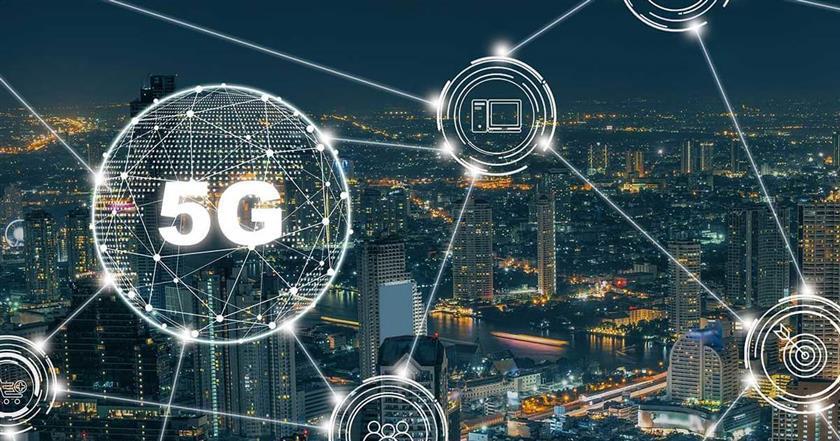
Multi-access Edge Computing (MEC), also known as Mobile Edge Computing, is an emerging network service architecture that provides cloud computing capabilities and IT service environments at the edge of mobile networks or other access networks. Initially, MEC technology focused on mobile networks, aiming to obtain data directly from base stations, reduce the load on the core network, and perform high-resolution image processing and data transmission locally, without waiting for responses from remote servers. This approach effectively reduces latency and enhances the user experience.
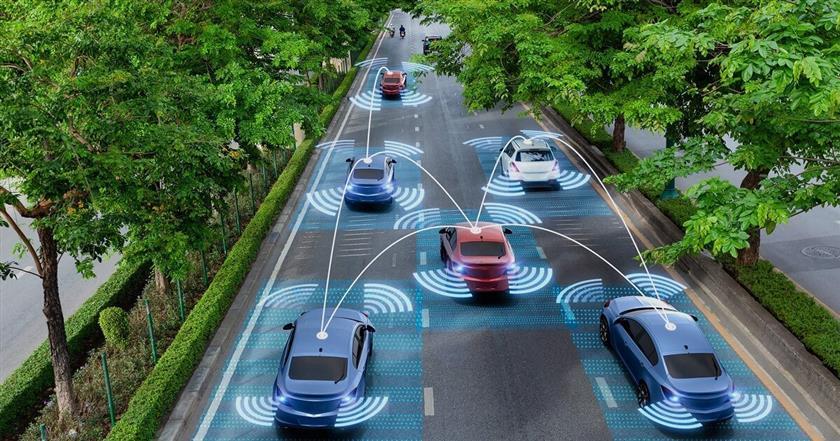
With the rapid growth of IoT devices and smart equipment, MEC applications are no longer limited to mobile phones. It can extend to manufacturing, smart cities, and other scenarios that require low-latency, high-bandwidth processing. To reflect this evolution, the European Telecommunications Standards Institute (ETSI) updated the name from “Mobile Edge Computing” to “Multi-Access Edge Computing” in 2016, expanding the MEC concept beyond mobile networks to various access networks. This further shortens the distance between cloud data generation, collection, and analysis, enabling flexible support for a wide range of applications and services.
With the rapid growth of IoT devices and smart equipment, MEC applications are no longer limited to mobile phones. It can extend to manufacturing, smart cities, and other scenarios that require low-latency, high-bandwidth processing. To reflect this evolution, the European Telecommunications Standards Institute (ETSI) updated the name from “Mobile Edge Computing” to “Multi-Access Edge Computing” in 2016, expanding the MEC concept beyond mobile networks to various access networks. This further shortens the distance between cloud data generation, collection, and analysis, enabling flexible support for a wide range of applications and services.
Why you need Mobile Edge Computing? Who needs it?
MEC implements the ethos of Edge Computing for cellular phone networks, allowing content such as movies, video games, VR / AR applications and other multimedia content to be placed closer to the user at the periphery of the network, reducing latency and bandwidth requirements. For example, popular video content can be saved at the cellular base station, reducing network backhaul and transport requirements and improving loading times.
In addition, a MEC server can be used to implement applications such as Intelligent Video Analytics – video steams can be analyzed in real time without the need to be transmitted back to a central data center, accelerating detection and response times and trigger events automatically (e.g. abandoned bags, facial recognition of wanted or missing persons etc.), or for Augmented Reality – the MEC server will provide local object tracking and local AR content caching to overlay augmented reality content onto objects viewed on a cellular device camera.
How is GIGABYTE helpful?
GIGABYTE has partnered with ITRI (Industrial Technology Research Institute), working together in developing the hardware and software architecture required to implement MEC. A demonstration of this architecture was showcased at MWC 2019 (Mobile World Conference) in Barcelona and will be implemented as part of a VR concert viewing system in the new Taipei Center for Popular Music.